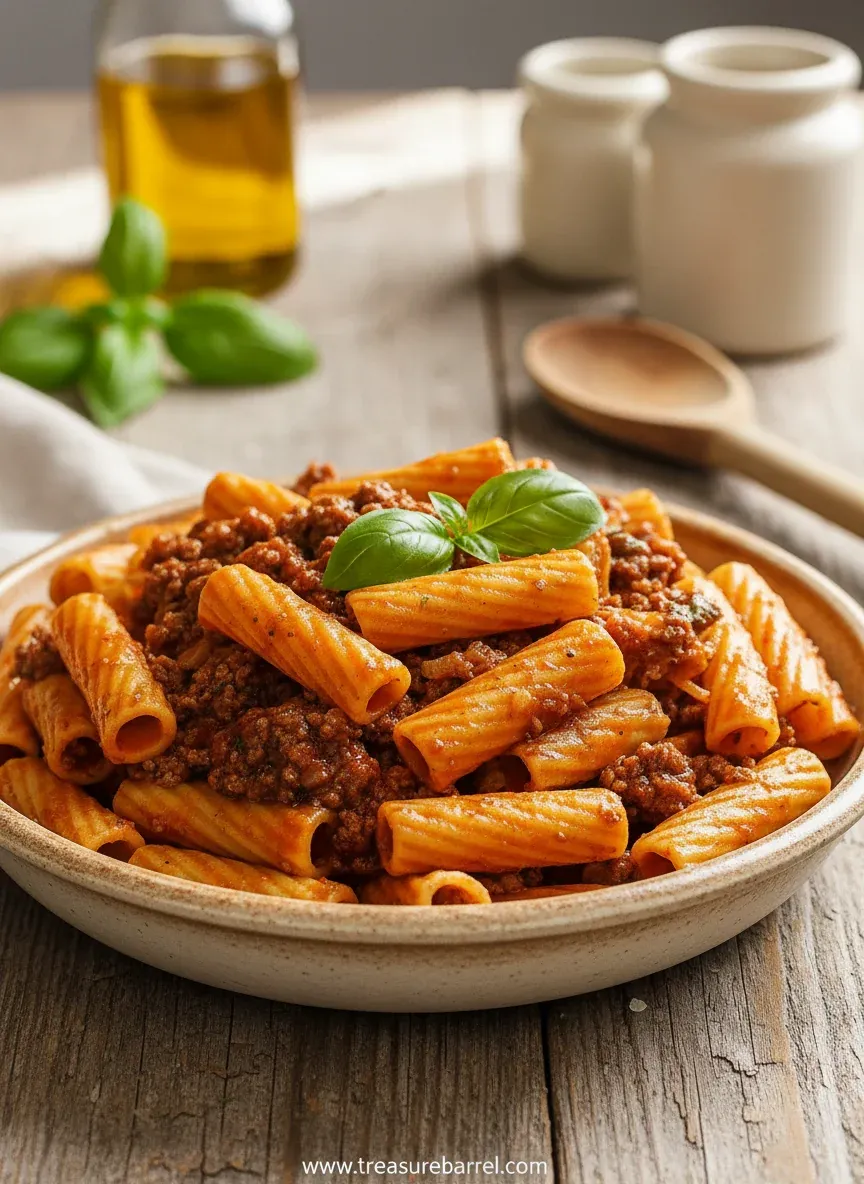
Beef Ragu Pasta Recipe in Tomato Sauce
A rich and hearty pasta dish with slow-cooked beef ragu in a savory tomato sauce.
- Amelia Rose
- Warm Meals
- January 26, 2026
- 3 min read
- Updated November 5, 2026
- Total time
- 1 h 50 min
- Servings
- 6 Servings
- Difficulty:
- Medium
Table of contents
There's nothing quite like the smell of beef ragu simmering on the stove, you know? It's one of those scents that just wraps around you, warm and promising. I remember making this for my family on chilly evenings, watching the steam rise from the pot while the sauce thickened. Honestly, it's the kind of meal that makes everyone gather in the kitchen, just waiting.
The essence of the dish
This beef ragu is all about deep, slow-cooked comfort. It’s the kind of meal that feels like a hug from the inside, rich and satisfying.
A fun fact or historical angle
Ragu originated as a way to tenderize less expensive cuts of meat through long, gentle cooking, making a little go a long way.
Flavor or sensory focus
You’ll notice the savory depth of the beef first, followed by the sweet acidity of the tomatoes and the herbal notes from the oregano and basil.
You Must Know
- Brown the beef in batches to avoid steaming it.
- A long, slow simmer is non-negotiable for the best flavor.
- Salt your pasta water generously—it’s your chance to season the pasta itself.
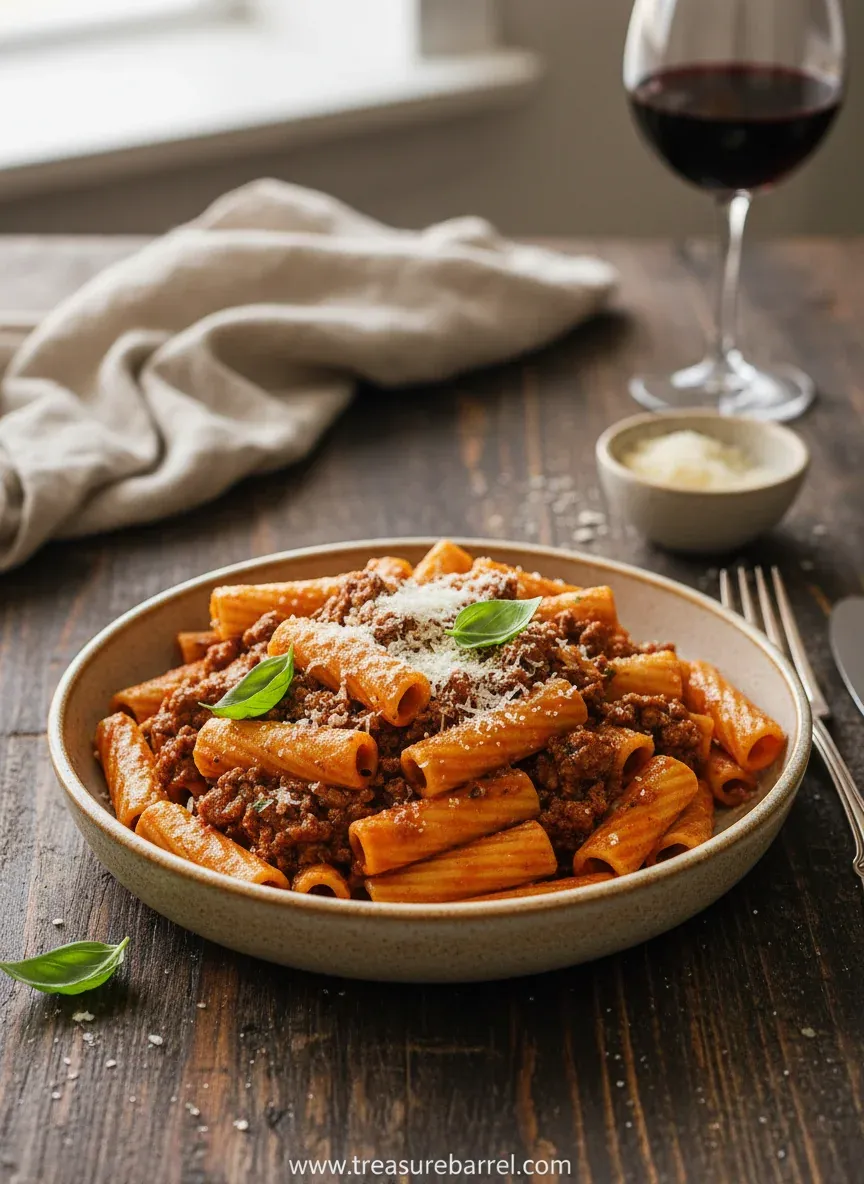
Getting the browning right is everything. If you crowd the pan, the beef will steam and turn gray instead of getting those nice, flavorful brown bits. So, patience is key here, just like when you wait for a simple banana bread to bake. And that slow simmer… well, it’s what transforms the tomatoes and meat into something truly special. The sauce reduces, the flavors concentrate, and the whole house smells incredible. It’s worth the wait, I promise.
The story behind it
Beef ragu has its roots in Italian peasant cooking, where tougher cuts of meat were slowly braised with tomatoes to create deeply flavorful, economical meals. Over time, this method evolved into the rich pasta sauces we know today, each simmering hour layering complexity into every bite. The tradition of slow-cooking transforms simple ingredients into something truly special, a testament to the patience required for great flavor.
Why You'll Love It
- Incredibly rich, deep flavor from slow simmering
- Perfect for making ahead and reheating
- Feeds a crowd comfortably
- Leftovers taste even better the next day
Tips for success
- Don't overcrowd the pan when browning the beef, Cook in batches if necessary to get a good sear.
- Let the ragu simmer low and slow, This is essential for tender meat and developed flavor.
- Taste as you go, Adjust seasoning at the end, after the sauce has reduced.
Professional secrets
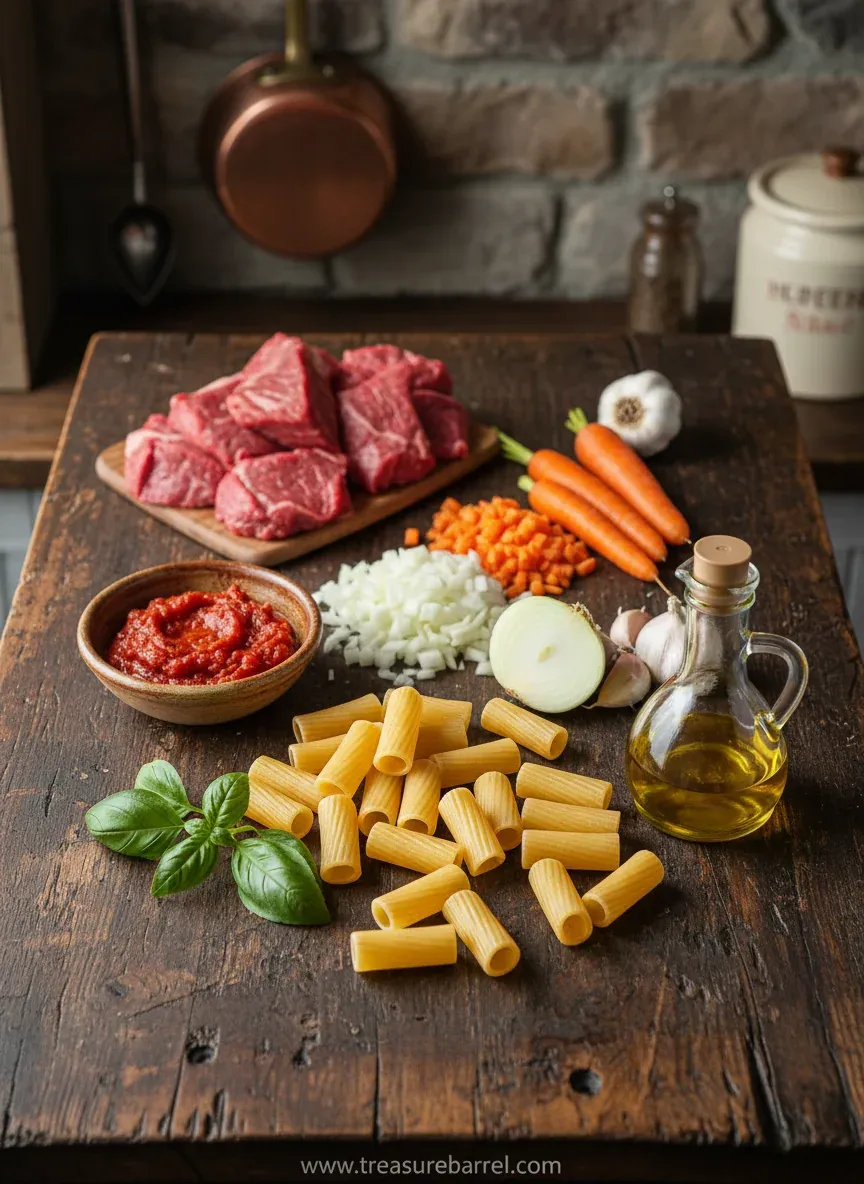
- Room temperature beef, Browns more evenly than cold.
- Sweat the vegetables slowly, Builds a sweet, flavorful base.
- Deglaze the pan with wine, Captures all the tasty browned bits.
Common mistakes to avoid
- Overcrowding the pan when browning the beef, which steams it instead of searing it.
- Rushing the vegetable sauté—they need time to soften and sweeten.
- Simmering at too high a boil, which can make the meat tough and the sauce bitter.
Substitutions
- Ground Beef: Ground lamb or a mix of beef and turkey sausage. Lamb will give a richer, gamier flavor. Turkey sausage adds herbs and spice.
- Red Wine: Beef broth or 1 tablespoon of balsamic vinegar mixed with water. Broth adds savory depth, while vinegar provides acidity.
Variations
- Mushroom Ragu: Replace half the beef with finely chopped cremini mushrooms for an earthy, vegetarian-friendly version.
- Spicy Arrabbiata Style: Add a teaspoon of red pepper flakes with the garlic for a kick of heat.
Storage
Store leftover ragu (without pasta) in an airtight container in the refrigerator for up to 3 days, or in the freezer for up to 3 months. Store pasta and sauce separately for best results.
Make ahead
You can make the ragu up to 3 days ahead. Cool it completely and store it in the fridge. Reheat gently on the stove, adding a little water if needed. Cook the pasta fresh when you're ready to serve.
Leftovers
Reheat leftovers gently in a skillet or microwave, adding a splash of water to loosen the sauce. The flavors are often even better the next day, making for a quick and easy lunch.
Serving ideas
- Serve over rigatoni or pappardelle pasta
- Top with a generous amount of grated Parmesan cheese
- Garnish with fresh basil leaves
- Pair with a crisp green salad and garlic bread
Allergy information
Contains wheat (pasta). Ensure your cheese is vegetarian if required.
Beef Ragu Pasta Recipe in Tomato Sauce
A rich and hearty pasta dish with slow-cooked beef ragu in a savory tomato sauce.
- Prep time
- 20 min
- Cook time
- 1 h 30 min
- Total time
- 1 h 50 min
- Difficulty
- Medium
- Cuisine
- Italian
- Course
- Main Course
Ingredients
For the Ragu
For Serving
Instructions
- 1
Heat the olive oil in a large Dutch oven or heavy-bottomed pot over medium heat. Add the onion, carrots, and celery. Cook, stirring occasionally, until the vegetables have softened, about 8-10 minutes. Add the garlic and cook for another minute until fragrant.
- 2
Increase the heat to medium-high. Add the ground beef, breaking it up with a wooden spoon. Cook until well-browned, about 8-10 minutes. If there's a lot of fat, you can spoon some out, but leave a few tablespoons for flavor.
- 3
Pour in the red wine (or broth), scraping any browned bits from the bottom of the pot. Let it simmer for 2-3 minutes until the alcohol smell cooks off. Stir in the tomato paste and cook for another minute.
- 4
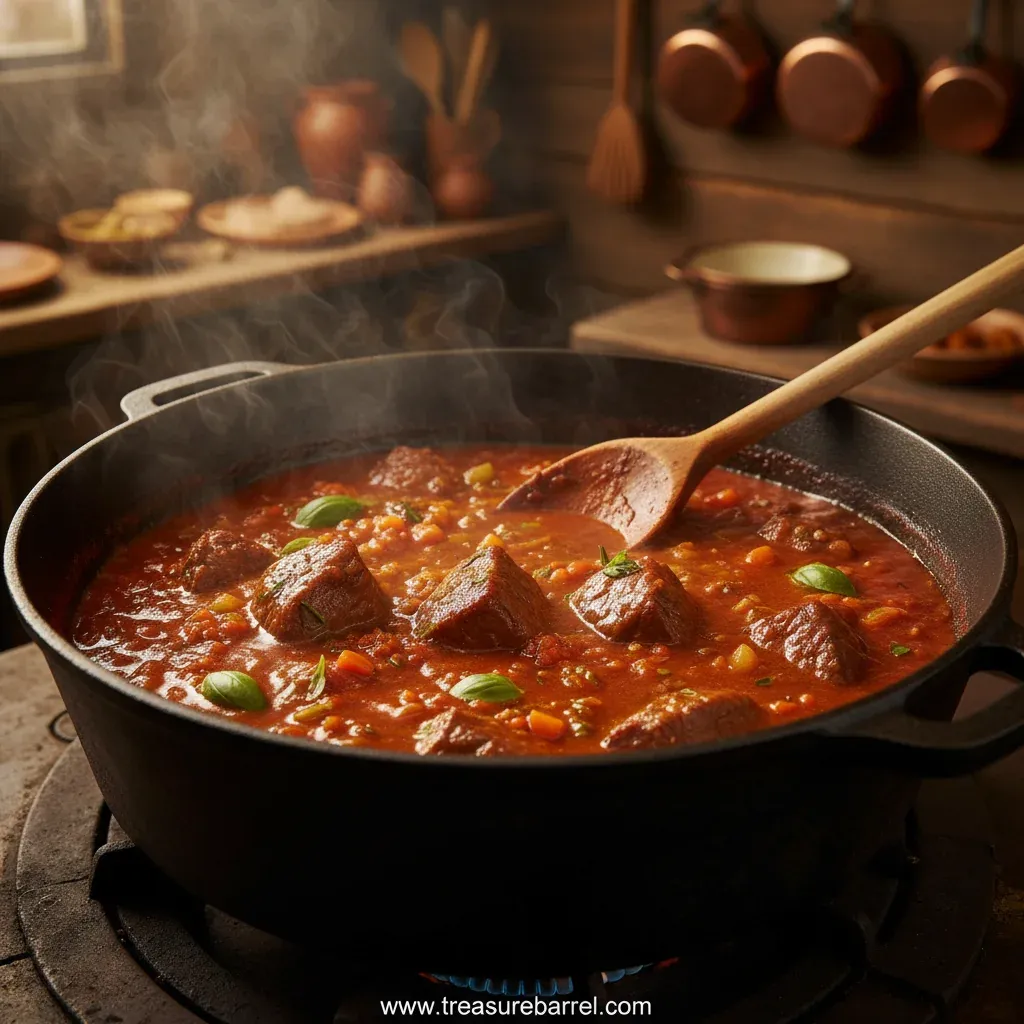
Add the crushed tomatoes, dried oregano, bay leaf, salt, and pepper. Bring to a boil, then reduce the heat to low. Cover and let it simmer gently for at least 1 hour, stirring occasionally. If it seems too thick, add a splash of water.
- 5
About 20 minutes before the ragu is finished, bring a large pot of salted water to a boil. Cook the pasta according to package directions until al dente. Reserve about a cup of the pasta water before draining.
- 6
Remove the bay leaf from the ragu. Stir in the fresh basil. Taste and adjust seasoning with more salt and pepper if needed. If the sauce is too thick, loosen it with a little of the reserved pasta water.
- 7
Add the drained pasta directly to the pot with the ragu and toss to combine, ensuring every piece is coated. Serve immediately, topped with plenty of grated Parmesan cheese and more fresh basil.
Nutrition per serving
- 520 kcal
- Calories
- 32 g
- Protein
- 55 g
- Carbs
- 18 g
- Fat
Tips & notes
- This ragu freezes beautifully. Cool completely and store in an airtight container for up to 3 months. - For an even deeper flavor, you can let the ragu simmer for up to 2 hours. Just check occasionally and add a little water if it gets too dry. - Leftover ragu is fantastic on toasted bread or as a filling for lasagna.
Frequently asked questions
Can I make this ragu ahead of time?
Absolutely. In fact, it often tastes better the next day. Let it cool completely, then store it covered in the fridge for up to 3 days, or freeze it for up to 3 months.
What's the best pasta to use?
You want a shape that can hold the chunky sauce. Rigatoni, pappardelle, or even a sturdy simple recipe like fusilli work beautifully.
My sauce is too thin. How can I thicken it?
Let it simmer uncovered for a bit longer. If you're in a hurry, you can mash a few of the tomato pieces against the side of the pot to help it along.
Can I use a different meat?
Sure. Ground lamb would be lovely, or a mix of beef and turkey sausage. The cooking method stays the same.
Is it okay to skip the wine?
Yes. You can substitute with an equal amount of beef broth or even just water. The flavor will be a little less complex, but still delicious.
How do I know when the ragu is done?
It's ready when the sauce has thickened to a rich, gravy-like consistency and the flavors have melded together beautifully, much like the satisfaction of a delicious treat you've made from scratch.