
When I was little, soup meant rainy Saturdays with my mother. She'd chop vegetables while telling stories, and I'd sit at the kitchen table coloring, watching the rhythm of her knife against the cutting board. The smell of onions softening in butter would fill the whole house, and I knew soon we'd be sitting down to bowls of something steaming and wonderful. It felt like alchemy, turning ordinary carrots and celery into gold.
Years later, when I had my own kitchen and my own bad days, I found myself reaching for that same comfort. There's something so grounding about the process—the chopping, the simmering, the waiting. It forces you to slow down, to breathe in the steam, to be present. I've made soups through heartbreaks, through sick days, through celebrating simple joys.
Now I've collected these 27 recipes like treasures. Some come from friends who shared their family secrets, others I've tweaked through trial and error. They're all tried and true, the kind of soups that make you sigh with contentment after the first spoonful. They're not fancy, but they're real—the kind of food that nourishes more than just your body.
Why You'll Love These Soups
-
Comfort in Every Spoonful - There's something profoundly comforting about a warm bowl of soup that feels like it's hugging you from the inside out. I love how the steam rises to warm your face first, then that first spoonful just settles everything right. It's the edible equivalent of putting on your favorite cozy sweater after being out in the cold. On particularly rough days, I swear a good soup can fix what three therapy sessions can't even touch. It's that magical combination of warmth, nourishment, and nostalgia all in one bowl.
-
Endless Variety for Every Mood - Whether you're feeling under the weather and need something gentle like chicken noodle, or you're craving something hearty like beef stew, there's a soup here for every craving. I love how adaptable soups are—you can make them thick and chunky or smooth and silky, spicy or mild. Some days I want the comfort of classic tomato soup, other days I'm in the mood for something adventurous like coconut curry lentil. They're like mood rings for your appetite, changing to match exactly what your soul needs that day.
-
Perfect for Busy Lives - Most of these soups come together with minimal fuss and many can simmer away while you tackle other things. I love that I can chop some vegetables, let everything bubble away, and come back to a meal that tastes like I spent hours fussing over it. They're forgiving too—if you forget an ingredient or need to substitute, soups rarely mind. They're the patient friends of the cooking world, waiting quietly while you navigate your busy schedule, then welcoming you back with open arms.
-
Makes Amazing Leftovers - Soups almost always taste better the next day, making them perfect for meal prep. I love making a big pot on Sunday and having comforting lunches ready all week. The flavors deepen and meld together overnight, creating something even more magical than the first day. It's like the soup matures and grows wiser while resting in the fridge, ready to comfort you on a rushed Tuesday when you need it most.
These soups have become my winter survival guide. My family gathers around the table for these comforting bowls like it's our own little holiday every time.
Essential Ingredient Guide
- Good Quality Broth: The foundation of any great soup starts with a flavorful broth. I honestly believe this is where the magic begins—whether you're using homemade stock or a good quality store-bought version, that liquid base carries all the flavors through every spoonful. I like to keep both chicken and vegetable broth stocked because they each bring different character to soups. Homemade is wonderful if you have the time (save those vegetable scraps and chicken bones!), but honestly, a good quality low-sodium store-bought works perfectly for busy weeks. The key is tasting as you go—broths vary so much in salt content and flavor intensity.
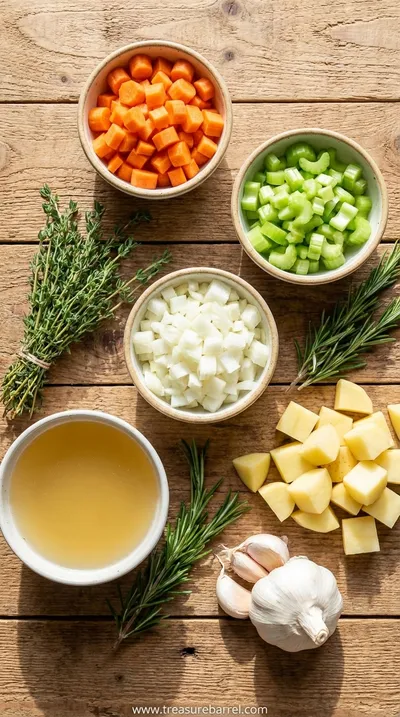
- Aromatics (Onions, Garlic, Celery, Carrots): This holy trinity (or quartet if you count garlic) forms the soul of so many soups. I love the ritual of chopping these—the way the onion makes my eyes water a little, the earthy smell of celery, the sweetness of carrots. Sautéing them gently in olive oil or butter until they're soft and fragrant creates this incredible flavor foundation that makes even the simplest soup taste complex. Don't rush this step! Let them sweat and soften properly—it's where the depth comes from. I always chop extra because, honestly, you can never have too many aromatics in soup.
- Fresh Herbs: Herbs transform soup from good to 'wow, what is that amazing flavor?' Fresh thyme, rosemary, parsley—they each bring their own personality. I love how thyme smells like earthy comfort, while rosemary feels more robust and hearty. Parsley brightens everything up at the end. I grow these in little pots on my windowsill so I always have them handy. Dried herbs work too—just use about half the amount since they're more concentrated. But honestly, there's something special about fresh herbs wilting into hot soup that just feels… right.
 Family Favorites
Meat Lovers Pizza Casserole Recipe
A comforting baked dish that brings pizza night flavors together in one easy casserole.
Complete Cooking Process
-
Preparation:
Getting everything prepped first makes the actual soup-making feel like a calm, meditative process rather than a frantic race. I clear my counter space, pull out my favorite heavy-bottomed pot, and gather all my ingredients. Chopping vegetables becomes this rhythmic, almost therapeutic activity—the steady tap-tap-tap of the knife on the cutting board, the neat piles of diced onions, the carrot coins stacking up. I measure out my broth and spices so everything's within reach. This quiet preparation time is when I decompress from the day, honestly. It's my version of meditation, with better-smelling results.
-
Building Flavor:
This is where the magic happens—laying down flavor foundations layer by layer. I start with warming oil or butter in my pot, listening to that gentle sizzle as I add the aromatics. The kitchen fills with that incredible smell of onions softening, garlic becoming fragrant but not burnt. I stir occasionally, watching everything turn translucent and sweet. Then I add any spices to toast them lightly, which wakes up their flavors beautifully. This stage can't be rushed—it's where depth develops. I love how patient soup-making teaches you to slow down and appreciate the process.
-
Simmering to Perfection:
Once all the ingredients are in the pot and the broth is added, I bring everything to a gentle bubble then reduce to the softest simmer. This is when the transformation happens—flavors meld, vegetables soften, the whole house smells incredible. I put the lid on slightly askew so some steam escapes, and I go about my business while magic happens. I check occasionally, giving it a stir, tasting for seasoning adjustments. That gentle bubbling sound becomes the soundtrack to my afternoon. It's so comforting, knowing dinner is taking care of itself while I read or fold laundry.
-
Taste as you go—soups evolve and your palate is the best guide
-
Don't boil vigorously—a gentle simmer preserves textures and flavors
-
Let it rest before serving—flavors deepen as it cools slightly
Pro Tips
I've learned these lessons through trial and error, honestly. Like that time I boiled my vegetable soup into mush because I got distracted by a phone call. Now I set a timer for gentle reminders to check on my simmering pot. Soup teaches patience, and I'm still learning.
 Warm Meals
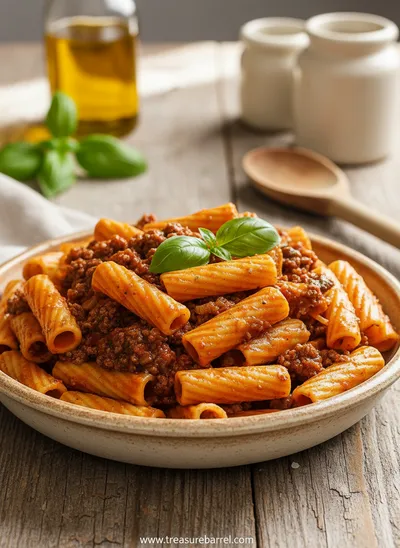
Beef Ragu Pasta Recipe in Tomato Sauce
A rich and hearty pasta dish with slow-cooked beef ragu in a savory tomato sauce.
The Comfort of Soup Season
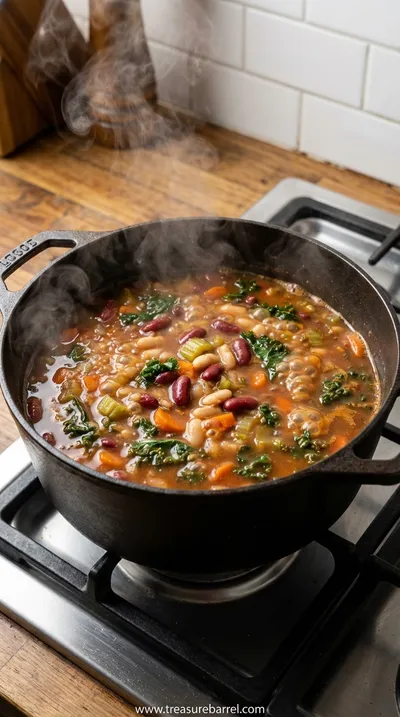
There's a particular kind of light in late afternoon during soup season—that golden hour glow that makes everything feel softer, more nostalgic. It's the perfect time to be in the kitchen, stirring something warming on the stove. I love how soup-making forces you to be present—you can't rush it, you have to wait for flavors to develop, for vegetables to soften, for everything to come together in harmony.
It reminds me of being a kid and coming inside from playing in the cold, my cheeks still stinging, to find my mom with a steaming bowl waiting. That first spoonful would warm me right down to my toes. Now I create that same feeling for my own family, and it connects generations through something as simple as a pot of soup.
You Must Know
-
Soup freezes beautifully—make extra for future comfort
-
Always season at the end—broth reduces and salt intensifies
-
Texture matters—don't overcook vegetables into mush
Frequently Asked Questions
→ Can I freeze these soups?
Absolutely! Most soups freeze beautifully, which is one of my favorite things about them. I freeze in portion-sized containers so I can pull out exactly what I need. Cream-based soups can sometimes separate when thawed, but most broth-based soups freeze perfectly. Just leave a little space at the top of the container for expansion. When you're ready, thaw overnight in the fridge and reheat gently on the stove. It's like having a homemade hug waiting for you on a tough day.
→ How do I make soup thicker or thinner?
Soup consistency is so personal—some like it brothy, some like it stew-like. To thicken, you can blend a portion of the soup and stir it back in, or make a slurry with cornstarch and cold water. To thin it out, just add more broth or water until it reaches your preferred consistency. I often start thicker knowing I can always adjust later. Honestly, I've served everything from almost-stew to practically-broth, and it's always delicious. It's your soup—make it how you like it!
→ What if I don't have fresh herbs?
Don't worry! Dried herbs work perfectly—just use about half the amount since they're more concentrated. Add them earlier in the cooking process so they have time to rehydrate and release their flavors. I keep a well-stocked spice cabinet for exactly this reason. Sometimes I'll use dried herbs for the base flavor and finish with a sprinkle of fresh parsley if I have it. Soup is forgiving—it understands that life happens and fresh herbs aren't always available.
→ Can I make these soups in a slow cooker?
Most of these recipes adapt beautifully to slow cooker cooking. I love throwing everything in the crockpot in the morning and coming home to a house that smells incredible. Just adjust liquid amounts slightly—slow cookers evaporate less liquid than stovetop cooking. And add delicate ingredients like peas or spinach toward the end so they don't overcook. It's such a comforting way to cook—low and slow, letting flavors develop all day while you go about your life.
→ How do I prevent my vegetables from getting mushy?
Timing is everything! Add vegetables according to their cooking times—root vegetables like potatoes and carrots go in early, while delicate greens wait until the end. I also cut vegetables uniformly so they cook evenly. And don't boil vigorously—a gentle simmer is kinder to vegetable textures. I learned this the hard way with zucchini that turned to complete mush. Now I add quick-cooking vegetables in the last 10-15 minutes, and they keep their perfect texture and bright color.
→ What's the best way to reheat soup?
Gentle and slow is the key! I prefer reheating on the stove over low heat, stirring occasionally. If using the microwave, do it in short bursts with stirring in between to avoid hot spots. Sometimes soups thicken in the fridge, so you might need to add a splash of broth or water when reheating. And always taste before serving—a little fresh lemon juice or herbs can brighten up leftover soup beautifully. It's amazing how soup often tastes even better the next day.
→ Can I make these soups vegetarian or vegan?
Absolutely! Most soups adapt easily—use vegetable broth instead of chicken or beef, and skip any meat additions. For creaminess without dairy, coconut milk or blended cashews work wonderfully. I've made vegan versions of many classics for friends, and they're always surprised how satisfying they are. Soup is so versatile—it welcomes all diets and preferences with open arms. Honestly, some of my favorite creations started as 'what do I have that's plant-based?' experiments.
→ What's your favorite soup for a sick day?
Oh, classic chicken noodle soup, but I make it with extra garlic and ginger—it feels like liquid medicine. There's something about the combination of soothing broth, tender chicken, and soft noodles that just makes everything feel better. I add a big squeeze of lemon at the end for brightness. It's the soup equivalent of being tucked into bed with a warm blanket. I've made it for so many loved ones over the years, and it always seems to help, even if just by making someone feel cared for.
Nutrition Facts
per serving
180
Calories
8g
Protein
22g
Carbs
6g
Fat
Taste Profile
Savory, comforting, deeply flavorful
Ingredient Substitutions
Don't have an ingredient? Try these alternatives
Makes recipe vegetarian while maintaining flavor
Gluten-free alternative that adds substance
Recipe Variations
Try these delicious twists on the original
Creamy Version
Add coconut milk or cream for richness
Spicy Twist
Include red pepper flakes or hot sauce for heat
Common Mistakes to Avoid
Learn from others' mistakes for perfect results
- Overcrowding with too many ingredients—simplicity often works best
- Boiling instead of simmering—destroys textures and flavors
- Underseasoning—broth dilutes seasoning, taste at the end
- Adding delicate ingredients too early—they turn to mush
- Not tasting as you go—seasoning needs adjustment throughout
Meal Prep & Storage
Make Ahead Tips
Soup is the ultimate make-ahead meal. You can chop vegetables a day in advance and store them in airtight containers in the refrigerator. The complete soup often tastes even better after resting overnight as flavors meld together beautifully. For busy weeks, I often make a double batch on Sunday and have lunches ready for days. Some components freeze particularly well—like pre-chopped mirepoix (onions, carrots, celery) or homemade broth. Having these basics ready means soup can come together in minutes on a weeknight. It's one of those kitchen habits that pays off repeatedly, making wholesome meals accessible even on your busiest days.
Leftover Ideas
Leftover soup is like a gift from past-you to future-you. Store in portion-sized containers for easy reheating. The flavors often improve overnight as ingredients continue to marry. When reheating, add a splash of water or broth if it's thickened too much. Get creative with leftovers—turn thick soup into a sauce over grains, or blend smooth soups for a different texture. Some soups even make great pasta sauces or baking liquid for grains. I love how versatile soup remains, even as leftovers. It's the gift that keeps on giving.
Perfect Pairings
Serve this with...
Cooking Timeline
Prep all ingredients—chopping vegetables, measuring broth
Sauté aromatics and build flavor foundation
Simmer soup with longer-cooking ingredients
Add quick-cooking elements, adjust seasoning, serve


27 Insanely Good Soup Recipes: Homemade Comfort
Warm up with 27 homemade soup recipes perfect for cold weather. Comforting bowls that hug your soul.
Timing
Prep Time
20 Minutes
Cook Time
45 Minutes
Total Time
65 Minutes
Recipe Details
Ingredients
Soup Base
-
01
2 tbsp olive oil or butter
-
02
1 large onion, diced
-
03
3 cloves garlic, minced
-
04
2 carrots, chopped
-
05
2 celery stalks, chopped
-
06
8 cups chicken or vegetable broth
-
07
1 tsp salt (or to taste)
-
08
½ tsp black pepper
Variation Add-ins
-
01
2 cups chopped vegetables (potatoes, squash, etc.)
-
02
1 cup cooked beans or lentils
-
03
1 cup pasta or rice
-
04
Fresh herbs (thyme, parsley, etc.)
-
05
Protein (chicken, beef sausage, etc.)
Instructions
Start by prepping all your ingredients—this makes the cooking process feel so much calmer. Chop your onion, mince the garlic, dice the carrots and celery into similar-sized pieces. I love this prep time—it's like meditation with a knife. Gather your broth and seasonings so everything is within reach. Having everything ready means you can focus on the cooking rather than scrambling. Honestly, this organization step saves me from so many kitchen disasters. It's the difference between chaotic cooking and peaceful creating.
Heat the oil or butter in your largest soup pot over medium heat. When it shimmers, add the onions, carrots, and celery. Sauté them gently until they start to soften and smell incredible—about 5-7 minutes. Don't rush this! This is where flavor foundations are built. I love watching the onions turn translucent and the carrots brighten slightly. Add the garlic last and cook for just a minute until fragrant—garlic burns easily and turns bitter. This stage smells like every good memory I have of my grandmother's kitchen.
Now add your broth and any harder vegetables that need longer cooking time (like potatoes or winter squash). Bring everything to a gentle boil, then reduce to a simmer. This is when the magic starts—flavors begin to meld and the kitchen fills with that incredible soup aroma. Let it bubble away gently for about 20-30 minutes, until vegetables are tender but not mushy. I put the lid on slightly askew and let it do its thing while I tidy up or read a book. That gentle simmering sound is so comforting.
Add any quick-cooking ingredients now—beans, pasta, rice, or pre-cooked protein. Simmer for another 10-15 minutes until everything is heated through and pasta/rice is cooked. Taste and adjust seasoning—this is crucial! Broth reduces and flavors concentrate, so you might need more salt or pepper. Finish with fresh herbs right before serving. I love how a handful of chopped parsley brightens everything up. Ladle into bowls and serve warm, maybe with some crusty bread on the side for dipping.
Notes & Tips
-
1
Soup is wonderfully adaptable—use what you have! Don't stress about exact measurements.
-
2
Leftover soup often tastes better the next day as flavors continue to develop.
-
3
Freeze portions for future easy meals—your future self will thank you.
-
4
Don't overcrowd with too many ingredients—sometimes simple is best.
-
5
Taste as you go—your palate is the best guide for seasoning.

Tools You'll Need
-
Large heavy-bottomed soup pot
-
Wooden spoon for stirring
-
Sharp chef's knife
-
Cutting board
-
Ladle for serving
-
Measuring cups and spoons
Must-Know Tips
-
Don't boil aggressively - Gentle simmering preserves textures and flavors
-
Taste before serving - Broth reduces and salt intensifies as it cooks
-
Cut vegetables uniformly - Ensures even cooking throughout the soup
Professional Secrets
-
Sweat aromatics slowly - Builds deep flavor foundation
-
Deglaze the pot - Scrape up browned bits for extra flavor
-
Finish with fresh herbs - Brightens flavors right before serving

Recipe by
Amelia RoseAmelia cooks hearty meals 🥘🔥, sharing warmth 💛 and cozy evenings 🕯️🍲. Every dish she makes is full of love ❤️ and family laughter 👩👩👧👦🍛.
Get Delicious Recipes Weekly
Join 25,000+ home cooks getting our best recipes straight to their inbox.
Free forever • No spam • Unsubscribe anytime