Afang Soup With Eba - Authentic Nigerian Recipe
Traditional Nigerian Afang soup paired with smooth eba - a hearty West African comfort food that warms you from the inside out.
- Amelia Rose
- Warm Meals
- January 12, 2026
- 4 min read
- Updated November 5, 2026
- Total time
- 1 h 5 min
- Servings
- 6 Servings
- Difficulty:
- Medium
Table of contents
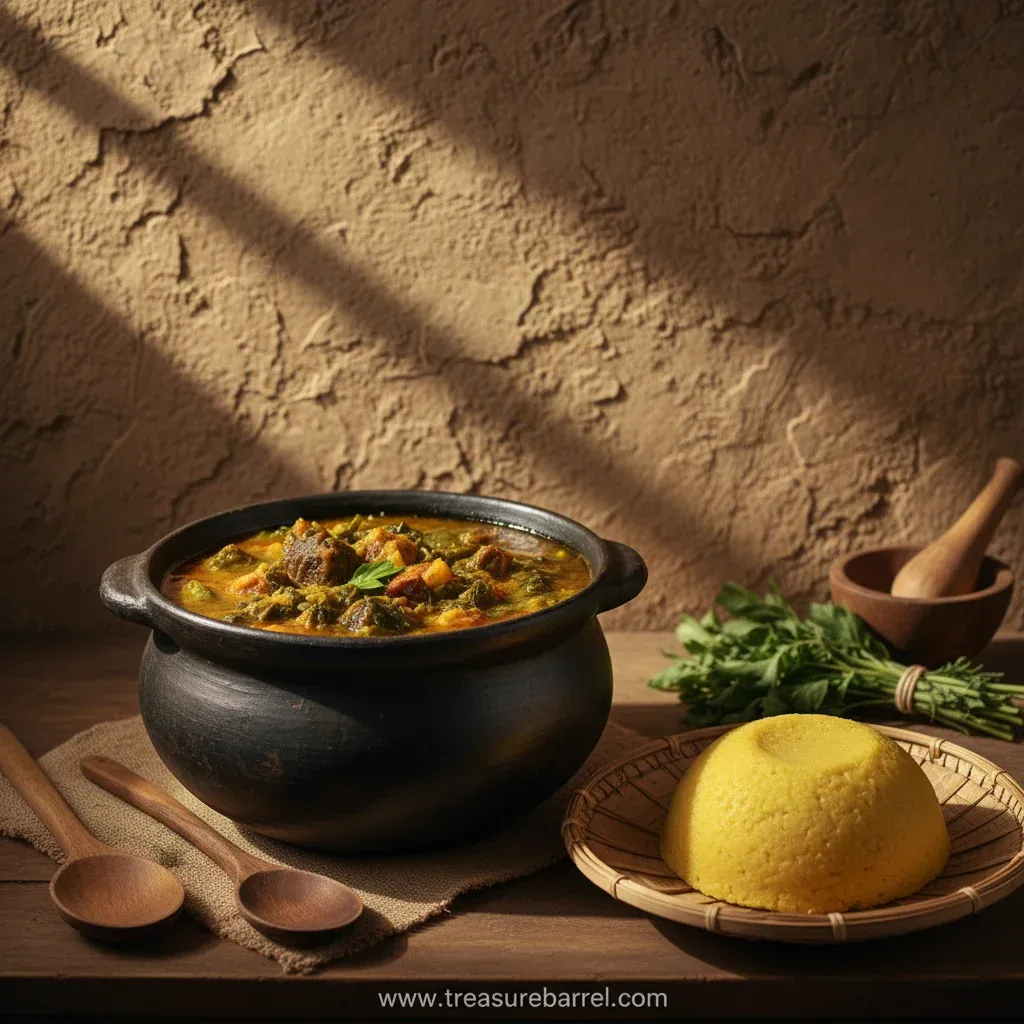
You know, there's something about stirring a pot of Afang soup that just feels right. The earthy scent of the greens filling the kitchen, the gentle simmering sound, the way it thickens just so. It's one of those dishes that makes you feel grounded. I remember watching my aunt make this when I was young - she'd always say the secret was in the patience, not rushing the leaves.
The essence of the dish
What makes Afang soup so special is how the wild greens and seasonings come together to create something greater than the sum of their parts. It's humble ingredients transformed into a meal that feels both nourishing and celebratory.
A fun fact or historical angle
In traditional Nigerian culture, Afang soup was often prepared by groups of women working together, pounding the greens and sharing stories as they cooked - making the meal itself a community experience.
Flavor or sensory focus
The first thing you'll notice is the earthy aroma of the greens, followed by the rich savory notes from the seasonings. The texture is wonderfully complex - slightly thick but not heavy, with the vegetables maintaining their individual character.
You Must Know
- Always wash greens thoroughly to remove any grit - nobody wants sandy soup
- The soup thickens as it cooks naturally from the greens - no flour needed
- Traditional recipes vary by region - this is how my family has always made it
- Leftovers reheat beautifully, often tasting even better the next day
I remember the first time I made this soup completely on my own. I was so nervous about getting the greens right, about making sure I honored the tradition properly. But you know what? The recipe remembers more than we do sometimes. The ingredients know how they're supposed to come together. You just have to trust them, and trust your own hands. That's the beauty of these traditional dishes - they carry the wisdom of all the cooks who came before us. And serving it with eba, that smooth, comforting swallow food... it just completes the experience. It's like they were always meant to be together, these two elements from the same culinary tradition.
The story behind it
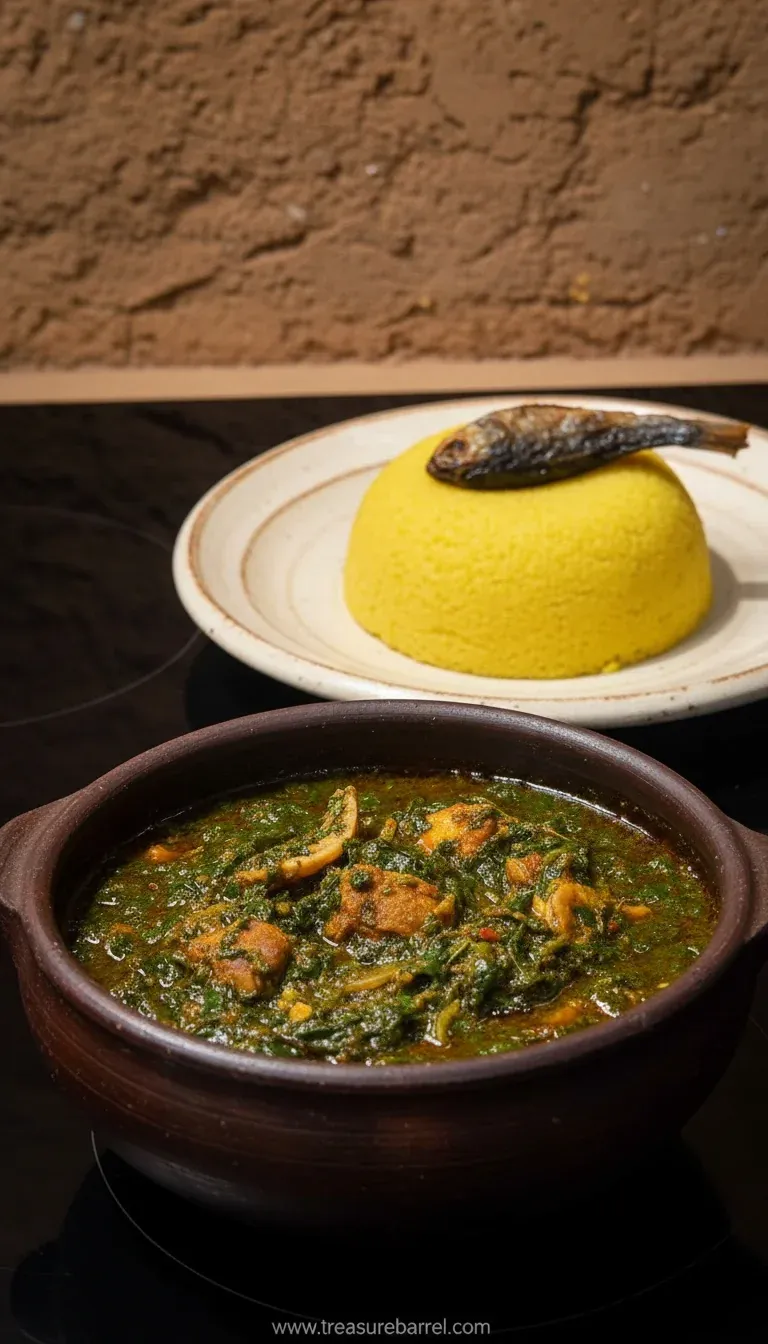
Afang soup originates from the Efik and Ibibio people of Nigeria's coastal regions, where the lush vegetation provides an abundance of wild greens. Historically, it was a celebratory dish prepared during important gatherings and family events. The combination of wild spinach leaves with waterleaf creates a unique texture and flavor that has been passed down through generations. Traditionally pounded by hand with a mortar and pestle, the greens release their natural thickening properties that give the soup its distinctive consistency. This dish represents the rich culinary heritage of Southern Nigeria, where community and sharing meals are deeply valued traditions.
Why You'll Love It
- The deep, earthy flavors from the fresh greens create a comforting warmth
- Perfect balance of textures between the tender vegetables and smooth eba
- Nourishing yet satisfying - packed with vitamins and traditional goodness
- Makes you feel connected to generations of Nigerian cooking traditions
Tips for success
- Don't overcrowd the pot with greens - cook in batches if necessary for even cooking
- Let the soup rest for 10 minutes after cooking - allows flavors to meld perfectly
- Taste as you go - seasoning preferences vary so adjust to your liking
Professional secrets
- Room temperature greens cook more evenly than冷藏 ones
- Medium heat works best - too high and the greens can become bitter
- The final stir before serving incorporates all the layers of flavor
Common mistakes to avoid
- Overcooking the greens until they lose all texture and become mushy
- Adding too much water initially - the greens release moisture as they cook
- Not tasting and adjusting seasoning throughout the cooking process
Substitutions
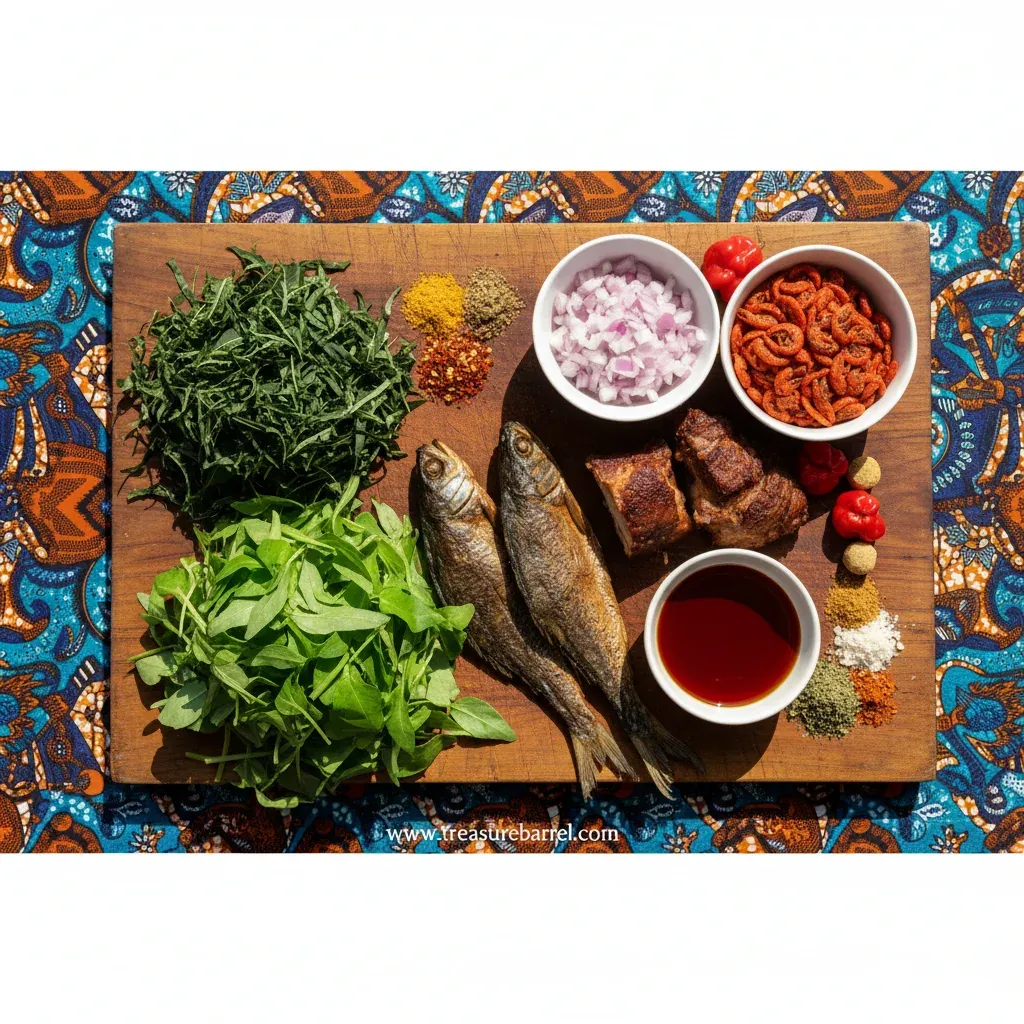
- Afang leaves: Spinach with kale mixture. Use 3 cups spinach and 1 cup kale for similar texture and flavor profile
- Palm oil: Red palm oil or blend with vegetable oil. Authentic flavor may vary but will still be delicious
Variations
- Seafood Version: Add shrimp, fish, and periwinkle for a coastal twist that highlights Nigeria's abundant seafood traditions
- Extra Vegetable Boost: Include pumpkin leaves or bitter leaf for additional layers of flavor and nutritional benefits
Storage
Store leftover soup in an airtight container in the refrigerator for up to 4 days. Reheat gently on the stovetop with a splash of water if needed.
Make ahead
You can chop the greens a day in advance and store them in the refrigerator. The soup itself actually improves when made a day ahead, allowing flavors to develop fully.
Leftovers
Reheat gently on the stovetop with a splash of water or broth. The greens may darken slightly but the flavor will be even better the next day.
Serving ideas
- Serve in traditional Nigerian soup bowls with eba molded into neat balls
- Accompany with chilled drinks to balance the warmth and spice
- Offer additional peppers on the side for those who like extra heat
- Garnish with fresh herbs for a pop of color and freshness
Allergy information
Contains shellfish (crayfish). Can be made shellfish-free by omitting crayfish and using additional seasonings.
Afang Soup With Eba - Authentic Nigerian Recipe
Traditional Nigerian Afang soup paired with smooth eba - a hearty West African comfort food that warms you from the inside out.
- Prep time
- 25 min
- Cook time
- 40 min
- Total time
- 1 h 5 min
- Difficulty
- Medium
- Cuisine
- Nigerian
- Course
- Main Course
Ingredients
For the Soup
For the Eba
Instructions
- 1
Start by preparing your greens. Wash the Afang leaves and waterleaf thoroughly, then chop them finely. I usually do this by hand because, honestly, there's something therapeutic about the rhythmic chopping. Set them aside separately.
- 2
Heat the palm oil in a large pot over medium heat. Add the chopped onions and sauté until they're translucent and fragrant. That smell... it always takes me back to my grandmother's kitchen. Add the sliced beef sausage and cook for about 5 minutes until slightly browned.
- 3
Stir in the ground crayfish and crushed stock cubes. Let them cook for another minute until the aromas blend together beautifully. Then add the chopped Scotch bonnet peppers - be careful with these, they pack some heat!
- 4
Pour in your stock and bring everything to a gentle boil. Add the waterleaf first and let it cook for about 10 minutes until it softens and the soup begins to thicken slightly from the natural juices.
- 5
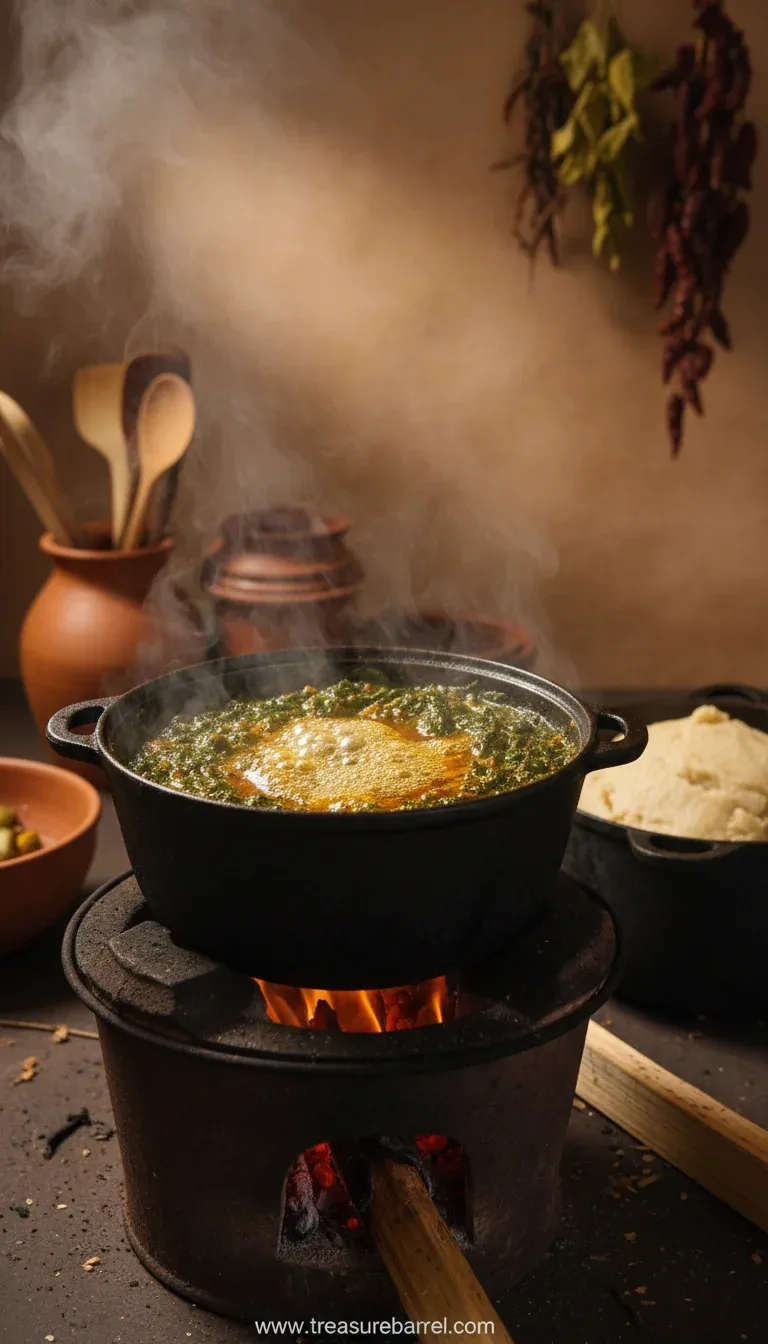
Now add the Afang leaves and reduce the heat to low. Let it simmer uncovered for another 15-20 minutes. This is when the magic really happens - the greens release their earthy flavors and the soup develops its characteristic thickness.
- 6
While the soup simmers, prepare the eba. Bring water to a boil in a separate pot. Gradually add the garri while stirring constantly with a wooden spoon. Keep stirring until it forms a smooth, lump-free dough. It should be pliable but not sticky.
- 7
Taste the soup and adjust seasoning with salt if needed. The greens should be tender but still have some texture. Serve the Afang soup hot with balls of warm eba on the side.
Nutrition per serving
- 320 kcal
- Calories
- 15 g
- Protein
- 25 g
- Carbs
- 18 g
- Fat
Tips & notes
- The soup thickens as it cools, so you might need to add a little warm water when reheating leftovers - Traditional recipes often include periwinkle or dry fish - feel free to add these if you like - Leftover soup freezes well for up to 3 months
Frequently asked questions
Can I use frozen greens for Afang soup?
You can, but fresh is always better if available. Frozen greens tend to release more water and can make the soup thinner. If using frozen, reduce the cooking liquid slightly and extend the simmering time to allow excess moisture to evaporate.
What's the best way to prepare the eba?
Start with boiling water and gradually add the garri while stirring constantly with a wooden spoon. The key is to mix quickly to avoid lumps and achieve that smooth, pliable consistency that's perfect for scooping up the soup.
How do I know when the soup is ready?
The greens should be tender but still have some texture, and the soup should have thickened slightly from the natural pectin in the leaves. It should coat the back of a spoon without being overly thick or starchy.
Can I make this soup vegetarian?
Absolutely! Omit the meat and use vegetable stock instead. You might want to add some mushrooms or extra seasonings to boost the umami flavor that the meat usually provides.
How long does Afang soup keep in the refrigerator?
It keeps well for 3-4 days when stored properly in an airtight container. The flavors actually deepen and improve overnight, making leftovers something to look forward to.
What if I can't find authentic Afang leaves?
Fresh spinach mixed with kale or collard greens makes a good substitute. The flavor won't be exactly the same, but you'll still get a delicious, nutritious green soup that captures the spirit of the dish.