Banga Soup (Niger-Delta Way)
A hearty Niger‑Delta palm‑fruit soup brimming with smoky fish, tender meat, and warm spices.
- Amelia Rose
- Warm Meals
- February 3, 2026
- 3 min read
- Updated November 5, 2026
- Total time
- 1 h 5 min
- Servings
- 4 Servings
- Difficulty:
- Medium
Table of contents
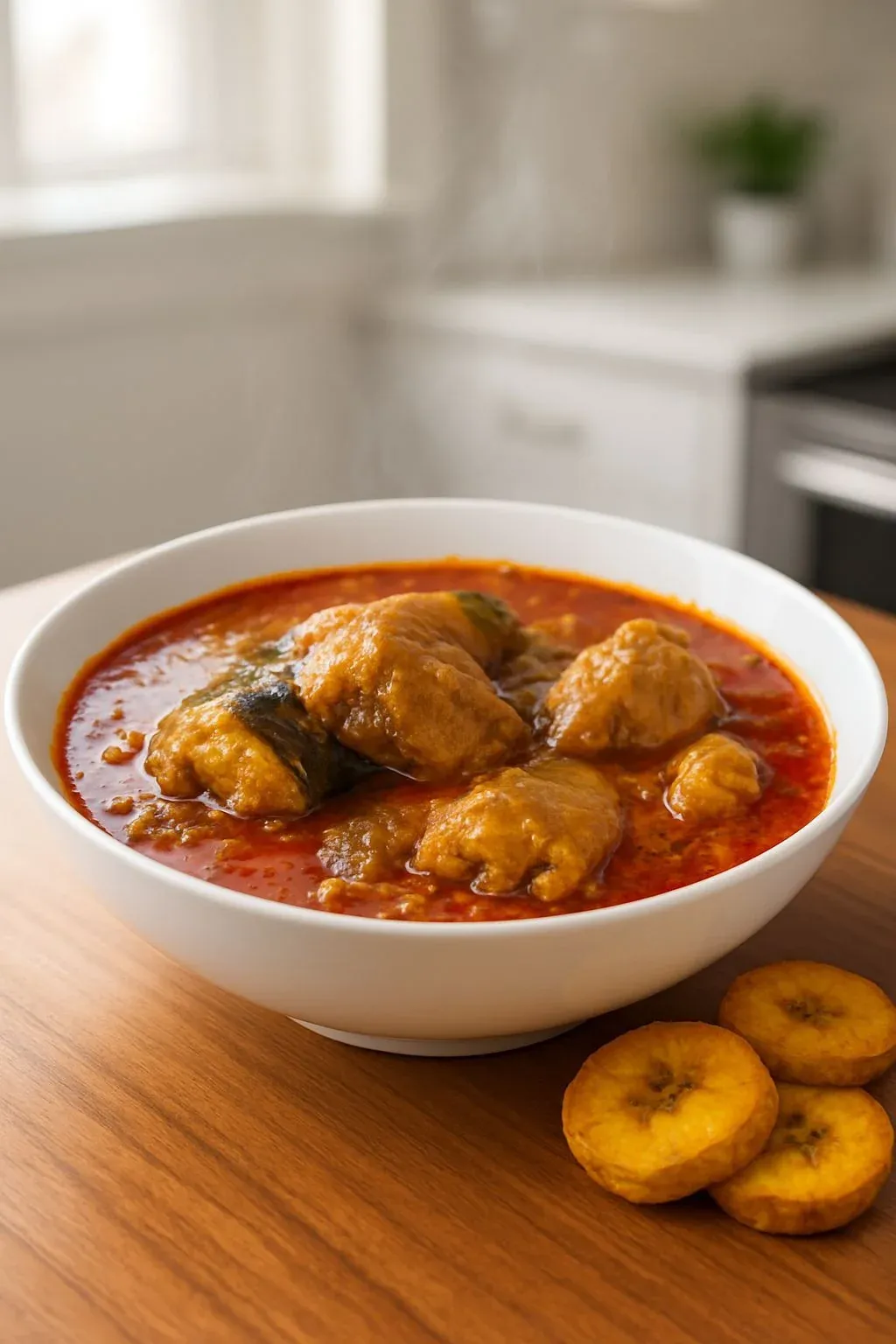
I remember the first time I tasted Banga Soup at a riverside gathering; the scent of simmering palm oil wrapped around us like a soft blanket. The broth, thick and amber, seemed to hold stories of generations. Honestly, it’s the kind of dish that whispers, “stay a while,” and you do.
If you love the complex layers of afang soup, you’ll feel right at home with this one.
The essence of the dish
A silky palm‑oil broth, smoky fish, and tender meat combine to create a comforting, umami‑rich experience that feels like home.
A fun fact or historical angle
In traditional Niger‑Delta culture, Banga Soup was once reserved for important ceremonies, symbolizing abundance and community.
Flavor or sensory focus
Expect a buttery mouthfeel, subtle heat from chili, and a faint smokiness that lingers pleasantly on the palate.
You Must Know
- Palm fruit is the heart of the soup.
- Smoked fish adds depth without overpowering.
- Uziza leaves give a fresh herbaceous finish.
When you’ve mastered these core elements, the soup becomes a canvas for personal touches—whether you stir in extra vegetables or swap the meat. It’s a recipe that grows with you, rewarding patience with each simmer. So enjoy the process, and let the flavors unfold at their own gentle pace.
The story behind it
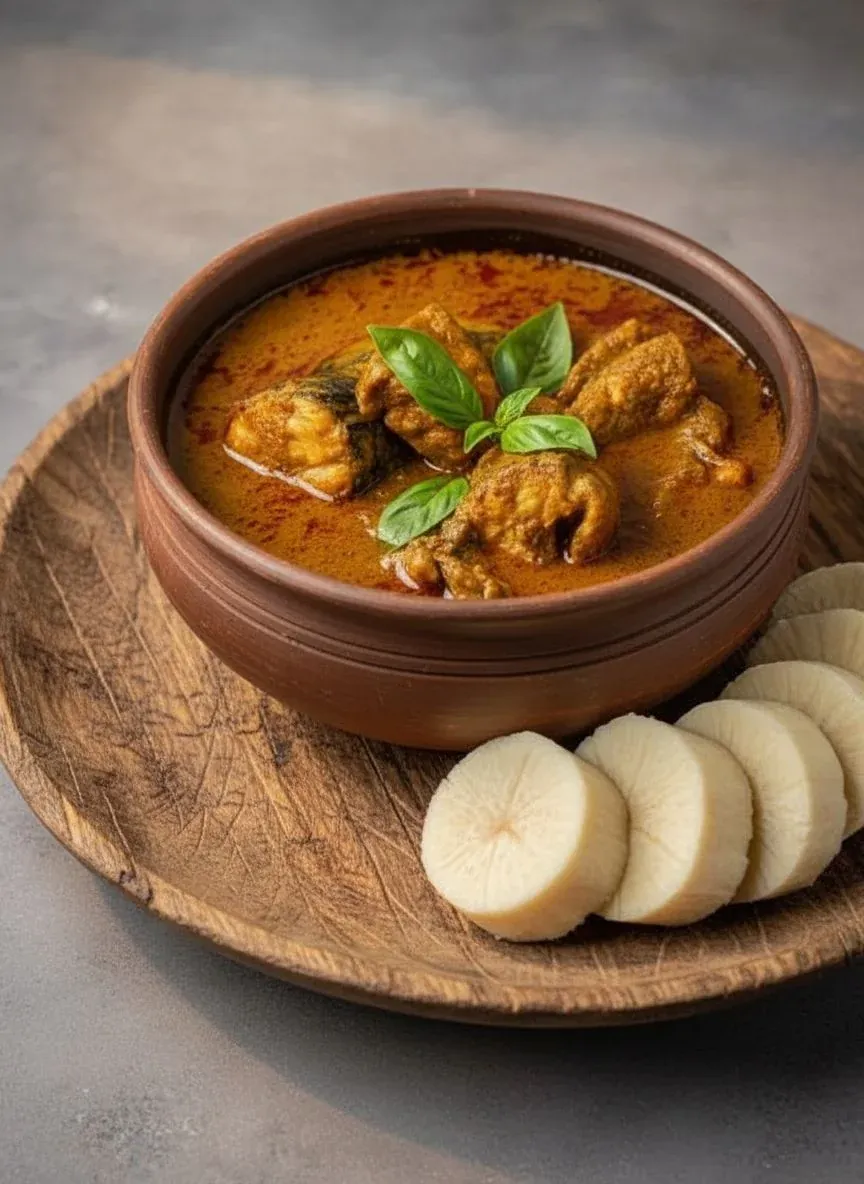
Banga Soup originates from the Niger‑Delta region of Nigeria, where palm fruit is abundant and forms the heart of many celebrated dishes. Historically, it was prepared for communal celebrations and funeral rites, its rich aroma signaling unity and respect. The soup’s signature palm‑oil base provides a distinctive, buttery richness that has become emblematic of the area’s culinary identity. Over centuries, cooks have refined the balance of smoked fish, fresh meat, and fragrant spices, creating a dish that is both robust and comforting.
Why You'll Love It
- Deep, buttery palm‑fruit broth
- Simple steps, big flavor payoff
- Versatile: pairs with fufu, rice, or yams
- Celebrates authentic Niger‑Delta heritage
Tips for success
- Don’t over‑cook the fish; it can become dry.
- Add periwinkles at the end to keep them tender.
- Taste and adjust seasoning just before serving.
Professional secrets
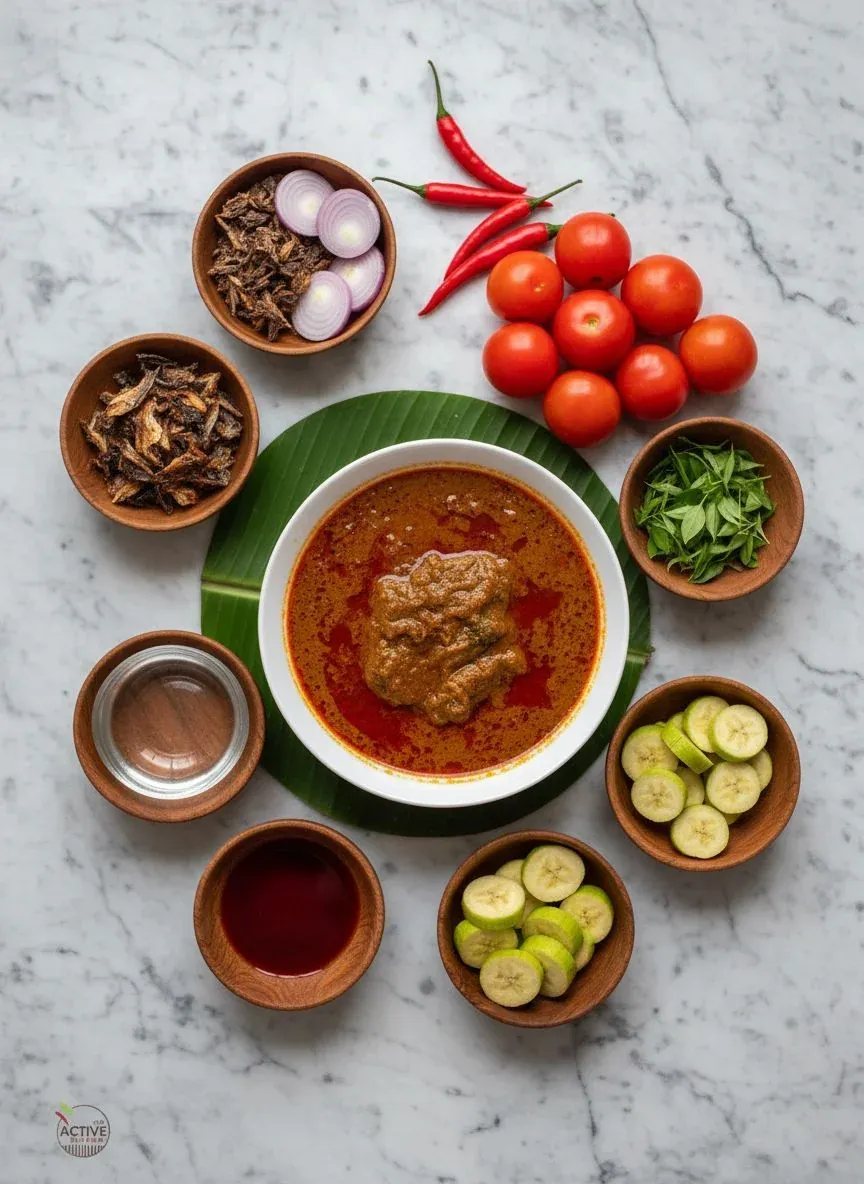
- Use fresh palm fruit or high‑quality concentrate for authentic flavor.
- Brown the meat quickly to lock in juices.
- Skim the broth early to maintain a clear, glossy appearance.
Common mistakes to avoid
- Over‑cooking the fish, causing it to fall apart.
- Adding palm concentrate too early, which can make the broth grainy.
- Neglecting to skim foam, resulting in a cloudy broth.
Substitutions
- Beef stew meat: Lamb shoulder or firm tofu. Adjust cooking time for tofu – fry briefly before adding to preserve texture.
- Calabash nut powder: Ground peanuts. Provides a similar nutty depth; use sparingly to avoid overpowering.
Variations
- Spicy Version: Add extra chopped Scotch bonnet peppers and a dash of cayenne for a bold kick.
- Vegetarian Style: Replace meat and fish with mushrooms and hearty vegetables like okra and pumpkin.
Storage
Cool to room temperature, then store in an airtight container in the refrigerator for up to 3 days.
Make ahead
Marinate the beef in a little lime juice and salt for up to 12 hours; the flavors will deepen and the meat stay tender.
Leftovers
Reheat gently on low heat, adding a splash of water if the broth has thickened too much.
Serving ideas
- Serve over steamed rice for a balanced meal.
- Pair with a side of sautéed greens like bitterleaf.
- Garnish with fresh uziza leaves and a wedge of lime.
- Accompany with a crisp white wine for contrast.
Allergy information
Contains fish and shellfish (periwinkles). May contain traces of nuts from Calabash nut.
Banga Soup (Niger-Delta Way)
A hearty Niger‑Delta palm‑fruit soup brimming with smoky fish, tender meat, and warm spices.
- Prep time
- 20 min
- Cook time
- 45 min
- Total time
- 1 h 5 min
- Difficulty
- Medium
- Cuisine
- Nigerian
- Course
- Main Course
Ingredients
Main Ingredients
For Garnish
Instructions
- 1
Rinse the smoked fish, then set aside. Soak the palm‑fruit concentrate in warm water for 5 minutes, stirring until it separates into oily broth and fibrous pulp.
- 2
In a large pot, heat a splash of the palm oil, sauté the chopped onion until translucent, then add the uziza leaves, Calabash nut, and chili powder; stir for a minute until fragrant.
- 3
Add the beef cubes and brown them lightly, allowing the meat to absorb the spices. Then fold in the smoked fish, letting it release its smoke‑infused oils.
- 4
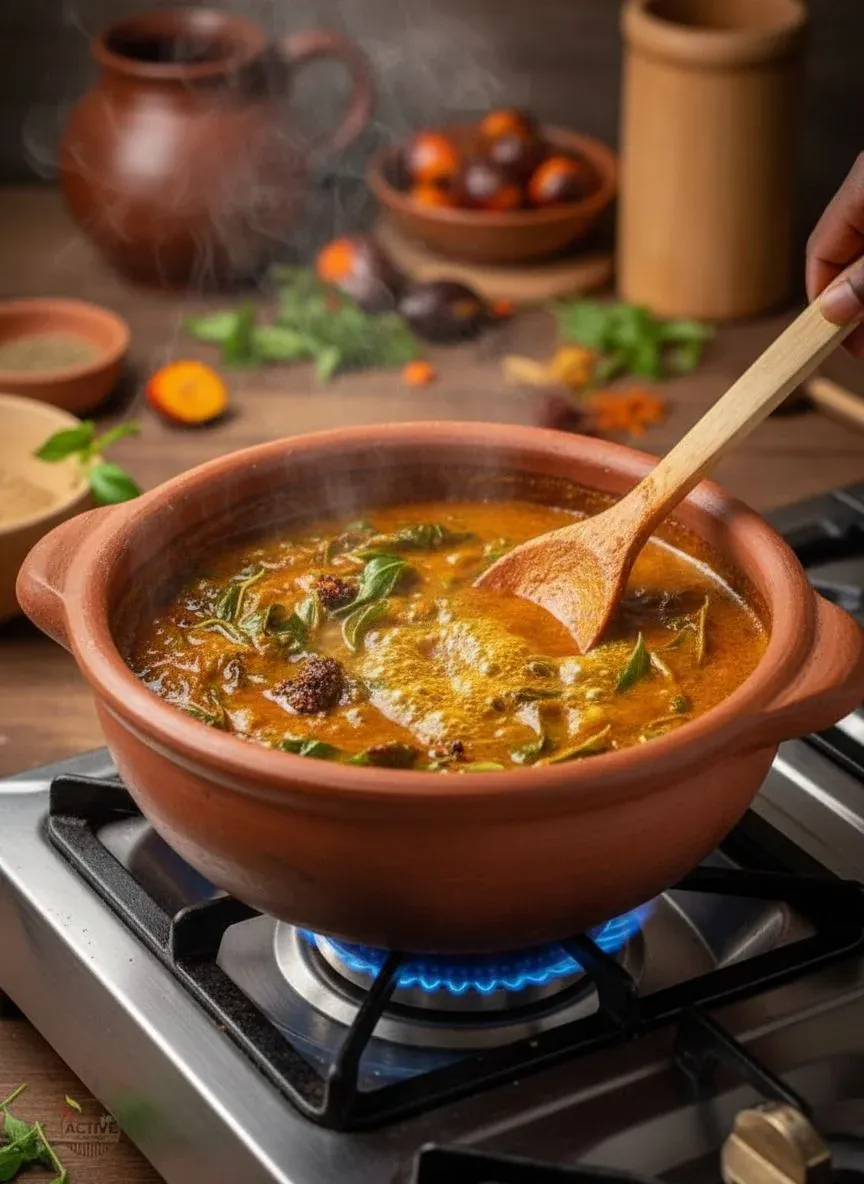
Pour in the prepared palm‑fruit broth, bring to a gentle boil, then reduce heat and simmer for 30‑35 minutes, or until the meat is tender and the broth thickens.
- 5
Stir in the lime juice, adjust salt, and add periwinkles if using; simmer another 5 minutes. Finish with a handful of fresh uziza leaves.
Nutrition per serving
- 420 kcal
- Calories
- 30 g
- Protein
- 10 g
- Carbs
- 28 g
- Fat
Tips & notes
- Skim any foam that rises to keep the broth clear. - For a richer texture, let the soup rest covered for 10 minutes before serving. - If the broth is too thick, add a little water or stock to reach desired consistency.
Frequently asked questions
Can I use frozen palm‑fruit concentrate?
Yes, just let it thaw completely and stir well to break up any lumps before adding to the pot.
What if I don’t have smoked fish?
A small amount of smoked paprika can mimic the flavor, or you can use fresh fish and add a dash of liquid smoke.
Is Banga Soup spicy?
It has a mild heat from chili powder; adjust to taste by adding more or less.
Can I make this soup vegetarian?
Replace the meat and fish with mushrooms and add extra vegetables; keep the palm‑fruit base for authenticity.
How long can leftovers be stored?
Refrigerate in an airtight container for up to 3 days; reheat gently to preserve the texture.
What side dishes pair best?
Fufu, pounded yam, or steamed rice are traditional; a simple cucumber salad adds a refreshing contrast.