
I remember my grandmother’s garden, the way the late afternoon sun would warm the big terra-cotta pots filled with basil. She’d send me out with a small basket to pick the leaves, telling me to choose the brightest green ones and to leave the small ones to grow. The air would be thick with that peppery, sweet scent. Back in her kitchen, she had this old, heavy mortar and pestle, and she’d let me help crush the garlic and pine nuts. The rhythmic sound, the slow transformation of ingredients—it felt so intentional. Now, I use a food processor, which feels a little like cheating, but the smell that fills my kitchen when I pop the lid off is exactly the same. It takes me right back to that peaceful, sunny afternoon. It’s one of those family favorites that isn't just about the taste, but about the memory and the making of it.
Why You'll Love This Pesto
-
Incredibly Fresh Flavor: There's simply no comparison between homemade pesto and the kind you buy in a jar. The brightness of the fresh basil, the sharp bite of garlic, and the nutty depth of good cheese—it's a completely different experience. You can taste every single ingredient, and it's just so alive and vibrant.
-
Wonderfully Versatile: Pesto is so much more than a pasta sauce! I love swirling it into soups, spreading it on sandwiches, or using it as a base for our homemade pizza nights. It's also incredible spooned over grilled chicken or fish. It’s one of those secret-weapon ingredients that elevates everything it touches.
-
Ready in 10 Minutes: Honestly, this is the best part for busy days. You can have a jar of stunning, delicious pesto ready in less time than it takes to boil water for pasta. It's the ultimate in quick comfort food, offering a huge flavor payoff for very little effort.
-
A Feast for the Senses: I mean, just look at that color! The brilliant, almost glowing green is so beautiful. And the aroma that fills your kitchen while you're making it is just heavenly. It’s a recipe that engages you completely—the sight, the smell, the incredible taste. It's a joy to make.
Honestly, this pesto is liquid gold. I put it on everything, and it makes me feel like a real cook.
Essential Ingredient Guide
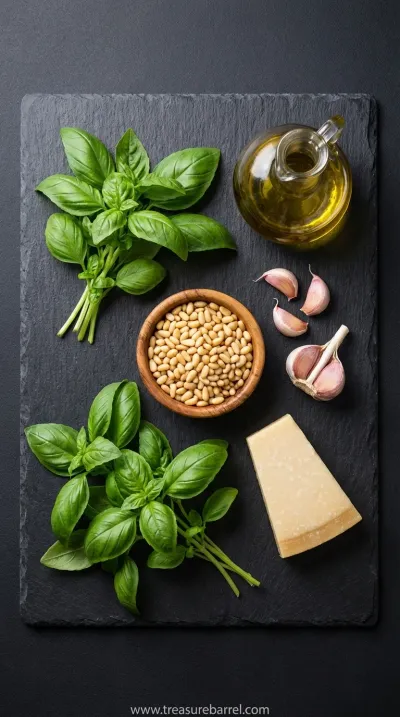
- Fresh Basil: This is the heart and soul of the recipe, so you want to get the best you can find. Look for big, vibrant green leaves that aren't wilted or bruised. Genovese basil is classic, but any sweet basil will work beautifully. The aroma should be strong and sweet with a hint of pepper. If you have a little plant on your windowsill, this is its moment to shine! Don't be shy with the quantity; it looks like a lot, but it blends down significantly.
- Pine Nuts: Oh, the buttery richness of pine nuts. They give pesto its signature creamy texture and subtle, nutty flavor. I always, always toast them lightly in a dry skillet before using them. It only takes a couple of minutes, but it awakens their oils and makes a world of difference in the final taste. Just watch them like a hawk, as they can go from perfectly golden to burnt in a blink. Seriously, don't walk away from the pan!
- Parmigiano-Reggiano: Please, if you can, use a real wedge of Parmigiano-Reggiano and grate it yourself. The pre-grated kind often has anti-caking agents that can make your pesto a bit gritty and dull the flavor. The real stuff has a salty, nutty, crystalline complexity that melts beautifully into the sauce, making it savory and utterly addictive. It's an investment, but a little goes a long way in providing unparalleled flavor.
- Good Olive Oil: Because this is a raw sauce, the flavor of your olive oil will be very prominent. This is the time to use a good-quality extra-virgin olive oil—one that you would enjoy dipping bread into. It should taste fruity, maybe a little peppery, and fresh. The oil is what brings everything together, creating that smooth, emulsified texture, so its quality is just as important as the basil.

Complete Cooking Process
-
Preparation:
First, I like to lay everything out on the counter. It feels like setting up a painter's palette. Wash and carefully dry your basil leaves—water is the enemy of a good pesto. Grate your beautiful wedge of cheese, mince the garlic, and give those pine nuts a gentle toast in a dry pan until they smell nutty and amazing. This little ritual of preparation is so calming for me. It’s the quiet beginning, where the kitchen starts to fill with the most wonderful smells, promising something delicious is on its way. It's the foundation for all those warm meals we love.
-
Blending:
Now for the magic. Place the basil, toasted pine nuts, and garlic into your food processor. I like to pulse it a few times just to get everything roughly chopped and combined. Then, with the machine running, I slowly, slowly stream in the olive oil. This is the most important part for getting that creamy, luscious texture. You can literally watch it transform from a pile of leaves into a smooth, vibrant green paste. It's so satisfying to see it come together right before your eyes. Wow, that color is just everything.
-
Finishing:
Once the pesto is smooth, I scrape it all into a bowl. I always stir in the grated cheese by hand at the very end. I find that putting the cheese in the food processor can sometimes make the pesto a little heavy or pasty. Folding it in gently keeps the texture lighter. This is when you give it a taste. Does it need a pinch more salt? A crack of black pepper? It's your creation, so adjust it until it makes you close your eyes and smile. That's when you know it's perfect.
 Rustic Bites
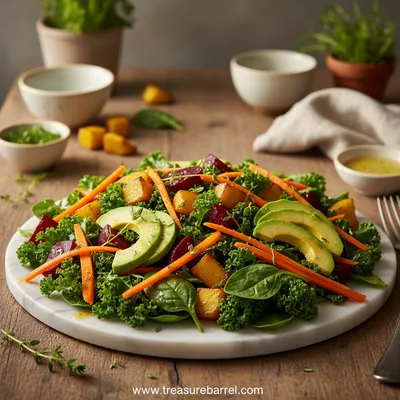
Harvest Salad with Lemon Thyme Dressing
Crisp seasonal greens meet a zesty lemon‑thyme dressing in this comforting harvest salad.
Frequently Asked Questions
→ Why did my pesto turn out bitter?
Oh, that's a common issue, and it can be so disappointing! There are a couple of culprits. Sometimes, over-processing the basil leaves can bruise them and release bitter compounds. Another reason could be the olive oil; some extra virgin olive oils can turn bitter when processed at high speeds. Try pulsing the ingredients and adding a milder, less peppery oil. Also, make sure the center germ of your garlic cloves is removed, as it can sometimes add bitterness.
→ Can I make pesto without a food processor?
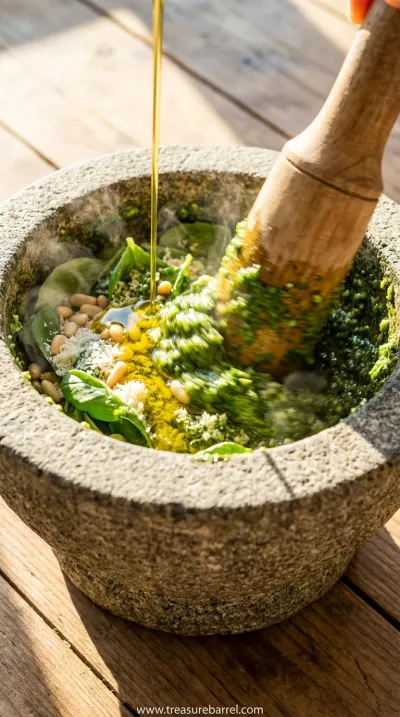
Absolutely! The traditional way is with a mortar and pestle, which creates a beautiful, rustic texture. It takes a bit more elbow grease but is a really lovely, mindful process. If you don't have one, a high-powered blender can also work. You may need to stop and scrape down the sides more often, and you might need to add the oil a bit faster to get things moving. The result will still be delicious.
→ What's the best way to store homemade pesto?
To keep that gorgeous green color, you want to prevent oxidation. The best way is to put the pesto in a jar or airtight container and pour a thin layer of olive oil over the top. This creates a seal that keeps the air out. It will last in the refrigerator for about a week this way. For longer storage, you can freeze it! I like to spoon pesto into ice cube trays, freeze them, and then pop the frozen cubes into a freezer bag for perfect single servings.
→ Can I use different nuts or herbs?
Yes, please do! That's the fun of cooking. Walnuts are a classic substitute for pine nuts and give a slightly more earthy flavor. Toasted almonds or even shelled pistachios are also wonderful. You can also play with the herbs. Try swapping half the basil for fresh parsley or spinach for a milder flavor, or add a handful of arugula for a peppery kick. Each variation is a little different and just as lovely.
→ My pesto seems too thick. How can I thin it out?
That's an easy fix! You can simply drizzle in a little more olive oil while the processor is running until it reaches a consistency you love. If you're about to toss it with pasta, you can also add a tablespoon or two of the starchy pasta cooking water. The hot, salty water helps the pesto cling to the noodles and creates a wonderfully creamy sauce without adding extra oil.
→ Is it okay to use pre-grated Parmesan cheese?
Honestly, I really encourage you to grate your own from a block. The pre-grated cheeses in bags often contain additives like cellulose to prevent clumping, which can give your pesto a slightly gritty texture and a less vibrant flavor. Grating your own Parmigiano-Reggiano or Pecorino Romano ensures the purest, nuttiest, and saltiest flavor, and it melts into the sauce so much more smoothly. It’s a small step that makes a huge difference.
→ How much pesto should I use for a pound of pasta?
A good rule of thumb is to start with about 1/2 to 3/4 of a cup of pesto for one pound of cooked pasta. The key is to add the pesto to the drained pasta in a bowl, not in the hot pan. Then, add a splash of the hot pasta water and stir everything together. The starchy water helps create a creamy sauce that coats every piece of pasta perfectly. You can always add more pesto if you like a stronger flavor!
Nutrition Facts
per serving
180
Calories
4g
Protein
2g
Carbs
18g
Fat
Taste Profile
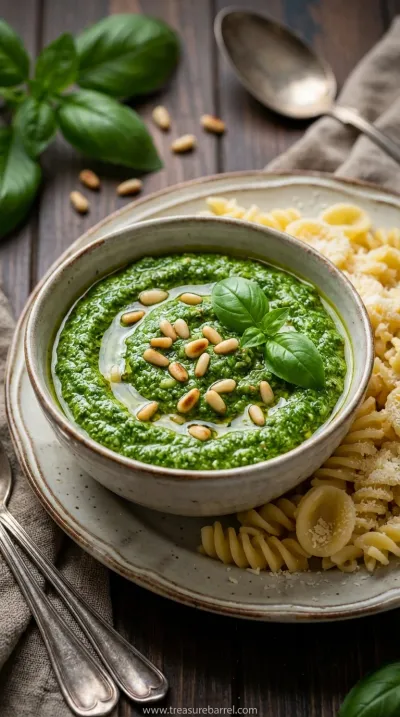
A vibrant, fresh, and savory sauce with a strong herbal basil flavor, nutty richness, and a salty kick from the cheese.
Ingredient Substitutions
Don't have an ingredient? Try these alternatives
Walnuts will give a more robust, earthy flavor, while cashews will result in an even creamier, milder pesto. Toasting any nut you use is highly recommended for the best flavor.
Pecorino is a sheep's milk cheese that is saltier and tangier than Parmesan. If you use it, you may want to reduce the amount of added salt in the recipe. It creates a wonderfully sharp and authentic-tasting pesto.
Recipe Variations
Try these delicious twists on the original
Arugula Pesto
For a peppery, spicier kick, substitute half of the basil with fresh arugula. It adds a wonderful zesty bite that's fantastic on steak or roasted vegetables.
Sun-Dried Tomato Pesto (Pesto Rosso)
For a completely different vibe, swap out the basil for a cup of oil-packed sun-dried tomatoes (drained). This creates a rich, sweet, and tangy red pesto that is amazing with sausage or spread on bruschetta.
Common Mistakes to Avoid
Learn from others' mistakes for perfect results
- Adding the cheese to the food processor, which can make the texture gummy.
- Burning the pine nuts. They toast very quickly, so don't walk away!
- Using wet basil leaves, which results in a watery pesto.
- Not using enough salt. Pesto needs a good amount of salt to bring all the flavors to life.
Meal Prep & Storage
Make Ahead Tips
Pesto is a fantastic make-ahead sauce. You can prepare the entire recipe up to 3 days in advance and store it in an airtight container in the refrigerator. Just be sure to pour a thin layer of olive oil on top to keep it from browning. This makes weeknight dinners, like a quick creamy pasta dish, an absolute breeze.
Leftover Ideas
Leftover pesto is a gift! Stir it into scrambled eggs, mix it with roasted vegetables, use it as a marinade for chicken, or blend it with a bit of yogurt or sour cream for a creamy salad dressing. It's incredibly versatile and a great way to add a burst of flavor to almost anything.
Perfect Pairings
Serve this with...
Cooking Timeline
Toast pine nuts in a dry skillet until fragrant and golden.
Wash and dry basil. Grate cheese and peel garlic.
Pulse basil, cooled nuts, and garlic in a food processor.
With the processor running, slowly stream in the olive oil until emulsified.
Transfer to a bowl, fold in the cheese, and season to taste.
 Rustic Bites
Acılı Ezme Salata – Spicy Turkish Salad
Zesty Turkish mashed salad, ready in minutes, perfect for a refreshing side or a light lunch.
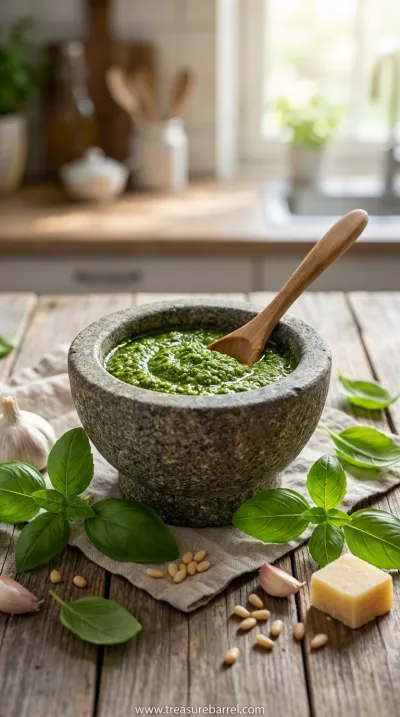
Basil Pesto Recipe: Homemade Herb-Based Classic
Make the world's best basil pesto with this simple recipe. Fresh herbs, organic ingredients create a flavorful homemade pesto.
Timing
Prep Time
10 Minutes
Cook Time
5 Minutes
Total Time
15 Minutes
Recipe Details
Ingredients
For the Pesto
-
01
4 cups fresh basil leaves, packed
-
02
1/2 cup lightly toasted pine nuts
-
03
3-4 cloves garlic, peeled and roughly chopped
-
04
1 cup freshly grated Parmigiano-Reggiano cheese
-
05
1/2 cup good quality extra-virgin olive oil
-
06
1/2 teaspoon sea salt, or to taste
-
07
1/4 teaspoon freshly ground black pepper
Instructions
First, let’s awaken the flavor of the pine nuts. Place them in a small, dry skillet over medium-low heat. You don't need any oil for this. Stay close and toss them frequently until they turn a light golden brown and you can smell their beautiful, nutty aroma. This should only take about 2-3 minutes. Be so careful here, as they can burn in an instant! Once they're toasted, immediately remove them from the hot pan and set them aside to cool completely.
Now, grab your food processor. Add the completely cooled pine nuts, the peeled garlic cloves, and about half of your fresh basil leaves. Pop the lid on and pulse a few times, just until everything is coarsely chopped. Then, add the remaining basil leaves and a pinch of your salt and pepper. Pulse again until the basil is broken down into a thick, fragrant paste. Scraping down the sides of the bowl once or twice helps ensure everything gets incorporated evenly.
This is where the magic happens. Turn the food processor on to a low speed. While it's running, slowly and steadily stream in your extra-virgin olive oil through the feed tube. This process is called emulsification, and it's what creates that beautifully smooth and creamy consistency we're looking for. Continue processing until the pesto is smooth but still has a little bit of texture. You don't want it to be a perfectly uniform puree; those little flecks are part of its charm.
Turn off the food processor and remove the blade. Scrape all of that gorgeous green pesto into a medium bowl. Now, add your freshly grated Parmigiano-Reggiano cheese. Use a spatula to gently fold the cheese into the pesto until it's just combined. Give it a final taste. This is your moment to adjust the seasonings. Does it need a bit more salt or pepper? Trust your palate. Your perfect pesto is now ready to be enjoyed.
Notes & Tips
-
1
For an extra vibrant, long-lasting green color, you can blanch the basil leaves. Simply drop them in boiling water for 15 seconds, then immediately plunge them into an ice bath. Squeeze out all the excess water before adding them to the food processor. It's an extra step, but it really works!
-
2
Don't be afraid to play with the recipe. If you don't have pine nuts, toasted walnuts or almonds are a fantastic and more affordable alternative. For a different flavor profile, you could even try pistachios or cashews.
-
3
The quality of your ingredients is everything in a simple recipe like this. Use the best-quality olive oil and cheese you can find. Since there are so few components, each one really has a chance to shine, and you will absolutely taste the difference.
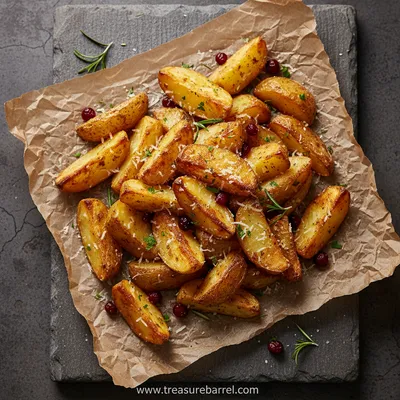 Rustic Bites
Parmesan Roast Potatoes Ready in 40 Minutes
Golden, crispy roasted potatoes coated in savory parmesan cheese, ready in just 40 minutes.
Tools You'll Need
-
Food Processor: This is truly the workhorse for making pesto. It brings everything together quickly and creates that perfectly emulsified, creamy texture. A high-powered blender can also work in a pinch, but a food processor is my go-to for this task.
-
Small Skillet: A small, dry skillet is essential for toasting the pine nuts. This simple step makes a massive difference in the final flavor, bringing out a deep, nutty richness that you just don't get from raw nuts. Just be sure to watch them closely!
-
Cheese Grater: Using a microplane or the small holes on a box grater for your cheese is key. Freshly grating a block of Parmigiano-Reggiano ensures the cheese melts into the sauce for the best flavor and texture, avoiding the additives found in pre-shredded cheese.
-
Silicone Spatula: A good spatula is your best friend here! You'll need it to scrape down the sides of the food processor to make sure everything is evenly blended, and of course, to get every last delicious bit of pesto out of the bowl. No pesto left behind!

Recipe by
Claudia SageClaudia serves earthy, rustic dishes 🌿🥘, natural flavors 🍄🍞, and homestyle warmth 🏡💛. She enjoys hearty meals 🍲🔥 and cozy table moments 🕯️✨.
Get Delicious Recipes Weekly
Join 25,000+ home cooks getting our best recipes straight to their inbox.
Free forever • No spam • Unsubscribe anytime