Easy Greek Pasta Salad
Bright Greek pasta salad with feta, olives, and garden vegetables, ready in minutes.
- Isabella Martin
- Cozy Classics
- April 2, 2026
- 2 min read
- Updated November 5, 2026
- Total time
- 27 min
- Servings
- 4 Servings
- Difficulty:
- Easy
Table of contents
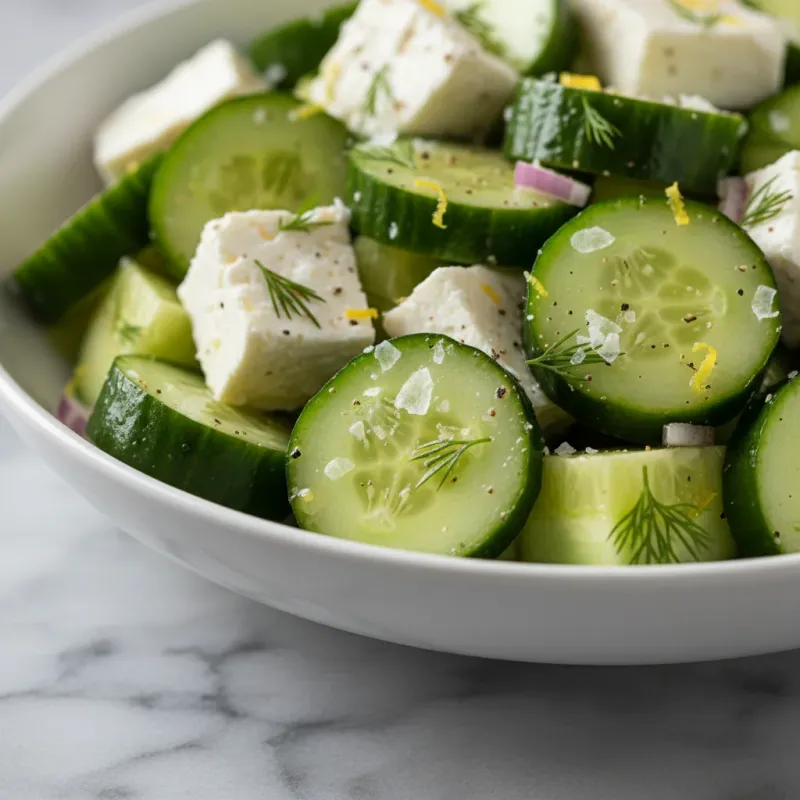
Honestly, I love a salad that feels like a Mediterranean breeze. This Greek pasta salad brings together the salty kiss of feta, the briny pop of olives, and the crisp snap of cucumber, all tossed in a light lemon‑herb dressing.
The essence of the dish
A harmony of briny olives, creamy feta, and crisp vegetables, each bite delivers a whisper of the Mediterranean sea and sun‑kissed gardens.
A fun fact or historical angle
The Greek word “Salata” comes from the Turkish “salata,” showing how culinary ideas travel across the Aegean.
Flavor or sensory focus
You’ll first notice the lemon’s zing, followed by the salty crumble of feta and the satisfying snap of cucumber.
You Must Know
- Use firm cucumbers for crunch
- Don’t over‑dress; keep it light
- Serve soon after mixing for peak freshness
The salad holds up well for a few hours, but the brighter the vegetables, the more inviting it feels. I like to give it a quick stir before serving to redistribute the dressing and keep every forkful balanced.
The story behind it
The origins of Greek pasta salad trace back to the post‑war era when families mixed pantry staples—dry pasta, canned tomatoes, and fresh garden produce—to create quick, satisfying meals. Over decades, the dish evolved, embracing olives and feta as symbols of the Aegean coast, offering a bright, portable taste of Greece without the need for a long journey.
Why You'll Love It
- Ready in under 30 minutes, perfect for busy days
- Fresh herbs and lemon give it a lively perfume
- Feta adds creamy richness without heaviness
- Colorful veggies make it look as good as it tastes
Tips for success
- Don't over‑cook the pasta; it should stay firm for texture
- Rinse pasta with cold water to stop the cooking process
- Taste the dressing and adjust salt or lemon before mixing
Professional secrets
- Use freshly squeezed lemon for a cleaner acidity
- Add dressing while pasta is still warm for better absorption
- Pat the cucumber dry after dicing to avoid extra moisture
Common mistakes to avoid
- Leaving pasta too soft, which makes the salad mushy
- Adding the dressing to hot pasta and over‑mixing, causing wilted veggies
- Using too much lemon, overwhelming the delicate feta flavor
Substitutions
- Tri‑color rotini: Gluten‑free pasta or quinoa. Adjust cooking time as needed for alternative grains.
- Feta cheese: Crumbled goat cheese or vegan feta. Maintain the same amount for comparable texture.
Variations
- Spicy Version: Add a pinch of crushed red pepper flakes and a drizzle of sriracha for a gentle kick.
- Mediterranean Style: Include sun‑dried tomatoes, artichoke hearts, and a sprinkle of oregano for deeper flavor.
Storage
Store in an airtight container in the refrigerator for up to three days; add fresh herbs before each serving.
Make ahead
You can prepare the dressing and chop the veggies up to a day ahead; keep them separate and combine with cooked pasta when ready to serve.
Leftovers
Reheat gently in a skillet with a splash of olive oil, or enjoy cold straight from the fridge.
Serving ideas
- Serve alongside grilled shrimp or lamb souvlaki for a full Greek feast
- Offer as a colorful potluck side with pita and hummus
- Pair with a simple green salad dressed with olive oil and lemon
Allergy information
Contains dairy (feta) and olives; may contain traces of nuts from shared equipment.
Easy Greek Pasta Salad
Bright Greek pasta salad with feta, olives, and garden vegetables, ready in minutes.
- Prep time
- 15 min
- Cook time
- 12 min
- Total time
- 27 min
- Difficulty
- Easy
- Cuisine
- Greek
- Course
- Salad
Ingredients
Main Ingredients
Dressing
Instructions
- 1
Bring a large pot of salted water to a boil, add the rotini, and cook until al dente—about 9 minutes. Drain and rinse briefly under cold water; set aside.
- 2
While the pasta cools, whisk together olive oil, lemon juice, oregano, dill, salt, and pepper in a small bowl. This bright dressing will coat the pasta nicely.
- 3
In a big mixing bowl, combine the cooled pasta, tomatoes, cucumber, red onion, and olives. Drizzle the dressing over the mixture and toss gently.
- 4
Fold in the crumbled feta, give the salad one final toss, and let it rest for five minutes so the flavors meld. Serve at room temperature or slightly chilled.
Nutrition per serving
- 380 kcal
- Calories
- 10 g
- Protein
- 38 g
- Carbs
- 18 g
- Fat
Tips & notes
- If you prefer a tangier salad, add an extra splash of lemon juice just before serving. - For a vegan version, replace feta with a plant‑based cheese or omit it entirely. - A handful of toasted pine nuts adds a lovely crunch.
Frequently asked questions
Can I make this salad ahead of time?
Yes, prepare the veggies and dressing in advance; combine with pasta just before serving to keep everything crisp.
What pasta shape works best?
Short, twisted shapes like rotini or farfalle capture the dressing and olives beautifully.
Can I add protein?
Grilled chicken, shrimp, or even chickpeas make it a hearty main dish.
Is this salad suitable for gluten‑free diets?
Swap regular pasta for a gluten‑free variety; the flavors remain unchanged.
How long does it keep in the fridge?
Stored in an airtight container, it stays fresh for up to three days; add fresh herbs just before serving.
What can I substitute for feta?
A crumbled goat cheese or a mild, crumbly cheese like queso fresco works in a pinch.