Extra Rich and Creamy New York Cheesecake
Pure decadence in every slice. A buttery crust meets a silky, dense center. The ultimate treat for your next family gathering.
- Lila Grace
- Sweet Treats
- September 13, 2026
- 3 min read
- Updated November 5, 2026
- Total time
- 1 h 25 min
- Servings
- 12 Servings
- Difficulty:
- Easy
Table of contents
Well, look, there is something about a cheesecake that just feels like a celebration, isn't there? I remember when I first tried making one; I was so nervous about the top cracking that I practically hovered over the oven door. But once you get the hang of it, the smell of that melted butter and graham cracker crumbs just fills the whole kitchen with such a cozy, welcoming warmth.
Honestly, the secret is all in the patience. Watching the 4 (8 oz) cream cheese and granulated sugar blend into that silky smooth batter is almost therapeutic. And adding in the sour cream and heavy cream... wow, that's where the magic happens. It turns a simple cake into an extra rich and creamy New York cheesecake that feels like a little hug for your soul.
So, yeah, it takes a bit of time to chill in the fridge—which is the hardest part, believe me—but when you finally slice into that dense, velvety center, it's just... worth it. I mean, who can resist a little bit of indulgence every now and then?
The story behind it
The legend of the New York-style cheesecake is often tied to the evolution of the classic cream cheese, which gained popularity in the early 20th century. Unlike its lighter, airier cousins from other regions, the version born in the bustling heart of New York City was designed to be unapologetically dense and decadent, mirroring the bold energy of the city itself.
Culturally, this dessert became a staple of Jewish delis and upscale eateries, evolving into a symbol of American indulgence. The addition of ingredients like sour cream or heavy cream provided a distinctive tang and a velvety mouthfeel that distinguished it from standard cakes. It wasn't just a sweet treat; it was a culinary statement of richness.
Over decades, the extra rich and creamy New York cheesecake has become a global benchmark for dessert luxury. The meticulous process of slow-cooling and extended chilling reflects a commitment to texture and quality, ensuring that each slice maintains its iconic, melt-in-your-mouth consistency.
Why You'll Love It
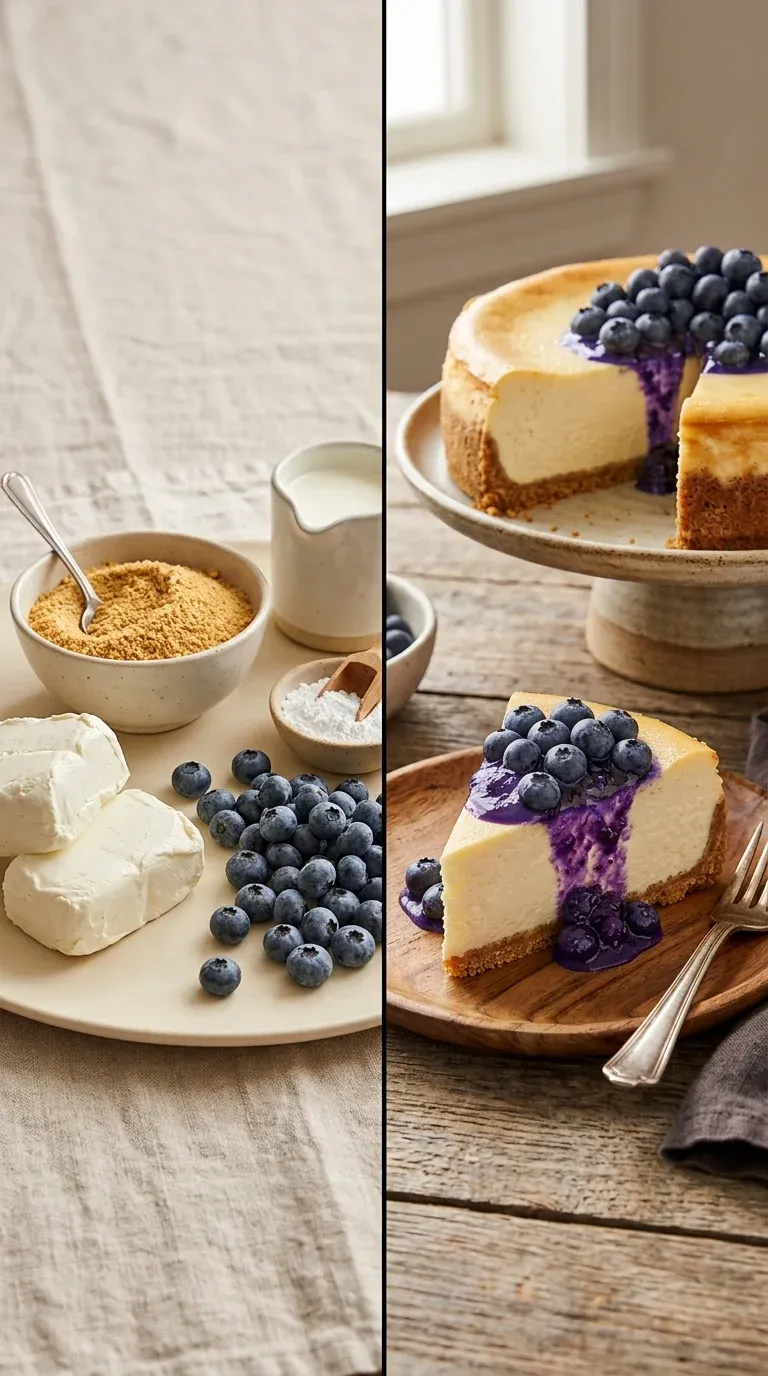
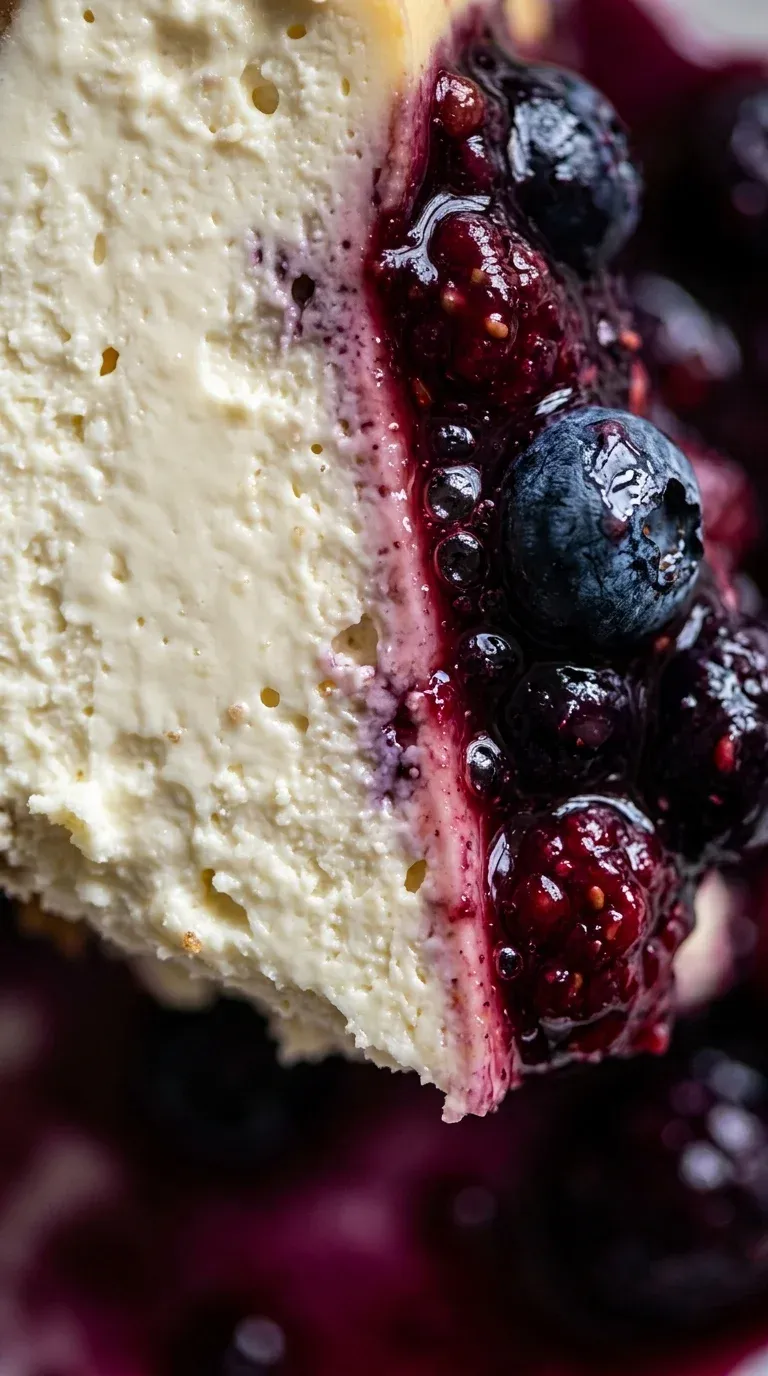
- Honestly, that velvety cream cheese filling is just something else; it's so rich and melts right on your tongue.
- I love how the 2 cups graham cracker crumbs create that perfectly buttery, golden base that holds everything together.
- Well, it's just such a classic, deep-dish treat that makes any family gathering feel a bit more special, you know?
- Wow, the way it stays so creamy without any cracks is just a little bit of kitchen magic that makes you feel like a pro.
Tips for success
- Room Temp Dairy, Keeps the batter smooth and reduces lumps.
- Ambient Temperature, Avoid baking in a very cold room so the cake sets evenly.
- The Pan Tap, Gently tapping the pan releases trapped air to prevent cracking.
Professional secrets
- The 'Cracked Door' method: Cooling the cake inside the oven prevents sudden temperature drops that cause cracks.
- Silky Batter: Stirring in flour and heavy cream at the end provides the structural stability for that New York density.
- The Jiggle Test: Pulling the cake when the center still jiggles ensures it doesn't overbake and become grainy.
Common mistakes to avoid
- Overmixing the batter, which incorporates too much air and causes cracks.
- Using cold cream cheese, which leads to lumps in the filling.
- Removing the cake from the oven too quickly, causing a temperature shock.
Substitutions
- Graham cracker crumbs: Digestive biscuit crumbs. Common in the UK, provides a similar buttery crunch.
- Heavy cream: Full-fat Greek yogurt. Will make the cake slightly tangier and a bit less rich.
- Fresh lemon juice: Apple cider vinegar. Use a smaller amount just for the acidity if lemons aren't on hand.
Variations
- Chocolate Swirl Extra Rich New York Cheesecake: Fold some homemade dark chocolate ganache into the batter before baking. Just let the ganache melt a bit so it swirls beautifully into that creamy base.
- Lemon & Blueberry Swirl Extra Rich New York Cheesecake: Add fresh blueberries to the batter and swirl in some lemon zest‑infused cream cheese for a bright, fruity twist that cuts through the richness.
Storage
Keep it covered in the fridge for up to 5 days, or wrap it tightly and freeze for up to 3 months.
Make ahead
This is actually better when made ahead! You can bake it the day before and let it chill overnight in the fridge for a perfectly set texture.
Leftovers
Keep the leftovers covered in the refrigerator for up to 5 days. If you freeze it, just thaw it slowly overnight in the fridge before eating.
Serving ideas
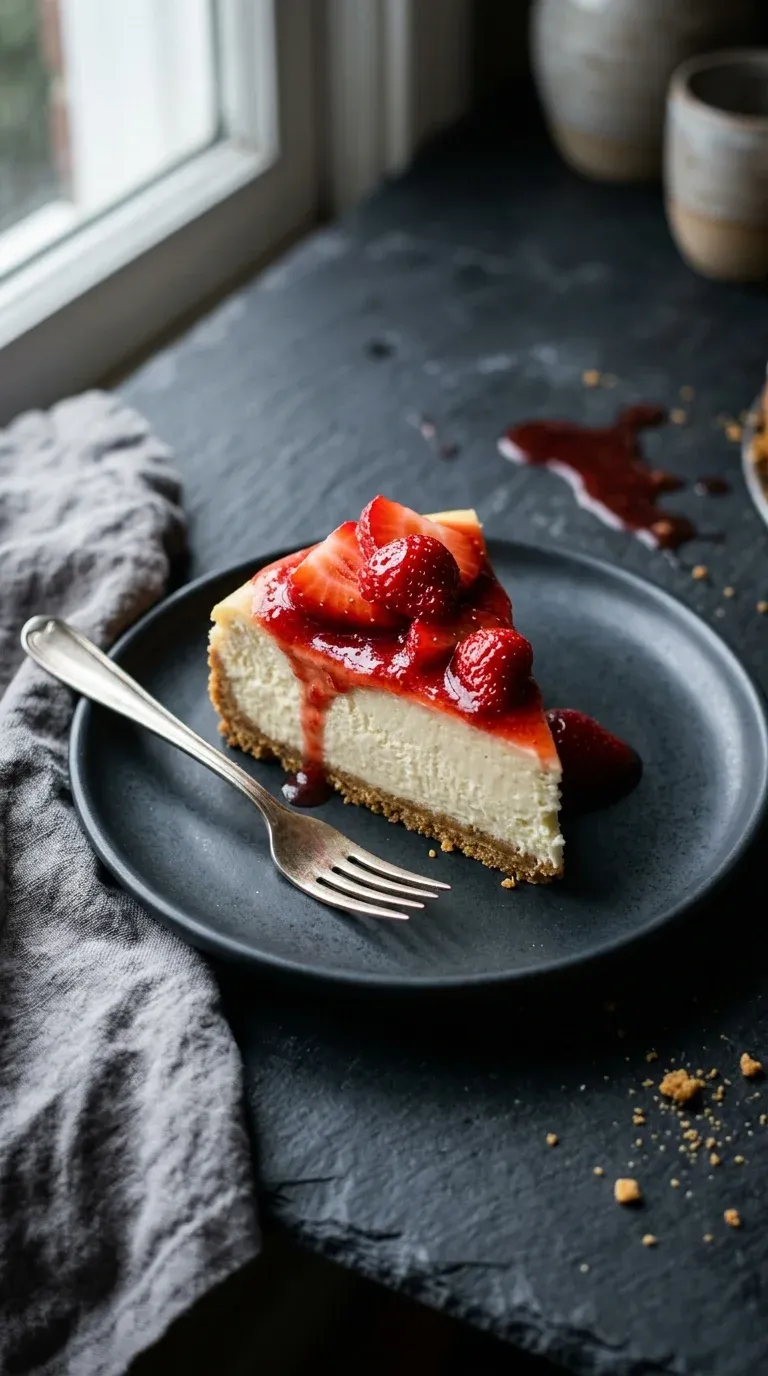
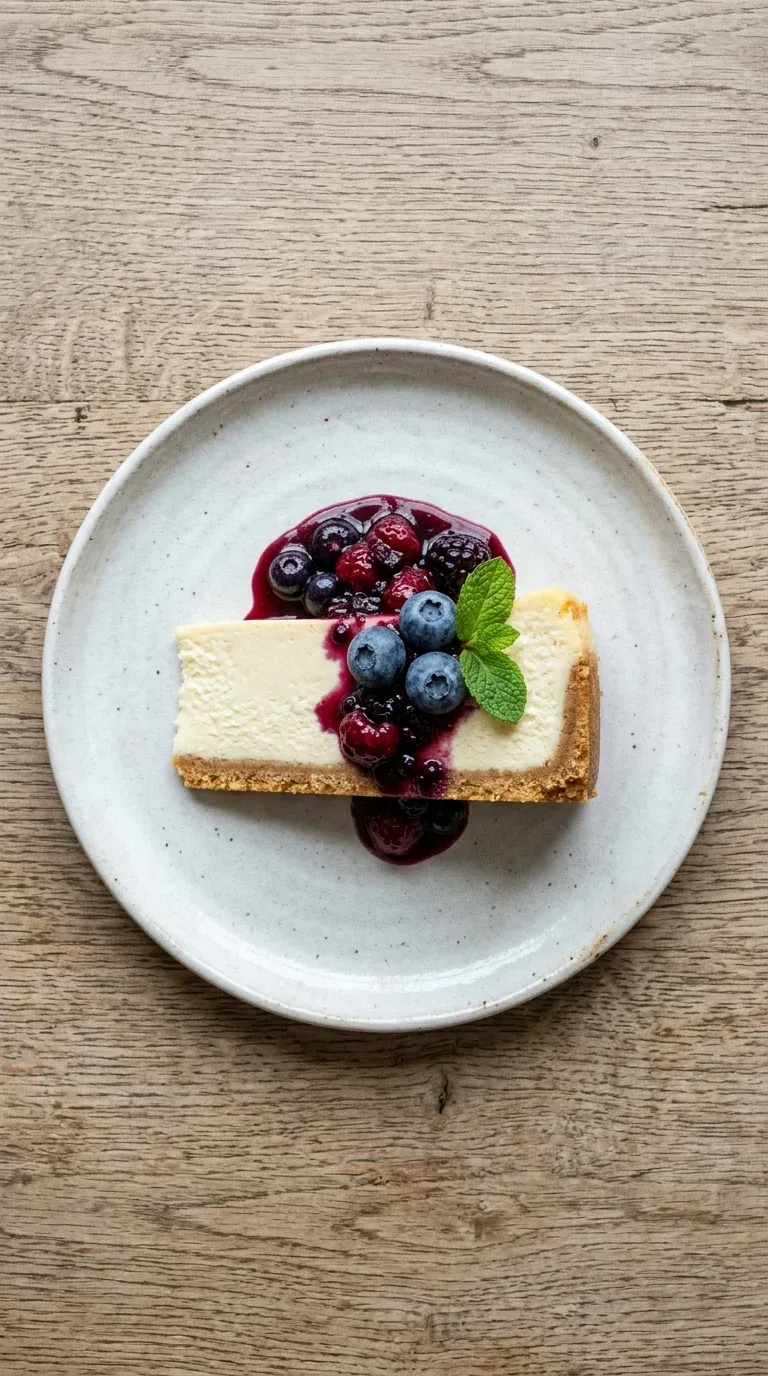
- Serve chilled with a mixed berry compote
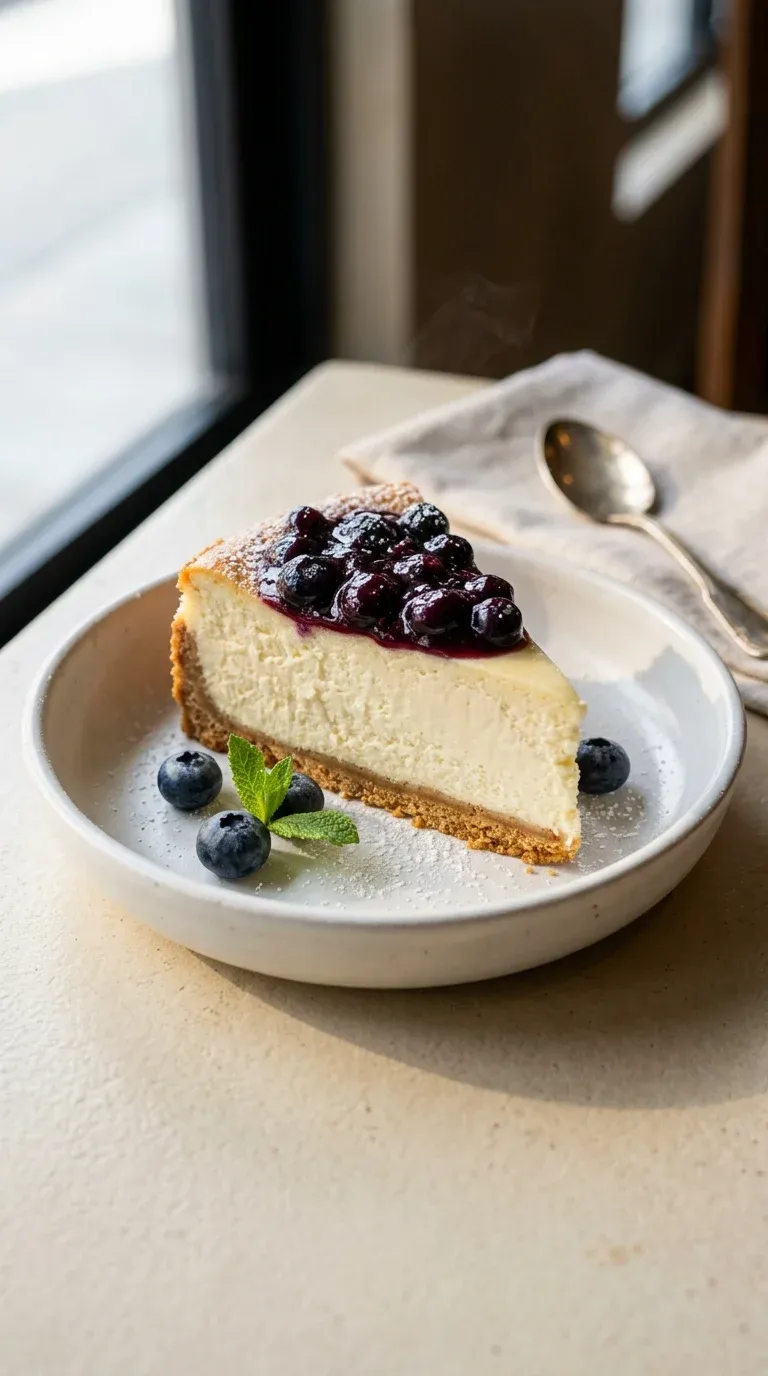
- Top with fresh blueberries for a pop of color
- Drizzle with warm chocolate ganache for indulgence
- Dust with powdered sugar and a sprig of mint
Allergy information
Contains dairy, eggs, wheat (gluten).
Extra Rich and Creamy New York Cheesecake
Pure decadence in every slice. A buttery crust meets a silky, dense center. The ultimate treat for your next family gathering.
- Prep time
- 30 min
- Cook time
- 55 min
- Total time
- 1 h 25 min
- Difficulty
- Easy
- Cuisine
- American
Ingredients
Crust
Creamy Filling
Instructions
- 1
First things first, preheat your oven to 350°F (176°C). I like to line the bottom of my 9‑inch springform pan with a bit of parchment paper; it just makes things so much easier when it's time to take the cake out.
- 2
In a small bowl, go ahead and combine your 2 cups graham cracker crumbs, 1/3 cup granulated sugar, and that 1/2 cup melted unsalted butter. Just stir it all together until those crumbs are evenly coated and look just right.
- 3
Press that crumb mixture firmly into the bottom of your prepared pan. Pop it in the oven and bake for 8 minutes. Then, well, just let it sit and cool down to room temperature while you work on the filling.
- 4
Now for the good part. In a large bowl, beat the 4 (8 oz) cream cheese, softened, and 1 1/4 cups granulated sugar with your mixer on medium until it's smooth and creamy. Stir in the 2 teaspoons vanilla extract, 2 teaspoons fresh lemon juice, and a pinch of salt. Add the 4 large eggs, room temperature, one at a time, beating well after each one. Finally, stir in the 1 cup sour cream, 1 cup heavy cream, and 2 tablespoons all-purpose flour until it's silky. Honestly, try not to overmix it here.
- 5
Pour that lovely batter over your cooled crust. Give the pan a few gentle taps on the counter to get rid of any air bubbles. Bake at 350°F (176°C) for 50–60 minutes. You'll know it's done when the edges are set, but the center still has a little jiggle to it. Oops, if you see the top browning too fast, just tent it with some foil.
- 6
Once it's baked, turn off the oven but only open the door a crack. Let the cheesecake stay in there for 1 hour to cool slowly. It sounds strange, I know, but it really helps prevent those pesky cracks.
- 7
Carefully remove the pan from the oven and move it over to a wire rack. Let it cool at room temperature for another 2 hours.
- 8
Now, cover the cake and tuck it into the refrigerator for at least 4 hours, or overnight if you have the patience. Once it's fully set, remove it from the pan before you serve your guests.
Nutrition per serving
- 680 kcal
- Calories
- 12 g
- Protein
- 42 g
- Carbs
- 48 g
- Fat
Tips & notes
- The slow-cooling process in the oven is essential for a smooth top. - Ensure all dairy is room temperature to avoid lumps in the batter. - Tapping the pan helps prevent air pockets and surface cracking.
Frequently asked questions
Why did my cheesecake crack on top?
Oops, that usually happens if it cools too fast or is overbeaten. Try leaving it in the oven with the door cracked for an hour next time.
Can I use a different pan if I don't have a springform?
Well, a springform is really the best for this, but you can line a regular deep pan with parchment paper—just be very careful when lifting it out.
How long can I keep this in the fridge?
It stays fresh and lovely for up to 5 days if you keep it covered. Just make sure it's fully chilled before you put it away.