Fall Casseroles Your Family Will Love
Hearty fall casseroles featuring seasonal produce and warm spices, ideal for family meals during cooler weather
- Amelia Rose
- Warm Meals
- January 25, 2026
- 4 min read
- Updated November 5, 2026
- Total time
- 1 h 15 min
- Servings
- 6 Servings
- Difficulty:
- Medium
Table of contents
When the leaves start turning and there's that first real chill in the air, I find myself reaching for my favorite baking dishes. There's something about sliding a casserole into the oven that just feels right this time of year. Honestly, the way the kitchen fills with that warm, savory scent - it's like the house itself is sighing with contentment. I remember when my kids were little, they'd come bursting through the door after school and their faces would light up when they smelled dinner already working its magic.
The essence of the dish
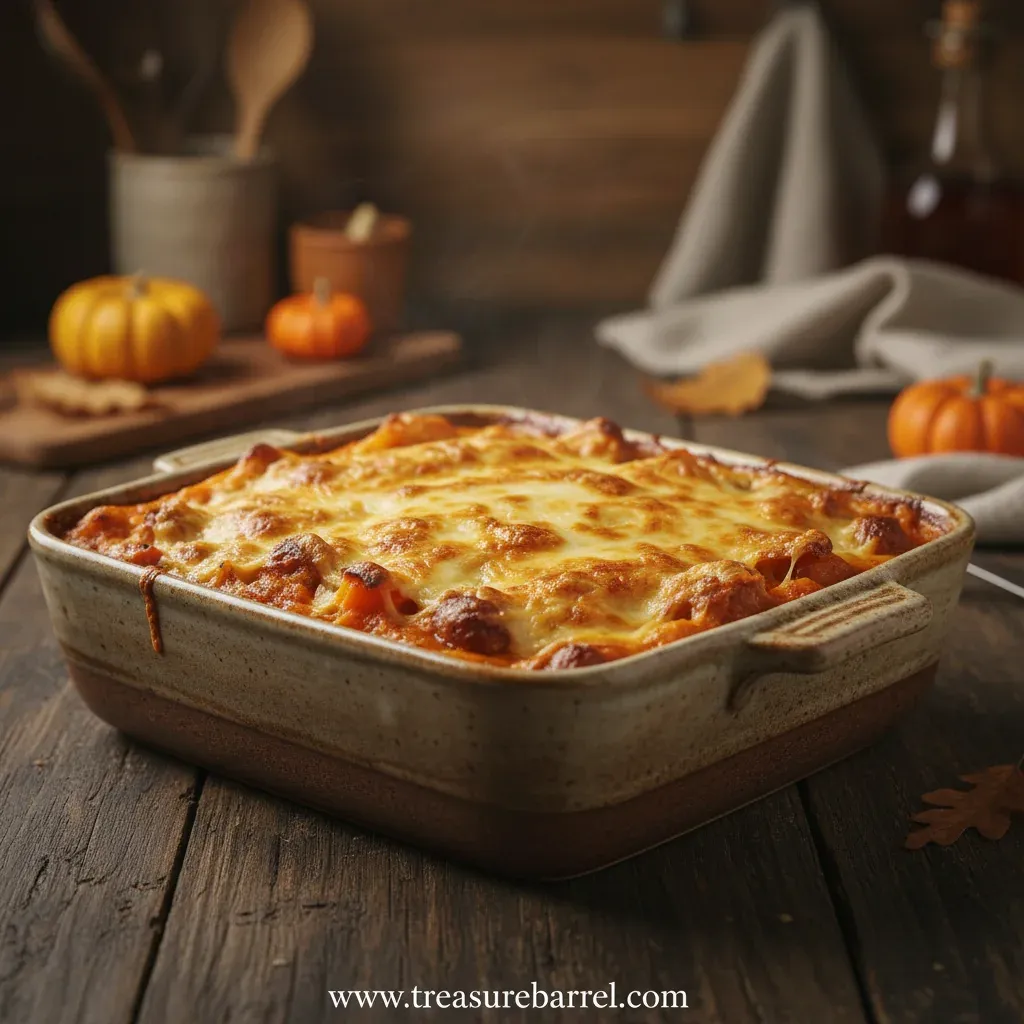
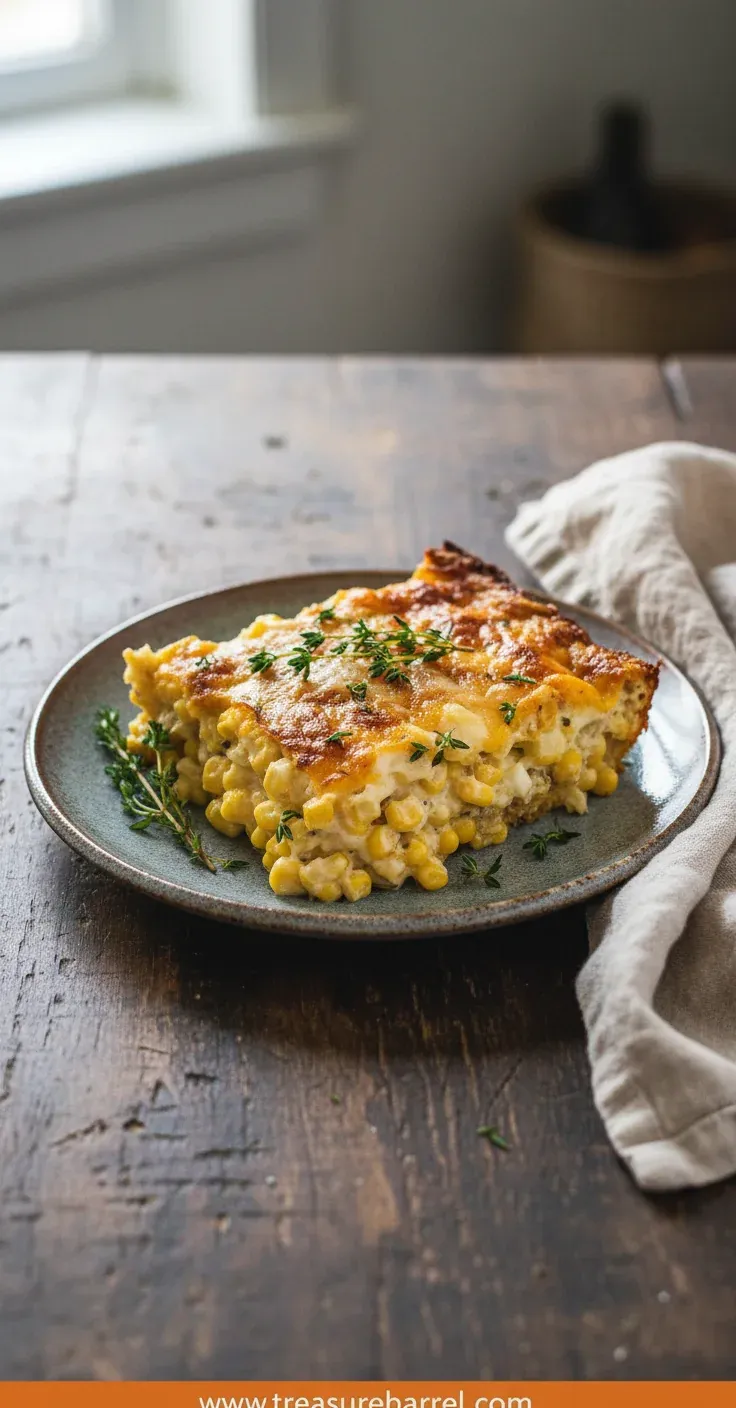
This casserole celebrates autumn's bounty in the most comforting way possible. It's about taking humble, seasonal ingredients and transforming them into something that feels both nourishing and celebratory. The combination of sweet roasted squash, earthy Brussels sprouts, and creamy sauce wrapped in a crispy topping creates a symphony of textures and flavors that perfectly captures the spirit of fall.
A fun fact or historical angle
The concept of baked casseroles dates back centuries, but they became particularly popular in America during the 1950s when convenience foods and oven technology made them accessible to busy families. The term itself comes from the French word 'casse' meaning 'pan' - though our versions have evolved far beyond their European origins.
Flavor or sensory focus
What you'll notice first is the incredible aroma - the way the thyme and roasting vegetables fill your kitchen with warmth. Then comes the contrasting textures: the crisp breadcrumb topping giving way to creamy, tender vegetables with pockets of melted cheese. It's a multi-sensory experience that feels like autumn itself.
You Must Know
- Roast vegetables until just tender - they'll continue cooking in the casserole
- Season each layer generously - the vegetables need it
- Let it rest before serving for cleaner slices
- Leftovers reheat beautifully - the flavors meld even more
The key to a great casserole is building flavors in layers. Each component needs individual attention before they come together in the final bake. I've learned through the years that rushing any step shows in the final result. And honestly? The resting time might test your patience when the whole house smells incredible, but it's worth it for that perfect slice. The flavors settle and the texture improves dramatically with just a few minutes of patience.
The story behind it
Casseroles have been bringing families together for generations, with roots stretching back to early American pioneers who needed hearty, one-dish meals that could feed many with limited resources. The concept evolved through the mid-20th century when busy families embraced these convenient baked dishes that could be prepared ahead and required minimal cleanup. Today, fall casseroles continue this tradition by celebrating seasonal harvests in a format that's both practical and deeply comforting. The combination of roasted vegetables, savory proteins, and creamy sauces creates a symphony of textures and flavors that warms both body and soul.
Why You'll Love It
- Minimal cleanup with everything baked in one dish
- Perfect for make-ahead meals on busy weeknights
- Uses seasonal vegetables at their peak flavor
- Comforting warmth that fills your entire home with wonderful aromas
Tips for success
- Don't overcrowd the roasting pan - vegetables need space to caramelize properly
- Let the casserole rest before serving - this helps the sauce set for cleaner slices
- Taste the sauce before assembling - seasoning is crucial in baked dishes
- Use freshly grated cheese - it melts much better than pre-shredded
Professional secrets
- Roast vegetables until just tender - they'll continue cooking in the casserole
- Cool the sauce slightly before combining with vegetables - prevents them from becoming too soft
- Brush the baking dish with butter - creates a non-stick surface and adds flavor
- Layer cheeses - some mixed in, some on top for maximum cheese appeal
Common mistakes to avoid
- Overcrowding the roasting pan - prevents proper browning
- Underseasoning the sauce - it mellows during baking
- Adding breadcrumb topping too early - can become soggy
- Skipping the rest time - results in runny slices
- Using pre-shredded cheese - doesn't melt as smoothly
Substitutions
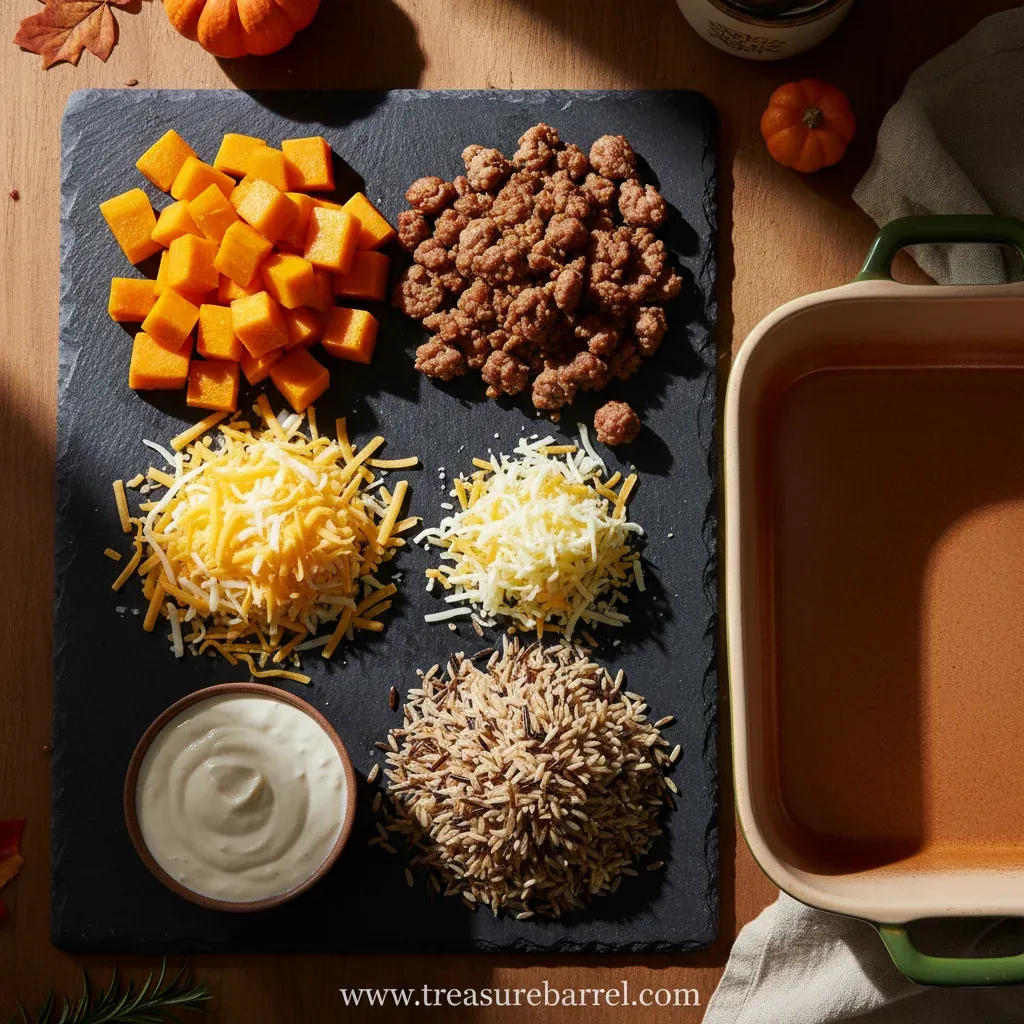
- Butternut squash: Sweet potatoes or pumpkin. Adjust roasting time as needed - sweet potatoes may cook faster
- Brussels sprouts: Broccoli or cauliflower florets. Cut into similar-sized pieces for even cooking
- Cheddar cheese: Gruyère or Monterey Jack. Both melt beautifully and offer different flavor profiles

Variations
- Mediterranean Twist: Add sun-dried tomatoes, kalamata olives, and feta cheese for a Greek-inspired version
- Spicy Southwest: Incorporate corn, black beans, and diced green chiles with a sprinkle of chili powder
Storage
Store leftovers in an airtight container in the refrigerator for up to 4 days. Reheat in the oven at 350°F for best texture maintenance.
Make ahead
You can roast the vegetables and make the sauce up to 2 days in advance. Store separately in the refrigerator. Assemble the casserole just before baking for best results. The complete assembled casserole can be refrigerated for up to 24 hours before baking.
Leftovers
Leftovers reheat beautifully in the oven at 350°F for 15-20 minutes. The microwave will work but may soften the crispy topping. Leftover casserole makes excellent lunches and can be frozen for up to 3 months.
Serving ideas
- Serve as a main dish with a simple green salad
- Pair with roasted chicken for a hearty dinner
- Excellent as a holiday side dish
- Perfect for potlucks and family gatherings
- Great for cozy spaghetti squash lovers looking for another warm meal option
Allergy information
Contains dairy and gluten. For gluten-free version, use gluten-free flour and breadcrumbs.
Fall Casseroles Your Family Will Love
Hearty fall casseroles featuring seasonal produce and warm spices, ideal for family meals during cooler weather
- Prep time
- 30 min
- Cook time
- 45 min
- Total time
- 1 h 15 min
- Difficulty
- Medium
- Cuisine
- American
- Course
- Main Course
Ingredients
Roasted Vegetables
Cream Sauce
Assembly
Instructions
- 1
Preheat oven to 400°F (200°C). Toss the cubed butternut squash and halved Brussels sprouts with olive oil, salt, pepper, and dried thyme. Spread in a single layer on a baking sheet and roast for 20-25 minutes until tender and lightly browned.
- 2
While vegetables roast, make the cream sauce. Melt butter in a saucepan over medium heat. Whisk in flour and cook for 1 minute until golden. Gradually whisk in milk and vegetable broth until smooth. Add garlic powder, nutmeg, and season with salt and pepper. Cook until thickened, about 5-7 minutes.
- 3
Reduce oven temperature to 375°F (190°C). In a 9x13 baking dish, combine the roasted vegetables with the cream sauce. Stir in 1½ cups of the cheddar cheese until well distributed.
- 4
In a small bowl, mix panko breadcrumbs with melted butter and Parmesan cheese. Sprinkle the remaining ½ cup cheddar over the casserole, then top with the breadcrumb mixture.
- 5
Bake for 20-25 minutes until bubbly and the topping is golden brown. Let stand for 10 minutes before serving. Sprinkle with fresh parsley just before serving.
Nutrition per serving
- 320 kcal
- Calories
- 14 g
- Protein
- 28 g
- Carbs
- 18 g
- Fat
Tips & notes
- Leftovers reheat beautifully in the oven at 350°F for about 15-20 minutes - For a crisper topping, broil for the last 2-3 minutes of baking - You can use frozen vegetables in a pinch, but thaw and pat them dry first - This pairs wonderfully with a simple soup like this hearty vegetable soup for a complete meal
Frequently asked questions
Can I make this casserole ahead of time?
Absolutely! You can assemble the casserole completely up to a day in advance, cover it tightly, and refrigerate. Add about 10-15 minutes to the baking time since it'll be going into the oven cold. The breadcrumb topping is best added right before baking to maintain its crunch.
What vegetables can I substitute?
This recipe is very adaptable. Sweet potatoes work beautifully instead of butternut squash, and cauliflower florets or broccoli can stand in for Brussels sprouts. You could even try a colorful Rainbow Buddha Bowl approach with multiple vegetables, though roasting times may need adjustment.
How do I prevent a watery casserole?
The key is roasting the vegetables properly to evaporate excess moisture. Make sure they're patted dry after washing, and don't overcrowd the roasting pan. If your vegetables release more liquid than expected, you can thicken the sauce with an extra tablespoon of flour in the roux.
Can I freeze this casserole?
Yes, but the texture of the vegetables may soften upon reheating. Freeze before baking for best results - assemble completely, wrap tightly, and freeze for up to 3 months. Bake from frozen, adding extra time until bubbly and golden.
What protein can I add to make it a complete meal?
Diced cooked chicken or turkey sausage would be wonderful additions. If you're looking for plant-based options, chickpeas or white beans would work nicely. For more inspiration, check out this garlic broccoli stir-fry that uses chickpeas beautifully.
What should I serve with this casserole?
It's quite hearty on its own, but a simple green salad provides nice contrast. An autumn harvest salad with apples and feta would complement the flavors perfectly. Crusty bread is also lovely for soaking up any extra sauce.