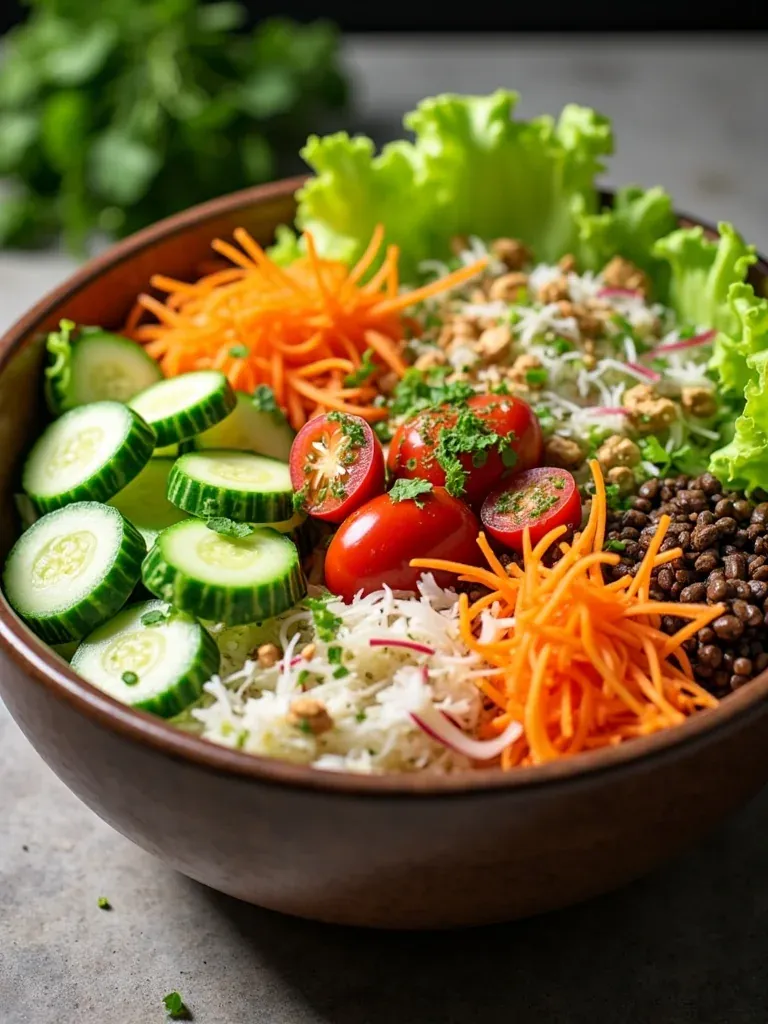
Garden Salad: Fresh Summer Recipe
A bright, crunchy garden salad that celebrates summer vegetables with a simple, zingy vinaigrette.
- Maya Quinn
- Quick Comfort
- April 28, 2026
- 3 min read
- Updated November 5, 2026
- Total time
- 15 min
- Servings
- 4 Servings
- Difficulty:
- Easy
Table of contents
Honestly, there’s something soothing about gathering a handful of tomatoes, cucumbers, and sweet peppers, then watching them dance together in a bowl. I remember the first time I tossed a salad like this on a warm July afternoon, the scent of fresh cut herbs drifting from the kitchen. The avocado salad inspired me, but this garden version feels lighter, like a breeze through a sunflower field. So, let’s take a moment, breathe in the garden, and assemble something simple yet unforgettable.
The essence of the dish
What makes this garden salad special is the balance of crisp textures, bright citrus, and fragrant herbs that together echo the feeling of a summer garden after a gentle rain.
A fun fact or historical angle
In ancient Greek symposiums, a simple salad of herbs and olives was served to stimulate conversation and digestion.
Flavor or sensory focus
The eater will notice the snap of cucumber, the sweet burst of tomato, and the subtle zing of lemon, all rounded by a silky olive oil finish.
You Must Know
- Season the dressing just before mixing
- Pat greens dry to avoid soggy bites
- Use a wide bowl for even tossing
Honestly, these pointers keep the salad from turning mushy and ensure every forkful carries the intended brightness. When you respect the ingredients, the dish sings on its own, needing no elaborate garnish.
The story behind it
The garden salad traces its roots to ancient Mediterranean harvest festivals, where villagers celebrated the arrival of summer produce with communal feasts. Fresh herbs, ripe tomatoes, and crisp cucumbers were combined with olive oil, creating a dish that honored the land’s generosity. Over centuries, this modest mix traveled across continents, adapting to local flavors yet retaining its core ethos: celebrate fresh vegetables in their purest form. Today, the garden salad remains a staple of quick comfort meals, reminding us that simplicity can be profoundly satisfying.
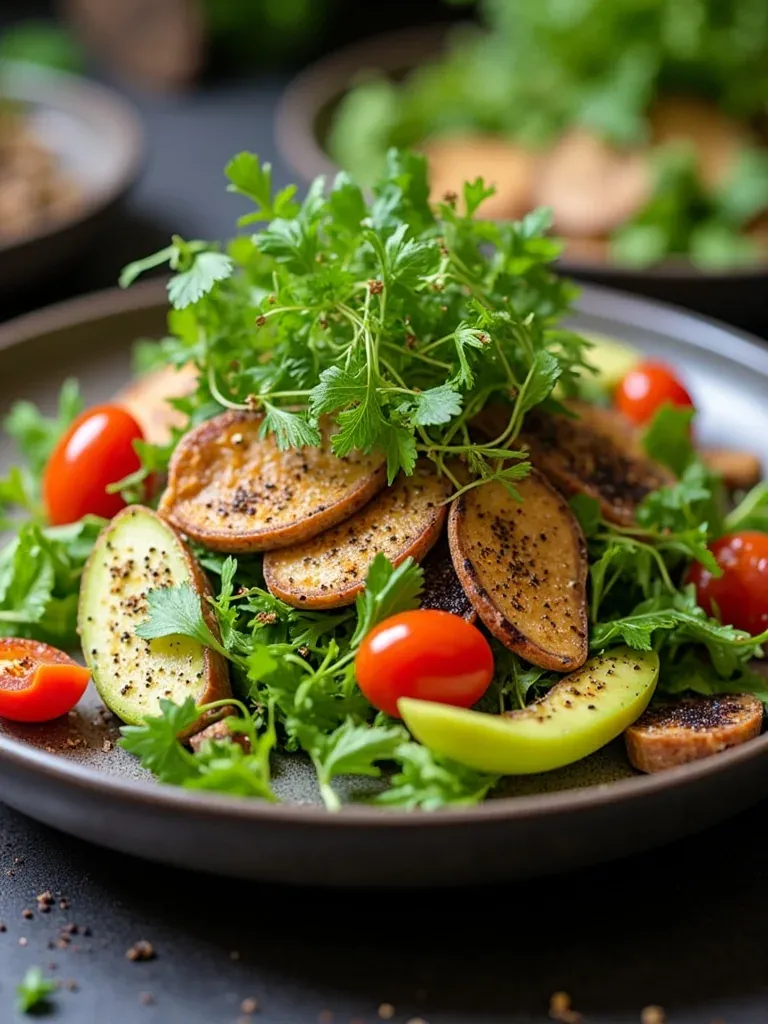
Why You'll Love It
- Refreshing crunch with every bite
- Simple ingredients that are easy to find
- Versatile base for endless variations
- Light yet nourishing, perfect for summer
Tips for success
- Don’t over‑mix the greens; a gentle toss preserves their texture.
- Pat vegetables dry to avoid a soggy bowl.
- Taste the vinaigrette and balance acidity with a touch of honey if needed.
Professional secrets
- Use room‑temperature olive oil for a smoother emulsification.
- Add lemon zest to the dressing for an extra burst of aroma.
- Massage the greens briefly with a pinch of salt to soften their edges.
Common mistakes to avoid
- Over‑mixing greens, leading to wilted leaves.
- Adding dressing too early, causing vegetables to become soggy.
- Using too much salt, overpowering the fresh flavors.
Substitutions
- Lemon juice: Apple cider vinegar. Use half the amount; it provides acidity with a milder flavor.
- Honey: Maple syrup. Gives a subtle maple note; adjust to taste.
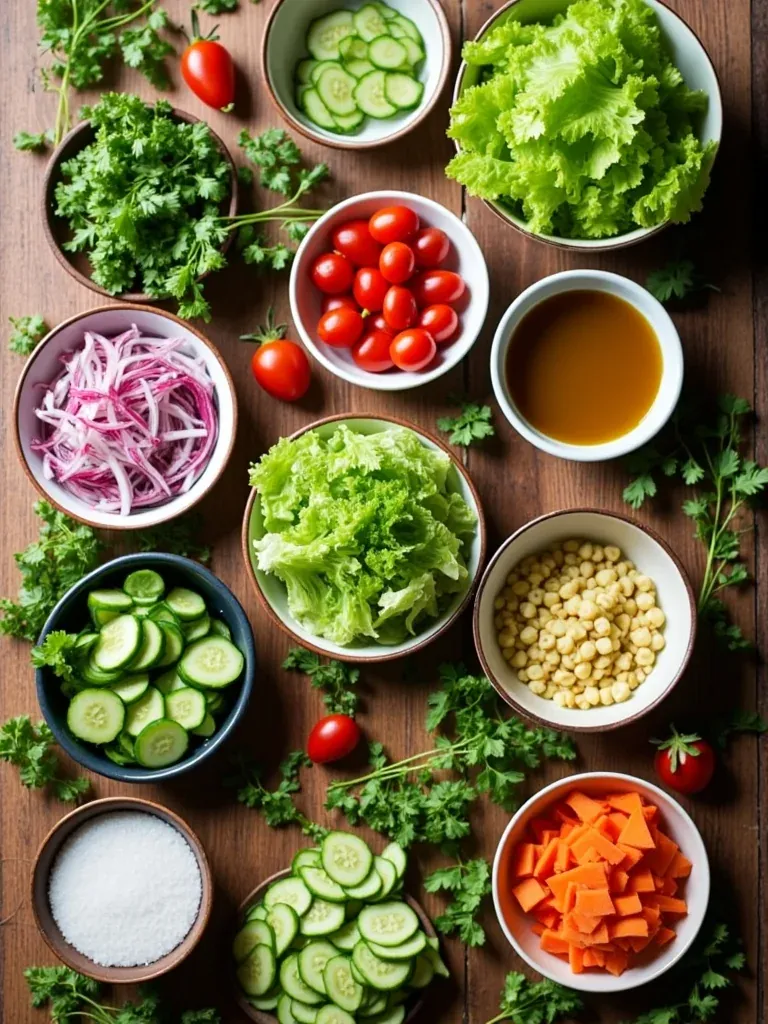
Variations
- Spicy Version: Add a pinch of red pepper flakes and a dash of hot sauce for a gentle kick.
- Mediterranean Style: Fold in crumbled feta, Kalamata olives, and sun‑dried tomatoes for a richer palate.
Storage
Store the vegetables and dressing separately in airtight containers; combine just before eating for up to 24 hours.
Make ahead
You can wash, dry, and slice all vegetables up to 12 hours ahead; store them in separate airtight containers and combine just before serving.
Leftovers
Gently re‑toss leftover salad with a splash of olive oil and lemon to revive freshness; avoid adding more dressing to prevent sogginess.
Serving ideas
- Serve as a refreshing starter before a summer barbecue.
- Pair with grilled shrimp or tofu for a light lunch.
- Add a handful of toasted pine nuts for extra crunch.
- Garnish with a thin slice of lemon for visual appeal.
Allergy information
Contains nuts if toasted pine nuts are added; can be omitted for nut‑free version.
Garden Salad: Fresh Summer Recipe
A bright, crunchy garden salad that celebrates summer vegetables with a simple, zingy vinaigrette.
- Prep time
- 15 min
- Total time
- 15 min
- Difficulty
- Easy
- Cuisine
- American
Ingredients
Main Ingredients
Dressing
Instructions
- 1
Wash all vegetables under cool water, then pat completely dry using a clean kitchen towel.
- 2
Place the mixed greens in a large bowl; drizzle half of the olive oil and a splash of lemon juice, then toss gently to coat.
- 3
Add the sliced cucumbers, halved tomatoes, and red onion ribbons, then scatter the torn basil and chopped dill over the top.
- 4
In a small jar, combine the remaining olive oil, lemon juice, honey, salt, and pepper; shake vigorously until emulsified.
- 5
Pour the dressing over the salad, toss lightly, and serve immediately for maximum crunch.
Nutrition per serving
- 120 kcal
- Calories
- 3 g
- Protein
- 9 g
- Carbs
- 8 g
- Fat
Tips & notes
- If the salad sits too long, add a second drizzle of olive oil to revive the shine. - Taste the dressing before adding; adjust lemon or honey to suit your palate. - For extra flavor, toast a handful of pine nuts and sprinkle atop just before serving.
Frequently asked questions
Can I add protein?
Absolutely—grilled chicken, chickpeas, or feta make wonderful additions that keep the salad light.
How long can I store the dressing?
The vinaigrette stays fresh in the fridge for up to three days; just give it a quick shake before using.
Is this salad suitable for kids?
Yes, the mild flavors and crunchy texture are usually a hit with younger palates.
What if I don’t have fresh herbs?
A pinch of dried oregano or basil works in a pinch, though fresh herbs give the best aroma.
Can I make this ahead of time?
Prepare the veggies and dressing separately; combine just before serving to maintain crunch.
What other vegetables work well?
Add sliced radishes, bell peppers, or snap peas for extra color and snap.