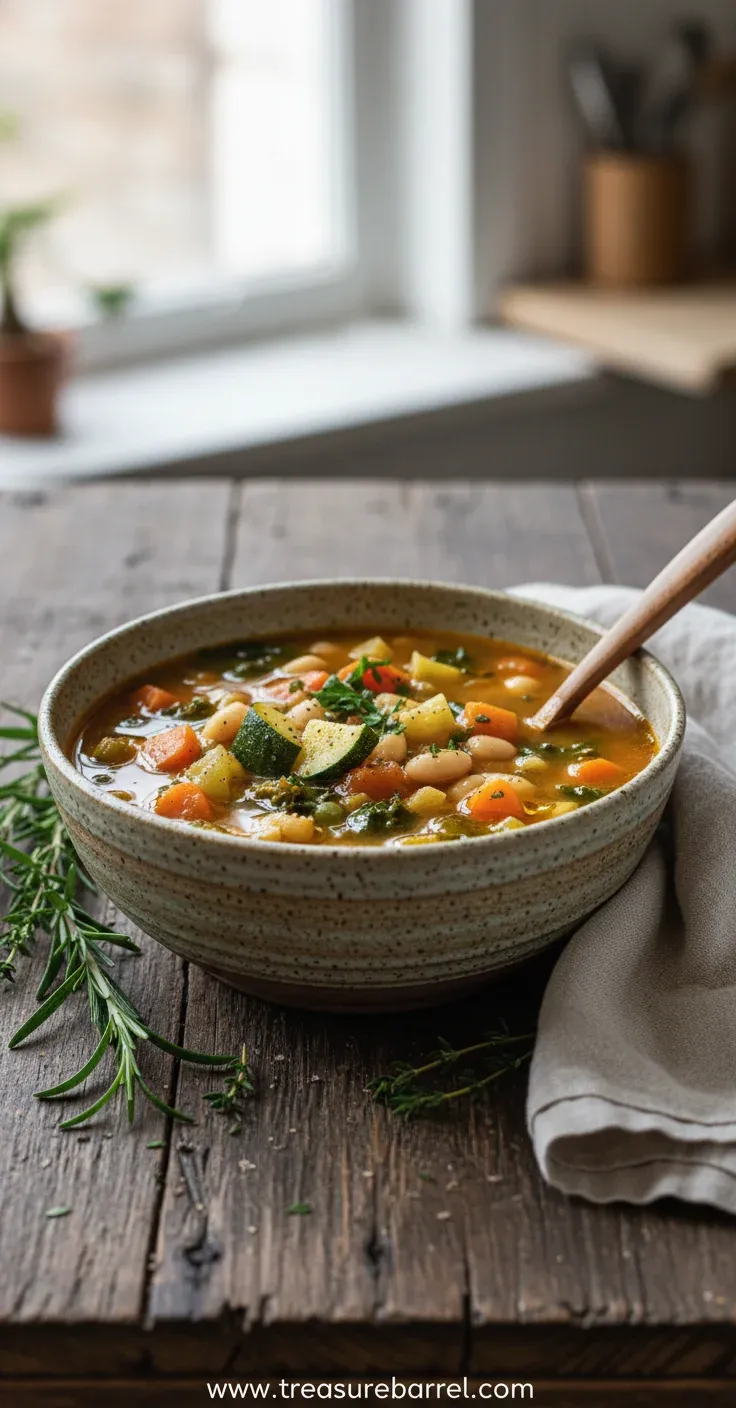
Hearty Minestrone Soup
A cozy minestrone soup loaded with seasonal vegetables and tender pasta.
- Amelia Rose
- Warm Meals
- January 21, 2026
- 3 min read
- Updated November 5, 2026
- Total time
- 55 min
- Servings
- 6 Servings
- Difficulty:
- Easy
Table of contents
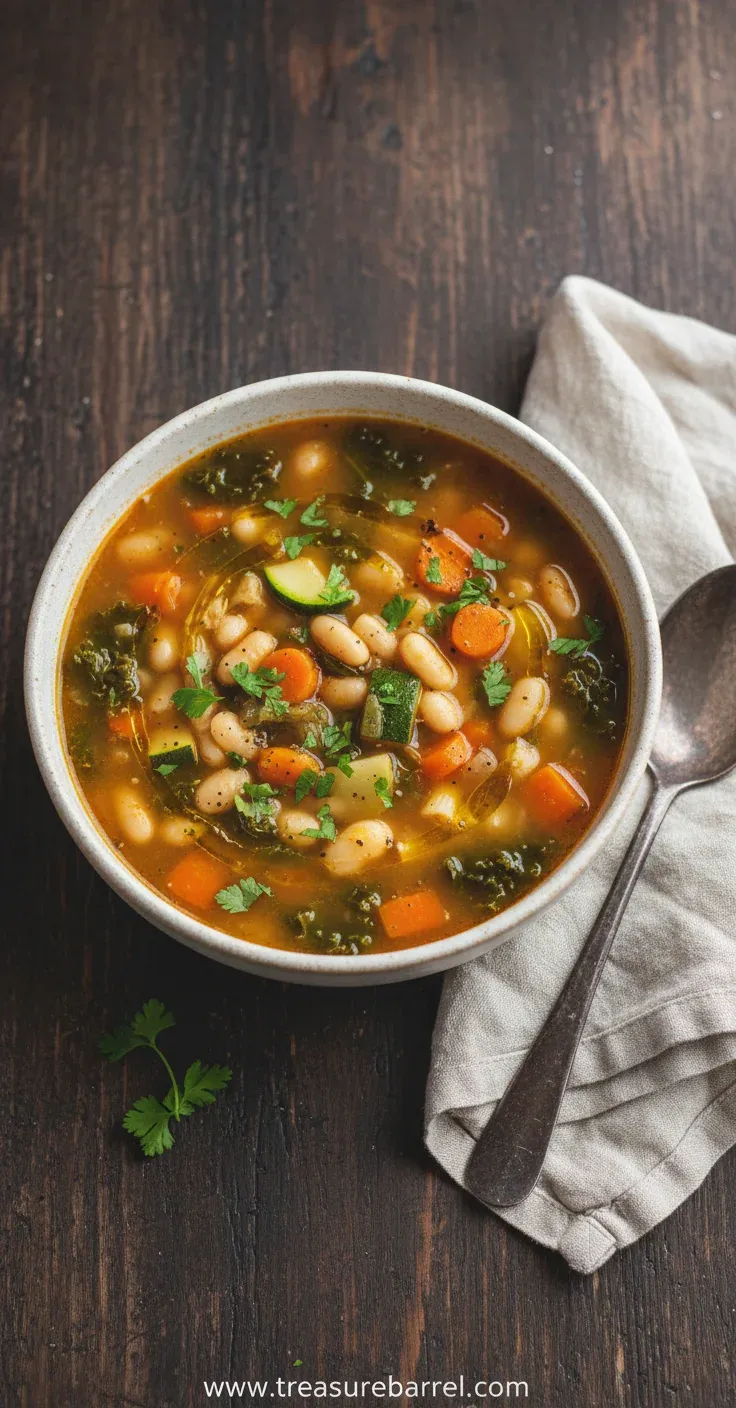
Honestly, there's something about a good minestrone that just feels like a hug from the inside. I remember making big pots of this when my kids were small, watching them warm their hands around the bowls, steam rising up to pink their cheeks. It’s the kind of meal that fills the whole house with that savory, tomato-y scent, and honestly, it's one of those cozy classics you can come back to again and again.
The essence of the dish
This minestrone is about comfort and nourishment. It’s a humble, honest soup that feels like a warm embrace, perfect for a quick comfort meal any day of the week.
A fun fact or historical angle
The name 'minestrone' literally means 'big soup,' and it was traditionally a way for Italian families to use up leftover vegetables.
Flavor or sensory focus
You'll notice the bright acidity of the tomatoes first, followed by the earthy beans and the savory depth from the herbs and Parmesan.
You Must Know
- This soup is very forgiving—don't stress about exact vegetable measurements.
- Taste and adjust the seasoning right at the end, as the saltiness can concentrate.
- A little acid, like a splash of red wine vinegar, can brighten the flavors if needed.
Don't be afraid to make this soup your own. It's one of those rustic bites that welcomes improvisation. Maybe you have some green beans instead of zucchini, or some kale to stir in at the end.
The beauty of a recipe like this is its flexibility, much like the simple goodness you find in an easy pasta dish. It's all about using what you have to create something truly satisfying.
The story behind it
Minestrone's roots run deep as a rustic Italian peasant soup, designed to make the most of seasonal vegetables and pantry staples. Originally, it was never the same twice, changing with the harvest and what was available, which is part of its enduring charm. It embodies the very idea of a simple supper that is both thrifty and deeply nourishing.
Why You'll Love It
- It’s incredibly versatile—use whatever veggies you have on hand.
- Loaded with fiber and protein from the beans and vegetables.
- The flavor only gets better the next day, perfect for leftovers.
- A true one-pot wonder that makes cleanup a breeze.
Tips for success
- Don't rush the initial sauté—this builds the foundational flavor.
- Taste for seasoning at the end, as broths vary in saltiness.
- Let the soup rest off heat for 10 minutes before serving for flavors to meld.
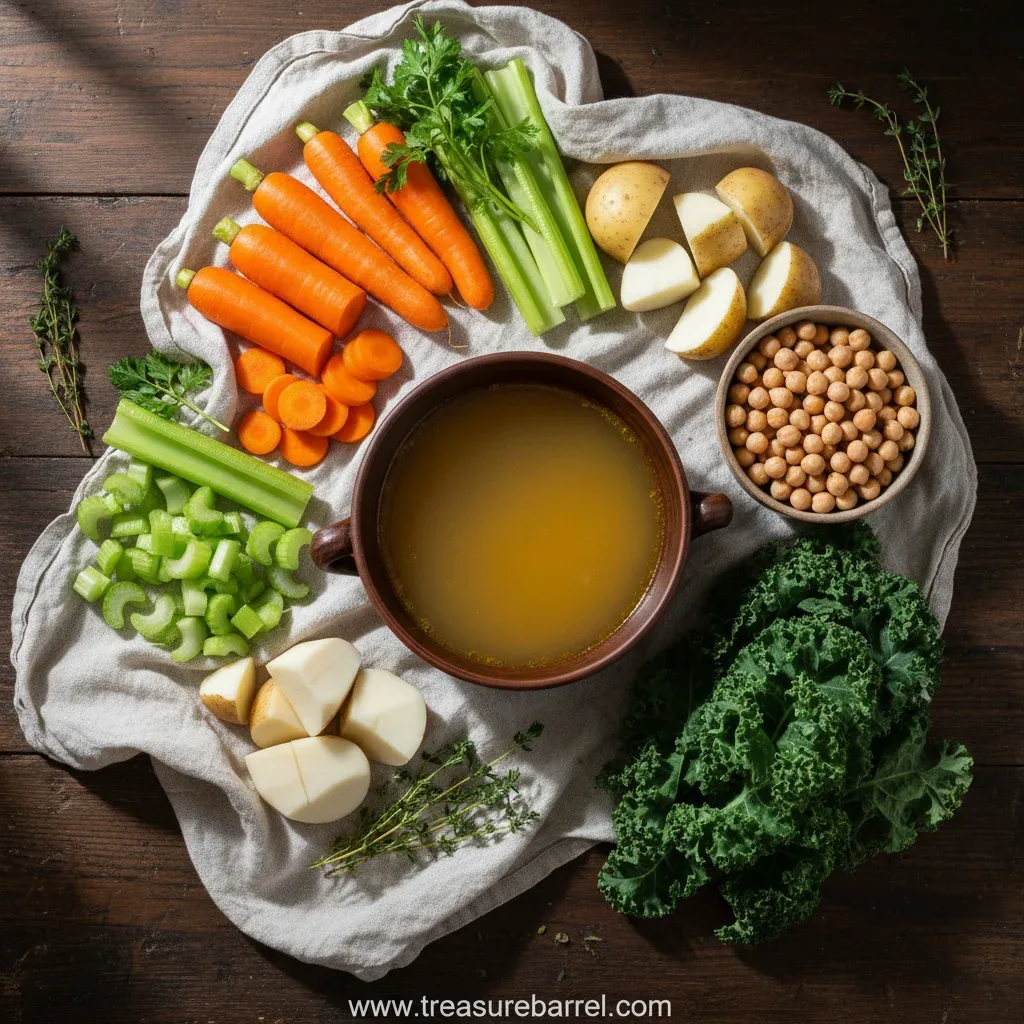
Professional secrets
- A Parmesan rind adds incredible depth of flavor—save them in your freezer.
- Sweat the vegetables over medium-low heat to develop sweetness, not brown them.
- Add delicate greens like spinach at the very end to preserve color and texture.
Common mistakes to avoid
- Adding the pasta too early, causing it to become mushy.
- Not sautéing the aromatics long enough, resulting in a flat flavor.
- Overcooking the green vegetables like zucchini and spinach.
Substitutions
- Cannellini beans: Great Northern beans or kidney beans. The texture and flavor will be slightly different but equally delicious.
- Zucchini: Yellow squash or more carrots. Any summer squash will work well, just adjust cooking time if needed.
- Small pasta: Brown rice or quinoa. For a gluten-free option, adjust cooking time according to package directions.
Variations
- Tuscan Minestrone: Add a can of drained chickpeas and a bunch of chopped lacinato kale for a more robust, Tuscan-style version.
- Spicy Minestrone: Add a pinch of red pepper flakes with the garlic for a gentle heat.
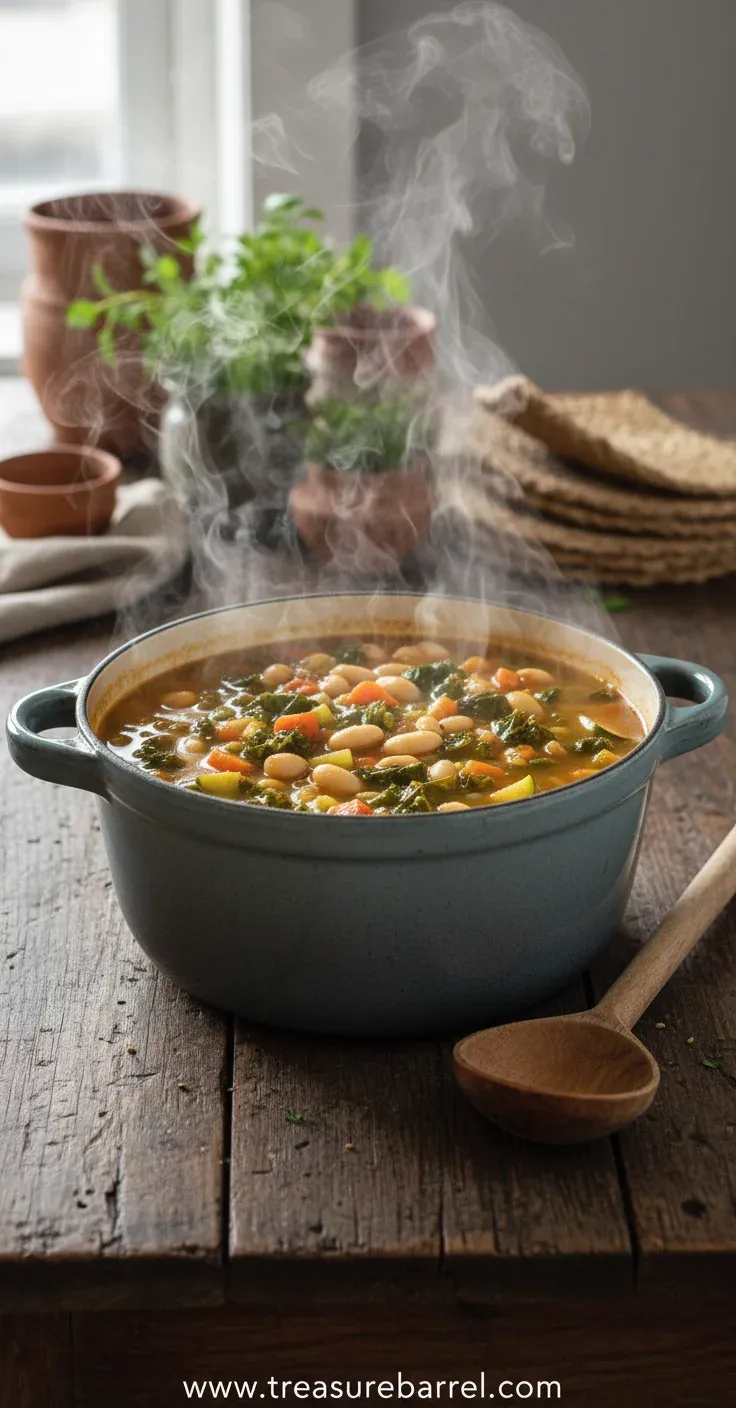
Storage
Store cooled soup in an airtight container in the refrigerator for up to 4 days. The pasta will absorb more liquid, so you may need to add a splash of broth when reheating.
Make ahead
You can chop all the vegetables a day ahead and store them in airtight containers in the refrigerator. The soup base (through step 2) can also be made a day ahead and refrigerated; just finish with the remaining ingredients when ready to serve.
Leftovers
Leftovers reheat beautifully on the stovetop over low heat. The pasta will have absorbed more liquid, so add a little extra broth or water when reheating to reach your desired consistency.
Serving ideas
- Serve in a deep bowl with a side of garlic bread.
- Top with a dollop of pesto for an extra flavor kick.
- Add a sprinkle of red pepper flakes for those who like a little heat.
Allergy information
Contains gluten (from pasta). Can be made gluten-free by using gluten-free pasta.
Hearty Minestrone Soup
A cozy minestrone soup loaded with seasonal vegetables and tender pasta.
- Prep time
- 20 min
- Cook time
- 35 min
- Total time
- 55 min
- Difficulty
- Easy
- Cuisine
- Italian
- Course
- Soup
Ingredients
Soup Base
Vegetables & Beans
Pasta & Finish
Instructions
- 1
Heat the olive oil in a large Dutch oven or heavy-bottomed pot over medium heat. Add the diced onion, carrots, and celery. Cook, stirring occasionally, until the vegetables have softened, about 8-10 minutes. Add the minced garlic and oregano and cook for another minute until fragrant.
- 2
Pour in the diced tomatoes with their juices and the broth. If you're using a Parmesan rind, add it now. Bring the soup to a boil, then reduce the heat to low and let it simmer for about 15 minutes.
- 3
Stir in the diced zucchini, cannellini beans, and green beans. Continue to simmer for another 10 minutes, until the zucchini is just tender.
- 4
Add the small pasta to the pot and cook according to package directions, usually about 8-10 minutes, until al dente. If the soup seems too thick, you can add a bit more broth or water.
- 5
Once the pasta is cooked, stir in the chopped spinach or kale and cook for just another minute until wilted. Remove the pot from the heat. Fish out the Parmesan rind if you used one. Taste the soup and season generously with salt and pepper.
- 6
Ladle the hot soup into bowls. Garnish with fresh herbs and a generous sprinkle of grated Parmesan cheese. Drizzle with a little extra olive oil if you like.
Nutrition per serving
- 280 kcal
- Calories
- 12 g
- Protein
- 42 g
- Carbs
- 7 g
- Fat
Tips & notes
- For a heartier soup, you can add some diced turkey ham along with the vegetables. - If you prefer a smoother broth, you can blend one cup of the soup and stir it back in for thickness. - This is a great recipe for an easy family meal that everyone can enjoy.
Frequently asked questions
Can I make this soup ahead of time?
Absolutely. In fact, it often tastes even better the next day. Just store it in the fridge and reheat gently.
What can I use instead of cannellini beans?
Great Northern beans or even kidney beans work perfectly well as a substitute.
Can I freeze minestrone soup?
Yes, but it's best to freeze it without the pasta. The pasta can become mushy when thawed. Just cook fresh pasta when you reheat.
Is this soup vegetarian?
It can be! Just use vegetable broth instead of chicken broth and skip the Parmesan rind if you're avoiding animal products.
My soup is too thick. How can I thin it out?
Just add a bit more broth or water until it reaches your desired consistency. The pasta will continue to absorb liquid.
What's the best pasta to use?
Small shapes that can be easily scooped with a spoon are ideal. Ditalini, small shells, or even orzo work great.