
Ratatouille hails from the sun-drenched region of Provence in southeastern France, a dish born from the necessity of using up the summer garden's generous yield. Originally a humble farmer's meal, each family had their own version, but the core principle remained: a slow simmer that coaxes out the deep, sweet flavors of eggplant, zucchini, bell peppers, and tomatoes. The name itself is derived from the Occitan word 'ratatolha', meaning to stir or shake up, reflecting the method of gently combining these vibrant ingredients. Over time, it evolved from a rustic staple into a celebrated symbol of French provincial cooking, beloved for its ability to capture the very essence of the Mediterranean summer in a single pot.
Why You'll Love It
-
- It's a celebration of summer's freshest vegetables, each bite bursting with garden-fresh flavor.
-
- Incredibly versatile—serve it warm, at room temperature, or even cold the next day.
-
- Naturally vegan and gluten-free, making it a perfect dish for gatherings with diverse diets.
-
- The slow-cooking process fills your home with an aroma that is just pure comfort.
"My family requests this at least once a week now. It's the most comforting, flavorful vegetable dish I've ever made."
Essential Ingredient Guide
- Eggplant: Choose a firm, heavy eggplant with smooth, shiny skin. Salting it before cooking draws out bitterness and helps it hold its shape, giving the dish a lovely meaty texture.
- Zucchini: Look for small to medium zucchini that feel dense for their size. They'll soften beautifully but won't turn to mush, adding a gentle sweetness to the stew.
- Bell Peppers: A mix of red and yellow peppers brings both color and a subtle sweetness. Roasting them lightly beforehand can deepen their flavor even more, which is a lovely trick.
- Herbes de Provence: This blend of dried rosemary, thyme, oregano, and lavender is the soul of the dish. Add it early so the herbs have time to infuse the entire pot with their earthy, floral fragrance.
- Tomatoes: Good, ripe tomatoes are key for the base. If they're not in season, a can of quality crushed tomatoes works perfectly well and provides a rich, consistent sauce.
- Olive Oil: Use a good, fruity extra-virgin olive oil. You'll use a fair amount to sauté the vegetables, and a final drizzle at the end really wakes up all the flavors.
 Family Favorites
Meat Lovers Pizza Casserole Recipe
A comforting baked dish that brings pizza night flavors together in one easy casserole.
Complete Cooking Process
-
Ingredient Readiness:
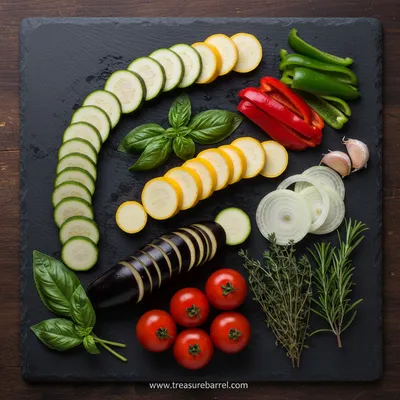
Before anything hits the pan, you'll want to get your vegetables prepped. Cube the eggplant and zucchini, slice the onions, and dice the peppers. I always take a moment to salt the eggplant and let it sit for about 20 minutes; you'll see little beads of moisture appear. Just pat them dry with a paper towel. It's a small step, but it makes such a difference in the final texture, you know?
-
Flavor Development:
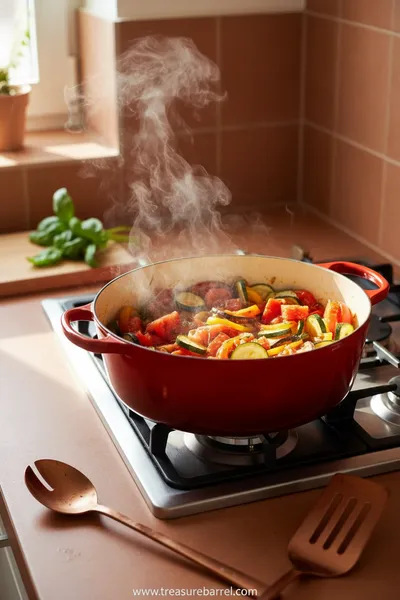
This is where the magic starts. You'll sauté the onions and garlic until they're just soft and fragrant. Then the peppers go in, and you let them cook until they start to soften. The real depth comes from adding the tomatoes and that wonderful herb blend. This is the foundation, and you want to let it bubble away for a bit, the flavors melding together.
-
Texture Control:
Adding the eggplant and zucchini is the next big moment. You don't want to stir too much after this. The goal is to let them steam and soften in the rich tomato sauce without breaking apart completely. A gentle simmer is your friend here. It’s a bit like making a good, hearty pasta sauce, where you want the ingredients to retain their character.
-
Finishing Touches:
When the vegetables are tender but not mushy, it's time to turn off the heat. This is my favorite part. I stir in a final glug of that good olive oil and maybe a handful of fresh basil leaves if I have them. It just brightens everything up. The dish tastes wonderful right away, but honestly, it's even better after it rests for a while.
-
Serving Timing:
Ratatouille is incredibly forgiving. It's fantastic served piping hot over polenta or with crusty bread to soak up the sauce. But it's also sublime at room temperature, almost like a thick, chunky salad. And the next day? Wow, the flavors have just settled in together so perfectly. It’s a dish that truly improves with a little patience.
-
Don't rush the sautéing. Let each vegetable get a little color and soften properly before adding the next.
-
A wide, heavy-bottomed pot or Dutch oven is ideal. It gives the vegetables enough space to cook evenly.
-
Taste and adjust the seasoning right at the end. Sometimes it needs another pinch of salt or a crack of pepper.
-
Let it rest. Seriously, even 15 minutes off the heat allows the flavors to marry beautifully.
Pro Tips
I find that the rhythm of making ratatouille is as comforting as eating it. There's a quiet satisfaction in layering the flavors, in the gentle simmer that fills the kitchen. It’s not a fussy dish, but it rewards attention. Every time I make it, I’m reminded of how simple ingredients, treated with care, can become something really special. It’s the kind of meal that feels like a warm hug, you know? It’s wholesome and satisfying in a way that never gets old.
 Warm Meals
Beef Ragu Pasta Recipe in Tomato Sauce
A rich and hearty pasta dish with slow-cooked beef ragu in a savory tomato sauce.
The essence of the dish:
What makes ratatouille so special is its beautiful simplicity and the way it honors each vegetable. It’s not a mushy stew; each component – the silky eggplant, the tender zucchini, the sweet peppers – keeps its identity while contributing to a harmonious whole. The rich, herby tomato sauce brings it all together into something greater than the sum of its parts. It’s rustic, honest food that speaks of sunshine and soil.
A fun fact or historical angle:
While many now know ratatouille from the animated film, its real history is deeply rooted in Provençal peasant culture. It was a practical way for families to preserve and enjoy the late summer harvest. The method of cooking the vegetables separately before combining them, known as 'à la niçoise', is considered the more traditional approach, ensuring every ingredient is perfectly cooked.
Flavor or sensory focus:
The first thing you'll notice is the incredible aroma—earthy herbs, sweet tomatoes, the faint scent of onion and garlic. Then, when you take a bite, it's a symphony of textures and tastes: the soft give of the eggplant, the slight firmness of the zucchini, the sweetness of the peppers, all bound by that deeply savory, tomato-rich sauce. It’s a deeply satisfying, almost creamy feel in your mouth, without any cream at all.
You Must Know
-
Patience is the secret ingredient. Rushing the cooking will result in watery vegetables and underdeveloped flavor.
-
Salt your eggplant. It’s a non-negotiable step for the best texture and to prevent bitterness.
-
Use the best olive oil you can for finishing. Its flavor will shine through and elevate the entire dish.
Frequently Asked Questions
→ Can I make ratatouille ahead of time?
Absolutely. In fact, it's one of those dishes that tastes even better the next day. Make it up to 2 days in advance and store it in the fridge. Gently reheat it on the stove or enjoy it at room temperature.
→ What's the best way to serve ratatouille?
It's wonderfully versatile! Serve it hot as a main course with crusty bread, polenta, or rice. It's also fantastic as a side dish to grilled chicken or lamb. Chilled, it makes a great addition to a picnic basket.
→ My ratatouille turned out watery. What happened?
This usually means the vegetables released too much liquid too quickly. Next time, make sure to salt the eggplant and pat it dry. Also, cook the tomato sauce base a bit longer before adding the other veggies to evaporate some moisture. A wide pot helps too.
→ Can I freeze ratatouille?
You can, but the texture of the zucchini and eggplant may become a bit softer upon thawing. It will still taste delicious, especially if you plan to use it in a pasta sauce or as a base for a shakshuka. Freeze it in airtight containers for up to 3 months.
→ What can I use instead of herbes de Provence?
If you don't have the blend, you can use a combination of dried thyme and rosemary as a base, with maybe a tiny pinch of dried oregano. The flavor profile will be slightly different but still delicious.
→ Is ratatouille healthy?
It's incredibly healthy! It's packed with vitamins and fiber from all the vegetables, and it's low in calories and fat (depending on the oil used). It's a fantastic way to eat a variety of veggies in one sitting.
Nutrition Facts
per serving
145
Calories
4g
Protein
20g
Carbs
7g
Fat
Taste Profile
A deeply savory and herbaceous profile with a natural sweetness from the slow-cooked vegetables.
Ingredient Substitutions
Don't have an ingredient? Try these alternatives
The flavor will be slightly different but still herbaceous and delicious.
A great year-round option that provides consistent results and rich flavor.
Recipe Variations
Try these delicious twists on the original
Confit Byaldi (Modern Version)
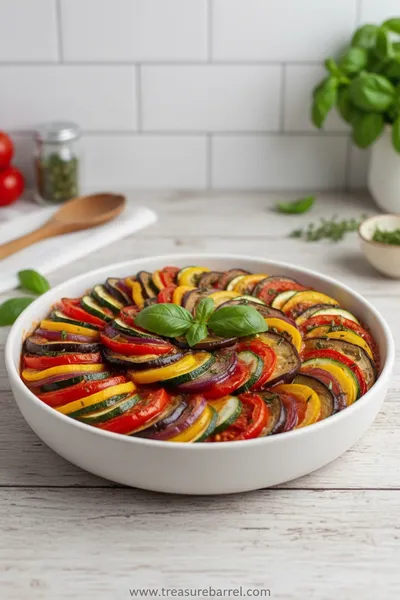
Inspired by the movie, arrange thinly sliced vegetables in overlapping concentric circles over a tomato sauce and bake until tender.
Roasted Ratatouille
Toss all the vegetables with olive oil and herbs and roast them on a sheet pan until caramelized and tender, then combine with the tomato sauce.
Common Mistakes to Avoid
Learn from others' mistakes for perfect results
- Skipping the salting step for the eggplant, resulting in a bitter taste and soggy texture.
- Adding all the vegetables at once and overcooking the zucchini before the eggplant is done.
- Using a pot that's too small, which steams the vegetables instead of letting them simmer properly.
- Not simmering the tomato sauce base long enough, leading to a watery final dish.
Meal Prep & Storage
Make Ahead Tips
You can prepare the ratatouille completely up to 2 days ahead. The flavors will continue to develop and deepen as it sits in the refrigerator. Reheat gently on the stovetop or serve at room temperature.
Leftover Ideas
Leftover ratatouille is fantastic! Reheat it gently in a saucepan. It's also wonderful cold, tossed with pasta for a quick lunch, used as a topping for bruschetta, or even as a sauce for eggs.
Perfect Pairings
Serve this with...
Cooking Timeline
Prep and salt the eggplant. Chop all remaining vegetables.
Sauté onions, garlic, and bell peppers until softened.
Add tomatoes and herbs, simmer to develop the base sauce.
Add eggplant and zucchini, cover, and simmer until tender.
Finish with olive oil, adjust seasoning, and let rest before serving.
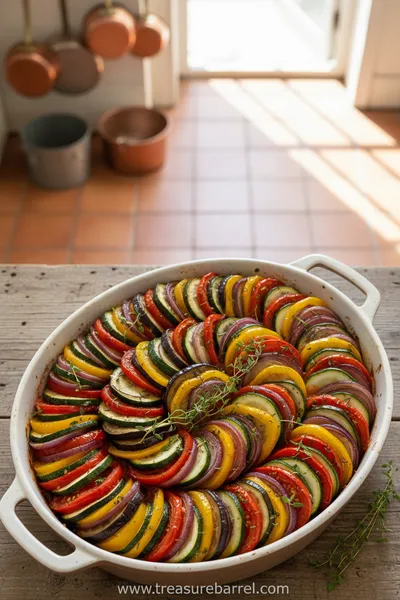
Homemade Classic French Ratatouille
This homemade classic French ratatouille brings the taste of Provence right to your table with its medley of seasonal vegetables cooked low and slow in a rich, herb-infused tomato sauce.
Timing
Prep Time
25 Minutes
Cook Time
45 Minutes
Total Time
1 Hour 10 Minutes
Recipe Details
Ingredients
Main Vegetables
-
01
1 large eggplant (about 1 lb), cut into 1-inch cubes
-
02
2 medium zucchini, cut into 1-inch chunks
-
03
1 red bell pepper, chopped
-
04
1 yellow bell pepper, chopped
-
05
1 large onion, chopped
-
06
4 cloves garlic, minced
For the Sauce
-
01
1 (28-ounce) can crushed tomatoes
-
02
3 tablespoons olive oil, divided
-
03
1 tablespoon herbes de Provence
-
04
1 bay leaf
-
05
Salt and freshly ground black pepper to taste
-
06
Fresh basil leaves, for garnish
Instructions
Place the cubed eggplant in a colander and toss with a teaspoon of salt. Let it sit for 20-30 minutes to draw out moisture. Rinse briefly and pat very dry with paper towels.
Heat 2 tablespoons of olive oil in a large, heavy-bottomed pot or Dutch oven over medium heat. Add the onion and cook until softened, about 5 minutes. Add the garlic and cook for another minute until fragrant.
Add the chopped bell peppers to the pot. Cook, stirring occasionally, until they begin to soften, about 8 minutes.
Stir in the crushed tomatoes, herbes de Provence, and the bay leaf. Season with a good pinch of salt and pepper. Bring to a simmer, then reduce the heat to low. Let it cook gently for about 10 minutes to allow the flavors to meld.
Gently stir in the prepared eggplant and zucchini chunks. Try not to break them up too much. Cover the pot and let it simmer on low heat for 25-35 minutes, or until all the vegetables are very tender but still holding their shape. Stir occasionally.
Once cooked, remove the pot from the heat. Discard the bay leaf. Stir in the remaining 1 tablespoon of olive oil. Taste and adjust seasoning with more salt or pepper if needed. Let it rest for at least 10 minutes before serving. Garnish with fresh basil leaves.
Notes & Tips
-
1
Salting the eggplant is a crucial step for the best texture and to prevent bitterness.
-
2
Ratatouille tastes even better the next day, so it's a great make-ahead meal.
-
3
For a more intense flavor, you can roast the bell peppers and eggplant before adding them to the pot.
Tools You'll Need
-
Large Dutch oven or heavy-bottomed pot
-
Cutting board
-
Chef's knife
-
Colander
-
Wooden spoon
-
Measuring spoons
Must-Know Tips
-
Don't overcrowd the pot, Cook the vegetables in batches if your pot is small to ensure they sauté properly.
-
Let the sauce base simmer, Giving the tomato and herb mixture time to cook down creates a richer, deeper flavor foundation.
-
Taste as you go, Adjust the seasoning at the end, as the saltiness can change as the vegetables release their water.
Professional Secrets
-
Pat vegetables dry, Ensuring eggplant and zucchini are dry after salting helps them brown instead of steam.
-
Low and slow heat, A gentle simmer is key to tender vegetables without turning them to mush.
-
Finish with good oil, A final drizzle of quality olive oil added off the heat brightens the whole dish.

Recipe by
Amelia RoseAmelia cooks hearty meals 🥘🔥, sharing warmth 💛 and cozy evenings 🕯️🍲. Every dish she makes is full of love ❤️ and family laughter 👩👩👧👦🍛.
Get Delicious Recipes Weekly
Join 25,000+ home cooks getting our best recipes straight to their inbox.
Free forever • No spam • Unsubscribe anytime