
Lo mein, which translates to 'tossed noodles,' has been a staple in Chinese cuisine for centuries, originally popularized in the Guangdong province. The dish's versatility allowed cooks to use whatever ingredients were available, making it a practical choice for family meals. The combination of sweet honey with the heat of black pepper creates a balance of flavors that has delighted diners for generations, evolving into the modern interpretation we enjoy today.
Why You'll Love It
-
Ready in under 30 minutes for busy weeknights
-
Perfect balance of sweet honey and spicy pepper
-
Packed with fresh vegetables and tender chicken
-
Easy to customize with your favorite ingredients
"My family requests this every week—the perfect balance of sweet and savory that even the kids love!"
Essential Ingredient Guide
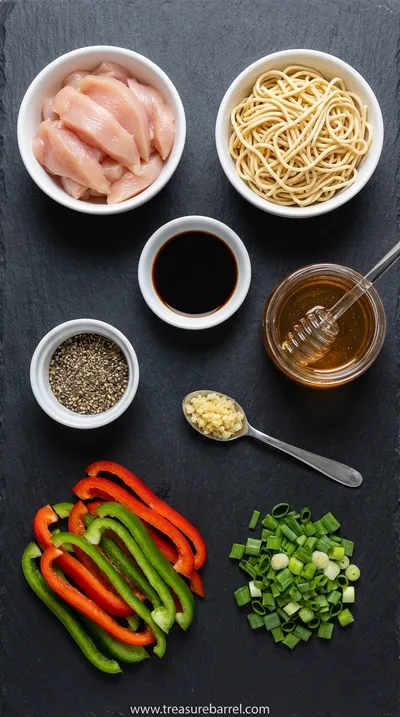
- Lo mein noodles: These wheat-based noodles have a wonderful chewiness that holds up well to stirring. Look for fresh ones in the refrigerated section if possible.
- Chicken thighs: Thighs stay juicier than breast meat during quick cooking. Cut them into even pieces so they cook uniformly.
- Bell peppers: Use a mix of colors for visual appeal. Slice them thinly so they cook quickly but still retain some crunch.
- Fresh ginger: Grating it fresh makes all the difference—that sharp, aromatic quality brightens the entire dish.
- Soy sauce: Provides the salty foundation. I use reduced-sodium to better control the seasoning.
- Honey: The floral sweetness balances the pepper's heat. Warm the honey slightly if it's thick to help it mix into the sauce.
Complete Cooking Process
-
Ingredient Readiness:
Having everything prepped before you start cooking is crucial with stir-fries. The chicken should be cubed, vegetables sliced, and sauce ingredients measured and mixed together in a small bowl.
-
Flavor Development:
The aromatics—garlic, ginger, and the black pepper—bloom in the hot oil, releasing their essential oils and creating the foundation of flavor before anything else goes into the pan.
-
Texture Control:
Cooking the vegetables just until they're tender-crisp maintains their freshness and color. The noodles need just enough time in the sauce to heat through and absorb flavor without becoming mushy.
-
Finishing Touches:
A final toss with sliced green onions and a drizzle of sesame oil right before serving adds a burst of fresh flavor and aroma that makes the dish come alive.
-
Serving Timing:
Serve immediately while everything is hot and the noodles are perfectly coated. This dish doesn't wait well—it's best enjoyed straight from the wok.
-
Use the highest heat your stove can manage for a proper stir-fry
-
Don't overcrowd the pan—cook in batches if needed
-
Have all ingredients within arm's reach before turning on the heat
-
Taste and adjust seasoning right at the end
Pro Tips
Honestly, the key to great lo mein is confidence. Don't be timid with the heat—that sizzle when the sauce hits the hot pan is what creates those wonderful caramelized bits. I remember when I first started cooking stir-fries, I was so worried about burning things that I kept the temperature too low. Everything just steamed instead of seared. It took practice to learn that a hot pan and quick movements are your friends here. The beauty of this dish, much like a good one-pot pasta, is how everything comes together in one pan. The flavors meld while each component keeps its identity—the tender chicken, the crisp-tender vegetables, the chewy noodles all coated in that glossy sauce. It's the kind of meal that feels both special and completely approachable, which is why it's become such a favorite in our house.
 Family Favorites
Meat Lovers Pizza Casserole Recipe
A comforting baked dish that brings pizza night flavors together in one easy casserole.
The essence of the dish:
What makes this lo mein special is how the sweet honey and sharp black pepper play off each other, creating a complexity that's greater than the sum of its parts. It's comfort food with character.
A fun fact or historical angle:
The term 'lo mein' didn't appear in English cookbooks until the 1920s, as Chinese restaurants began gaining popularity in Western countries, adapting their dishes to local tastes.
Flavor or sensory focus:
You'll notice the aroma first—that wonderful combination of toasted sesame, ginger, and soy. Then the texture: the slight resistance of the noodles giving way to tender chicken and crisp vegetables.
You Must Know
-
The sauce should be mixed before cooking for even flavor distribution
-
Undercook the noodles slightly since they'll finish in the hot sauce
-
Use a large skillet or wok to allow proper evaporation and caramelization
-
Let the chicken develop a golden crust before stirring—that's where flavor lives
Frequently Asked Questions
→ Can I use chicken breast instead of thighs?
You can, but thighs stay more moist during quick cooking. If using breast, cut it smaller and don't overcook—it can become dry very quickly.
→ What can I substitute for lo mein noodles?
Linguine or spaghetti works in a pinch, though the texture will be different. Fresh udon noodles would be closer to the authentic chewiness.
→ How spicy is the black pepper?
It's a warm, aromatic heat rather than sharp spice. Start with the amount given—you can always add more at the end if you want more kick.
→ Can I make this vegetarian?
Absolutely. Replace chicken with extra-firm tofu or mushrooms, and use vegetable broth instead of chicken broth in the sauce.
→ How do I prevent soggy noodles?
Make sure your noodles are well-drained and slightly undercooked before adding to the pan. The sauce should thicken quickly rather than simmering too long.
→ Can I prepare components ahead?
You can chop vegetables and make the sauce a day ahead, but cook everything just before serving for best texture.
Nutrition Facts
per serving
420
Calories
28g
Protein
52g
Carbs
12g
Fat
Taste Profile
Balanced sweet-salty with warm pepper notes and deep umami backbone
Ingredient Substitutions
Don't have an ingredient? Try these alternatives
Adjust cooking time—shrimp cooks in 2-3 minutes, beef slightly longer than chicken
Cook until al dente and rinse lightly to prevent sticking
Recipe Variations
Try these delicious twists on the original
Spicy Version
Add 1-2 teaspoons of chili garlic sauce or red pepper flakes to the sauce for extra heat
Vegetable-Heavy
Double the vegetables and add mushrooms, carrots, and baby corn for a plant-forward meal
Common Mistakes to Avoid
Learn from others' mistakes for perfect results
- Overcooking the noodles before adding to sauce
- Adding sauce too early causing it to burn
- Not having ingredients prepped leading to rushed cooking
- Using low heat resulting in steamed rather than seared ingredients
Meal Prep & Storage
Make Ahead Tips
You can chop vegetables and make the sauce up to a day in advance. Store separately in refrigerator. The chicken can be cubed and refrigerated up to 24 hours ahead.
Leftover Ideas
Reheat gently in a skillet with a tablespoon of water to refresh the sauce. The noodles will be softer but still tasty. Not recommended for freezing.
Perfect Pairings
Serve this with...
Cooking Timeline
Start boiling water for noodles, chop vegetables and chicken
Cook noodles, make sauce, begin stir-frying chicken
Cook vegetables, combine everything with sauce
Final tossing, garnish, and serve immediately
 Warm Meals
Beef Ragu Pasta Recipe in Tomato Sauce
A rich and hearty pasta dish with slow-cooked beef ragu in a savory tomato sauce.
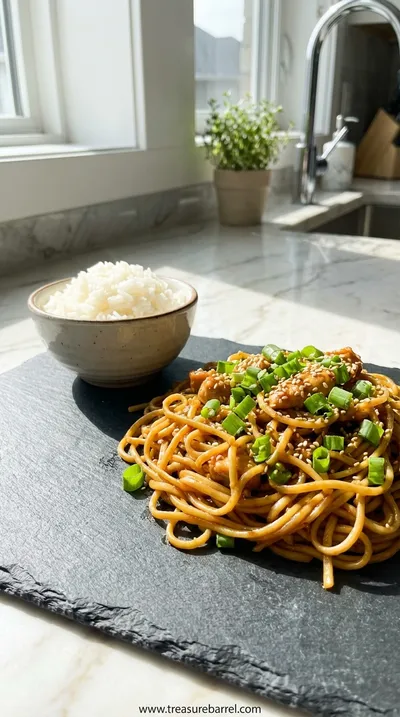
Honey Pepper Chicken Lo Mein with Steamed Rice Recipe
This honey pepper chicken lo mein combines tender chicken with fresh vegetables and a sweet-spicy sauce, served over fluffy steamed rice for a comforting dinner that comes together in under 30 minutes.
Timing
Prep Time
15 Minutes
Cook Time
12 Minutes
Total Time
27 Minutes
Recipe Details
Ingredients
For the Chicken and Noodles
-
01
1 lb boneless, skinless chicken thighs, cut into 1-inch pieces
-
02
8 oz lo mein noodles
-
03
1 red bell pepper, thinly sliced
-
04
1 yellow bell pepper, thinly sliced
-
05
1 cup snow peas
-
06
3 green onions, sliced (white and green parts separated)
-
07
2 tbsp vegetable oil
For the Sauce
-
01
1/4 cup soy sauce (reduced sodium)
-
02
3 tbsp honey
-
03
2 tbsp chicken broth
-
04
1 tbsp rice vinegar
-
05
2 tsp freshly grated ginger
-
06
3 cloves garlic, minced
-
07
1 tsp freshly ground black pepper
-
08
1 tsp sesame oil
Instructions
Cook the lo mein noodles according to package directions until al dente. Drain well and set aside. Meanwhile, whisk together all sauce ingredients in a small bowl until honey is fully incorporated.
Heat 1 tablespoon of vegetable oil in a large wok or skillet over high heat. Add chicken pieces in a single layer and cook undisturbed for 2-3 minutes until golden brown on one side. Flip and cook another 2 minutes until cooked through. Remove chicken from pan.
Add remaining oil to the same pan. Add the white parts of green onions, bell peppers, and snow peas. Stir-fry for 2-3 minutes until vegetables are tender-crisp.
Return chicken to the pan along with cooked noodles. Pour the sauce over everything and toss continuously for 1-2 minutes until everything is evenly coated and sauce has thickened slightly.
Remove from heat and stir in the green parts of the onions and sesame oil. Taste and adjust seasoning if needed. Serve immediately with steamed rice.
Notes & Tips
-
1
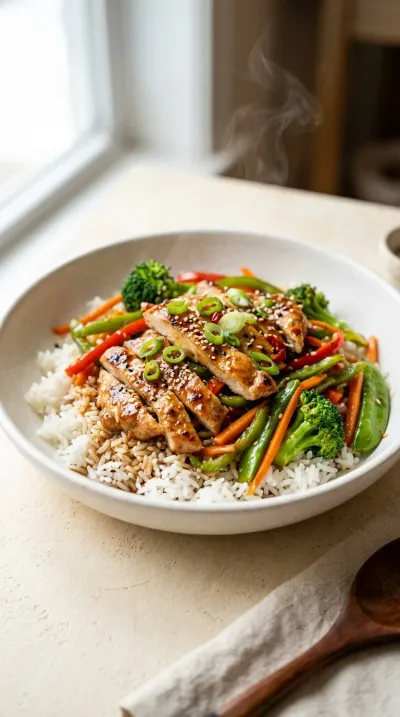
For extra vegetables, add sliced carrots or broccoli florets with the bell peppers
-
2
If sauce becomes too thick, add a tablespoon of chicken broth to thin it out
-
3
Leftovers can be refrigerated for up to 2 days, though noodles will soften upon reheating
-
4
To make it gluten-free, use tamari instead of soy sauce and check your noodle ingredients
Tools You'll Need
-
Large wok or skillet
-
Pot for cooking noodles
-
Cutting board and sharp knife
-
Measuring spoons and cups
-
Mixing bowls
-
Tongs or wooden spoon for stirring
Must-Know Tips
-
Don't overcrowd the pan when cooking chicken—cook in batches if needed
-
Let meat develop a crust before stirring for better flavor
-
Taste as you go and adjust honey or pepper to your preference
-
Have everything prepped before starting—stir-frying happens quickly
Professional Secrets
-
High heat is essential for proper wok hei (breath of the wok) flavor
-
Undercook noodles slightly—they'll finish cooking in the sauce
-
Add a pinch of sugar to balance the soy sauce if your honey isn't very sweet
-
Toast the black pepper briefly in a dry pan before grinding for deeper flavor

Recipe by
Amelia RoseAmelia cooks hearty meals 🥘🔥, sharing warmth 💛 and cozy evenings 🕯️🍲. Every dish she makes is full of love ❤️ and family laughter 👩👩👧👦🍛.
Get Delicious Recipes Weekly
Join 25,000+ home cooks getting our best recipes straight to their inbox.
Free forever • No spam • Unsubscribe anytime