
The concept of stacking flavorful ingredients over rice has roots in various Asian cuisines, often celebrated for creating a complete, balanced meal in a single bowl. Korean cuisine, in particular, masters the art of contrasting textures and bold, fermented flavors. Dishes like bibimbap showcase this beautifully, and this rice stack is a playful, modern take on that tradition, focusing on the irresistible combination of sweet, savory, and spicy notes that define Korean BBQ.
Why You'll Love It
-
Incredibly satisfying layers of flavor and texture in every bite.
-
Comes together much faster than you'd think for such an impressive dish.
-
Perfect for using up leftover rice and veggies from the fridge.
-
The sweet and savory BBQ sauce is downright addictive.
"My family goes absolutely quiet when I serve this – the only sound is happy chewing! It’s become our favorite weeknight treat."
Essential Ingredient Guide
- Beef steak (sirloin or ribeye): Thinly sliced against the grain for maximum tenderness. I like to pop it in the freezer for about 20 minutes first; it makes slicing so much easier, honestly.
- Gochujang paste: This fermented red pepper paste is the heart of the flavor. It brings a deep, spicy, slightly sweet kick. Look for it in the Asian aisle.
- Sesame oil: Just a drizzle at the end makes all the difference. That toasty, nutty aroma is unmistakable and really ties everything together.
- Short-grain white rice: It gets nice and sticky, which is perfect for holding the stack together. Day-old rice works wonderfully here, it has a better texture.
- Rice vinegar: A little splash in the sauce adds a bright acidity that balances the richness of the beef and the sweetness of the BBQ glaze.
- Pear: Grated pear in the marinade is a classic Korean trick. It tenderizes the meat naturally and adds a subtle, fresh sweetness you don't even notice, but you'd miss it if it was gone.
 Family Favorites
Meat Lovers Pizza Casserole Recipe
A comforting baked dish that brings pizza night flavors together in one easy casserole.
Complete Cooking Process
-
Ingredient Readiness:
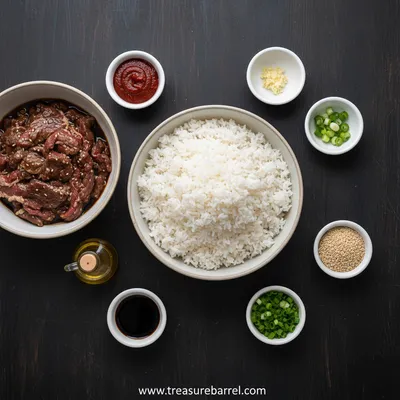
The real secret is in the prep. Getting that beef sliced thin, the rice cooked and slightly cooled, the veggies chopped. It feels a bit like gathering your supplies before starting a project. It makes the actual cooking go so smoothly, you barely have to think about it.
-
Flavor Development:
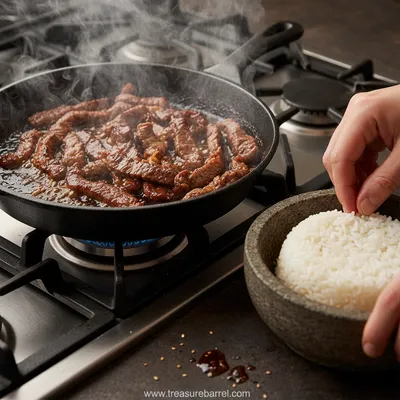
The magic happens when the beef hits the hot pan with the marinade. The sugars caramelize, the soy sauce and garlic sizzle, and that incredible savory-sweet scent just fills the whole kitchen. It’s the best part, that moment when you know it’s going to be good.
-
Texture Control:
You want the beef to have a little sear on the outside but stay tender inside, so a hot pan and quick cooking are key. And the rice should be warm and soft, a perfect base for the crisp veggies on top.
-
Finishing Touches:
A final drizzle of the sauce and a sprinkle of sesame seeds right before serving makes it look as good as it tastes. It’s those little details that turn a simple meal into something special.
-
Serving Timing:
This is best served immediately, while the rice is steaming and the beef is hot from the pan. Everything is at its peak texture and temperature, you know?
-
For an extra flavor boost, toast your sesame seeds in a dry pan for a minute until fragrant.
-
If you have time, let the beef marinate for an hour or even overnight. The difference is amazing.
-
Don't skip the step of letting the cooked beef rest for a few minutes; it keeps all those tasty juices inside.
-
Use a measuring cup or a small bowl to pack the rice for a perfect, neat stack every time.
Pro Tips
I’ve found that the best meals are often the ones that feel a little bit celebratory, even on a regular Tuesday. This dish has that feeling. It’s about taking the time to build something beautiful and delicious, layer by layer. And honestly, it’s just as much fun to make as it is to eat. The process of assembling the stack is so satisfying, watching all those separate elements come together into one perfect bite. It reminds me of why I love cooking—it’s a chance to create a little moment of comfort, from the ground up.
 Warm Meals
Beef Ragu Pasta Recipe in Tomato Sauce
A rich and hearty pasta dish with slow-cooked beef ragu in a savory tomato sauce.
The essence of the dish:
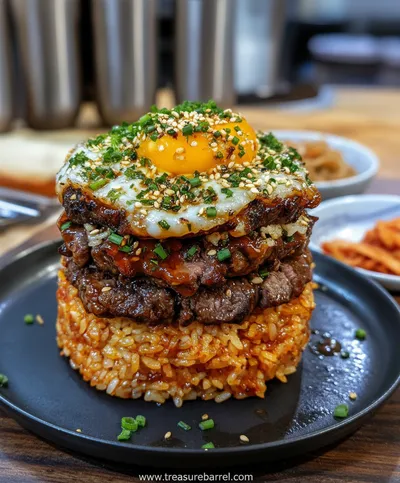
It’s all about the harmony in the bowl. You’ve got the warm, comforting base of rice, the rich, savory bite of the beef, the crisp freshness of the vegetables, and that final spicy-sweet kick from the sauce. Each layer has its own job, and together they just sing.
A fun fact or historical angle:
The practice of eating rice with an assortment of toppings, known as 'deopbap' in Korea, dates back centuries. It was a practical and delicious way for people to enjoy a balanced meal with whatever ingredients were readily available.
Flavor or sensory focus:
What you'll notice first is that incredible aroma—garlic, soy, a hint of sweetness. Then, when you take a bite, it’s the contrast: the tender beef, the fluffy rice, the crunch of cucumber, and the slow-building heat from the gochujang. It’s a whole experience.
You Must Know
-
The quality of your gochujang matters. A good one will have a deep, complex flavor, not just heat.
-
Slice your beef as thin as possible. This is non-negotiable for the right texture.
-
Resist the urge to stir the beef constantly in the pan. Let it sit to get a good sear.
Frequently Asked Questions
→ Can I use a different type of meat?
Absolutely. Thinly sliced chicken thighs or even firm tofu would work beautifully. Just adjust the cooking time accordingly. For chicken, make sure it's cooked through to 165°F.
→ What can I use if I don't have gochujang?
It's hard to replicate that unique flavor, but a mix of Sriracha and a bit of miso paste can work in a pinch. The taste will be different, but still delicious.
→ My rice is too sticky/mushy. What happened?
You might have used too much water when cooking it. Day-old rice is actually best for stacking because it's a bit drier and firmer. If your fresh rice is too wet, spread it on a baking sheet to let some steam escape for a few minutes.
→ Can I make this vegetarian?
For sure! Swap the beef for thick-sliced mushrooms (like king oyster or portobello) or cubes of firm tofu. Marinate them the same way. The mushrooms will give you a wonderful meaty texture.
→ How long will the leftovers keep?
Store components separately if you can. The beef and rice will keep for about 3 days in the fridge. The veggies are best fresh. Reheat the beef and rice gently in the microwave or a skillet.
→ Is this dish very spicy?
It has a kick, but you can control it! Start with less gochujang and add more to taste. The sweetness from the pear and the brown sugar also helps balance the heat.
Nutrition Facts
per serving
480
Calories
30g
Protein
52g
Carbs
16g
Fat
Taste Profile
A bold balance of sweet, savory, and spicy with a deep umami backbone.
Ingredient Substitutions
Don't have an ingredient? Try these alternatives
Chicken will require a slightly longer cooking time to ensure it's fully cooked.
The flavor will be different but still tasty in a pinch.
The pear adds sweetness and enzymes that tenderize; apple will sweeten but not tenderize as effectively.
Recipe Variations
Try these delicious twists on the original
Bibimbap-Style
Add a fried egg on top and some sautéed spinach and bean sprouts for a more traditional bibimbap experience.
Spicy Kimchi Twist
Top with a generous spoonful of kimchi and a sprinkle of kimchi juice for an extra fermented, spicy kick.
Common Mistakes to Avoid
Learn from others' mistakes for perfect results
- Overcrowding the pan when cooking the beef, which steams it instead of searing it.
- Using freshly cooked, very wet rice which makes the stack soggy and unstable.
- Overcooking the beef, making it tough. It cooks very quickly because it's thin.
Meal Prep & Storage
Make Ahead Tips
You can slice the beef and make the marinade up to a day in advance. Keep them separate in the fridge until ready to cook. The rice can also be cooked a day ahead.
Leftover Ideas
Reheat the beef and rice separately in the microwave or a skillet with a splash of water to prevent drying out. Add fresh toppings when serving.
Perfect Pairings
Serve this with...
Cooking Timeline
Prep: Slice beef, mix marinade, marinate beef. Chop vegetables.
Cook beef in batches in the hot skillet until seared and cooked through.
Assemble stacks: pack rice, top with beef, arrange vegetables and toppings.
Serve immediately and enjoy the delicious, warm layers of flavor.
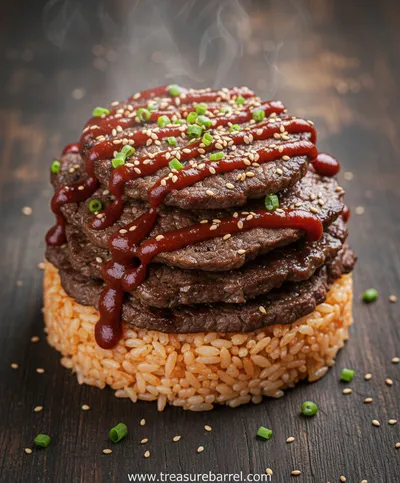
Korean BBQ Beef Rice Stack
A comforting, layered dish featuring savory Korean BBQ beef over steaming rice, topped with fresh veggies and a gochujang drizzle. It's a warm, satisfying meal that feels like a hug in a bowl.
Timing
Prep Time
20 Minutes
Cook Time
15 Minutes
Total Time
35 Minutes
Recipe Details
Ingredients
For the Beef and Marinade
-
01
1 lb beef sirloin or ribeye, thinly sliced against the grain
-
02
3 tablespoons soy sauce
-
03
2 tablespoons brown sugar
-
04
1 tablespoon grated pear
-
05
4 cloves garlic, minced
-
06
1 tablespoon grated ginger
-
07
1 tablespoon rice vinegar
-
08
1 tablespoon toasted sesame oil
-
09
2 teaspoons gochujang paste
-
10
1/2 teaspoon black pepper
For the Stack & Toppings
-
01
4 cups cooked short-grain white rice, warm
-
02
1 tablespoon neutral oil (like canola or vegetable)
-
03
1 cup matchstick-cut carrots
-
04
1 cup thinly sliced cucumber
-
05
2 green onions, thinly sliced
-
06
2 tablespoons toasted sesame seeds
-
07
Extra gochujang for drizzling (optional)
Instructions
In a medium bowl, whisk together all the marinade ingredients: the soy sauce, brown sugar, grated pear, minced garlic, grated ginger, rice vinegar, sesame oil, gochujang, and black pepper. It should smell amazing already, honestly. Add the thinly sliced beef, toss to coat it evenly, and let it sit for at least 15 minutes while you prep everything else. If you have more time, even better.
Get your toppings ready. Slice the cucumber, cut the carrots into matchsticks, and chop the green onions. Having everything prepped and in little bowls makes the final assembly feel so calm and easy, like you're a chef on a cooking show.
Heat the neutral oil in a large skillet or wok over medium-high heat. When the oil is shimmering, add the marinated beef in a single layer. You might need to do this in two batches so you don't overcrowd the pan. Let it sear for about 2-3 minutes without moving it, until it gets a nice brown color on one side.
Flip the beef and cook for another 1-2 minutes, until cooked through but still tender. Pour in any remaining marinade from the bowl and let it bubble up and thicken slightly for about a minute, coating the beef. Remove the skillet from the heat.
Now, let's build the stacks. Pack 1 cup of warm rice into a small bowl or measuring cup, then invert it onto a plate to create a neat base. Top the rice with a generous portion of the hot BBQ beef.
Arrange the carrots and cucumber artfully around the beef stack. Sprinkle with the sliced green onions and a generous pinch of toasted sesame seeds. If you like a little extra kick, drizzle a bit more gochujang thinned with a tiny bit of water over the top. Serve immediately. It's a warm, comforting meal that's perfect any night of the week, much like a slice of moist banana bread is perfect any time of day.
Notes & Tips
-
1
Leftover beef and rice keep well separately for 2-3 days. Reheat gently.
-
2
For a less spicy version, reduce the gochujang to 1 teaspoon.
-
3
Toasting the sesame seeds really amplifies their nutty flavor. Just watch them carefully—they burn fast!

Tools You'll Need
-
Large Skillet or Wok
-
Mixing Bowls
-
Sharp Knife
-
Cutting Board
-
Measuring Spoons and Cups
-
Whisk
-
Box Grater (for pear and ginger)
Must-Know Tips
-
Slice the beef thin against the grain – this is crucial for tenderness.
-
Don't skip the grated pear in the marinade – it's a natural tenderizer.
-
Use day-old rice for the best texture that holds its shape.
Professional Secrets
-
A hot pan is key for searing, not steaming, the beef.
-
Letting the beef marinate for longer (up to overnight) deepens the flavor immensely.
-
A touch of rice vinegar in the sauce brightens all the other flavors.

Recipe by
Amelia RoseAmelia cooks hearty meals 🥘🔥, sharing warmth 💛 and cozy evenings 🕯️🍲. Every dish she makes is full of love ❤️ and family laughter 👩👩👧👦🍛.
Get Delicious Recipes Weekly
Join 25,000+ home cooks getting our best recipes straight to their inbox.
Free forever • No spam • Unsubscribe anytime