Mini Cheesecakes – Quick & Creamy Sweet Treat
Creamy bite‑size cheesecakes that melt in your mouth—a quick, elegant dessert for any occasion.
- Lila Grace
- Sweet Treats
- February 16, 2026
- 3 min read
- Updated November 5, 2026
- Total time
- 35 min
- Servings
- 12 Servings
- Difficulty:
- Easy
Table of contents
Honestly, when I first tried a burnt cheesecake, I realized there’s nothing quite like that rich, caramel‑kissed tang. So, I thought, why not shrink it down? Yeah, mini cheesecakes are my way of keeping the indulgence manageable. I remember the first batch—scent of butter and cream cheese filling the kitchen, a gentle hum of the oven. It feels like a quiet moment of joy, especially when paired with a cup of tea.
The essence of the dish
It’s the silky cream cheese custard that meets a buttery crumb, creating a contrast that’s both comforting and refined.
A fun fact or historical angle
During the 1930s, confectioners started crafting individual cheesecake portions to serve at speakeasies, allowing guests to enjoy a sweet treat without the fuss of cutting a large cake.
Flavor or sensory focus
You’ll notice the gentle tang of lemon, the buttery crunch of the crust, and a lingering vanilla scent that invites you to linger over each bite.
You Must Know
- The crumb should be firm enough to hold its shape
- Never over‑bake; the center should still wobble slightly
- Cool slowly to avoid cracking
I’ve learned that patience is key—letting the cheesecakes rest in the oven with the door ajar helps prevent sudden temperature drops. So when you pull them out, they’ll look smooth, and the texture will stay perfectly creamy. It’s a small ritual that makes the whole experience feel intentional.
The story behind it
Mini cheesecakes trace their roots to the classic New York cheesecake, a dessert that gained fame in the early 20th century. Over time, home bakers began to scale the dessert down, creating portable versions that could be served at tea parties and holiday gatherings. The concept of a single‑serve cheesecake reflects a cultural shift toward portion‑controlled indulgence, allowing more people to enjoy a slice of decadence without the heaviness of a full‑size cake. This evolution mirrors the broader trend in modern baking toward bite‑size treats that fit into busy lives.
Why You'll Love It
- Perfectly portioned for a sweet craving
- Creamy texture with a buttery crust
- Easy to customize with toppings
- Makes a lovely gift or party favor
Tips for success
- Don’t over‑mix the batter; it keeps the texture silky
- Use a water bath to protect the cheesecake edges
- Cool gradually to avoid cracks
- Serve chilled for the best bite‑size experience
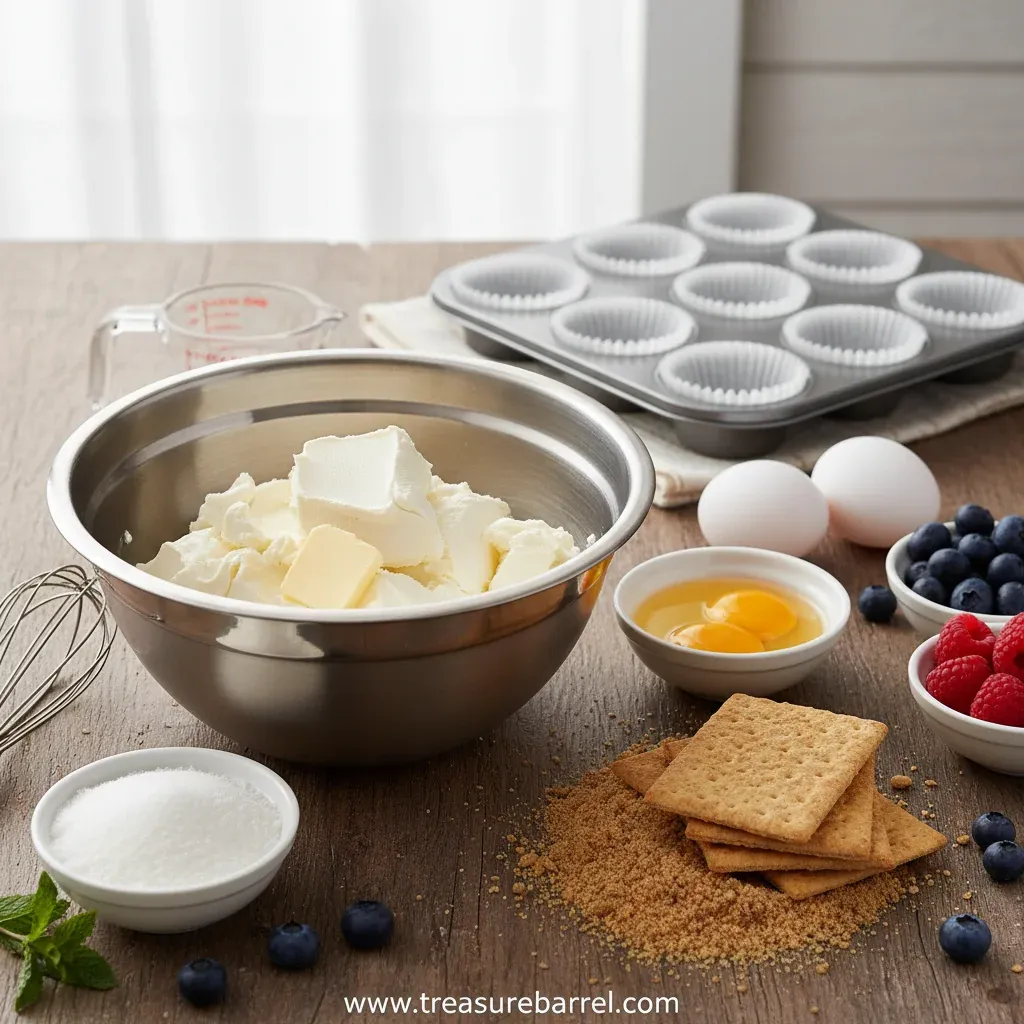
Professional secrets
- Room temperature cream cheese mixes evenly, avoiding lumps
- Gentle oven heat creates a uniform set without browning
- Water bath captures steam, ensuring a smooth surface
Common mistakes to avoid
- Over‑mixing the cream cheese batter, resulting in a grainy texture
- Baking at too high a temperature, causing cracks
- Skipping the water bath, leading to uneven cooking
Substitutions
- Cream cheese: Neufchâtel cheese. Slightly lower in fat, resulting in a lighter texture
- Graham crackers: Digestive biscuits. Provides a similar crumbly base with a hint of malt
Variations
- Spicy Version: Add a pinch of cayenne pepper to the filling and top with candied jalapeño slices.
- Mediterranean Style: Stir in crumbled feta and chopped kalamata olives into the crust, and top with a drizzle of honey.
Storage
Store covered in the refrigerator for up to five days, or freeze in airtight containers for up to one month.
Make ahead
You can bake the crusts and fill them a day ahead; keep the fillings covered in the fridge and add toppings just before serving.
Leftovers
Refrigerate in the original ramekin, covered with plastic wrap; enjoy within five days.
Serving ideas
- Serve chilled on a small dessert plate
- Add a dollop of whipped cream for extra indulgence
- Pair with a crisp white wine or sparkling cider
- Garnish with fresh mint leaves for a touch of color
Allergy information
Contains dairy, eggs, and gluten from graham crackers.
Mini Cheesecakes – Quick & Creamy Sweet Treat
Creamy bite‑size cheesecakes that melt in your mouth—a quick, elegant dessert for any occasion.
- Prep time
- 20 min
- Cook time
- 15 min
- Total time
- 35 min
- Difficulty
- Easy
- Cuisine
- American
- Course
- Dessert
Ingredients
Crust
Filling
Topping (optional)
Instructions
- 1
Preheat the oven to 325°F (160°C). Line a baking sheet with parchment.
- 2
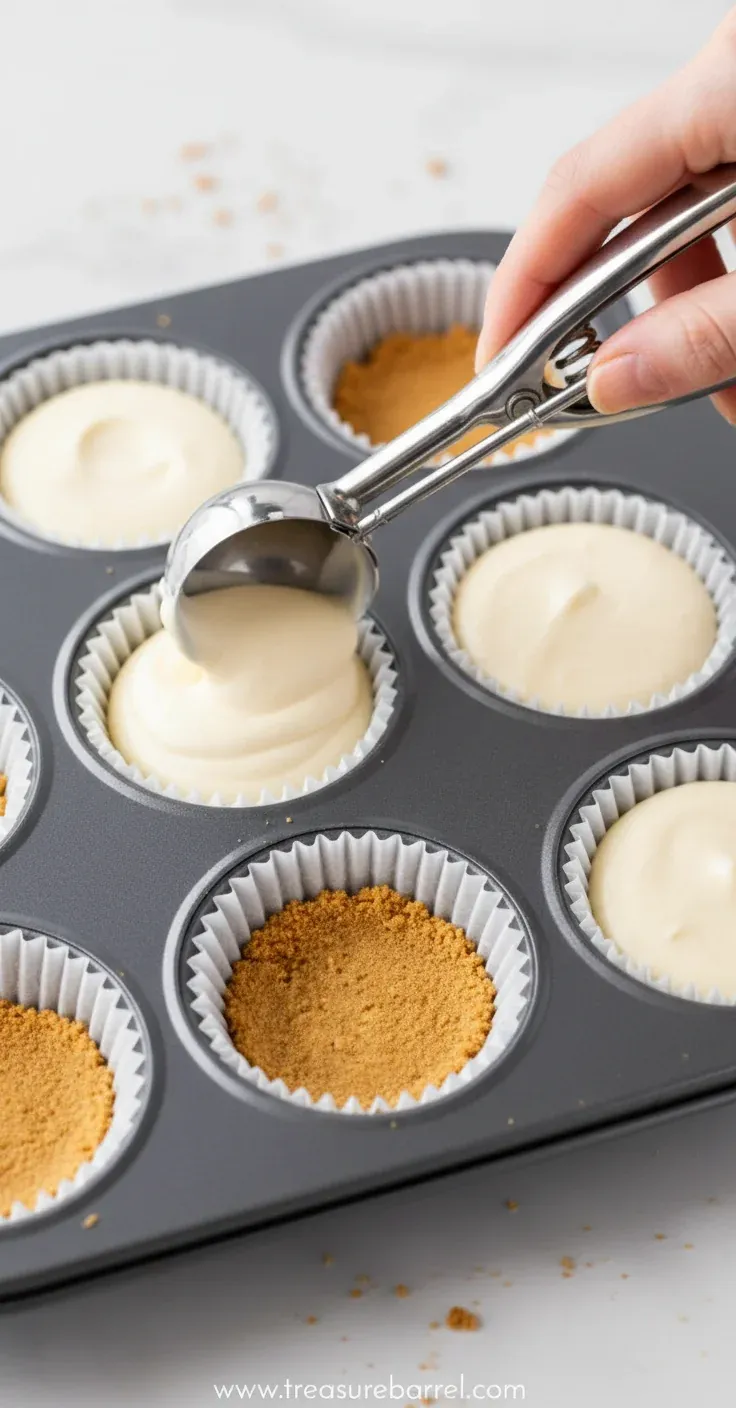
Combine graham crumbs, melted butter, and sugar; press the mixture into the bottom of each ramekin. Bake for 5 minutes until lightly golden.
- 3
While the crust cools, beat the cream cheese and sugar together until smooth, then add eggs one at a time, followed by sour cream, vanilla, and lemon juice.
- 4
Pour the filling over the crusts, place the ramekins in a water bath, and bake for 12‑15 minutes, until the edges are set but the centers still wobble.
- 5
Remove from the oven, let cool on the rack, then chill in the fridge for at least 2 hours.
- 6
Top with berries, honey, or chocolate just before serving.
Nutrition per serving
- 210 kcal
- Calories
- 4 g
- Protein
- 22 g
- Carbs
- 12 g
- Fat
Tips & notes
- If you prefer a sweeter crust, increase the sugar by a tablespoon. - For a tangier filling, add an extra teaspoon of lemon juice. - Feel free to swap the topping for a dollop of whipped cream or crushed nuts.
Frequently asked questions
Can I use a different crust?
Yes, you can swap graham crackers for oat cookies or even almond flour for a gluten‑free option.
How long can I store them?
Mini cheesecakes keep well sealed in the refrigerator for up to 5 days, or you can freeze them for up to a month.
Do I need a water bath?
A water bath is recommended to keep the edges from over‑cooking, but you can bake them without if you watch the time closely.
Can I add fruit layers?
Absolutely—layer a thin spread of fruit jam or puree before the filling for extra flavor.
What size ramekins work best?
4‑oz ramekins give a perfect bite‑size portion and fit nicely on a standard baking sheet.
How do I prevent cracks?
Avoid over‑mixing, bake at a gentle temperature, and let the cheesecakes cool gradually.