
The Moist Orange Cake traces its roots to classic European citrus breads, where apricot and orange zest were prized for their lively fragrance. Over time, home bakers refined the recipe, adding a simple butter‑cream glaze that lets the bright orange flavor shine without overwhelming the palate. This cake has become a beloved staple at brunches and holiday gatherings, celebrated for its light, airy crumb and lingering citrus note.
Why You'll Love It
-
- Soft, buttery crumb that stays moist for days
-
- Fresh orange zest gives a natural, uplifting fragrance
-
- Simple ingredients you likely already have
-
- Elegant enough for celebrations yet easy for weeknight treats
“This cake is the perfect balance of fluffy and juicy—my guests kept asking for seconds!”
Essential Ingredient Guide
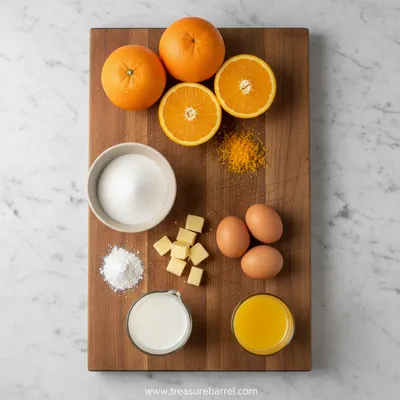
- Fresh oranges: Zest provides bright flavor; choose firm, aromatic oranges and zest before juicing.
- All‑purpose flour: Sifts well for a tender crumb; avoid over‑mixing to keep the cake light.
- Unsalted butter: Provides richness; bring to room temperature for smooth creaming.
- Baking powder: Ensures a gentle rise without a metallic taste.
- Lemon juice: A splash balances the sweetness with a subtle brightness.
- Honey: Adds a mellow sweetness and helps retain moisture.
 Sweet Treats
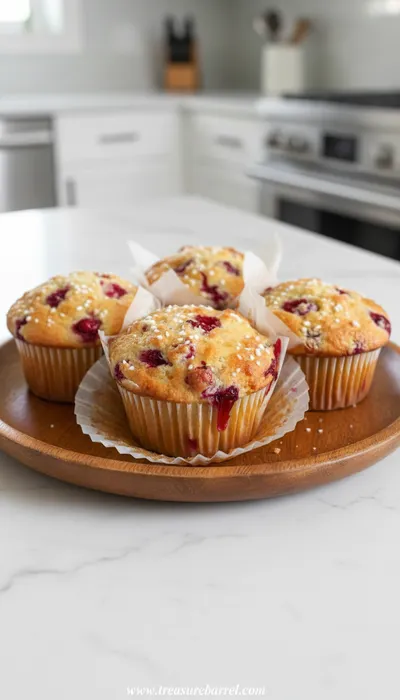
Cranberry and Orange Yogurt Muffins
Bright cranberry‑orange muffins with a soft yogurt crumb and a whisper of citrus.
Complete Cooking Process
-
Ingredient Readiness:
Measure flour, sift, zest oranges, and melt butter; having everything at hand makes the mixing smooth.
-
Flavor Development:
Cream butter and sugar until pale, then add zest and juice to release aromatic oils.
-
Texture Control:
Fold dry ingredients gently; this prevents gluten over‑development and keeps the cake fluffy.
-
Finishing Touches:
Glaze with a light orange‑honey drizzle while the cake is still warm for extra shine.
-
Serving Timing:
Allow the cake to cool completely; slice and serve with a dollop of whipped cream for added softness.
-
Use room‑temperature eggs for a smoother batter.
-
Zest the oranges before juicing to avoid bitterness.
-
Do not over‑bake; the center should still be slightly springy.
-
Store the cake loosely covered to keep moisture in.
Pro Tips
Well, when you let the cake rest for a few minutes after baking, the crumb settles and the orange aroma deepens—it's a little moment of anticipation.
Ugh, I also find that a quick swipe of orange zest over the top just before serving adds that final burst of fragrance that makes guests pause and inhale deeply.
The essence of the dish:
A delicate balance of citrus zest, buttery richness, and a whisper of honey makes this cake stand out as a comforting yet elegant treat.
A fun fact or historical angle:
Did you know that in the 1800s, orange zest was used to mask the flavor of less‑fresh butter? Today we celebrate it for its bright taste.
Flavor or sensory focus:
The first bite offers a soft, melt‑in‑your‑mouth crumb, followed by a bright, fragrant orange note that lingers pleasantly.
You Must Know
-
Do not over‑mix the batter.
-
Use fresh zest for maximum aroma.
-
Check doneness with a gentle touch.
Frequently Asked Questions
→ Can I use frozen orange juice?
Yes, just be sure to thaw it completely and give it a good stir before adding to the batter.
→ How do I keep the cake moist for days?
Store it in an airtight container at room temperature; a slice of bread on the side helps retain moisture.
→ Is gluten‑free possible?
Swap the all‑purpose flour for a 1‑to‑1 gluten‑free blend; the texture remains tender.
→ Can I add a frosting?
A light cream cheese or orange‑honey glaze complements the cake without weighing it down.
→ What if I don’t have fresh oranges?
Use high‑quality bottled orange zest and freshly squeezed juice; the flavor stays bright.
→ Will the cake freeze well?
Yes, wrap tightly and freeze; thaw gently at room temperature before serving.
Nutrition Facts
per serving
320
Calories
5g
Protein
52g
Carbs
10g
Fat
Taste Profile
Bright citrus sweetness with buttery richness
Ingredient Substitutions
Don't have an ingredient? Try these alternatives
May affect flavor slightly; coconut oil adds a subtle nuttiness.
Use a 1:1 swap; maple adds a deeper caramel note.
Recipe Variations
Try these delicious twists on the original
Spicy Version
Add a pinch of ground ginger and a dash of cayenne for a warm kick.
Mediterranean Style
Fold in toasted almonds and drizzle with honey after baking.
Common Mistakes to Avoid
Learn from others' mistakes for perfect results
- Over‑mixing the batter, leading to a dense crumb.
- Opening the oven too early, causing the cake to sink.
- Using bitter orange zest, which can sour the flavor.
Meal Prep & Storage
Make Ahead Tips
You can whisk the dry ingredients together and store them for up to 2 days; the batter can be refrigerated for 12 hours before baking.
Leftover Ideas
Reheat gently in a skillet over low heat, covered, to revive moisture.
Perfect Pairings
Serve this with...
Cooking Timeline
Gather and prep all ingredients; zest and juice oranges.
Cream butter and sugar, then incorporate eggs one at a time.
Fold in dry ingredients, pour batter into pan, and bake.
Prepare glaze while cake bakes; drizzle over warm cake.
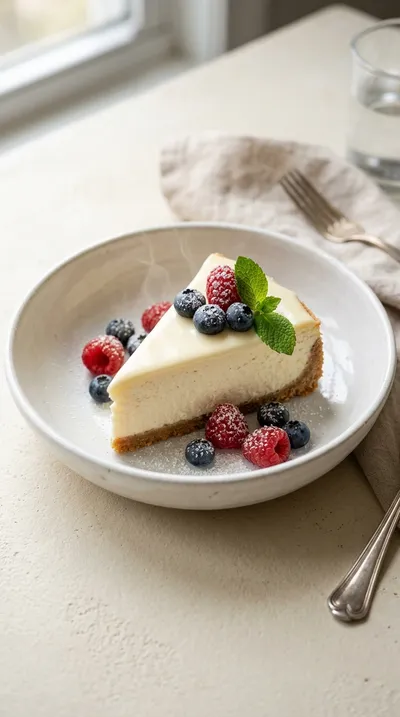
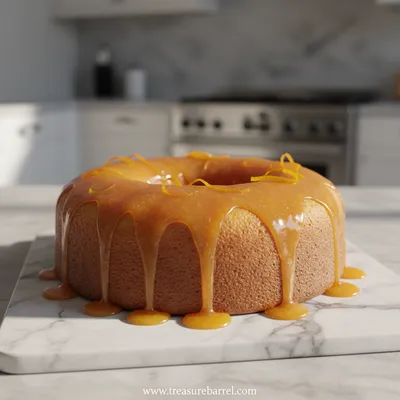
Moist Orange Cake
A tender, citrus‑bright cake that's moist, fluffy, and perfect for celebrations or a quiet morning coffee.
Timing
Prep Time
15 Minutes
Cook Time
30 Minutes
Total Time
45 Minutes
Recipe Details
Ingredients
Main Ingredients
-
01
2 cups all‑purpose flour
-
02
1 ½ tsp baking powder
-
03
½ tsp salt
-
04
½ cup unsalted butter, softened
-
05
1 cup granulated sugar
-
06
3 large eggs, room temperature
-
07
¼ cup fresh orange juice
-
08
Zest of 2 large oranges
-
09
¼ cup honey
-
10
2 tbsp lemon juice
For the Glaze
-
01
1 cup powdered sugar
-
02
2‑3 tbsp orange juice
-
03
1 tsp honey
Instructions
Preheat the oven to 350°F (175°C) and grease a 9‑inch round cake pan. orange juice cake starters often begin with a gentle pre‑heat.
In a bowl, whisk together flour, baking powder, and salt. Set aside. Meanwhile, cream butter and sugar until light and fluffy, then beat in eggs one at a time.
Stir in orange zest, orange juice, lemon juice, and honey. Gently fold the dry mixture into the wet until just combined; avoid over‑mixing. orange loaf cake textures benefit from this gentle hand.
Pour batter into the prepared pan and bake for 30‑35 minutes, or until a toothpick comes out clean. Let cool in pan 10 minutes, then turn onto a wire rack.
Whisk glaze ingredients until smooth; drizzle over warm cake. The glaze sets as the cake cools, adding a glossy finish.
Notes & Tips
-
1
If the cake seems dry, brush a light orange‑juice syrup before glazing.
-
2
A pinch of almond extract can deepen the nutty undertone.
-
3
For extra sparkle, sprinkle toasted orange zest after glazing. traditional fruitcake often uses a glaze for shine.
Tools You'll Need
-
9‑inch round cake pan
-
Mixing bowls
-
Hand mixer or stand mixer
-
Zester
-
Wire cooling rack
-
Sieve for dry ingredients
Must-Know Tips
-
Don't over‑mix the batter; it keeps the crumb tender.
-
Room‑temperature butter and eggs blend more evenly.
-
Check the cake a few minutes before the timer ends.
Professional Secrets
-
Cream butter and sugar until pale; this aerates the mixture.
-
Sift flour with baking powder to avoid lumps.
-
Glaze while the cake is warm for maximum absorption.

Recipe by
Lila GraceLila creates magical desserts 🍫🧁, sprinkles joy 🌈✨, and shares sweet moments 🍬💖. Her kitchen is full of smiles 😄 and sugar-dusted memories 🍪🍯.
Get Delicious Recipes Weekly
Join 25,000+ home cooks getting our best recipes straight to their inbox.
Free forever • No spam • Unsubscribe anytime