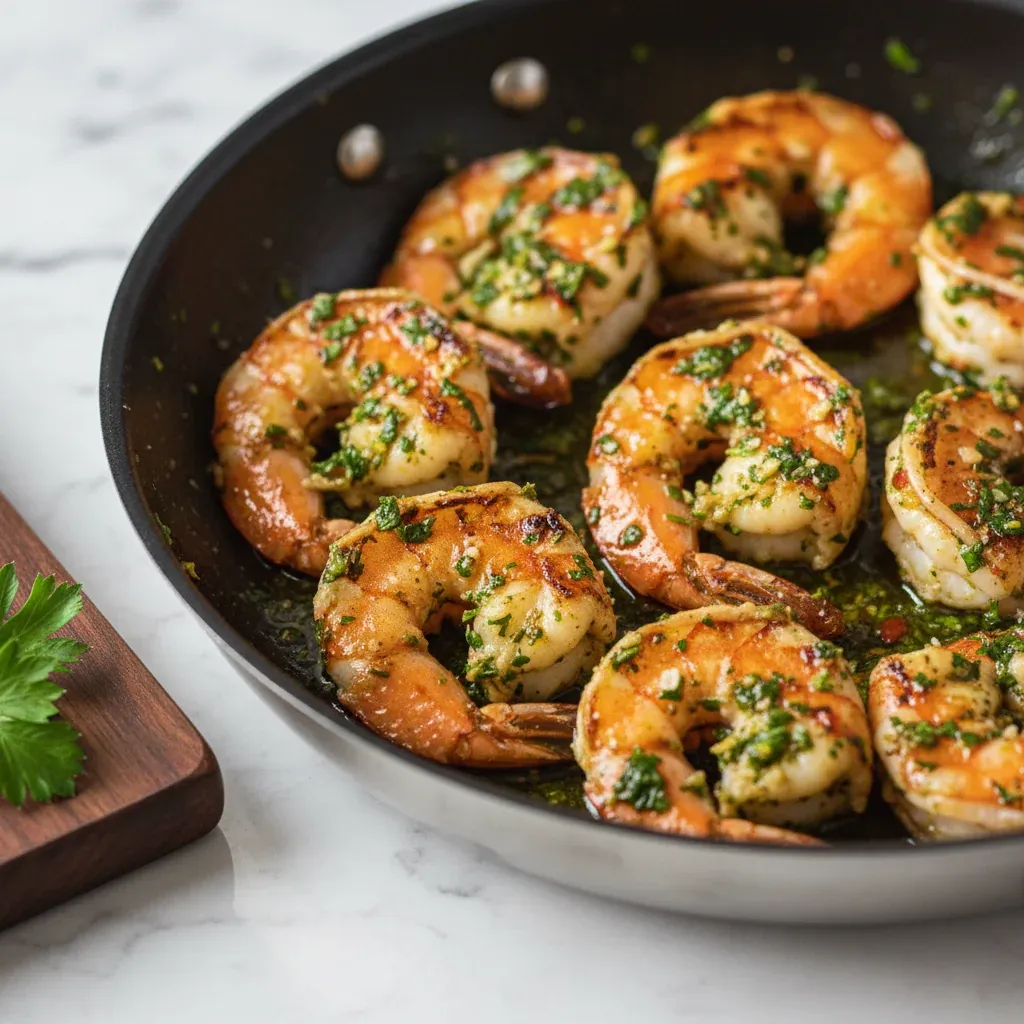
Pan Seared Chimichurri Shrimp
A speedy, herb‑forward shrimp dish with a seared finish and vibrant chimichurri sauce, perfect for a cozy weeknight dinner.
- Maya Quinn
- Quick Comfort
- April 6, 2026
- 3 min read
- Updated November 5, 2026
- Total time
- 22 min
- Servings
- 4 Servings
- Difficulty:
- Easy
Table of contents
Honestly, there’s something soothing about a pan that sizzles and a sauce that smells like a garden after rain. This pan seared chimichurri shrimp captures that feeling in under thirty minutes, letting you enjoy a restaurant‑level taste without the fuss.
The essence of the dish
A spark of seared shrimp meets a herbaceous, tangy sauce that brings the garden to the plate. The contrast of crisp exterior and tender interior is what makes the experience memorable.
A fun fact or historical angle
Chimichurri was originally a steak sauce, but its versatility quickly found a home with seafood along the coasts of South America.
Flavor or sensory focus
You’ll notice the smoky bite of the shrimp first, then the fresh, slightly acidic lift of parsley, garlic, and a whisper of vinegar that awakens the palate.
You Must Know
- Don’t overcrowd the pan; sear in batches if needed.
- Add herbs at the end to preserve color.
- Serve while hot for best texture.
Honestly, the timing feels like a gentle rhythm in the kitchen. When the shrimp turn pink and the sauce bubbles lightly, you know the moment is right. A quick glance at the pan tells you everything—no need to over‑think it. The result is a dish that feels both elegant and down‑to‑earth.
The story behind it
The bright, garlicky sauce known as chimichurri hails from the pampas of Argentina, where gauchos seasoned grilled meat with a blend of parsley, oregano, and vinegar. Over time, cooks have paired it with seafood, discovering that the sharp herbs lift the natural sweetness of shrimp. This dish brings that tradition to a quick‑cook format, honoring the sauce’s heritage while fitting modern, busy lives.
Why You'll Love It
- Ready in under half an hour, perfect for busy evenings
- Fresh herb flavor that feels light yet satisfying
- Simple pantry staples, no fancy equipment needed
- Elegant enough for guests, casual enough for family
Tips for success
- Don't overcrowd the pan; cook shrimp in batches for a perfect sear.
- Let the chimichurri sit for at least 10 minutes to meld flavors.
- Taste the sauce before adding shrimp and adjust salt as needed.
Professional secrets
- Pat shrimp dry for a caramelized crust.
- Use a hot pan to create a quick Maillard reaction.
- Add the fresh herbs off the heat to preserve their bright color.
Common mistakes to avoid
- Overcrowding the pan, which steams shrimp instead of searing.
- Adding the chimichurri too early and cooking the herbs away.
- Not drying the shrimp, resulting in a soggy crust.
Substitutions
- Shrimp: Scallops or firm tofu. Adjust cooking time; tofu should be pressed and cubed.
- Red wine vinegar: Apple cider vinegar. Provides a milder acidity; use the same amount.
Variations
- Spicy Version: Add extra red pepper flakes and a dash of sriracha to the chimichurri for a gentle heat.
- Mediterranean Style: Stir in chopped sun‑dried tomatoes and a sprinkle of feta before serving.
Storage
Store any leftovers in an airtight container in the refrigerator for up to 2 days; reheat gently.
Make ahead
You can prepare the chimichurri sauce up to 24 hours ahead; store in the refrigerator and bring to room temperature before tossing with the shrimp.
Leftovers
Reheat gently in a skillet over low heat, adding a splash of broth to keep the shrimp moist.
Serving ideas
- Serve over a bed of fluffy rice or quinoa.
- Accompany with a light salad tossed in lemon vinaigrette.
- Garnish with extra chopped parsley and a lemon wedge for a finishing touch.
Allergy information
Contains shellfish and tree nuts (if using nut oil in chimichurri).
Pan Seared Chimichurri Shrimp
A speedy, herb‑forward shrimp dish with a seared finish and vibrant chimichurri sauce, perfect for a cozy weeknight dinner.
- Prep time
- 10 min
- Cook time
- 12 min
- Total time
- 22 min
- Difficulty
- Easy
- Cuisine
- Argentinian
- Course
- Main Course
Ingredients
Shrimp & Marinade
Chimichurri Sauce
Instructions
- 1
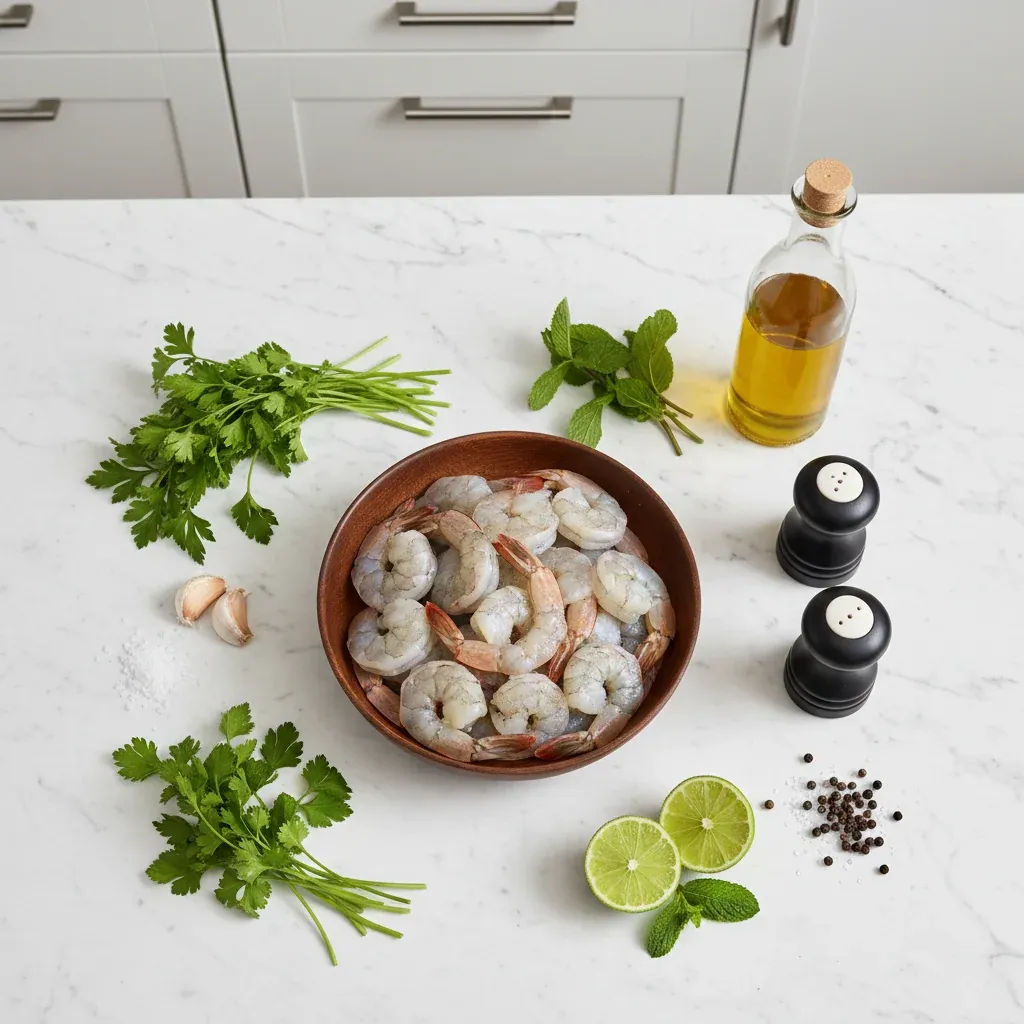
Season the shrimp with salt, pepper, and a drizzle of olive oil; set aside while you prepare the sauce.
- 2
In a food processor, combine parsley, cilantro, garlic, shallot, red pepper flakes, and vinegar; pulse until roughly chopped.
- 3
With the processor running, slowly drizzle in olive oil until the mixture forms a loose, vibrant sauce; season with a pinch of salt.
- 4
Heat a large skillet over medium‑high heat; add a tablespoon of oil and sear the shrimp for 2‑3 minutes per side until pink and lightly charred.
- 5
Reduce heat to low, toss the shrimp with the chimichurri sauce, and let everything mingle for another minute.
- 6
Serve immediately, garnished with extra herb leaves and a squeeze of lemon if desired.
Nutrition per serving
- 280 kcal
- Calories
- 30 g
- Protein
- 5 g
- Carbs
- 14 g
- Fat
Tips & notes
- Make sure shrimp are completely dry before searing to avoid steaming. - The chimichurri can be adjusted with more vinegar for extra tang or extra oil for richness. - For a heartier meal, serve over quinoa or cauliflower rice.
Frequently asked questions
Can I use frozen shrimp?
Yes, just be sure to thaw completely, pat dry, and pat them with a paper towel to remove excess moisture.
What if I don’t have fresh cilantro?
You can omit cilantro or substitute with flat‑leaf parsley; the flavor will still be bright.
Is there a way to make this dish spicy?
Add a pinch of red pepper flakes to the chimichurri or stir in a dash of hot sauce when tossing the shrimp.
Can I prepare the chimichurri ahead of time?
Absolutely—mix the herbs, garlic, vinegar, and oil up to 24 hours ahead; store in the refrigerator and bring to room temperature before serving.
What sides pair best with this shrimp?
Serve over fluffy rice, quinoa, or with a warm crusty baguette to mop up the sauce.
How do I adjust for a low‑sodium diet?
Use a pinch of sea salt or a low‑sodium seasoning blend; the sauce’s acidity already balances the flavor.