Philadelphia Cheesecake Recipe With Sour Cream
Creamy, tangy, and absolutely timeless. This classic treat balances a rich filling with a crisp, golden base. One slice is never quite enough.
- Lila Grace
- Sweet Treats
- September 22, 2026
- 3 min read
- Updated November 5, 2026
- Total time
- 1 h 10 min
- Servings
- 12 Servings
- Difficulty:
- Easy
Table of contents
I remember when I first started baking these for the family; I was so nervous about the top cracking, honestly. There is just something about the way a Philadelphia cheesecake with sour cream fills the kitchen with that sweet, heavy scent while it's in the oven. It feels like a hug in cake form, you know?
Well, look, the secret for me has always been in the patience. I love the sound of the graham cracker crumbs being pressed into the pan—that little scratchy noise—and the way the 32 oz (2 packages) Philadelphia cream cheese becomes silky smooth once you hit that sweet spot with the mixer. Oops, I usually get a bit of flour on my apron, but that's just part of the process.
So, whether you're celebrating something big or just want a little slice of peace on a Tuesday, this recipe is for you. It's simple, it's grounding, and yeah, it's a total crowd-pleaser every single time.
The story behind it
The marriage of cream cheese and sugar found its heart in the early 20th century, evolving from ancient curd cakes into the dense, decadent slices we recognize today. The Philadelphia cheesecake with sour cream variation became a staple of American home cooking because it introduced a subtle tang that cut through the richness, creating a more balanced flavor profile.
Historically, the addition of sour cream served a dual purpose: it softened the texture and provided a slight acidity that mirrored the tradition of European tarts. This specific style of baking, which relies on a slow cooling process in the oven, was developed to ensure the cake remained flat and creamy, avoiding the dramatic dips common in early recipes.
Over the decades, this dessert transitioned from a luxury treat served at high-end hotels to a beloved family tradition. It represents a bridge between formal dinner parties and the cozy, casual comfort of a kitchen table, embodying a sense of timeless hospitality.
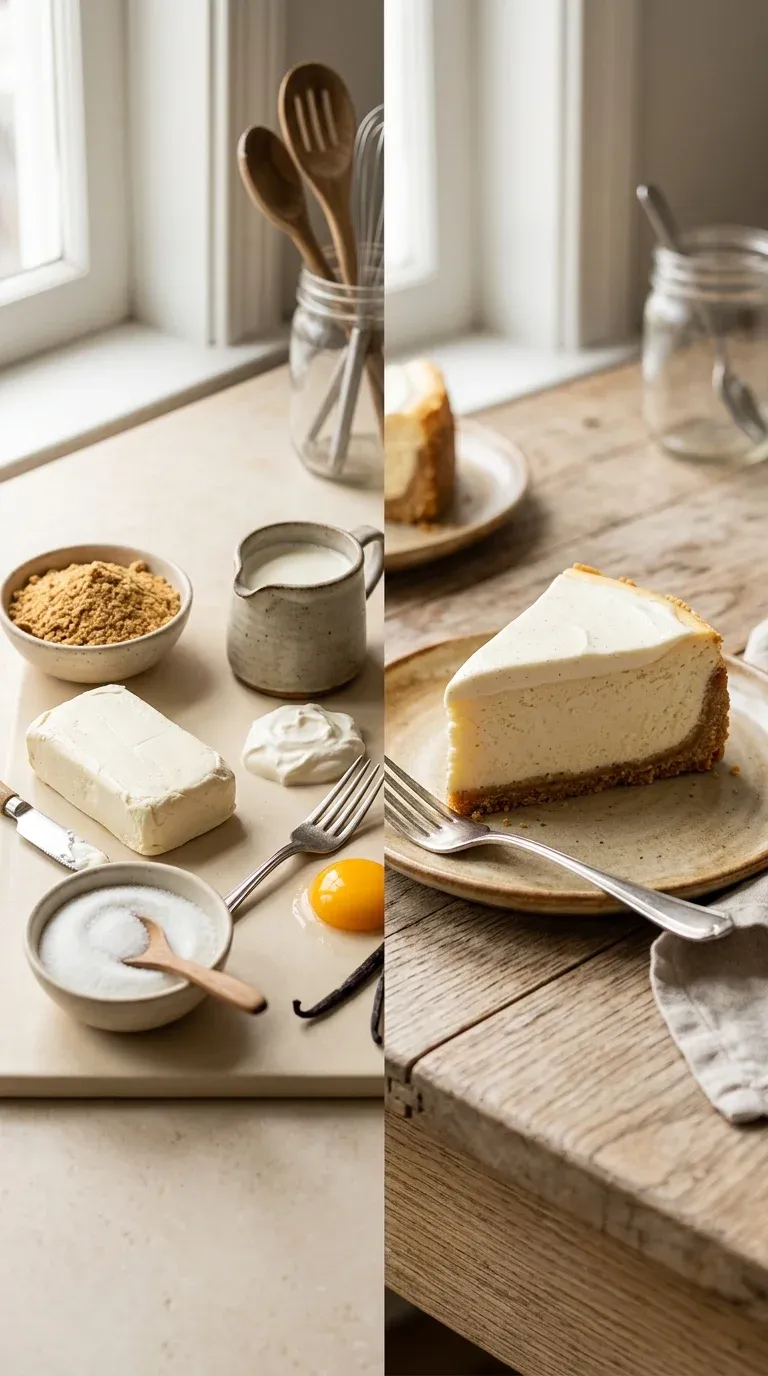
Why You'll Love It
- Honestly, the way 1 cup sour cream cuts through the richness makes this feel so light and velvety on the tongue.
- I remember when I first made this for a family gathering; the buttery scent of the 1 1/2 cups crushed graham crackers just fills the whole kitchen.
- Well, look, it's just so wonderfully creamy thanks to those 32 oz (2 packages) Philadelphia cream cheese, making it feel like a real treat.
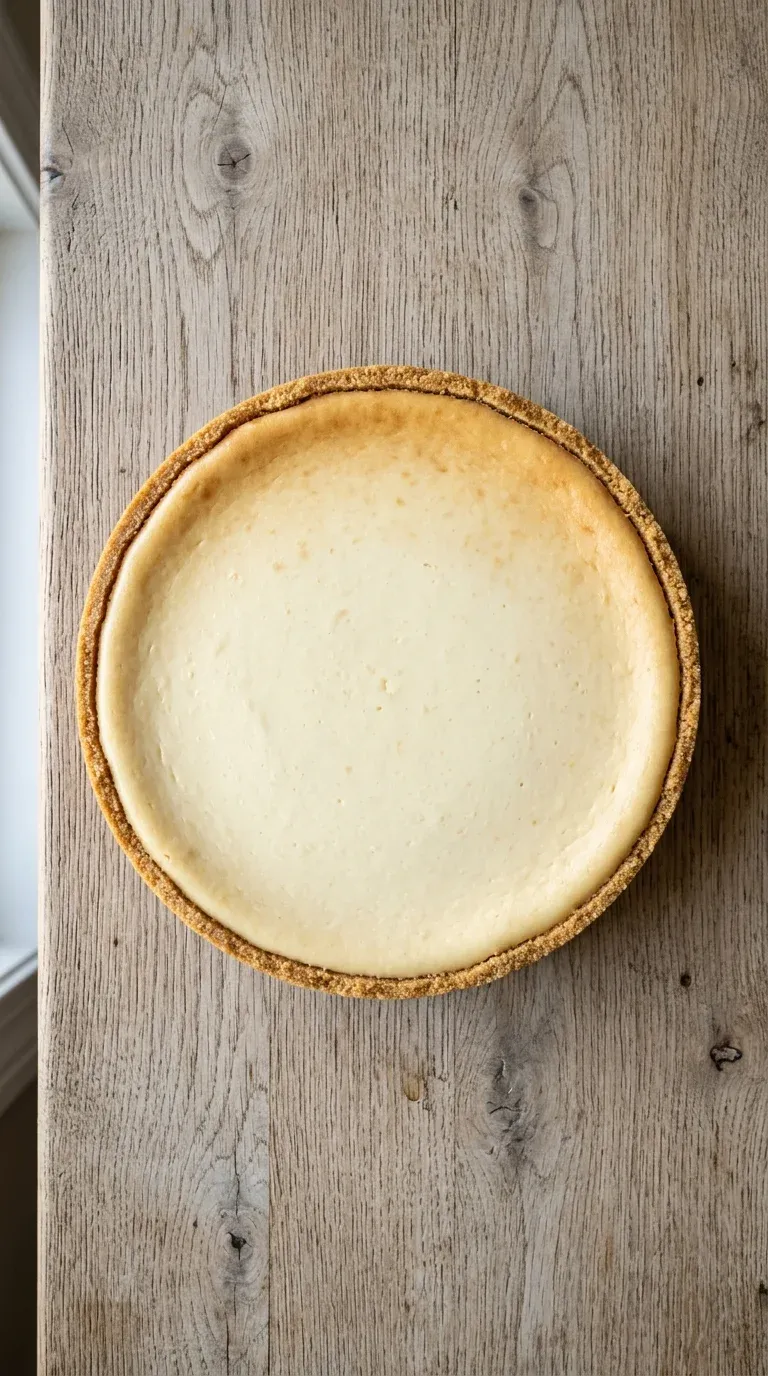
- Dang, that slow-cool process in the oven really works, giving you a smooth, crack-free top that looks just like a bakery cake.
Tips for success
- Prevent cracking, add a tablespoon of flour to the batter or use a water bath.
- Room temperature batter, let the batter come to room temperature before baking to ensure it rises evenly.
- Avoid over-browning, cover the top loosely with aluminum foil if it browns too quickly in the last 10 minutes.
Professional secrets
- The 'Low-Speed Egg Integration' prevents air bubbles that cause structural cracks.
- The 'Oven-Door Crack' method allows the cake to stabilize slowly, mimicking a professional cooling cycle.
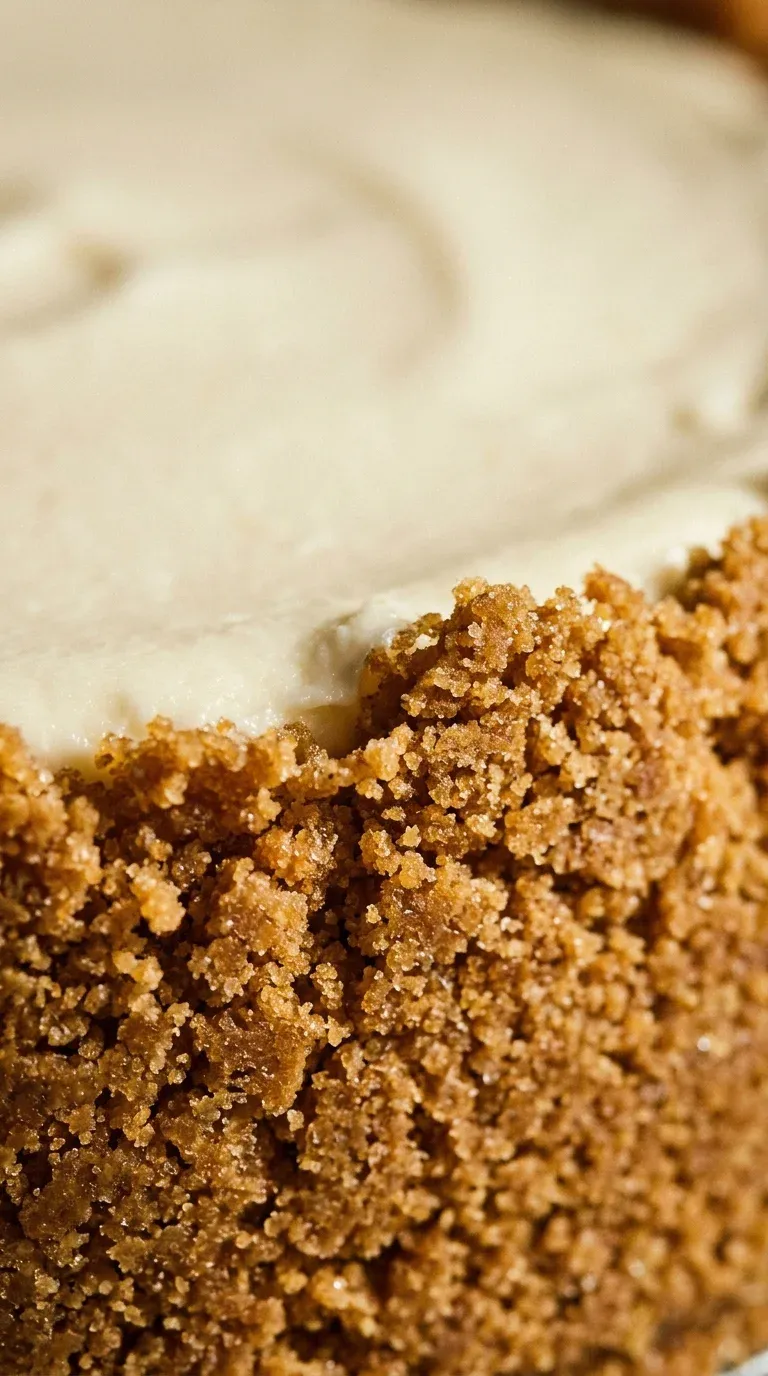
- The 'Wet Sand' texture check ensures the crust has the perfect ratio of butter to crumb.
Common mistakes to avoid
- Overmixing the eggs, which leads to air bubbles and cracks.
- Pulling the cake out of the oven too quickly instead of cooling it inside.
- Using cold cream cheese, which leaves lumps in the batter.
Substitutions
- Heavy cream: Full-fat Greek yogurt. Adds a bit more tang and slightly less richness.
- Graham crackers: Digestive biscuits. Common swap outside the US; produces a very similar buttery crust.
Variations
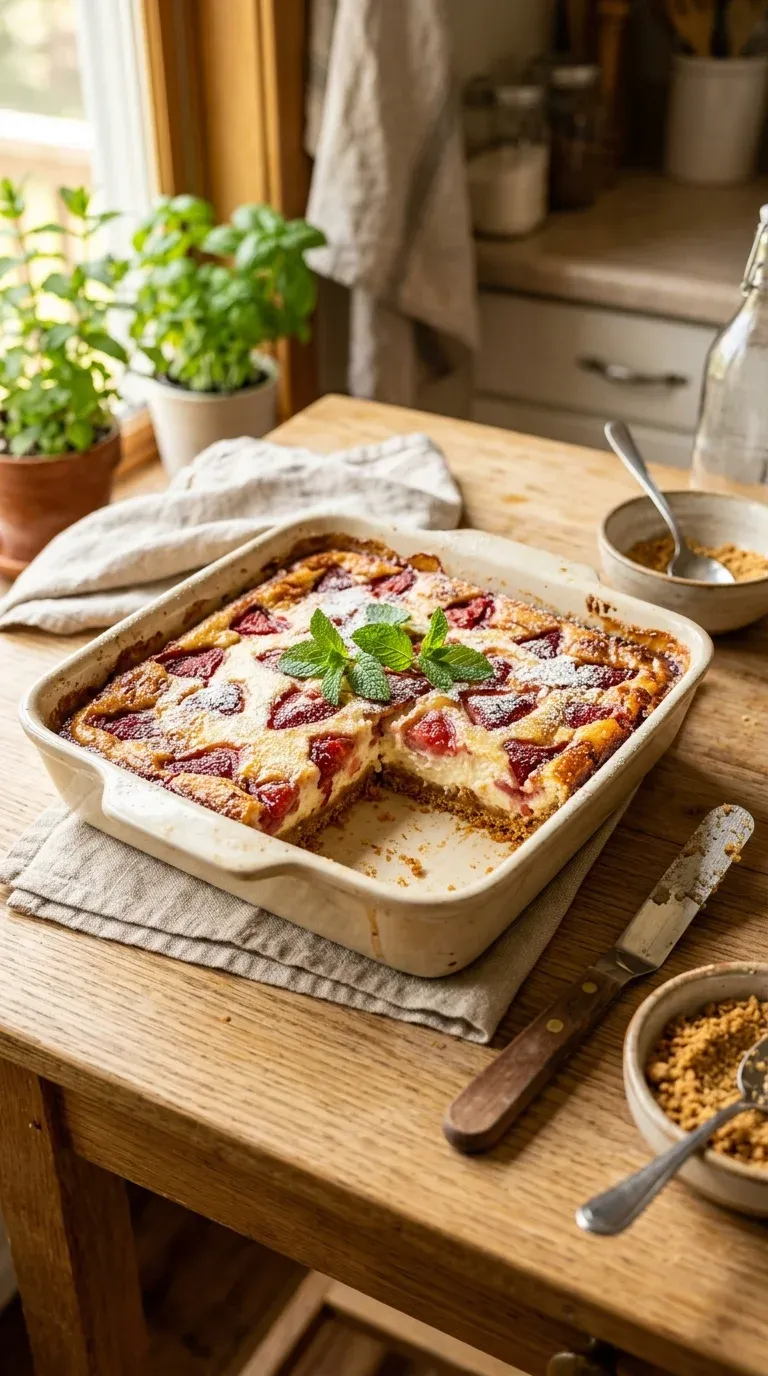
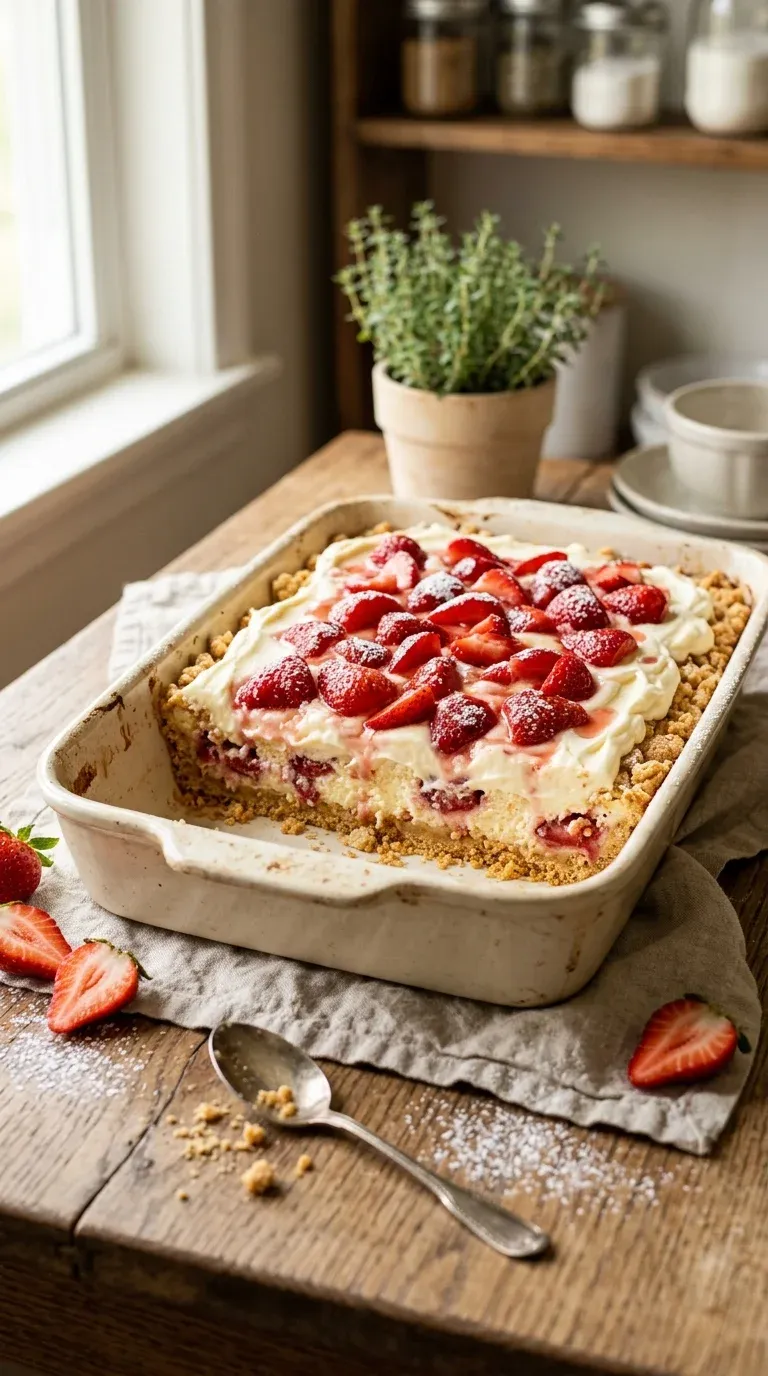
- Lemon-Strawberry Swirl: For something a bit more refreshing, swirl a lemon-yoghurt mixture into the batter and top with sliced strawberries.
- Chocolate Swirl: For the real chocolate lovers, fold melted dark chocolate into the batter and drizzle a rich chocolate ganache over the top.
Storage
Keep it in a covered container at room temperature for up to 2 days, or freeze it tightly sealed for 3 weeks.
Make ahead
This is actually better made ahead. I always suggest chilling it overnight in the fridge so the flavors settle and the texture firms up perfectly.
Leftovers
Store leftovers in a covered container in the fridge. If you freeze it, just let it thaw slowly in the refrigerator before you serve it again.
Serving ideas
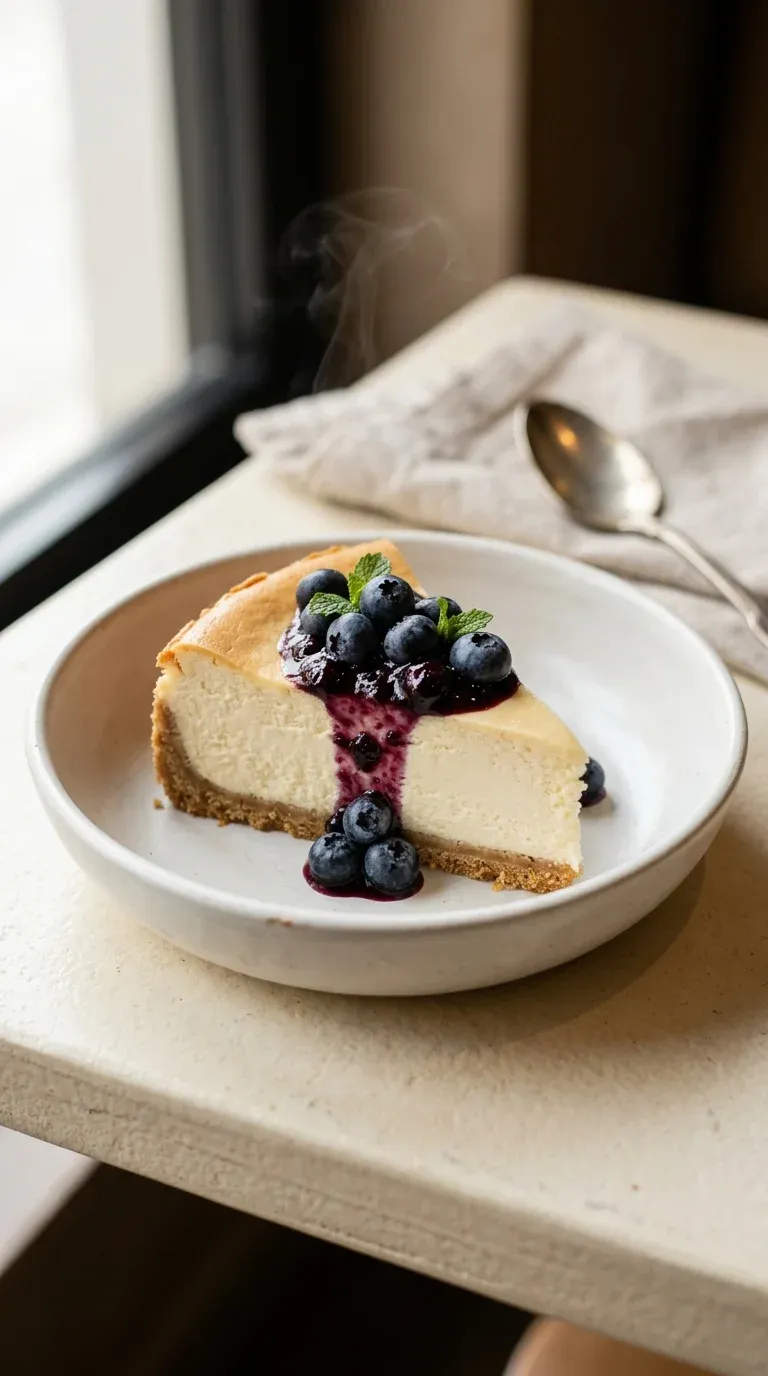
- Top with fresh blueberries and a drizzle of blueberry compote for color.
- Serve with a dollop of lightly sweetened whipped cream and powdered sugar.
- Finish with grated dark chocolate and a few mint leaves for a fancy look.
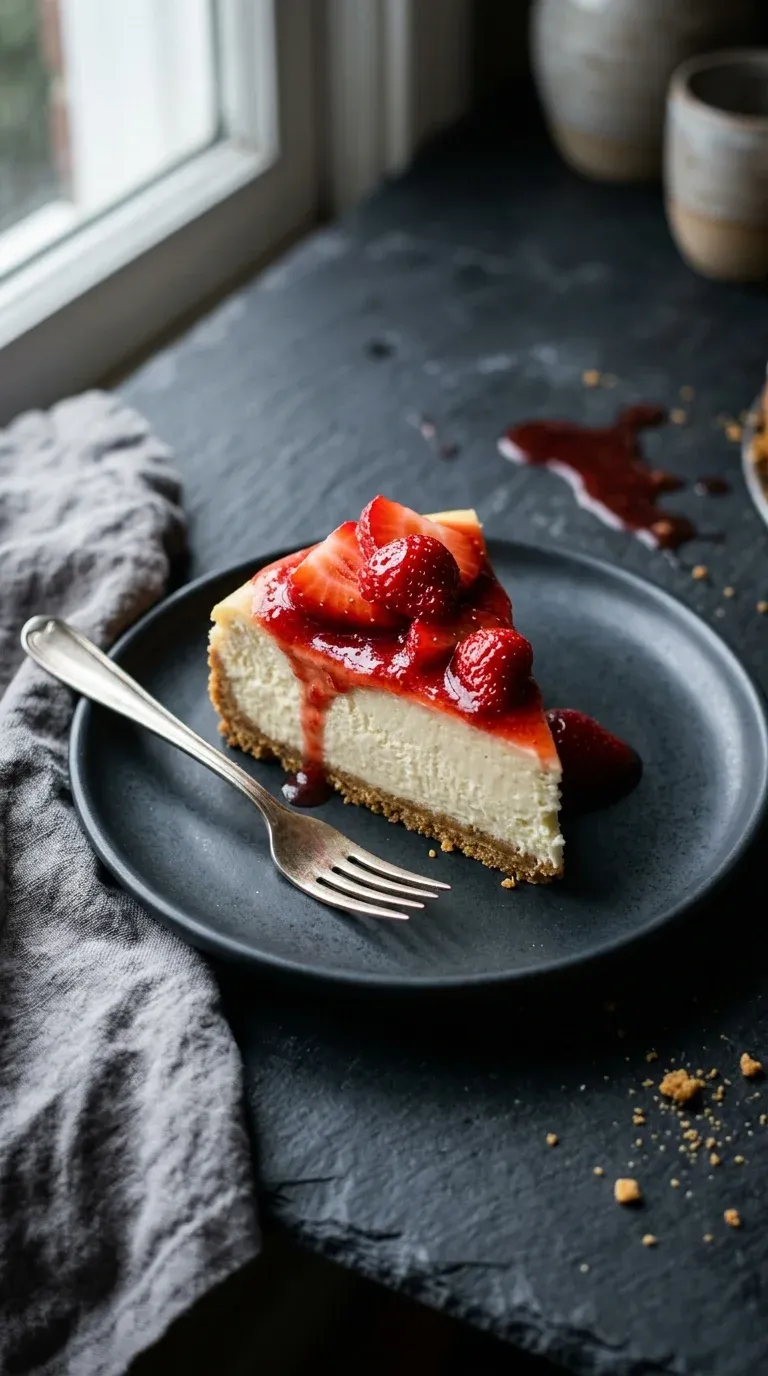
- Pair with fresh sliced strawberries for a classic summer feel.
Allergy information
Contains dairy (cream cheese, sour cream, butter, heavy cream), wheat (graham crackers), and eggs.
Philadelphia Cheesecake Recipe With Sour Cream
Creamy, tangy, and absolutely timeless. This classic treat balances a rich filling with a crisp, golden base. One slice is never quite enough.
- Prep time
- 15 min
- Cook time
- 55 min
- Total time
- 1 h 10 min
- Difficulty
- Easy
- Cuisine
- American
Ingredients
For the Crust
For the Cheesecake Filling
Instructions
- 1
First things first, let's get the oven warming up to 325°F (160°C). I like to line the bottom of my 9-inch springform pan with parchment paper and just lightly grease the sides with a bit of butter or cooking spray so nothing sticks.
- 2
In a medium bowl, go ahead and stir together the crushed graham crackers and that 1/4 cup granulated sugar. Pour in the melted butter and mix it all up until it looks and feels just like wet sand.
- 3
Press that crumb mixture firmly into the bottom of your pan. I usually use the back of a spoon or a flat measuring cup to get it really tight. Now, just pop it in the refrigerator to chill while we handle the filling—it helps keep the crust from sliding.
- 4
Using a large bowl, beat your softened Philadelphia cream cheese on medium speed. You want it completely smooth and creamy. Then, gradually add the 1 cup granulated sugar, mixing until it's all dissolved and feels light and fluffy.
- 5
Stir in the vanilla extract. Now, here is the tricky part: add the eggs one at a time. Beat on low speed after each egg just until they're combined. Honestly, if you overmix here, you'll get too many bubbles, and that's how you end up with a cracked top.
- 6
Gently fold in the sour cream and heavy cream. Keep going until the batter is silky and homogenous—it should look just lovely.
- 7
Pour that creamy batter over your chilled crust and use an offset spatula to smooth out the top. It doesn't have to be perfect, but it helps.
- 8
Bake it for 45–50 minutes. You're looking for the edges to be set, but the center should still have a slight wobble when you nudge it. If the edges start browning too fast, just tent the pan loosely with some foil.
- 9
Turn the oven off and crack the door open. Let the cheesecake cool right there in the oven for about 1 hour. I know it's tempting to pull it out, but this gradual cooling is the secret to preventing cracks.
- 10
Finally, move it to a cooling rack and let it chill in the refrigerator for at least 4 hours, though I'll be honest, overnight is much better before you unmold it.
Nutrition per serving
- 580 kcal
- Calories
- 9 g
- Protein
- 38 g
- Carbs
- 42 g
- Fat
Tips & notes
- A water bath can be a lifesaver for those who worry about cracks. - The gradual oven-cooling process is non-negotiable for a smooth top. - Make sure your cream cheese is truly softened to avoid lumps in the batter.
Frequently asked questions
Why did my cheesecake crack on top?
Oh, don't worry, it happens! It's usually from overmixing the eggs or cooling too fast—try that oven-door-crack trick next time.
Can I use a different type of crust?
Yeah, you certainly can, though the 1 1/2 cups crushed graham crackers are a classic for a reason. Just make sure whatever you use is pressed firmly into the pan.
How do I know when it's actually done baking?
Look for the edges to be set, but the center should still have a slight wobble—kind of like Jell-O—when you gently shake the pan.