
Butternut squash soup has roots in Native American cuisine, where squash was one of the 'Three Sisters' cultivated alongside corn and beans. The slow roasting technique that gives this soup its deep flavor was perfected in colonial kitchens, where cooks discovered that caramelizing the squash's natural sugars created a rich, comforting base for simple soups. This method transforms humble ingredients into something truly special.
Why You'll Love It
-
- The roasting deepens the squash's natural sweetness beautifully
-
- Creamy texture without needing heavy cream
-
- Makes the whole house smell like autumn comfort
-
- Freezes perfectly for future cozy meals
'My family requests this soup every fall. It's become our first cool-weather tradition.'
Essential Ingredient Guide
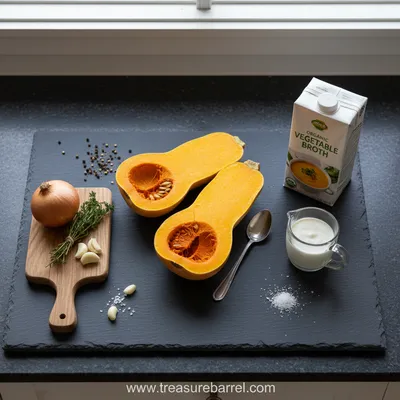
- Butternut squash: Choose squash that feels heavy for its size with matte, unblemished skin. The roasting caramelizes its natural sugars, giving the soup that deep, sweet foundation.
- Yellow onion: It melts into the soup during cooking, adding a subtle savory note that balances the squash's sweetness perfectly.
- Fresh sage: This earthy herb is autumn in a leaf. It complements the squash's flavor without overpowering it, especially when crisped as garnish.
- Vegetable broth: Use a good quality broth since it forms the liquid base. I find it adds more depth than water alone.
- Maple syrup: Just a touch enhances the squash's natural sweetness and adds a warm, woody note that feels very seasonal.
- Nutmeg: A light grating at the end brings out the squash's warmth. Freshly grated makes all the difference.
 Warm Meals
Garlic Steak Tortellini – A Warm Classic
Steak meets garlic‑kissed tortellini in a creamy, herb‑filled sauce for a cozy night in.

Complete Cooking Process
-
Ingredient Readiness:
Peeling and cubing the squash evenly ensures it roasts uniformly. Patting the squash dry helps it caramelize rather than steam in the oven.
-
Flavor Development:
Roasting is where the magic happens. The high heat coaxes out the squash's sugars, creating that rich, deep flavor base that makes this soup special.
-
Texture Control:
Blending while hot creates the silkiest texture. If you prefer some texture, blend less or reserve some roasted squash cubes to stir in at the end.
-
Finishing Touches:
The final swirl of cream or coconut milk and fresh herbs adds both visual appeal and that last layer of flavor that makes it restaurant-worthy.
-
Serving Timing:
This soup is best served piping hot, when the aromas are most pronounced and the warmth feels most comforting against chilly weather.
-
Don't rush the roasting - caramelization takes time but builds incredible flavor
-
Let the soup cool slightly before blending to avoid pressure buildup
-
Taste and adjust seasoning after blending - flavors change with temperature
-
Garnish generously for both flavor and beautiful presentation
Pro Tips
I remember the first time I made this soup, I was so impatient to taste it that I burned my tongue. Now I know better - I let it sit for just a few minutes, letting the flavors settle while I prepare the garnishes. That little wait makes all the difference.
Honestly, the beauty of this soup is how it transforms simple ingredients into something that feels both rustic and elegant. It's the kind of dish that makes you want to light a candle and slow down for a moment, appreciating how something so straightforward can be so satisfying.
 Cozy Classics
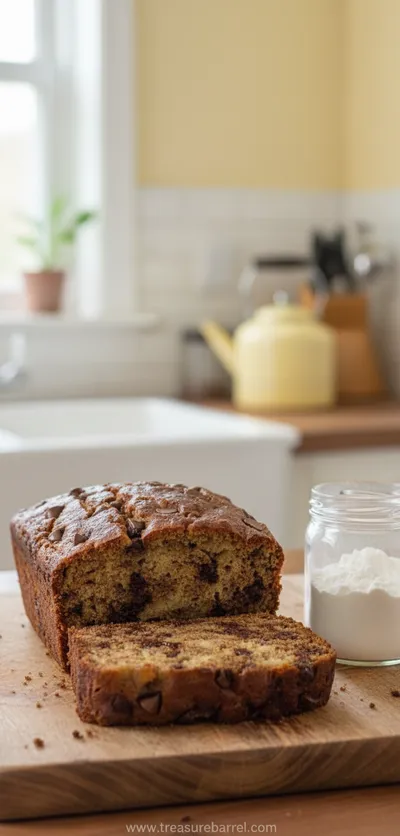
Easy Chocolate Chip Banana Bread
Moist chocolate chip banana bread, quick to bake, perfect for cozy breakfasts.
The essence of the dish:
This soup captures the very soul of autumn - sweet, earthy, and deeply comforting. It's about taking a humble vegetable and transforming it through simple techniques into something that feels like nourishment for both body and spirit.
A fun fact or historical angle:
Butternut squash is actually a fruit, botanically speaking, which explains its natural sweetness. Early American settlers learned to roast it from Native communities who had cultivated squash for thousands of years.
Flavor or sensory focus:
What you'll notice first is the velvety texture, then the sweet-savory balance, followed by the warm spice notes that linger pleasantly after each spoonful.
You Must Know
-
Roast the squash until deeply caramelized for maximum flavor
-
Use an immersion blender for easiest cleanup and control
-
Adjust consistency with more broth if needed after blending
-
Taste and season carefully - squash sweetness varies
Frequently Asked Questions
→ Can I use frozen butternut squash?
You can, but fresh roasted will give you better flavor and texture. Frozen squash tends to be watery, so you may need to adjust the broth amount.
→ How long does this soup keep in the refrigerator?
It stays good for about 4-5 days stored airtight. The flavors actually improve after a day or two as they meld together.
→ Can I freeze this soup?
Absolutely, it freezes beautifully for up to 3 months. Thaw overnight in the refrigerator and reheat gently on the stove.
→ What if I don't have an immersion blender?
A regular blender works fine - just blend in batches and be careful with the hot liquid. Let it cool slightly first.
→ How can I make this soup creamier?
Add a splash of cream, coconut milk, or even Greek yogurt at the end for extra richness.
→ What goes well with this soup?
Crusty bread, a simple salad, or even a hearty pasta dish make lovely companions.

Nutrition Facts
per serving
180
Calories
3g
Protein
30g
Carbs
7g
Fat
Taste Profile
Warm, sweet-earth balance with herbal notes
Ingredient Substitutions
Don't have an ingredient? Try these alternatives
Adjust roasting time as needed - sweet potatoes may cook faster
Start with less and adjust to taste as sweetness levels vary
Recipe Variations
Try these delicious twists on the original
Spiced Version
Add 1 teaspoon curry powder or pumpkin pie spice with the thyme for a warm, spiced variation
Apple-Enhanced
Roast 2 chopped apples with the squash for extra sweetness and fruity notes
Common Mistakes to Avoid
Learn from others' mistakes for perfect results
- Overcrowding the baking sheet prevents proper browning
- Blending while too hot can cause dangerous pressure buildup
- Underseasoning - squash needs generous seasoning to shine
Meal Prep & Storage
Make Ahead Tips
You can roast the squash and onion up to 2 days ahead. Store refrigerated, then proceed with the recipe when ready. The complete soup also reheats beautifully.
Leftover Ideas
Leftovers taste even better the next day as flavors meld. Reheat gently on the stove with a splash of broth if too thick.
Perfect Pairings
Serve this with...
Cooking Timeline
Prep vegetables - peel and cube squash, chop onion
Roast squash and onion until caramelized
Simmer with broth and aromatics
Blend until smooth and adjust seasoning
Garnish and serve hot
 Warm Meals
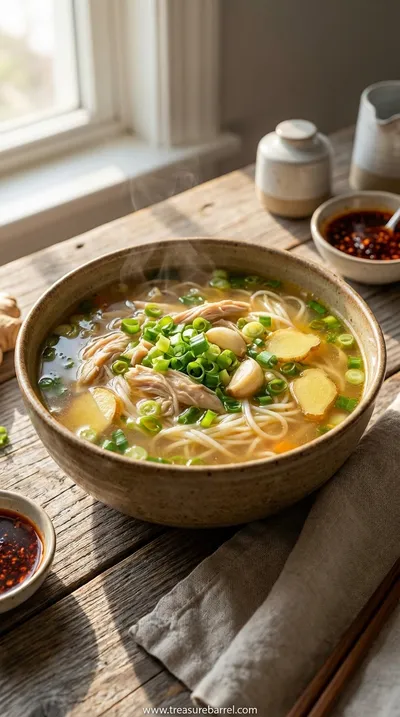
Ginger Garlic Chicken Noodle Soup Recipe
A deeply comforting and aromatic chicken noodle soup, infused with the warmth of fresh ginger and garlic.
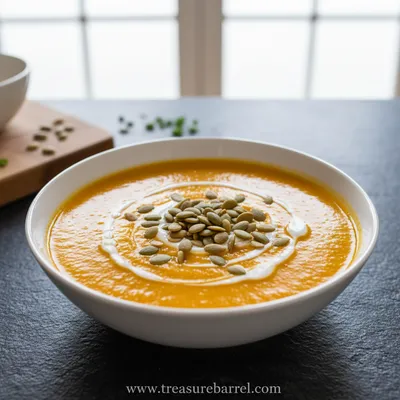
Roasted Butternut Squash Soup Recipe
A creamy roasted butternut squash soup that feels like a warm hug on chilly days, with sweet caramelized squash, earthy herbs, and a velvety texture that comforts from the first spoonful.
Timing
Prep Time
20 Minutes
Cook Time
45 Minutes
Total Time
65 Minutes
Recipe Details
Ingredients
Main Ingredients
-
01
1 large butternut squash (about 3 lbs), peeled and cubed
-
02
1 large yellow onion, chopped
-
03
3 cloves garlic, smashed
-
04
2 tablespoons olive oil
-
05
4 cups vegetable broth
-
06
1 teaspoon fresh thyme leaves
-
07
Salt and black pepper to taste
For Flavor & Garnish
-
01
2 tablespoons pure maple syrup
-
02
8 fresh sage leaves
-
03
1/4 teaspoon freshly grated nutmeg
-
04
1/4 cup heavy cream or coconut milk (optional)
-
05
Pumpkin seeds for garnish
Instructions
Preheat your oven to 400°F. Toss the cubed butternut squash and onion with olive oil, salt, and pepper on a baking sheet. Spread in a single layer - don't crowd them. Roast for 30-35 minutes until the squash is tender and has caramelized edges.
Transfer the roasted vegetables to a large pot. Add the vegetable broth, thyme, and garlic. Bring to a simmer and cook for 10 minutes to let the flavors meld together beautifully.
Carefully blend the soup until smooth using an immersion blender. If using a regular blender, work in batches and vent the lid to avoid pressure buildup. Stir in the maple syrup and adjust seasoning.
In a small skillet, crisp the sage leaves in a bit of olive oil until they're fragrant and slightly translucent - about 30 seconds. Remove and drain on paper towels.
Stir the nutmeg and optional cream into the soup. Ladle into bowls and garnish with crispy sage, pumpkin seeds, and a grind of black pepper. Serve hot with crusty bread for dipping.
Notes & Tips
-
1
Peeling butternut squash is easier if you microwave it for 2 minutes first to soften the skin
-
2
For extra flavor, you can roast the garlic cloves along with the squash
-
3
The soup thickens as it cools - you may need to add more broth when reheating
 Warm Meals
Easy White Chicken Enchiladas – Ready in 30 Minutes
Quick, creamy white chicken enchiladas ready in 30 minutes – perfect for a cozy dinner.
Tools You'll Need
-
Large baking sheet
-
Large soup pot
-
Immersion blender or regular blender
-
Cutting board and sharp knife
-
Vegetable peeler
-
Large mixing bowl
Must-Know Tips
-
Don't overcrowd the baking sheet - space allows for proper caramelization
-
Let the soup cool slightly before blending to avoid steam pressure issues
-
Taste and adjust seasoning after blending - flavors intensify when blended
Professional Secrets
-
Roast at high heat to develop deep, caramelized flavors
-
Add a touch of acidity at the end (like apple cider vinegar) to balance sweetness
-
Reserve some roasted squash cubes to stir in for texture variation

Recipe by
Amelia RoseAmelia cooks hearty meals 🥘🔥, sharing warmth 💛 and cozy evenings 🕯️🍲. Every dish she makes is full of love ❤️ and family laughter 👩👩👧👦🍛.
Get Delicious Recipes Weekly
Join 25,000+ home cooks getting our best recipes straight to their inbox.
Free forever • No spam • Unsubscribe anytime