
The practice of marinating fish dates back centuries to coastal cultures that used acidic fruits and herbs to preserve and flavor their catch. In Nordic regions, simple mixtures of dill, mustard, and citrus helped extend the short summer harvest. Today, the technique remains a beloved way to enhance natural richness without overpowering it.
Why You'll Love It
-
- Minimal prep, maximum taste
-
- Works for grilling, baking, or stovetop
-
- Fresh herbs add a garden feeling
-
- Sweet‑tangy balance pleases all ages
"The flavor was unforgettable—bright, balanced, and so easy to prepare!"
Essential Ingredient Guide
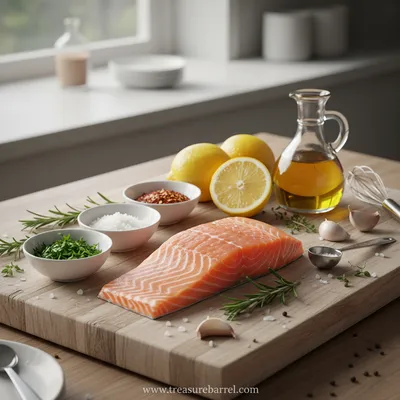
- Salmon fillets: Choose wild‑caught or responsibly farmed; look for firm flesh and a bright pink hue.
- Olive oil: A good extra‑virgin oil carries the aromatics and keeps the fish from sticking.
- Lemon zest & juice: Provides acidity that brightens the buttery richness of the salmon.
- Fresh dill & garlic: Adds herbaceous perfume; mince garlic finely so it melds without harsh bites.
- Honey: A touch of natural sweetness balances the lemon’s bite.
- Sea salt & cracked pepper: Season lightly; the salt draws out moisture for a better glaze.
Complete Cooking Process
-
Ingredient Readiness:
Pat the salmon dry, slice the lemon, and whisk the marinade so flavors meld before they touch the fish.
-
Flavor Development:
Allow the fillets to sit in the mixture for at least 15 minutes; the acid begins to tenderize while the honey caramelizes.
-
Texture Control:
Cook over medium‑high heat to sear the outside, then finish gently to keep the interior moist.
-
Finishing Touches:
Squeeze a splash of fresh lemon and sprinkle chopped dill just before serving.
-
Serving Timing:
Serve immediately while the glaze is still glossy and the fish is flaky.
-
Marinate in a shallow dish for even coverage.
-
Use a hot skillet pre‑heated with a thin coat of oil.
-
Baste the fish with leftover marinade during cooking.
-
Rest the cooked salmon 2 minutes before cutting.
Pro Tips
Well, those little steps make a big difference. I remember once over‑cooking a fillet and feeling the disappointment. Now I take my time with the heat and let the glaze do its work. The result is a gentle caramel crust that still feels buttery inside.
 Family Favorites
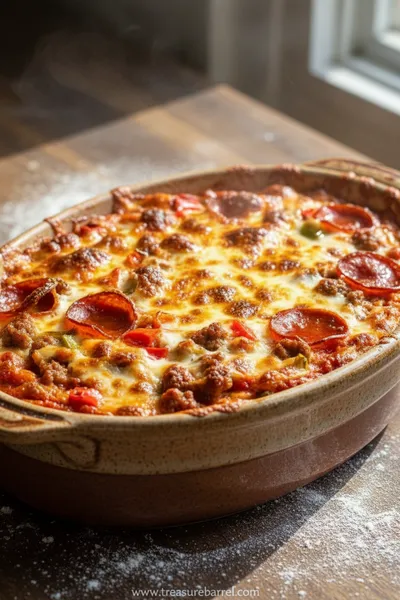
Meat Lovers Pizza Casserole Recipe
A comforting baked dish that brings pizza night flavors together in one easy casserole.
The essence of the dish:
A balance of bright citrus, subtle sweetness, and fresh herbs that lets the salmon’s natural richness shine without competing.
A fun fact or historical angle:
In Scandinavian tradition, dill and mustard were combined with acidic fruit juices to keep fish fresh during long voyages.
Flavor or sensory focus:
You’ll notice the first snap of lemon zest, then the gentle honey gloss, and finally the fragrant whisper of dill as you bite.
You Must Know
-
Do not over‑marinate; 15‑30 minutes is enough.
-
Pat fish dry for a better sear.
-
Use a non‑stick pan if you’re nervous about sticking.
Frequently Asked Questions
→ Can I use frozen salmon?
Yes, thaw it completely and pat dry; the marinade works just as well.
→ Do I need to discard the leftover marinade?
If it’s touched raw fish, discard it. You can reserve extra for basting during cooking, but don’t reuse after.
→ What side dishes pair best?
Steamed rice, roasted asparagus, or a light cucumber salad complement the bright flavors.
→ Can I add a spicy kick?
A pinch of red pepper flakes or a dash of sriracha in the glaze adds gentle heat.
→ Is this recipe gluten‑free?
Absolutely, as long as you use a gluten‑free soy alternative if you choose to add it.
→ How long can I store the marinated salmon?
Marinated raw salmon can sit refrigerated for up to 2 hours; cooked leftovers keep 3 days in an airtight container.
Nutrition Facts
per serving
350
Calories
30g
Protein
12g
Carbs
18g
Fat
Taste Profile
A bright, slightly sweet and citrusy flavor that highlights the fish
Ingredient Substitutions
Don't have an ingredient? Try these alternatives
Adjust cooking time slightly; fish may cook faster.
Provides similar sweetness with a subtle maple flavor.
Recipe Variations
Try these delicious twists on the original
Spicy Version
Add ½ tsp red pepper flakes and a drizzle of sriracha to the glaze for a gentle heat.
Mediterranean Style
Swap dill for fresh basil and add chopped sun‑dried tomatoes for a Mediterranean twist.
Common Mistakes to Avoid
Learn from others' mistakes for perfect results
- Over‑marinating, which can make the flesh mushy.
- Cooking on too low heat; the skin won’t crisp.
- Using a cold pan, resulting in sticking.
Meal Prep & Storage
Make Ahead Tips
You can combine the marinade and keep it refrigerated for up to 24 hours; simply add the salmon right before cooking.
Leftover Ideas
Reheat gently in a skillet over low heat, adding a splash of lemon juice to revive the glaze.
Perfect Pairings
Serve this with...
Cooking Timeline
Prepare the glaze: whisk honey, mustard, lemon, dill, garlic, salt, and pepper.
Marinate the salmon in the shallow dish; let sit.
Heat skillet, sear skin side until crisp.
Flip, baste with glaze, and finish cooking.
Rest fillets briefly, garnish, and serve.
 Warm Meals
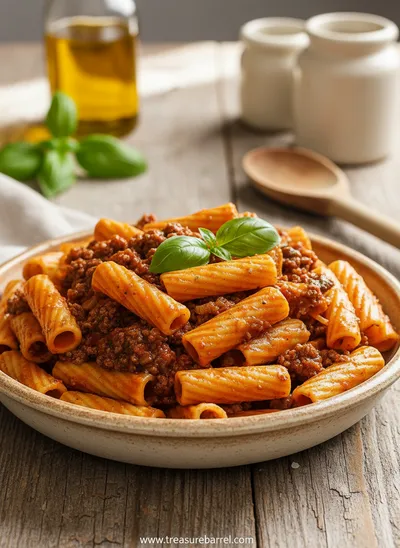
Beef Ragu Pasta Recipe in Tomato Sauce
A rich and hearty pasta dish with slow-cooked beef ragu in a savory tomato sauce.
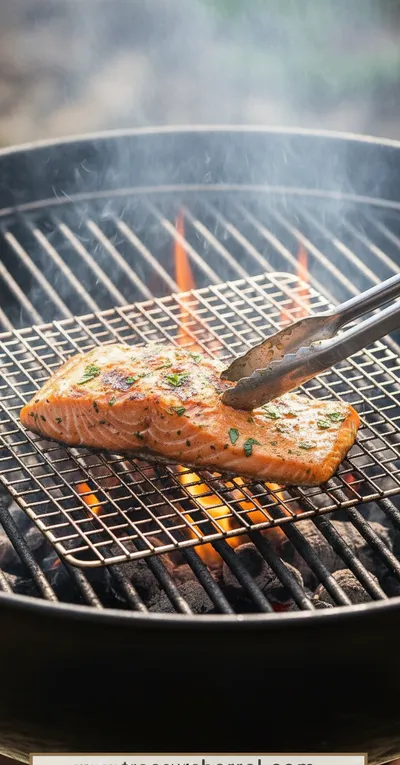
Salmon Marinade Recipe – Easy Flavorful Fish
A quick, bright salmon marinade that layers honey, lemon, and herbs for a tender, flaky fish perfect for any cooking method.
Timing
Prep Time
10 Minutes
Cook Time
15 Minutes
Total Time
25 Minutes
Recipe Details
Ingredients
Main Ingredients
-
01
4 (6‑oz) salmon fillets, skin on
-
02
2 tbsp extra‑virgin olive oil
For the Marinade
-
01
2 tbsp honey
-
02
1 tbsp Dijon mustard
-
03
Zest of 1 lemon
-
04
2 tbsp fresh lemon juice
-
05
2 tsp finely chopped fresh dill
-
06
2 cloves garlic, minced
-
07
1/2 tsp sea salt
-
08
1/4 tsp freshly cracked black pepper
Instructions
In a small bowl, whisk together honey, mustard, lemon zest, lemon juice, dill, garlic, salt, and pepper until smooth.
Place the salmon fillets on a shallow dish, drizzle with olive oil, then pour the marinade over, turning to coat both sides. Let sit for 15‑30 minutes.
Heat a non‑stick skillet over medium‑high heat. Add a thin splash of oil and lay the fillets skin‑side down; cook 4‑5 minutes until skin is crisp.
Flip the fillets, spoon the remaining glaze over the top, and cook another 3‑4 minutes until the flesh flakes easily.
Remove from heat, let rest briefly, then garnish with extra dill and a lemon wedge. Serve warm.
Notes & Tips
-
1
If you prefer a milder sweetness, reduce honey to 1 tbsp.
-
2
For a smoky note, finish with a quick splash of liquid smoke.
-
3
Avoid over‑marinating; the acid can start to ‘cook’ the fish.
Tools You'll Need
-
Small mixing bowl
-
Whisk
-
Shallow dish
-
Non‑stick skillet
-
Tongs
-
Spatula
Must-Know Tips
-
Pat salmon dry before marinating to avoid a watery glaze.
-
Cook skin side first for a satisfying crunch.
-
Baste with leftover sauce during cooking for extra gloss.
Professional Secrets
-
Room‑temperature salmon cooks more evenly.
-
High heat sears the surface, locking in juices.
-
Deglaze the pan with a splash of lemon juice to capture caramelized bits.

Recipe by
Amelia RoseAmelia cooks hearty meals 🥘🔥, sharing warmth 💛 and cozy evenings 🕯️🍲. Every dish she makes is full of love ❤️ and family laughter 👩👩👧👦🍛.
Get Delicious Recipes Weekly
Join 25,000+ home cooks getting our best recipes straight to their inbox.
Free forever • No spam • Unsubscribe anytime