Sticky Sesame Chicken
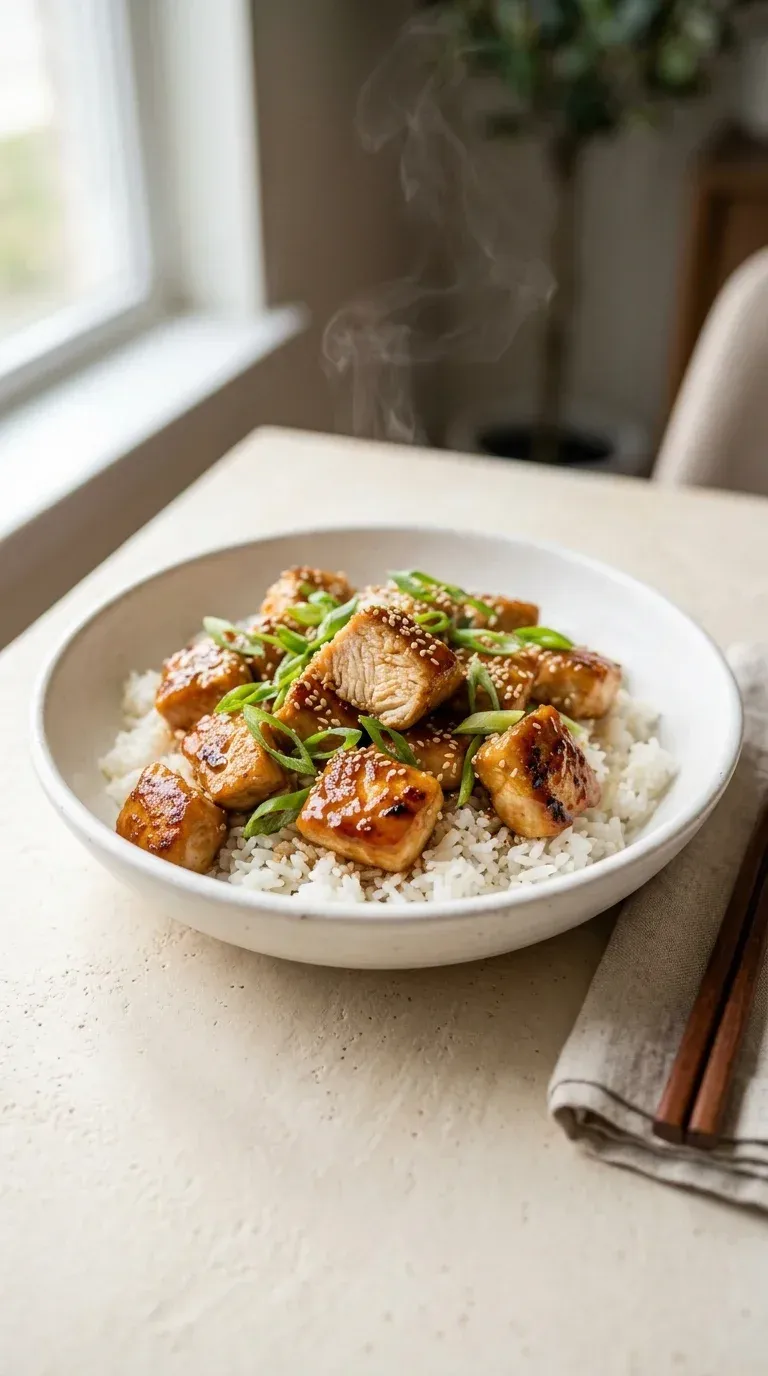
Bring the magic of takeout into your own kitchen. This recipe uses honey and soy sauce to create a rich, syrupy glaze. It is a quick, easy dinner that the whole family will love.
- Maya Quinn
- Quick Comfort
- September 3, 2026
- 3 min read
- Updated November 5, 2026
- Total time
- 27 min
- Servings
- 4 Servings
- Difficulty:
- Easy
Table of contents
I remember when we used to order takeout on rainy Friday nights, just to treat ourselves after a long week. The anticipation of that little white cardboard box was half the fun, you know? But honestly, once I figured out how to make this sticky sesame chicken at home, we hardly ever called the restaurant. There is just something about the smell of toasted sesame oil filling the kitchen that feels like a warm hug.
So, look, you don't need any fancy equipment here—just a simple skillet and a bit of patience while the sauce bubbles away. I love the way the honey and soy sauce come together into this thick, glossy glaze. It's just... wow. It makes the most ordinary Tuesday feel like a special occasion, and it's so satisfying to see those toasted sesame seeds scatter across the top at the very end.
Yeah, it's a simple meal, but that's the beauty of it. It's grounded, honest food that doesn't try too hard but always hits the spot. I mean, who can really resist that sweet-savory pull?
The story behind it
The origins of sesame-glazed dishes trace back to the heart of Chinese culinary traditions, where the balance of sweet and salty is considered a fundamental harmony. Sticky sesame chicken is a modern evolution of these ancient flavors, blending traditional ingredients like soy sauce and ginger with a richness that has become beloved in Western-style Chinese cuisine.
At its core, the dish relies on the chemistry of honey and soy sauce, which create a natural lacquer when reduced. The addition of rice vinegar provides a necessary brightness, cutting through the density of the glaze to ensure the palate remains refreshed. This interplay of flavors reflects a broader cultural emphasis on holistic balance in cooking.
Over time, this style of chicken has transitioned from specialty restaurants to family tables worldwide. Its popularity lies in its accessibility and the universal appeal of caramelized proteins. By using toasted sesame seeds, the dish adds a nutty depth that anchors the sweetness, creating a sophisticated yet comforting profile that transcends borders.
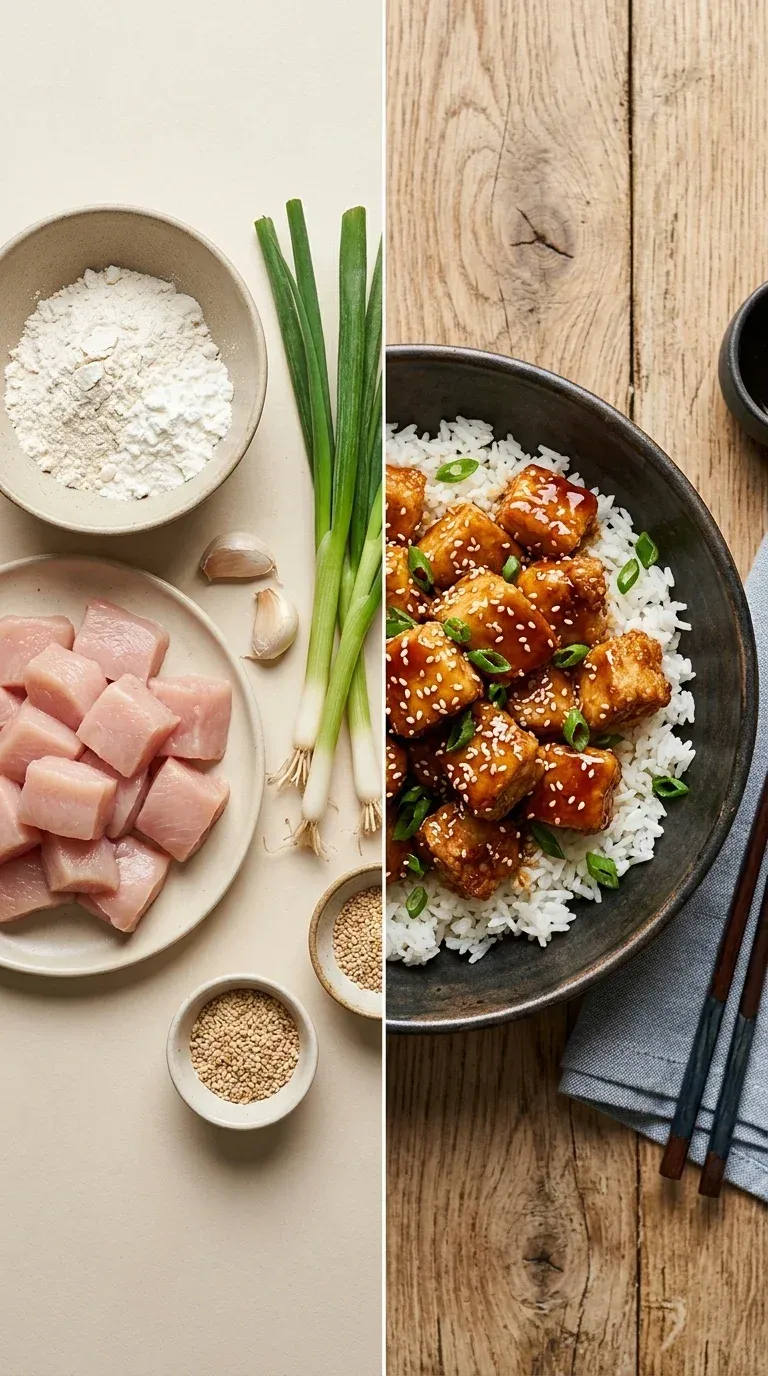
Why You'll Love It
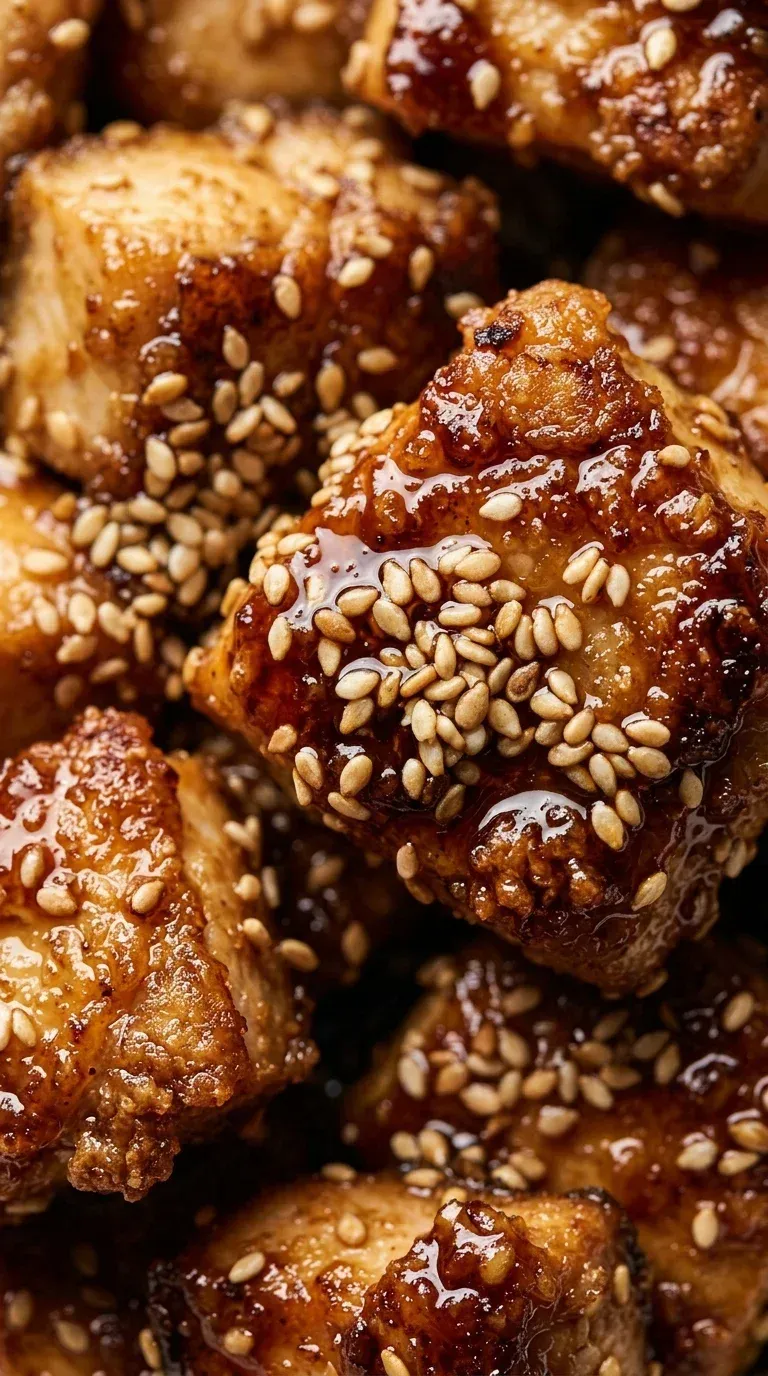
- Honestly, it's that glossy, honey-sesame sauce that gets me every time; it just clings to the chicken in the most wonderful way.
- I mean, who doesn't love a copy-cat takeout meal that actually tastes fresher? It's just such a cozy, quick comfort for a Tuesday night.
- Well, look, the contrast between the crispy chicken and those fresh, sliced scallions is just a little slice of heaven.
- Dang, the smell of toasted sesame seeds filling the kitchen... it just reminds me of those slow Sunday afternoons where nothing was rushed.
Tips for success
- Pat chicken dry, dry skin is key to achieving a perfect crisp in a short fry time.
- Use a slurry, a small amount of cornstarch in the sauce creates a silky, clingy glaze.
- Add heat at the end, stir in 1 teaspoon of sriracha into the sauce for a sweet‑spicy twist.
Professional secrets
- Searing in a single layer prevents steaming and ensures a golden crust.
- Toasting seeds in a dry pan unlocks a deeper, nuttier aroma.
- Caramelizing the sauce for an extra 2 minutes in the pan deepens the flavor.
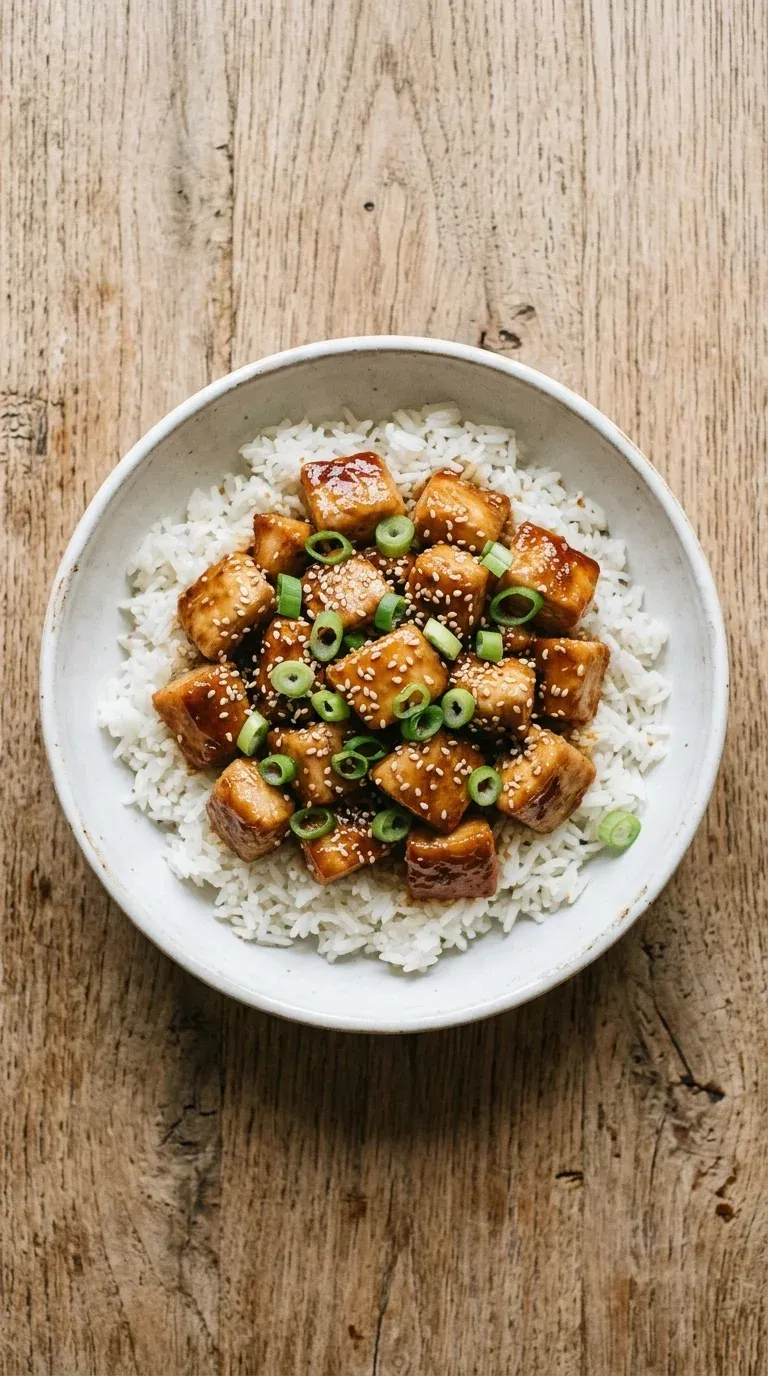
Common mistakes to avoid
- Overcrowding the pan, which causes the chicken to steam instead of brown.
- Adding the slurry to boiling sauce without whisking, creating lumps.
- Forgetting to pat the chicken dry, leading to a soggy coating.
Substitutions
- Honey: Maple Syrup. Provides a similar sweetness with a slightly different earthy tone.
- Rice Vinegar: Apple Cider Vinegar. A good pinch of acidity if you're out of rice vinegar.
Variations
- Sweet and Spicy Sesame Chicken: For those who love a bit of heat, add 1‑2 teaspoons of sriracha or fresh chili flakes to the sauce to balance the honey's sweetness.
- Vegetarian Sesame “Chicken”: You can swap the chicken for cubed firm tofu. Just be sure to press the tofu first to remove moisture before following the same steps.
Storage
Store in an airtight container at room temperature for up to 4 hours, or freeze for up to 2 weeks.
Make ahead
The chicken can be prepped and marinated in the egg and sesame oil up to a few hours ahead, though it's best cooked fresh.
Leftovers
Store in an airtight container. Reheat gently in a microwave or skillet; if the glaze separates, just stir in a splash of water.
Serving ideas
- Serve over steamed jasmine rice with a side of stir-fried bok choy.
- Layer over glass noodles with shredded carrots and peanut sauce.
- Garnish with cilantro and lime on a bed of fresh cucumber slices.
- Finish with extra toasted sesame seeds for a professional look.
Allergy information
Contains soy, egg, and sesame.
Sticky Sesame Chicken
Bring the magic of takeout into your own kitchen. This recipe uses honey and soy sauce to create a rich, syrupy glaze. It is a quick, easy dinner that the whole family will love.
- Prep time
- 15 min
- Cook time
- 12 min
- Total time
- 27 min
- Difficulty
- Easy
- Cuisine
- American-Chinese
Ingredients
Chicken Base
Sticky Sesame Sauce
Garnish
Instructions
- 1
First things first, pat your chicken dry with paper towels—it's a little tedious, but honestly, it makes a world of difference. Season them with salt and pepper, then toss in that beaten egg and 1 tbsp toasted sesame oil. You want the pieces lightly coated and a bit dimpled. Now, just let them rest for about 5 minutes to get settled.
- 2
Heat 2 tbsp of your neutral oil in the skillet over medium‑high heat. Lay the chicken in a single layer—don't crowd them! Cook for 3‑4 minutes per side until they're a lovely golden brown and cooked through to an internal temp of 165°F. I usually move them to paper towels to drain the extra oil so they stay crisp.
- 3
Grab a small saucepan and whisk together your honey, soy sauce, rice vinegar, orange juice, sesame oil, grated ginger, garlic powder (or minced garlic), and a pinch of salt. Bring it to a simmer over medium heat. Once it's bubbling, stir in your cornstarch‑water slurry. Keep stirring for 2‑3 minutes until it thickens into a beautiful, syrupy glaze.
- 4
Now for the best part. Return that golden chicken to the skillet and pour the thickened sauce right over the top. Toss it all together until every single piece is evenly glazed. Cook for another 1‑2 minutes; you'll see the sauce caramelize just a bit and really cling to the meat.
- 5
While that's happening, take a dry skillet over medium heat and toast 1 tbsp of sesame seeds for 1‑2 minutes. They'll get golden and smell wonderful—just watch them closely so they don't burn, oops!
- 6
Sprinkle those toasted sesame seeds over your glazed chicken and scatter the sliced scallions on top. Give it one last quick toss to bring all those flavors together.
- 7
Serve it up immediately over a bed of steamed jasmine or basmati rice. If you're feeling fancy, a few extra scallions and sesame seeds on top make it look just like a restaurant dish.
Nutrition per serving
- 480 kcal
- Calories
- 31 g
- Protein
- 32 g
- Carbs
- 18 g
- Fat
Tips & notes
- Dry chicken is the secret to a better sear. - The cornstarch slurry ensures the sauce isn't runny. - Sriracha is a wonderful addition if you like a bit of a kick.
Frequently asked questions
Can I use chicken breast instead of thighs?
You certainly can, though they can dry out a bit faster. Just be careful not to overcook them in the skillet.
My sauce isn't thickening up, what did I do wrong?
Oops, it happens! Just make sure your cornstarch‑water slurry is well-mixed and let it simmer for another minute or two while stirring.
How do I keep the chicken from sticking to the pan?
Make sure your neutral oil is nice and hot before the chicken hits the pan. If you leave them alone for a few minutes, they'll release naturally.