
European peasant soups and stews represent centuries of culinary resourcefulness, where families relied on hardy root vegetables, grains, and modest cuts of meat to create deeply nourishing meals. From the potées of France to the minestrone of Italy and the goulash of Eastern Europe, these dishes were designed to feed many mouths and stretch precious ingredients through long, cold winters. The slow simmering process, often done in a single pot over an open hearth, tenderized tougher meats and melded simple flavors into something profoundly comforting and sustaining.
Why You'll Love It
-
It's incredibly affordable and makes a huge batch.
-
The slow cooking fills your home with the most inviting aroma.
-
It’s endlessly adaptable based on what you have on hand.
-
Leftovers taste even better the next day.
"This stew is pure comfort in a bowl. It reminds me of my grandmother's cooking."
Essential Ingredient Guide
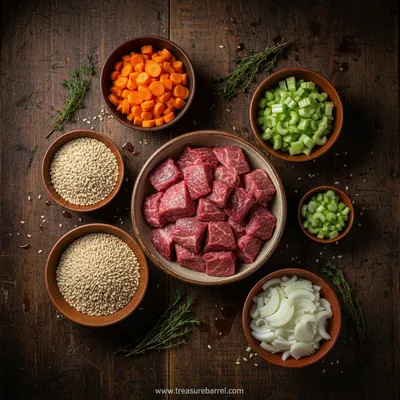
- Beef Sausage: This is the heart of the stew, providing rich, savory depth. Look for a coarse-ground sausage for the best texture.
- Potatoes: Starchy potatoes break down a little as they cook, helping to naturally thicken the broth and make it creamy.
- Carrots and Celery: These classic aromatics build the flavor foundation. No need to peel the carrots, just give them a good scrub.
- Thyme and Bay Leaf: Dried is perfectly fine here. They add that earthy, slightly floral note that whispers 'homemade'.
- Cabbage: A humble green cabbage adds bulk and a lovely, sweet flavor after a long simmer.
- Tomato Paste: Just a spoonful gives the broth a deeper color and a touch of sweetness and acidity.

Complete Cooking Process
-
Ingredient Readiness:
Honestly, take your time with the chopping. Getting all the vegetables roughly the same size means they'll cook evenly. It's a quiet, rhythmic kind of task.
-
Flavor Development:
This happens right at the start when you brown the sausage and sauté the onions. That fond, those little browned bits at the bottom of the pot, hold so much flavor. Don't rush it.
-
Texture Control:
The low, gentle simmer is key. A rolling boil can make the meat tough and the vegetables mushy. You want it to just barely bubble.
-
Finishing Touches:
Taste it right before serving. The flavors have been mingling for a while, so you might just need a pinch more salt or a grind of pepper.
-
Serving Timing:
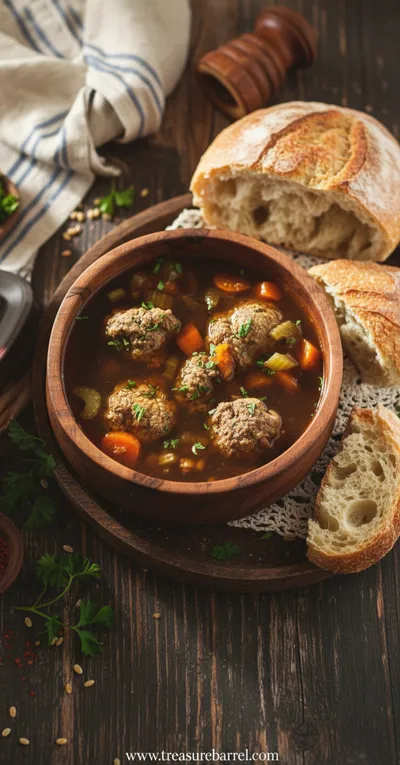
This stew is best served piping hot, maybe with a thick slice of crusty bread for dipping. It's a meal that asks you to sit down and stay awhile.
-
Let the sausage get a good sear for maximum flavor.
-
Use the lid slightly ajar to control the broth's consistency.
-
If it seems too thin, mash a few potatoes against the side of the pot.
-
Let it rest for 10 minutes off the heat before serving for the flavors to settle.
Pro Tips
I remember when my own kids were little, and they'd come in from playing in the snow, their cheeks flushed red, and the first thing they'd say is, 'Wow, it smells good in here.' That's the power of a stew like this. It's not just food; it's a feeling.
And the beauty is, you can't really mess it up. If you add a bit more carrot, or swap in some parsnips, it'll still be delicious. That's the forgiving nature of peasant cooking—it's all about using what you've got to create something wonderful.
 Family Favorites
Meat Lovers Pizza Casserole Recipe
A comforting baked dish that brings pizza night flavors together in one easy casserole.
The essence of the dish:
It’s the simplicity and the heartiness. This isn't a fancy dish; it's a working dish. It's about nourishment and comfort, about a full belly and a warm kitchen on a chilly evening.
A fun fact or historical angle:
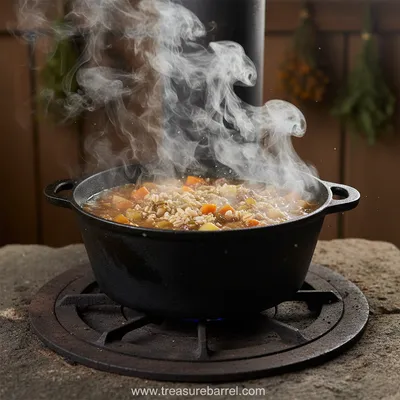
In many parts of Europe, these stews were often cooked in a single large pot that would hang over the fire all day, with ingredients added as they became available.
Flavor or sensory focus:
You'll notice the deep, savory meatiness first, followed by the sweet softness of the carrots and onions, and finally the earthy herbs. The broth is the star, really.
You Must Know
-
Brown the meat well—this is non-negotiable for flavor.
-
Low and slow is the only way to cook this properly.
-
Taste and adjust seasoning at the end, not the beginning.
Frequently Asked Questions
→ Can I make this stew ahead of time?
Absolutely. In fact, it's often better the next day. Just let it cool completely before storing it in the fridge, and reheat it gently on the stove.
→ What can I use instead of beef sausage?
You could use diced lamb shoulder, or even just more root vegetables to keep it vegetarian. The method stays the same.
→ My stew is too thin. How can I thicken it?
Mash a few of the potato pieces against the side of the pot with the back of a spoon. They'll dissolve into the broth and thicken it naturally.
→ Can I freeze this?
Yes, it freezes beautifully for up to 3 months. Thaw overnight in the refrigerator before reheating.
→ What's the best way to reheat leftovers?
Always on the stovetop over low heat. The microwave can make the vegetables a bit mushy.
→ What should I serve with this?
A thick slice of hearty bread is classic. It's also wonderful with a simple chicken dish if you're serving a crowd, or followed by a light sweet treat like a simple strawberry cake.
Nutrition Facts
per serving
385
Calories
22g
Protein
35g
Carbs
18g
Fat
Taste Profile
Savory, earthy, and deeply comforting with a rich meaty base.
Ingredient Substitutions
Don't have an ingredient? Try these alternatives
Brown the lamb well first, and expect a slightly longer cooking time for it to become tender.
Add ¾ cup pearl barley with the broth; it will thicken the stew similarly.
Recipe Variations
Try these delicious twists on the original
White Bean & Kale Version
Add a can of drained white beans and chopped kale during the last 20 minutes of cooking for a different twist.
Root Vegetable Stew
Omit the sausage and use parsnips, turnips, and sweet potatoes for a hearty vegetarian option.
Common Mistakes to Avoid
Learn from others' mistakes for perfect results
- Rushing the browning step, which sacrifices flavor.
- Bringing the stew to a rolling boil instead of a gentle simmer.
- Underseasoning—wait until the end to add salt, as the broth reduces.
Meal Prep & Storage
Make Ahead Tips
You can chop all the vegetables a day ahead and store them in airtight containers in the refrigerator. The entire stew can be made up to 3 days in advance.
Leftover Ideas
Reheat gently in a saucepan on the stovetop over low heat, adding a splash of broth or water if it has thickened too much. The flavors improve over time.
Perfect Pairings
Serve this with...
Cooking Timeline
Prep all ingredients: chop vegetables, mince garlic.
Brown the sausage and sauté the onions and garlic.
Add all remaining ingredients to the pot and bring to a boil.
Simmer gently for 1.5 to 2 hours until vegetables are tender.
Remove from heat, season, and let rest before serving.
 Warm Meals
Beef Ragu Pasta Recipe in Tomato Sauce
A rich and hearty pasta dish with slow-cooked beef ragu in a savory tomato sauce.
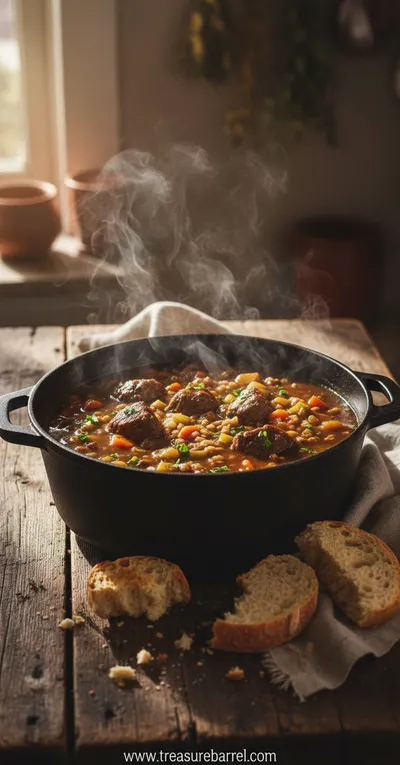
Traditional European Peasant Soups and Stews
Hearty traditional European peasant soups and stews are perfect for cold-weather meals, featuring rustic ingredients and cozy flavors that have warmed generations.
Timing
Prep Time
20 Minutes
Cook Time
1 Hour 45 Minutes
Total Time
2 Hours 5 Minutes
Recipe Details
Ingredients
For the Stew Base
-
01
2 tbsp olive oil
-
02
1 lb beef sausage, casings removed
-
03
1 large yellow onion, chopped
-
04
3 cloves garlic, minced
-
05
2 tbsp tomato paste
Vegetables and Herbs
-
01
4 medium carrots, chopped
-
02
3 stalks celery, chopped
-
03
1.5 lbs potatoes, peeled and cubed
-
04
½ small green cabbage, chopped
-
05
1 tsp dried thyme
-
06
2 bay leaves
-
07
8 cups beef or vegetable broth
-
08
Salt and black pepper to taste
Instructions
Heat the olive oil in a large, heavy-bottomed pot or Dutch oven over medium-high heat. Add the beef sausage, breaking it up with a spoon, and cook until well-browned, about 8-10 minutes. Use a slotted spoon to remove the sausage and set it aside.
In the same pot, add the chopped onion. Cook, stirring occasionally, until softened and translucent, about 5-7 minutes. Add the minced garlic and tomato paste and cook for another minute until fragrant.
Return the browned sausage to the pot. Add the chopped carrots, celery, potatoes, cabbage, thyme, and bay leaves. Pour in the broth and give everything a good stir.
Bring the stew to a boil, then immediately reduce the heat to low. Cover the pot, leaving the lid slightly ajar. Let it simmer gently for at least 1 hour and 30 minutes, or until the vegetables are very tender and the flavors have melded together.
Remove the bay leaves. Taste the stew and season generously with salt and pepper. Let it stand for 10 minutes off the heat before serving hot.
Notes & Tips
-
1
The stew will thicken as it stands. If you prefer a thinner consistency, add a bit more broth or water when reheating.
-
2
This is a great recipe for a one-pot meal, making cleanup easy.
-
3
For a different twist, try serving it with a dollop of honey glaze on some crusty bread on the side.

Tools You'll Need
-
Large Dutch oven or heavy-bottomed pot
-
Wooden spoon
-
Sharp knife
-
Cutting board
-
Ladle
Must-Know Tips
-
Don't skip browning the sausage, it adds crucial flavor depth.
-
Let the stew simmer gently, a rolling boil can make the meat tough.
-
Taste and adjust seasoning at the very end, after the flavors have developed.
Professional Secrets
-
Searing the meat creates a flavorful fond—scrape those browned bits up!
-
A long, slow simmer breaks down connective tissue, making everything tender.
-
Letting the stew rest before serving allows the flavors to harmonize.

Recipe by
Amelia RoseAmelia cooks hearty meals 🥘🔥, sharing warmth 💛 and cozy evenings 🕯️🍲. Every dish she makes is full of love ❤️ and family laughter 👩👩👧👦🍛.
Get Delicious Recipes Weekly
Join 25,000+ home cooks getting our best recipes straight to their inbox.
Free forever • No spam • Unsubscribe anytime