Bouillabaisse Seafood Stew: Classic French Fish Recipe
Classic French seafood stew with mixed fish and shellfish in a rich, aromatic broth.
- Amelia Rose
- Warm Meals
- January 10, 2026
- 4 min read
- Updated November 5, 2026
- Total time
- 1 h
- Servings
- 6 Servings
- Difficulty:
- Medium
Table of contents
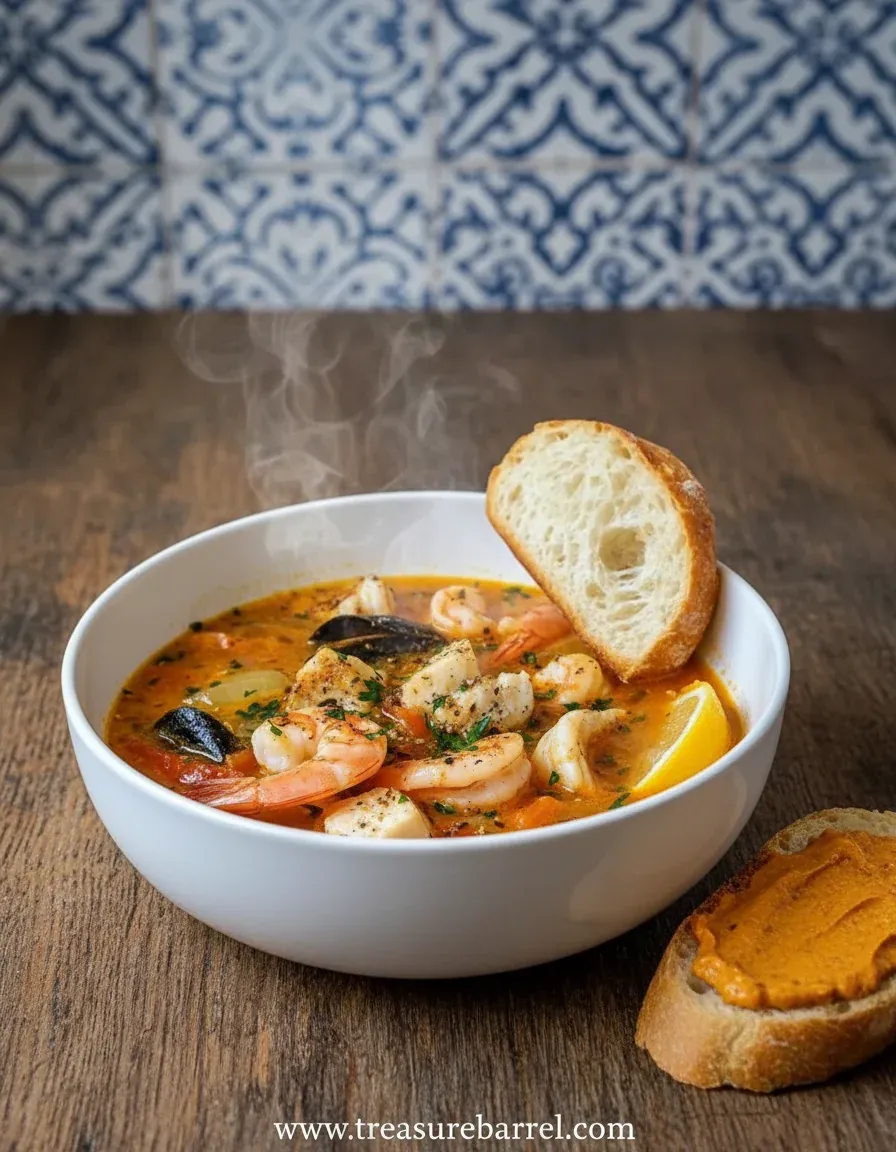
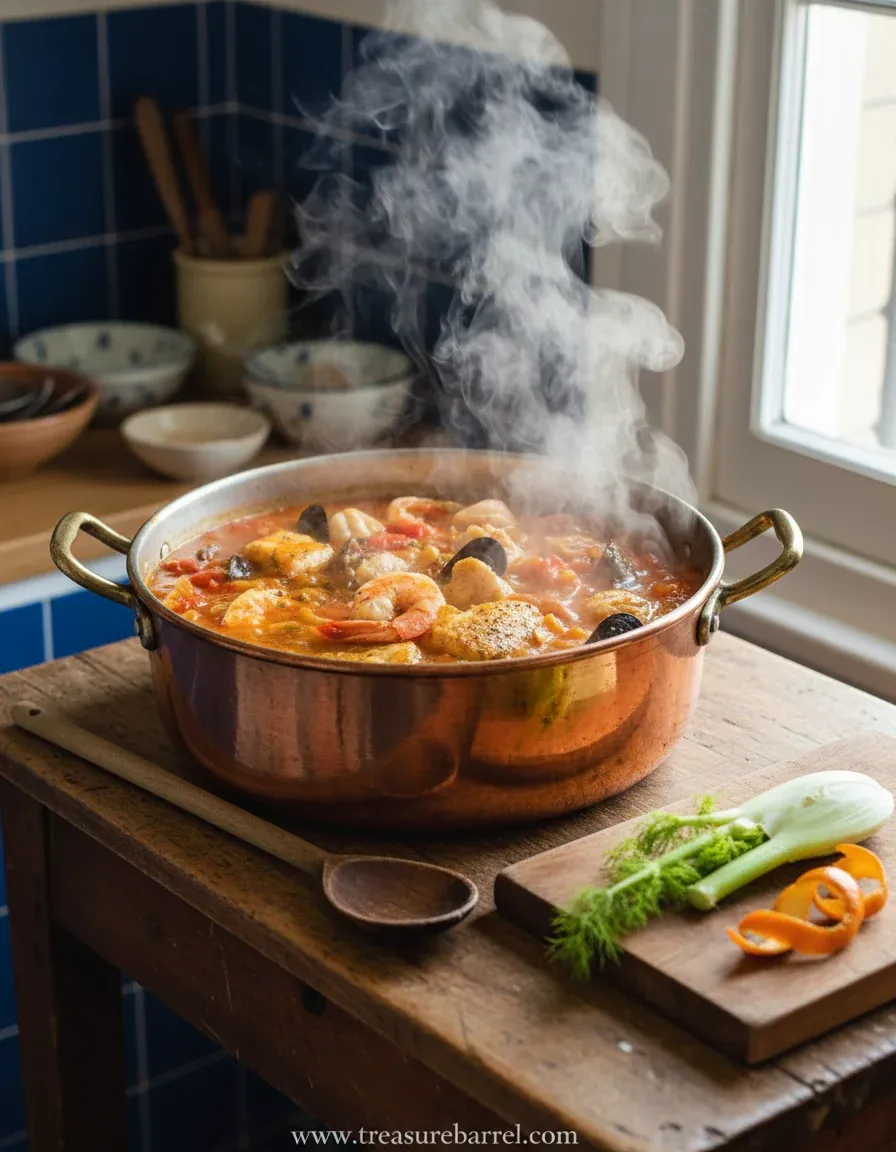
You know, there's something about stirring a pot of seafood stew that feels like coming home. The steam rising, the gentle bubble of the broth, the way the kitchen fills with the scent of thyme and fennel... it's one of those meals that just wraps you up in comfort. I remember watching my grandmother make her version, her hands moving with such quiet confidence, tasting from the wooden spoon with a thoughtful look. Honestly, that's the spirit I try to bring to this bouillabaisse—it's not about being fancy, it's about creating something truly nourishing.
The essence of the dish
This bouillabaisse is about celebrating the sea's bounty in the most comforting way possible. It's not just a soup—it's a experience that engages all the senses, from the vibrant color to the complex aroma to the satisfying textures of tender fish and plump shellfish. The magic happens when all these elements come together in perfect harmony.
A fun fact or historical angle
Traditional Marseille bouillabaisse was never made with expensive lobster or fancy cuts—it was a practical dish created by fishermen using the rockfish and shellfish that weren't valuable enough to sell. They'd cook everything together in seawater with whatever herbs grew nearby, creating a meal that was both economical and delicious.
Flavor or sensory focus
Your first impression will be the incredible aroma—saffron, fennel, and thyme mingling with the briny scent of fresh seafood. Then comes the taste: rich tomato broth, sweet shellfish, firm white fish, and that hint of orange zest that brightens everything. The texture contrast between the tender fish and the slight resistance of perfectly cooked mussels is pure delight.
You Must Know
- Don't overcook the seafood—add it in stages according to cooking time
- Use the best fish stock you can find or make—it's the foundation
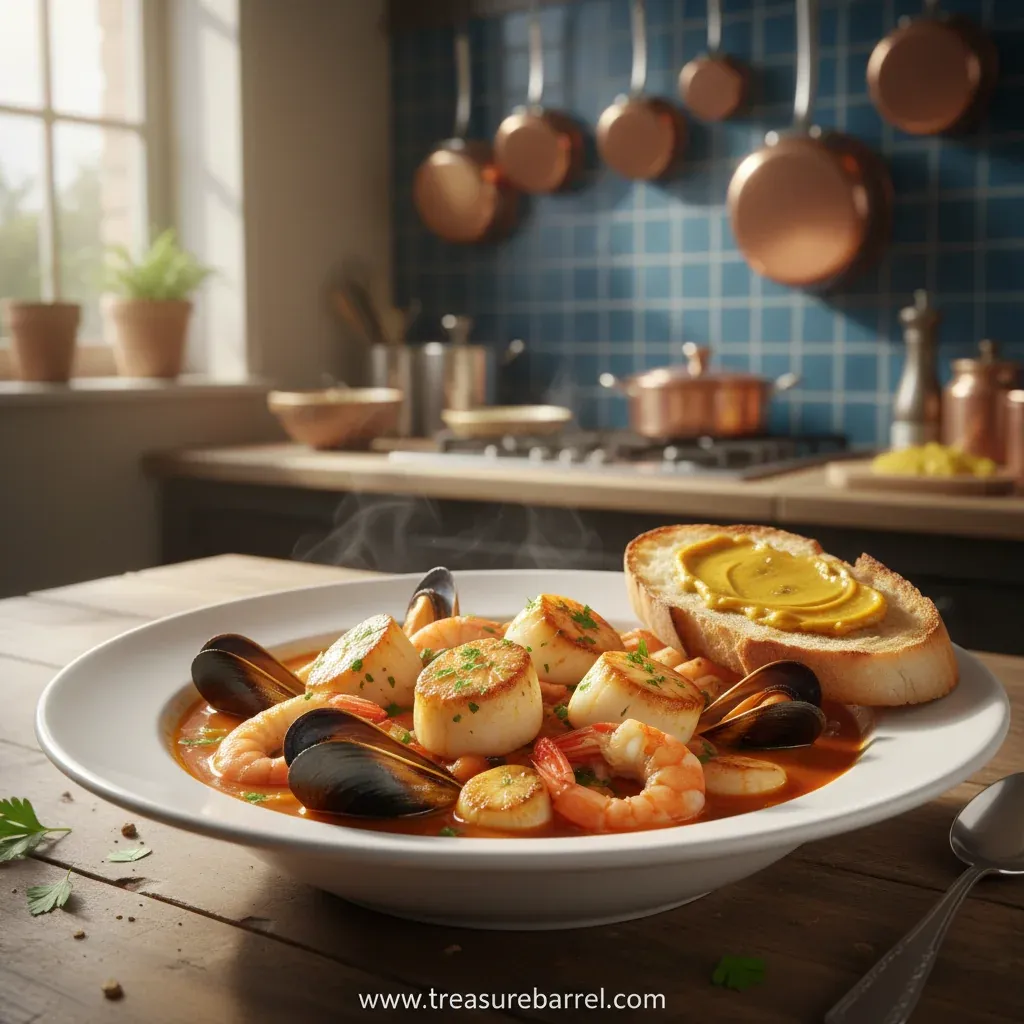
- Serve with rouille (garlic mayonnaise) and crusty bread for authenticity
- Let the broth reduce properly—this concentrates the flavors beautifully
Making bouillabaisse might seem intimidating at first, but once you understand the rhythm of it, you'll find it's actually quite straightforward. The important thing is to trust the process—let the flavors develop, don't rush the simmering, and add the seafood at just the right moment. I've served this to everyone from experienced foodies to hesitant seafood beginners, and it always wins people over. There's something about sharing a steaming bowl of this stew that breaks down barriers and creates connection. It's more than food—it's comfort, it's celebration, it's memory-making in a pot.
The story behind it
Bouillabaisse originated in the port city of Marseille, where fishermen would cook the catch they couldn't sell in a large cauldron over an open fire. The tradition dates back to ancient Greek times when the city was founded around 600 BC, and the recipe evolved over centuries into the rich, saffron-infused stew we know today. What makes it truly authentic is the use of local Mediterranean fish and the prolonged simmering that creates a deeply flavorful broth.
Why You'll Love It
- The rich, aromatic broth develops incredible depth of flavor as it simmers
- Using a variety of seafood creates wonderful textural contrasts in every spoonful
- It's surprisingly simple to make despite its impressive presentation
- Perfect for feeding a crowd or enjoying as elegant comfort food
Tips for success
- Don't rush the broth simmering—this is where the deep flavors develop
- Add seafood in order of cooking time—firm fish first, delicate shellfish last
- Taste the broth before adding seafood and adjust seasoning
- Serve immediately—seafood continues cooking in the hot broth
Professional secrets
- Toasting the tomato paste deepens its flavor significantly
- Warming saffron in your hand before adding releases more aroma
- A final drizzle of good olive oil adds richness and sheen
- Letting the stew rest 5 minutes after cooking allows flavors to settle
Common mistakes to avoid
- Overcooking the seafood—it continues cooking in the hot broth
- Not reducing the broth enough before adding seafood
- Adding all seafood at once instead of in stages
- Skipping the step of toasting the tomato paste
Substitutions
- Saffron: Turmeric for color, but flavor will be different. Authentic bouillabaisse really needs saffron for its distinctive character
- White wine: Additional fish stock or vegetable broth. The wine adds acidity, so add a squeeze of lemon if omitting
Variations
- Quick Weeknight Version: Use pre-mixed seafood blend and canned broth for faster preparation while still maintaining great flavor
- Spicy Mediterranean Twist: Add harissa paste or red pepper flakes for heat, and include olives and capers for bold flavor
Storage
Store leftovers in an airtight container in the refrigerator for up to 2 days. Reheat gently on the stovetop, but note the seafood texture may change slightly.
Make ahead
The broth base can be made up to 2 days ahead and refrigerated. Add the seafood just before serving for best texture. This makes entertaining much easier.
Leftovers
Reheat gently on the stovetop, but note the seafood may become slightly tougher. The broth itself actually improves in flavor overnight.
Serving ideas
- Serve in wide, shallow bowls to showcase the beautiful seafood
- Accompany with fresh baked bread for soaking up the broth
- Offer lemon wedges for squeezing over individual servings
- Pair with a simple green salad for contrast
- Consider serving with spicy appetizers for a themed meal
Allergy information
Contains shellfish and fish. Can be made gluten-free by serving with gluten-free bread.
Bouillabaisse Seafood Stew: Classic French Fish Recipe
Classic French seafood stew with mixed fish and shellfish in a rich, aromatic broth.
- Prep time
- 25 min
- Cook time
- 35 min
- Total time
- 1 h
- Difficulty
- Medium
- Cuisine
- French
- Course
- Main Course
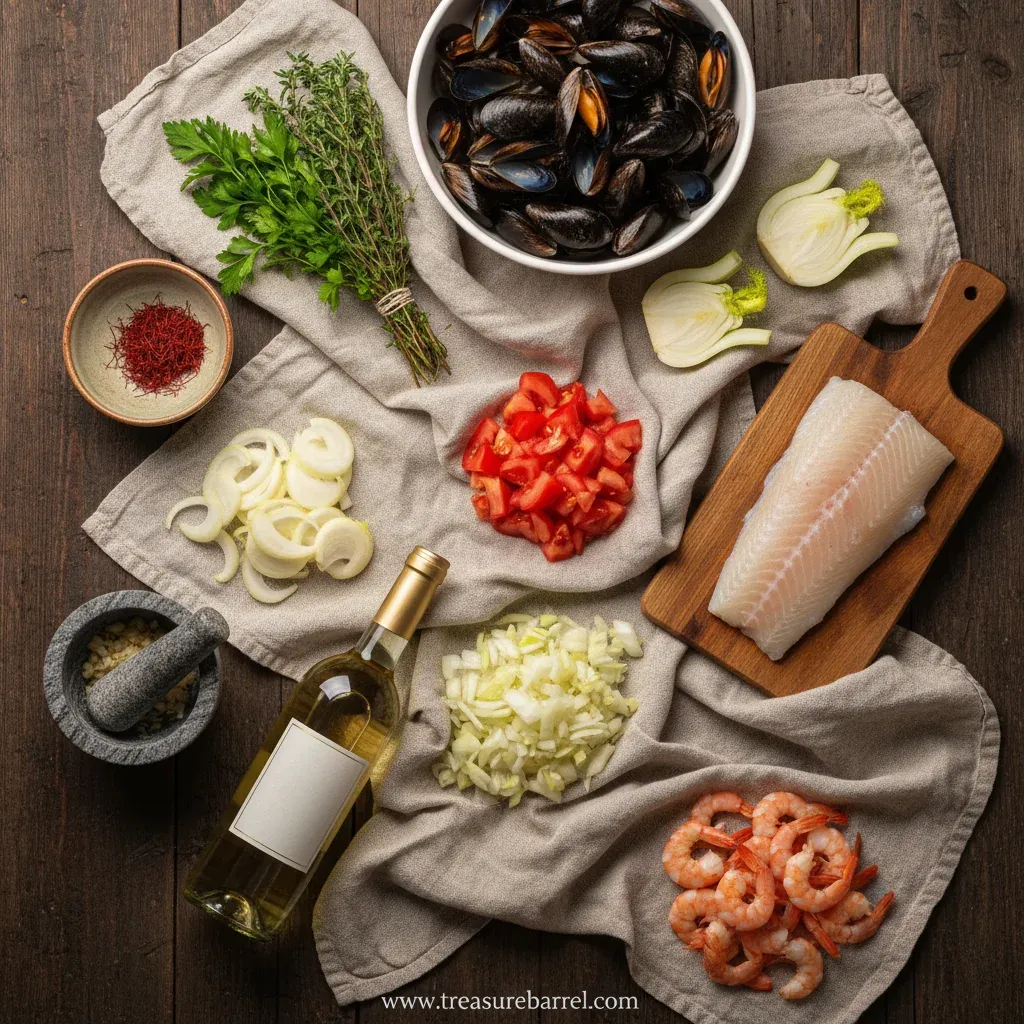
Ingredients
For the Broth Base
Seafood Selection
For Serving
Instructions
- 1
Heat the olive oil in a large Dutch oven or heavy-bottomed pot over medium heat. Add the fennel and onion and cook, stirring occasionally, until softened about 8 minutes. Add the garlic and cook for another minute until fragrant. Stir in the tomato paste and cook for 2 minutes until it darkens slightly.
- 2
Add the crushed tomatoes, fish stock, wine (if using), saffron, bay leaf, thyme, and orange zest. Bring to a boil, then reduce heat and simmer uncovered for 20 minutes to allow the flavors to meld and the broth to reduce slightly. Season with salt and pepper to taste.
- 3
Add the firm fish pieces and simmer for 4 minutes. Then add the scallops and cook for 2 minutes. Finally, add the shrimp and mussels, cover the pot, and cook for 4-5 minutes until the mussels have opened and the shrimp are pink and cooked through. Discard any mussels that don't open.
- 4
Remove the bay leaf and orange zest. Stir in the fresh parsley and basil. Taste and adjust seasoning if needed. If you're looking for other simple supper ideas, this stew fits perfectly into that category.
- 5
Ladle the stew into warm bowls, making sure each serving gets a variety of seafood. Drizzle with extra virgin olive oil and serve immediately with crusty bread and lemon wedges. The bread is essential for soaking up every last drop of that incredible broth.
Nutrition per serving
- 320 kcal
- Calories
- 35 g
- Protein
- 15 g
- Carbs
- 12 g
- Fat
Tips & notes
- Make sure all seafood is patted dry before adding to the pot to prevent watering down the broth - Don't overcrowd the pot—cook in batches if necessary for the best texture - The broth can be made ahead and refrigerated for up to 2 days before adding seafood - Fresh herbs added at the end make all the difference—don't skip them
Frequently asked questions
Can I use frozen seafood?
Absolutely, but thaw it completely first and pat it dry. The texture might be slightly different than fresh, but it still makes a delicious stew. I'd avoid frozen mussels in shells though—fresh is better for those.
What's the best fish to use?
Firm white fish that holds its shape—cod, halibut, sea bass, or monkfish are perfect. Avoid delicate fish like sole that will fall apart. Mixing two or three varieties gives nice texture variation.
Can I make this ahead of time?
You can prepare the broth base up to two days ahead, but add the seafood just before serving. Reheated seafood tends to become rubbery, so it's best fresh.
What if I can't find saffron?
Turmeric will give you the golden color but not the distinctive flavor. You could use a pinch of paprika for color and rely more on the other herbs, but saffron really makes it authentic.
How spicy is this stew?
Traditional bouillabaisse isn't spicy-hot—the warmth comes from the herbs and aromatics. If you like heat, you could add a pinch of red pepper flakes, but I prefer it as is.
What should I serve with it?
Crusty bread is essential for dipping, and a simple green salad balances the richness. A glass of crisp white wine pairs beautifully if that's your thing.