
I remember my grandmother making this on her old cast iron skillet, the one that was seasoned with decades of love and good food. The kitchen would fill with this incredible, savory scent, and I'd just watch, mesmerized by her graceful, practiced movements. She never measured a thing, just a little bit of this and a handful of that. She’d always say the secret was in the double dredge—dipping it in the flour twice to build that thick, craggy crust that holds onto the gravy just so. Now, when I make it, the sound of the steak hitting the hot oil transports me right back to her kitchen. It’s more than a meal; it’s a memory. And for dessert, we'd often have her simple, perfect moist banana bread.
Why You'll Adore This Recipe
-
The Unbeatable Texture Contrast: There's just something magical about that shatteringly crisp, golden-brown crust against the tender, juicy steak inside. Every bite is a perfect balance of crunch and tenderness. It’s a sensory experience that is deeply, deeply satisfying and reminds me of what good home cooking is all about.
-
Pure Comfort Food: This dish is the culinary equivalent of a cozy blanket. It’s hearty, savory, and fills the soul as much as it fills the stomach. It’s the perfect meal for a chilly evening, a tough day, or just when you need a little taste of home. Honestly, it just makes everything feel a little bit better.
-
Surprisingly Simple to Make: While it looks and tastes impressive, chicken fried steak is wonderfully straightforward. It’s all about a simple process: tenderize, dredge, and fry. There are no complicated techniques, just a rhythm that you fall into, making it a perfect recipe for a relaxed weekend cooking session.
-
That Creamy, Dreamy Gravy: Let’s be honest, the steak is only half the story. The rich, peppery cream gravy, made right in the same pan with all those delicious browned bits, is absolutely essential. It pools into every nook and cranny of the crispy crust, and it's what truly elevates this dish from simply good to unforgettable.
This is comfort on a plate. The crust is perfect, and the steak is so tender.
Essential Ingredient Guide
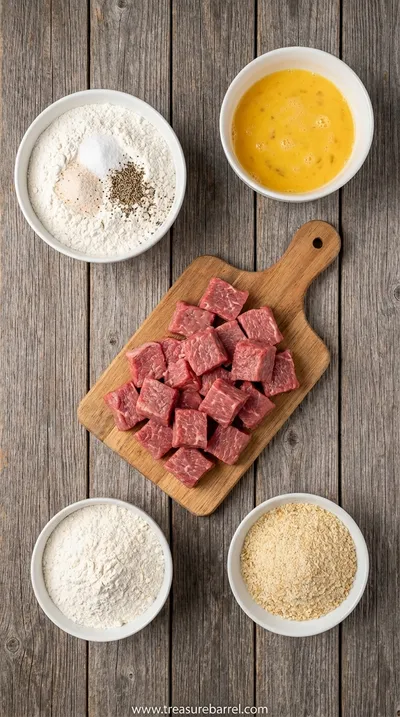
- Cube Steak: This is the heart of the dish. Cube steak is typically top round or top sirloin that has been tenderized by a machine, which creates those little indentations. This process not only makes the meat incredibly tender but also creates more surface area for the delicious breading to cling to. Look for pieces that are of a uniform thickness, about 1/4 to 1/2 inch, for even cooking.
- Buttermilk: Please don't skip the buttermilk! Its slight acidity helps to tenderize the steak even further and adds a subtle, pleasant tang that cuts through the richness of the fried coating. Most importantly, its thickness helps the flour mixture adhere beautifully, which is key to preventing the breading from falling off. It's the glue that holds all that crispy goodness together.
- All-Purpose Flour & Spices: The breading is where so much of the flavor lives. I use simple all-purpose flour as the base, but the magic is in the seasoning. Don't be shy with the salt, black pepper, garlic powder, and paprika. This seasoned flour is used for both the dredge and to thicken the gravy, creating a cohesive, savory flavor profile throughout the entire dish. It's what makes the crust so crave-worthy.
Complete Cooking Process
-
Preparation: Setting the Stage:
First, we get everything in its right place. I find cooking is so much calmer when you have your 'mise en place,' a fancy way of saying 'everything ready.' Set up three shallow dishes—one for the seasoned flour, one for the egg and buttermilk wash, and then a final one for the second flour coating. This assembly line is your key to a clean process and a perfect crust. Pat the steaks dry with a paper towel; this little step is so important because it helps the flour stick better from the very first dip.
-
Cooking: The Golden Hour:
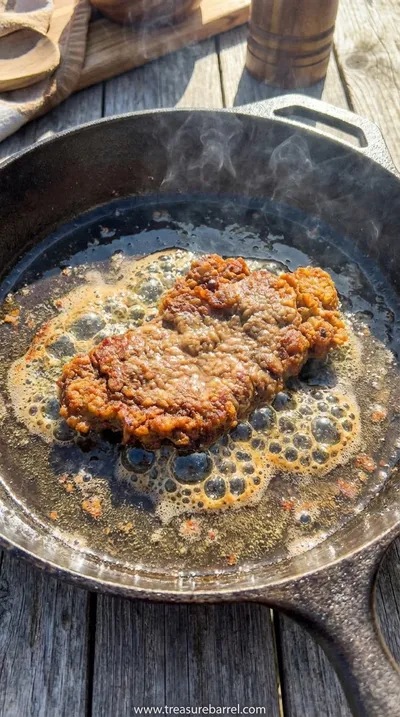
Now for the fun part. The sound of the steak hitting the hot oil is one of my favorite kitchen sounds. You want to get your oil shimmering but not smoking, a nice medium-high heat. Lay the steaks in the pan, being careful not to overcrowd them. Give them space to become gloriously golden and crisp. This usually takes about 3-4 minutes per side. You’ll see the edges turn a beautiful brown. Once cooked, transfer them to a wire rack, not a plate, to keep the bottom from getting steamy and soft.
-
Assembly: The Gravy Grand Finale:
Do not, I repeat, do not clean that pan! All those browned, stuck-on bits, known as 'fond,' are pure flavor gold. Pour off most of the excess oil, leaving a couple of tablespoons behind. Whisk your seasoned flour into the drippings to form a paste, or 'roux,' and let it cook for a minute to get rid of any raw flour taste. Then, slowly, slowly whisk in the milk until it’s smooth before letting it bubble and thicken into a luscious, peppery gravy. This is the final touch that brings the entire dish together in a warm, savory embrace.
-
Use a heavy-bottomed skillet, like cast iron, for even heat distribution and retention.
-
Let the breaded steak rest for a few minutes before frying to help the coating set.
-
Once you place the steak in the pan, leave it alone! Don't poke or move it until it's time to flip, allowing a beautiful crust to form.
Pro Tips for Frying
Following these little tips makes a world of difference. It’s the small details that elevate a good meal to a great one. And once you have it down, you can focus on other important things, like what to bake for dessert, maybe a simple banana bread.
 Family Favorites
Meat Lovers Pizza Casserole Recipe
A comforting baked dish that brings pizza night flavors together in one easy casserole.
Frequently Asked Questions
→ Can I use a different cut of meat?
Absolutely. While cube steak is traditional because it's pre-tenderized, you can make your own. Start with a lean, less expensive cut like top or bottom round steak. You'll want to pound it out with a meat mallet to about 1/4-inch thickness. This not only tenderizes the meat but also creates that classic wide, thin shape perfect for frying. Just be sure to pound it evenly so it cooks at the same rate.
→ How do I keep the breading from falling off?
This is the most common challenge, but it's easily solved! First, pat your steak very dry before the first dredge. Second, after breading, let the steaks rest on a wire rack for at least 10-15 minutes. This allows the coating to hydrate and adhere to the meat. Finally, when frying, only flip the steak once. The less you fuss with it, the more intact the crust will stay.
→ Can I make this ahead of time?
Chicken fried steak is truly at its best when it's fresh from the skillet, all hot and crispy. I wouldn't recommend making the whole dish ahead. However, you can certainly bread the steaks a few hours in advance. Just lay them on a wire rack, cover them loosely, and keep them in the fridge until you're ready to fry. This can be a great time-saver for a weeknight dinner.
→ What is the best oil for frying?
You want a neutral oil with a high smoke point. I prefer using vegetable oil, canola oil, or even shortening. These oils can handle the medium-high heat required for frying without burning or imparting a strong flavor, letting the taste of the seasoned crust and steak shine through. You only need about a half-inch of oil in the pan; we're shallow-frying, not deep-frying.
→ My gravy is lumpy! What did I do wrong?
Oh, lumpy gravy happens to the best of us! The key to smooth gravy is twofold. First, make sure you cook the flour and fat (the roux) for a minute before adding liquid. Second, add the milk slowly at first, whisking constantly to create a smooth paste before adding the rest. If you still get lumps, don't panic! You can usually whisk them out, or for a foolproof fix, pour the gravy through a fine-mesh sieve.
→ Is chicken fried steak actually made of chicken?
That's a great question, and I can see why it's confusing! No, traditional chicken fried steak is made with beef steak. It gets its name from the preparation method, which is very similar to how you would prepare fried chicken—dredging it in a seasoned flour mixture and pan-frying it until golden and crisp. It's all about the 'fried chicken' style, but with steak.
→ What should I serve with chicken fried steak?
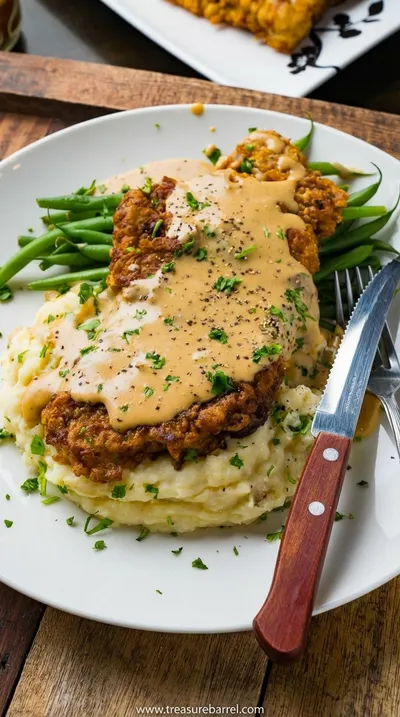
Classic pairings are classic for a reason—they're delicious! Creamy mashed potatoes are almost non-negotiable, as they are the perfect vehicle for all that extra gravy. I also love serving it with something green, like simple steamed green beans, collard greens, or a fresh garden salad. And for dessert, something simple and comforting like an easy banana bread always feels right.
Nutrition Facts
per serving
650
Calories
28g
Protein
45g
Carbs
40g
Fat
Taste Profile
Rich, savory, and peppery with a creamy finish from the gravy.
Ingredient Substitutions
Don't have an ingredient? Try these alternatives
You can use the same method with thin, pounded pork cutlets or chicken breasts for a delicious variation. Adjust cooking times as needed.
If you don't have buttermilk, you can make a quick substitute. For every 1 cup of regular milk, stir in 1 tablespoon of lemon juice or white vinegar. Let it sit for 5-10 minutes until it curdles slightly.
Recipe Variations
Try these delicious twists on the original
Spicy Version
Add 1/2 teaspoon of cayenne pepper and a teaspoon of hot sauce to your egg and buttermilk mixture for a nice, gentle heat that builds with each bite.
Country Fried Steak
The main difference is typically the gravy. For country fried steak, serve it with a brown gravy made from beef broth instead of the classic white cream gravy.
Common Mistakes to Avoid
Learn from others' mistakes for perfect results
- Forgetting to let the breaded steak rest. This step is vital for helping the coating adhere.
- Using oil that isn't hot enough, which results in a greasy, soggy crust instead of a crispy one.
- Overcrowding the pan, which lowers the oil temperature and causes the steaks to steam.
- Dumping all the milk into the roux at once for the gravy. Add it gradually while whisking to ensure a smooth, lump-free result.
- Placing cooked steaks on paper towels. This traps steam and will make the bottom of your beautiful crust soft. Always use a wire rack.
Meal Prep & Storage
Make Ahead Tips
While the cooked steak is best fresh, you can prep the components ahead. The seasoned flour mixture can be made and stored in an airtight container for weeks. You can also bread the steaks up to 4 hours ahead; just place them on a wire rack in a single layer, cover loosely with plastic wrap, and refrigerate until you're ready to start frying. This makes dinner time feel so much less hectic.
Leftover Ideas
Leftover chicken fried steak makes a fantastic sandwich the next day! Just reheat the steak in an air fryer or oven to get it crispy, then serve it on a soft bun with a little leftover gravy or some mayonnaise and pickles. You can also chop it up and add it to a breakfast hash with potatoes and onions, topped with a fried egg. It’s too delicious to let any go to waste.
Perfect Pairings
Serve this with...
Cooking Timeline
Set up your dredging station: one dish for seasoned flour, one for egg/buttermilk wash. Pat the steaks dry.
Dredge all the steaks and let them rest on a wire rack. While they rest, preheat the oil in your skillet.
Fry the steaks in batches, about 3-4 minutes per side, until golden brown. Transfer to a clean wire rack.
Pour off excess oil and make the pan gravy by creating a roux with the drippings and flour, then whisking in milk.
Simmer the gravy until thickened. Season to taste and serve immediately over the hot, crispy steaks.
 Warm Meals
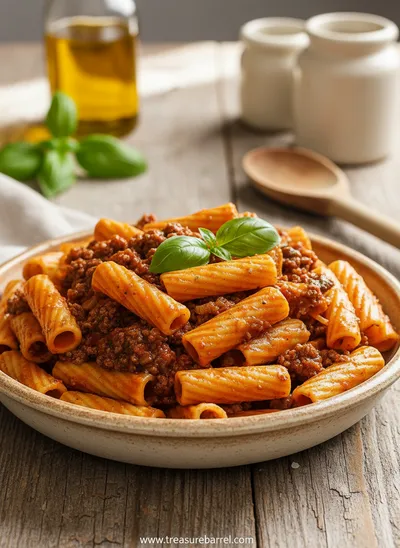
Beef Ragu Pasta Recipe in Tomato Sauce
A rich and hearty pasta dish with slow-cooked beef ragu in a savory tomato sauce.
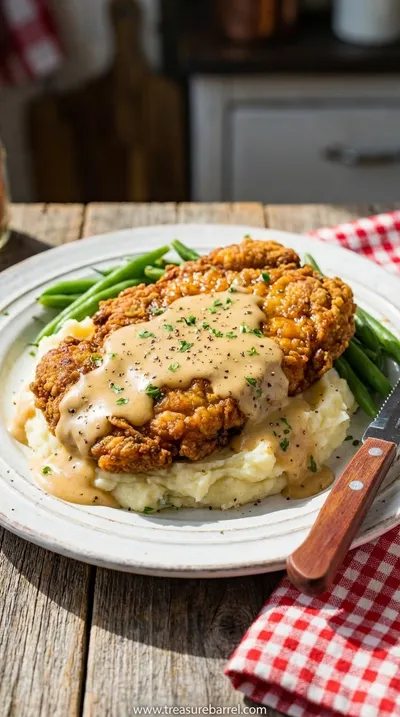
Chicken Fried Steak: Crispy Comfort Food Recipe
Crispy, golden-brown chicken fried steak with a tender inside. A classic comfort food for any night.
Timing
Prep Time
20 Minutes
Cook Time
20 Minutes
Total Time
40 Minutes
Recipe Details
Ingredients
For the Steak
-
01
4 (4-6 ounce) beef cube steaks
-
02
2 cups all-purpose flour
-
03
2 teaspoons kosher salt
-
04
2 teaspoons freshly ground black pepper
-
05
1 teaspoon paprika
-
06
1 teaspoon garlic powder
-
07
1/2 teaspoon onion powder
-
08
2 large eggs
-
09
1/2 cup buttermilk (or whole milk)
-
10
1 cup vegetable oil, for frying
For the Cream Gravy
-
01
1/4 cup pan drippings (fat and browned bits)
-
02
1/4 cup all-purpose flour
-
03
3 cups whole milk
-
04
1/2 teaspoon kosher salt, or more to taste
-
05
1 teaspoon freshly ground black pepper, or more to taste
Instructions
Let's begin by creating our dredging station. This little setup is your secret to a perfectly coated steak. In a shallow dish, whisk together the 2 cups of flour with the salt, pepper, paprika, garlic powder, and onion powder. In a second shallow dish, beat the eggs and buttermilk together until they're smooth and uniform. Take your cube steaks and gently pat them dry with a paper towel. This is a small but crucial step to help the coating adhere beautifully. Taking a moment to organize makes the whole process feel so much calmer and more graceful.
Now we'll build that incredible crust. Take one steak at a time and press it firmly into the seasoned flour, making sure to coat both sides completely. Shake off any excess. Next, dip the flour-coated steak into the egg and buttermilk mixture, letting any extra drip back into the dish. Finally, place it back into the seasoned flour for a second, final coating, pressing down gently to ensure the flour really sticks. This double-dredge method is what creates that substantial, craggy crust we all love. Place the breaded steaks on a wire rack and let them rest for about 10-15 minutes. This helps the coating set.
It’s time to fry. Pour about a half-inch of vegetable oil into a large, heavy-bottomed skillet (I love my cast iron for this) and heat it over medium-high heat. The oil is ready when a pinch of flour sizzles immediately. Carefully place two steaks into the hot oil, making sure not to overcrowd the pan. Fry for about 3-4 minutes per side, until they are a deep golden brown and wonderfully crisp. Only flip them once! Once cooked, transfer the steaks to a clean wire rack to drain. Repeat with the remaining two steaks. Wow, just look at that beautiful color.
For the final touch, the gravy. Carefully pour off all but about 1/4 cup of the oil and drippings from the skillet, leaving all those delicious browned bits behind. Return the skillet to medium heat and sprinkle in the 1/4 cup of flour. Whisk it constantly for about a minute until it forms a smooth paste (a roux). This toasts the flour flavor. Then, very gradually, pour in the milk while whisking vigorously to prevent lumps. Continue to cook, stirring frequently, until the gravy bubbles and thickens to a lovely consistency, about 5-8 minutes. Season generously with salt and lots of black pepper. Serve the steaks warm, smothered in that gorgeous gravy.
Notes & Tips
-
1
The temperature of your oil is key. If it's too low, the steaks will absorb too much oil and become greasy. If it's too high, the crust will burn before the steak is cooked through. A thermometer is helpful (aim for 350°F), but the pinch-of-flour test works beautifully too.
-
2
Resting the breaded steaks before frying is a step I never skip. It gives the flour time to absorb some of the moisture from the buttermilk wash, creating a sort of 'glue' that ensures your breading stays put during frying. It makes such a difference in the final texture.
-
3
Don't throw away that leftover seasoned flour! You can use it to make the gravy, which adds so much more flavor. Plus, it's nice not to be wasteful. It feels good to use every little bit, just like my grandmother taught me. It reminds me of the simple things, like making easy banana bread from overripe bananas.
Tools You'll Need
-
A 12-inch cast-iron skillet is my go-to for this recipe. It holds and distributes heat so evenly, which is essential for getting that perfectly uniform golden-brown crust without any hot spots. Plus, it creates the best 'fond' for making the gravy.
-
You’ll need three of these for your dredging station. Using wide, shallow dishes makes it so much easier to coat the steaks without making a huge mess on the counter. Pie plates or even cake pans work perfectly for this.
-
A wire rack is a simple tool that makes a huge difference. Placing the steaks on it after frying allows air to circulate all around, keeping the bottom crust just as crispy as the top. Placing them on a paper towel-lined plate can trap steam and make the bottom soggy.
-
A good whisk is your best friend when making the gravy. It's essential for breaking up any potential lumps and creating that smooth, velvety texture. I find a balloon whisk works best for getting into the corners of the pan.
Must-Know Tips
-
Pat the Steak Dry: Before you begin, always pat the cube steaks with a paper towel. A dry surface allows the first layer of flour to adhere properly, which is the foundation for a crust that won't fall off.
-
Don't Overcrowd the Pan: Fry the steaks in batches. Giving them plenty of space in the hot oil ensures they fry and crisp up rather than steam. This is crucial for achieving that signature golden-brown color and texture.
-
Let It Rest After Breading: Once you've double-dredged the steaks, let them sit on a wire rack for 10-15 minutes. This simple pause allows the coating to set and bond to the meat, making it much less likely to separate during frying.
Professional Secrets
-
Season Every Layer: Don't just season the flour. I like to lightly season the steaks themselves with a pinch of salt and pepper before the first dredge. This ensures the flavor penetrates the meat, not just the crust.
-
Use Your Hands to Press: When applying the flour coatings, use your hands to gently but firmly press the flour onto the steak. This helps create those craggy nooks and crannies that get extra crispy and hold onto the gravy so well.
-
Scrape the Pan for Gravy Gold: Those brown bits stuck to the bottom of the skillet after frying are not burnt; they are concentrated flavor. Use a wooden spoon or whisk to scrape them up as you add the milk for the gravy. This is the secret to a deeply savory pan gravy.

Recipe by
Clara JoyClara’s kitchen is all about family 👨👩👧👦💖, sharing timeless favorites 🍝🍰, and creating memories 🕯️✨. She loves easy meals 🍳 and heartwarmi ...
Get Delicious Recipes Weekly
Join 25,000+ home cooks getting our best recipes straight to their inbox.
Free forever • No spam • Unsubscribe anytime