
I first had something like these on a chilly autumn afternoon at my grandmother’s house. She never called them 'potato noodles,' just 'potato dumplings for the soup.' I remember sitting at her worn wooden table, watching her hands, dusted with flour, effortlessly roll and cut the dough. The air was thick with the smell of simmering broth and earthy potatoes. It was a core memory for me, a moment of pure, uncomplicated comfort. Recreating them now brings all of that back. It's a recipe that feels like a warm hug, a reminder that the best food doesn't need to be complicated. It’s one of those family favorites that gets passed down through feeling rather than exact measurements.
Why You'll Love These Noodles
-
Incredibly Comforting: The texture is just sublime—soft, tender, and slightly chewy, like little pillows. They absorb the flavor of whatever sauce or broth you put them in, making every bite a cozy, satisfying experience. It's the kind of food that warms you from the inside out.
-
Made with Pantry Staples: You just need potatoes, potato starch, and salt. That’s it! It's one of those beautiful recipes that proves you don't need a long shopping list to create something delicious. It’s my go-to when the fridge is looking a little bare but I’m craving something homemade and special.
-
A Joy to Make: There’s something so therapeutic about the process of mixing, kneading, and shaping this dough. It’s soft and pliable, not sticky or difficult. It’s a wonderful, screen-free activity that feels productive and grounding, and it’s simple enough to make with kids.
-
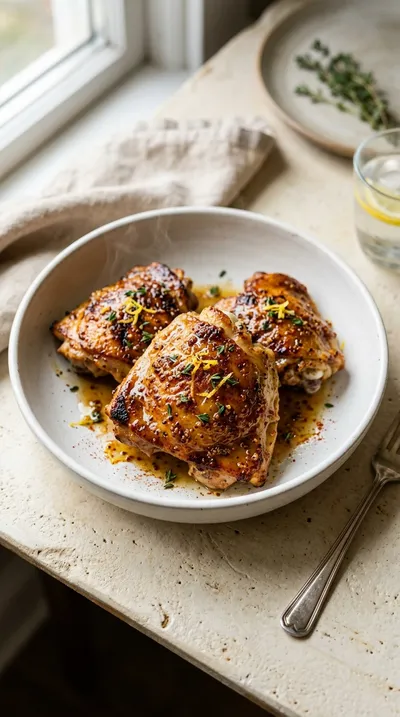
Amazingly Versatile: Drop them into a simmering soup, toss them with brown butter and sage, or serve them with a simple tomato sauce. They are a beautiful blank canvas. We love them in a simple broth with some baked chicken thighs on the side for a complete meal.
“I was so surprised by how easy these were! They made my simple vegetable soup feel like a gourmet meal. So soft and lovely.”
Essential Ingredient Guide
- Russet Potatoes: These are truly the star. You want a starchy potato like a Russet because they become fluffy and dry when cooked, which is perfect for this dough. Waxy potatoes hold too much water and can make your noodles gummy, so stick with the classics here. The texture is everything, and starting with the right potato makes all the difference.
- Potato Starch: This is our magic binder. It’s what gives the noodles that distinct, slightly chewy and wonderfully smooth texture. You might be tempted to use regular flour, but I highly recommend sticking with potato starch if you can find it. It keeps the noodles light and gluten-free, and it enhances that pure potato flavor we’re after. It's usually in the baking or international aisle.
- Fine Sea Salt: Don't skip the salt! It does more than just season the dough; it brings out the earthy, subtle sweetness of the potatoes. I use a fine sea salt because it dissolves easily and distributes evenly throughout the dough. You'll also want to generously salt your cooking water, just like you would for any pasta, to season the noodles as they cook.
Complete Cooking Process
-
Preparing the Potato Base:
The first phase is all about creating the perfect canvas, which means cooking your potatoes until they are completely tender and then transforming them into a fine, fluffy base. I find that boiling them with the skins on prevents them from getting waterlogged. Once they're fork-tender, the skins peel off so easily. The key here is to mash them while they are still hot, ideally with a potato ricer. A ricer creates the finest, most even texture, which is crucial for a smooth dough. If you don't have one, mash them as finely as you possibly can, ensuring there are absolutely no lumps. Lumps in your potato will mean lumps in your noodles, and we are aiming for pure, pillowy softness.
-
Forming the Dough:
This is the part that feels like a gentle art project. You’ll gently combine the warm, riced potato with the potato starch and salt. It’s important to work quickly but gently, mixing just until a soft, pliable dough forms. You don’t want to overwork it, as that can make the noodles tough. The dough should feel soft, almost like play-doh, and not sticky at all. It’s a beautiful, quiet moment where you see three simple ingredients come together into something full of promise. This is when the kitchen starts to feel like a sanctuary.
-
Shaping and Cooking:
Now for the fun part: shaping and cooking. I like to roll the dough into long, thin ropes and then cut them into small, bite-sized pieces. You can leave them as little pillows or give them a gentle press with a fork for texture. As soon as they are shaped, you drop them into a big pot of boiling, salted water. They sink at first, but then, like magic, they float to the surface when they're cooked. It only takes a few minutes! Watching them bob to the top is one of the most satisfying moments in cooking. From there, they're ready for their final destination, whether it's a bowl of soup or a pan of browned butter.
-
Work with the potatoes while they are still warm. This helps the starch absorb properly and creates a much smoother dough.
-
Don't add all the potato starch at once. Add it gradually, as the moisture content in potatoes can vary.
-
Cook the noodles in batches to avoid overcrowding the pot, which can lower the water temperature and make them cook unevenly.
Pro Tips for Perfect Noodles
Following these little tips will help ensure your noodles are perfectly light and pillowy every single time. It's the small details that elevate simple food into something truly memorable.
 Family Favorites
Meat Lovers Pizza Casserole Recipe
A comforting baked dish that brings pizza night flavors together in one easy casserole.
Frequently Asked Questions
→ Can I use a different type of potato?
Honestly, for the best results, starchy potatoes like Russets or Idaho potatoes are the way to go. They have a drier, fluffier texture that's ideal for this dough. Waxy potatoes, like red or new potatoes, contain more water and can result in a gummy, dense noodle. If you only have something like a Yukon Gold, they can work in a pinch, but be prepared that you might need to add a little more potato starch to compensate for the extra moisture.
→ My dough is too sticky. What did I do wrong?
Don't worry, this is usually an easy fix! Stickiness is almost always due to too much moisture. It could be that the potatoes were a bit waterlogged, or you might just need a bit more starch. Try adding more potato starch, one tablespoon at a time, and gently kneading it in until the dough is smooth and no longer sticky to the touch. Also, make sure you're working with the potatoes when they're warm, not cold, as this helps the dough come together better.
→ Can I use all-purpose flour instead of potato starch?
You can, but it will change the final texture quite a bit. Using all-purpose flour will create a noodle that is more like a traditional gnocchi or dumpling—denser and chewier, because of the gluten development. Potato starch is what gives these noodles their unique, light, and almost translucent quality. If you're looking for that signature soft texture, I really recommend seeking out the potato starch. It makes a world of difference.
→ How do I know when the noodles are cooked?
This is the best part because it's so visual! When you first drop the raw noodles into the boiling water, they will sink to the bottom of the pot. As they cook, they will puff up slightly and begin to float to the surface. Once they are all happily bobbing on top, let them cook for just another minute or two to ensure the center is cooked through. Then, you can scoop them out with a slotted spoon. It’s practically foolproof.
→ Can I make the dough ahead of time?
Yes, you can. You can prepare the dough, wrap it tightly in plastic wrap, and store it in the refrigerator for up to 24 hours. The dough might oxidize and darken a little bit, but it won’t affect the flavor. When you're ready to cook, let it sit at room temperature for about 20-30 minutes to make it easier to roll out. This is great for prepping for an easy weeknight dinner, much like getting everything ready for a family dinner.
→ What's the best way to serve these potato noodles?
Oh, there are so many wonderful ways! My absolute favorite is to drop them into a simple, flavorful broth or a hearty soup like a slow cooker chicken stew. They are also divine when tossed in a pan with some melted butter, crispy sage, and a sprinkle of parmesan. You could even serve them with a light tomato or cream sauce. Think of them as a softer, more delicate alternative to gnocchi.
→ Can I freeze potato noodles?
Absolutely! Freezing is a great way to have homemade noodles on hand. After you shape the noodles, arrange them in a single layer on a baking sheet lined with parchment paper. Freeze them until solid, which takes about an hour. Then, you can transfer the frozen noodles to a freezer bag or airtight container. They'll keep for up to two months. Cook them directly from frozen; just add an extra minute or two to the boiling time.
Nutrition Facts
per serving
210
Calories
4g
Protein
48g
Carbs
0.2g
Fat
Taste Profile
Subtly earthy and savory with a clean potato flavor, designed to absorb the taste of accompanying sauces or broths.
Ingredient Substitutions
Don't have an ingredient? Try these alternatives
If you can't find potato starch, tapioca starch is the next best thing. It will yield a slightly chewier, bouncier noodle but is still a fantastic gluten-free alternative that works well.
Any high-starch, floury potato will work well here. The goal is a dry, fluffy texture after boiling, so avoid waxy varieties at all costs.
Recipe Variations
Try these delicious twists on the original
Herb-Infused Noodles
Finely chop fresh herbs like chives, dill, or parsley and gently knead them into the dough for a beautiful speckled appearance and a fresh, aromatic flavor.
Sweet Potato Version
Substitute the Russet potatoes with baked sweet potatoes for a slightly sweeter, beautifully colored noodle. You may need to adjust the amount of starch as sweet potatoes hold more moisture.
Pan-Fried Crispy Noodles
After boiling, drain the noodles well and pan-fry them in a skillet with butter or olive oil until they are golden brown and slightly crispy on the outside. A textural dream!
Common Mistakes to Avoid
Learn from others' mistakes for perfect results
- Using waxy potatoes. This is the most common mistake and leads to gummy, dense noodles. Stick with starchy Russets for a light, fluffy result.
- Adding too much starch at once. This can make the dough dry and difficult to work with. Add it gradually until you get a soft, pliable consistency.
- Letting the potatoes cool before making the dough. The heat is essential for the starches to combine properly and form a smooth, cohesive dough.
- Overworking the dough. A quick, gentle knead is all that’s needed. Overworking can make the final noodles tough and rubbery.
Meal Prep & Storage
Make Ahead Tips
You can make the dough up to a day in advance. Wrap it tightly in plastic wrap and keep it in the refrigerator. Alternatively, you can shape all the noodles, freeze them solid on a baking sheet, and then transfer them to a freezer bag for up to 2 months. Cook them directly from frozen, adding a couple of extra minutes to the boiling time. It's a lifesaver for a quick, comforting meal.
Leftover Ideas
Leftover noodles are wonderful when pan-fried. Heat a bit of butter or oil in a skillet over medium heat and fry the noodles until they're golden and slightly crisp on the outside. They become creamy on the inside with a delightful crust. It completely transforms them! I sometimes do this and toss them with leftover pasta sauce, like a creamy alfredo.
Perfect Pairings
Serve this with...
Cooking Timeline
Boil the whole potatoes until they are very tender.
Quickly peel and rice the hot potatoes into a large bowl.
Gently mix in the salt and potato starch to form a smooth dough.
Roll, cut, and shape the noodles while a large pot of water comes to a boil.
Boil the noodles in batches until they float, then remove with a slotted spoon and serve.
 Warm Meals
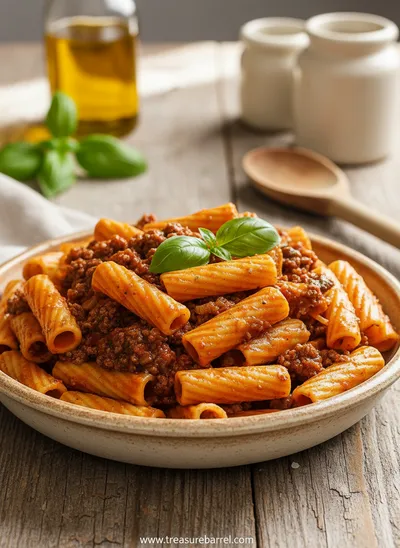
Beef Ragu Pasta Recipe in Tomato Sauce
A rich and hearty pasta dish with slow-cooked beef ragu in a savory tomato sauce.
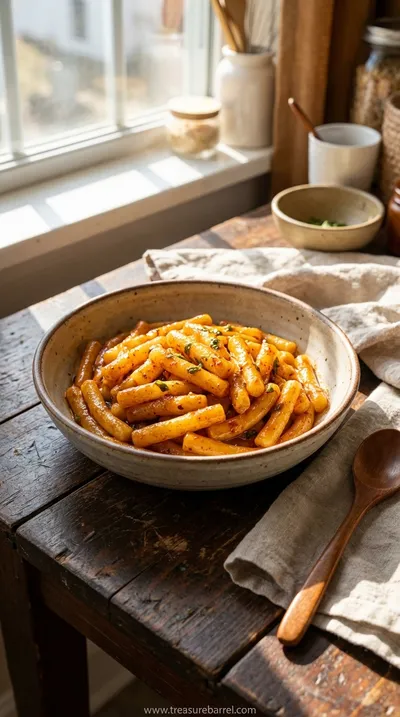
Easy Potato Noodles Recipe - Simple Homemade Comfort
Learn how to make easy potato noodles from scratch. This simple recipe creates soft, comforting noodles perfect for soups or side dishes.
Timing
Prep Time
25 Minutes
Cook Time
15 Minutes
Total Time
40 Minutes
Recipe Details
Ingredients
For the Noodles
-
01
1 lb (about 2 large) Russet potatoes
-
02
1 cup potato starch, plus more for dusting
-
03
1 tsp fine sea salt
For Serving (Optional)
-
01
4 cups vegetable or chicken broth
-
02
Fresh chives or parsley, chopped
-
03
A drizzle of good quality olive oil
Instructions
First, we need to cook the potatoes. Wash them well and place them whole, with their skins still on, in a large pot. Cover them with cold, salted water and bring it to a boil. Let them cook until they are completely tender—you should be able to easily pierce them with a fork, which usually takes about 20-25 minutes. Keeping the skins on prevents the potatoes from becoming waterlogged, which is the secret to a perfect, non-sticky dough. Once cooked, drain them immediately.
While the potatoes are still hot, carefully peel off the skins. They should slip off quite easily with your fingers or a paring knife. Now, we need to create our fluffy base. The best tool for this is a potato ricer, which will give you the finest, smoothest texture. If you don't have one, you can use a fine-mesh sieve and a spoon, or just a regular masher, but be very thorough to eliminate any lumps. You want a pile of light, fluffy potato 'snow'. Do this in a large mixing bowl.
Sprinkle the salt and about three-quarters of the potato starch over the warm, riced potatoes. Using a fork or your hands, gently mix everything together until it starts to form a shaggy dough. If it feels too sticky, add the remaining starch. Turn the dough out onto a lightly starched surface and knead it gently for just a minute until it comes together into a smooth, soft ball. It should feel pliable and not sticky, almost like soft clay. Be careful not to overwork it.
Bring a large pot of generously salted water to a rolling boil. Divide your dough into four pieces. Working with one piece at a time, roll it into a long rope about half an inch thick. Use a knife or bench scraper to cut the rope into small, half-inch pieces. You can cook them as they are, or gently press a fork onto each one for a little texture. Drop the noodles into the boiling water in batches. They will sink at first, then float to the top when cooked, which only takes 2-3 minutes. Scoop them out with a slotted spoon and serve them immediately in a warm broth or your favorite sauce.
Notes & Tips
-
1
The amount of potato starch you need can vary slightly depending on the humidity and the moisture content of your potatoes. Add it gradually and trust your senses—the dough should feel soft and smooth, not wet or sticky.
-
2
It’s really important to work with the potatoes while they are warm. This allows the starch to gelatinize properly and bind with the potato, creating that perfectly soft, cohesive dough. Cold potatoes will not work nearly as well.
-
3
Don't overcrowd the pot when boiling the noodles. Cooking them in batches ensures the water stays at a rolling boil and they cook evenly. A crowded pot can lead to them clumping together or becoming mushy.
Tools You'll Need
-
Large Pot: You'll need a large pot for both boiling the potatoes and then for cooking the noodles themselves. A generous size gives the noodles plenty of room to swim around without sticking together.
-
Potato Ricer or Masher: A potato ricer is honestly the best tool for achieving a perfectly smooth, lump-free texture. If you don't have one, a standard potato masher will work, but you'll need to be extra diligent about getting the mash as fine as possible.
-
Large Mixing Bowl: A nice, big bowl gives you plenty of space to gently combine the riced potato and starch without making a huge mess on your counter. It's all about making the process feel calm and contained.
-
Slotted Spoon: This is essential for gently lifting the cooked noodles out of the boiling water without breaking them. It allows the water to drain away as you transfer them to a bowl or pan.
Must-Know Tips
-
Use Starchy Potatoes: Russet or Idaho potatoes are non-negotiable for that light, fluffy texture. Waxy varieties will result in dense, gummy noodles.
-
Work While Warm: Mash the potatoes and form the dough while the potatoes are still warm. This is the key to a smooth, easy-to-handle dough.
-
Salt the Water Generously: Just like with regular pasta, seasoning the cooking water is your first and best chance to season the noodles from the inside out.
Professional Secrets
-
Don't Overwork the Dough: Knead just until the dough comes together. Overworking develops the potato's starch too much, leading to tough noodles.
-
A Light Touch is Key: From mixing to rolling, use a gentle hand. This dough is delicate and rewards a light touch with a tender final product.
-
Shock for a Firmer Bite: If you plan to pan-fry the noodles after boiling (like with brown butter), briefly plunging them in an ice bath after cooking can give them a slightly firmer texture.

Recipe by
Amelia RoseAmelia cooks hearty meals 🥘🔥, sharing warmth 💛 and cozy evenings 🕯️🍲. Every dish she makes is full of love ❤️ and family laughter 👩👩👧👦🍛.
Get Delicious Recipes Weekly
Join 25,000+ home cooks getting our best recipes straight to their inbox.
Free forever • No spam • Unsubscribe anytime