
I remember the first time I made this soup. We had just moved into our home, and the garden had a single, sprawling butternut squash vine that had taken over a whole corner. I felt so proud of that one, lopsided squash. The kids were little, running around the yard with rosy cheeks, collecting a pocketful of fiery maple leaves. While they were busy, I roasted the squash, and the scent filled our new, still-unfamiliar rooms with a sense of home. It was the first meal that truly made this house feel like ours. Now, every time I make it, that memory comes rushing back – the scent of autumn, the sound of their laughter, and the simple joy of a warm bowl of soup. It’s funny how a simple recipe can hold so much life, isn't it? It's a reminder that not every meal has to be a grand production like a breakfast casserole; sometimes the simplest things bring the most comfort.
Why This Soup Will Win Your Heart
-
Deeply Comforting Flavor: Roasting the butternut squash, carrots, and onions isn't just a step; it’s a little bit of magic. It coaxes out all their natural sweetness and creates a deep, caramelized flavor that you just can't get from boiling. Honestly, it makes the soup taste like it’s been simmering for days, not just an hour.
-
Incredibly Simple Process: Don’t let the elegant result fool you; this is such a forgiving and straightforward recipe. You’re mostly just chopping vegetables and letting the oven do the heavy lifting. It's the kind of cooking that feels restorative rather than frantic, perfect for a slow Sunday afternoon.
-
That Gorgeous, Velvety Texture: The final soup is just… wow. It’s so smooth and creamy, without needing a ton of heavy cream. The immersion blender transforms the roasted vegetables into liquid silk. Every spoonful feels so luxurious and satisfying, it's pure comfort.
-
A Beautiful Blank Canvas: I love this soup on its own, but it’s also wonderful to customize. You can swirl in some spiced yogurt, top it with crunchy roasted pumpkin seeds, or add a sprinkle of smoked paprika. It’s a wonderful base recipe to make your own, much like our family favorite banana muffins.
This soup is pure autumn in a bowl. It’s so velvety and warming, my entire family asks for it all season long.
Essential Ingredient Guide
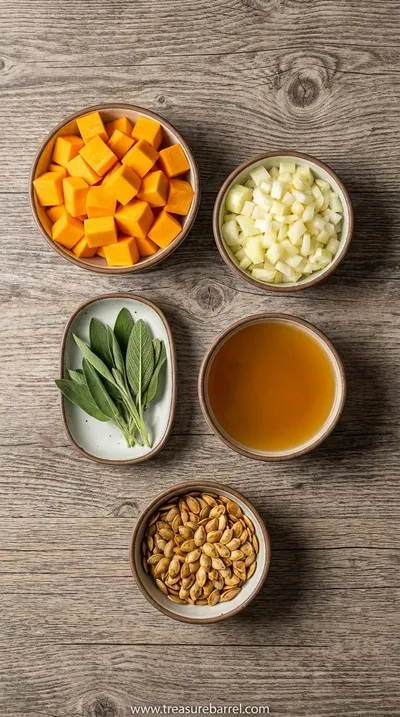
- Butternut Squash: Look for a squash that feels heavy for its size, with a smooth, even-toned beige skin, free of soft spots or deep cuts. The color should be a matte, creamy tan, not shiny, which can indicate it was picked too early. You don't need to peel it before roasting, which is a lifesaver! The peel softens beautifully in the oven and blends right in, adding extra nutrients and a lovely, rustic depth. It saves so much time and effort, honestly.
- Fresh Sage: Please, if you can, use fresh sage. It has a soft, fuzzy texture and an aroma that is earthy, slightly peppery, and just the epitome of fall. The dried stuff just can't compare. When you toss the fresh leaves with the vegetables to roast, they get a little crispy and infuse everything with their incredible fragrance. It's that one little detail that elevates the soup from good to, 'Wow, what is in this?'
- Full-Fat Coconut Milk: This is my secret for the creamiest, most luscious soup without any dairy. Use the full-fat kind that comes in a can, not the refrigerated beverage. The thick, rich cream at the top is what gives the soup its body and a very subtle, background sweetness that pairs perfectly with the squash. It doesn't taste overtly of coconut, I promise. It just creates a wonderfully round, satisfying flavor and a silky mouthfeel.

Complete Cooking Process
-
The Roasting Ritual:
This is where the soul of the soup is born. It’s a slow, gentle step that requires very little of you but gives back so much in flavor. As the vegetables roast, their starches convert to sugars, which then caramelize in the dry heat of the oven. The edges get a little browned and crispy, and the whole kitchen starts to smell like pure autumn. This deep, foundational flavor is what makes the final soup so rich and complex, a world away from a soup made with boiled vegetables. It's a quiet, patient process, and honestly, my favorite part.
-
The Gentle Simmer:
After roasting, all those beautifully caramelized vegetables go into a pot with the broth. This step is about marrying the flavors. The simmering allows the roasted sweetness to meld with the savory broth, and the aromatics, like garlic and sage, to fully release their essence into the liquid. It doesn't need to be a long, rolling boil—just a gentle, happy little bubble. This is when the flavors all get to know each other and become one cohesive, delicious family before being blended.
-
The Final Transformation:
This is the most satisfying moment, when you turn a pot of rustic, chunky vegetables into a smooth, elegant soup. An immersion blender is my go-to tool for this—it feels so powerful and minimizes cleanup. As you blend, you'll watch the colors meld from distinct chunks into a single, gorgeous shade of sunset orange. You add the coconut milk at this stage, which lightens the color and adds that final touch of creamy luxury. You can control the texture here, blending until it’s perfectly silky smooth or leaving a little bit of texture if you prefer.
-
Don't crowd your baking sheet when roasting. Give the vegetables plenty of space so they roast, not steam. Use two sheets if you need to!
-
Wait to season with salt until after blending. The flavors concentrate as it simmers, so it’s easy to oversalt if you do it too early.
-
For an extra layer of flavor, toast your spices (like nutmeg and cinnamon) in the pot for 30 seconds before adding the broth. It really wakes them up.
Pro Tips for Soup Success
These little details, I find, make all the difference. They're the quiet touches that elevate a simple meal into something truly special.
 Family Favorites
Meat Lovers Pizza Casserole Recipe
A comforting baked dish that brings pizza night flavors together in one easy casserole.

Frequently Asked Questions
→ Can I make this soup ahead of time?
Oh, absolutely! This soup is actually one of those magical dishes that tastes even better the next day. The flavors have more time to meld and deepen overnight. Just let it cool completely before storing it in an airtight container in the refrigerator. It will keep beautifully for up to four or five days, making it perfect for weekday lunches. Just reheat it gently on the stove, stirring occasionally until it's warmed through. You might need to add a little splash of broth or water to thin it out as it can thicken in the fridge.
→ My soup isn't as creamy as I'd like. What can I do?
There are a few things we can check. First, make sure you're using full-fat coconut milk from a can; the light version or the kind in a carton just won't give you that same richness. Also, be sure to blend it for long enough. Sometimes it takes a good two to three minutes to get everything perfectly silky. If you've done all that and still want it creamier, you can stir in a little more coconut milk at the end or, for a richer option, a touch of heavy cream or even a spoonful of butter.
→ Is it possible to freeze this butternut squash soup?
Yes, it freezes wonderfully. It's one of my favorite meals to batch-cook and freeze for later. I recommend letting the soup cool completely first. Then, pour it into freezer-safe containers or sturdy zip-top bags. Be sure to leave about an inch of space at the top for expansion. It will last for up to three months in the freezer. To serve, let it thaw overnight in the refrigerator and then reheat it gently on the stovetop. The texture should be just as perfect as the day you made it.
→ What if I don't have an immersion blender?
No worries at all! A regular countertop blender works just as well. The key is to do it safely. You'll need to let the soup cool down a bit first, as blending hot liquids can create pressure and cause the lid to pop off, which can be dangerous. Work in small batches, filling the blender only about halfway. It's also a good idea to remove the center cap from the blender lid and cover the opening with a folded kitchen towel to allow steam to escape. It’s an extra step, but it gets you that same beautiful, velvety result.
→ Can I use a different type of squash?
You certainly can. Butternut squash has a lovely sweetness and smooth texture that is ideal for this soup, but other winter squashes would be delicious too. Kabocha or 'buttercup' squash would be fantastic substitutes; they have a similar sweetness and a wonderfully creamy, dense texture. You could even use pumpkin, but I'd recommend a sugar pumpkin or pie pumpkin, as they are less watery and more flavorful than the large carving kind. The roasting time might need a little adjusting depending on the squash you choose.
→ What are some other topping ideas?
Oh, toppings are the best part! They add texture and flavor, and just make the bowl look so pretty. Besides toasted pumpkin seeds, I love adding a swirl of plain yogurt or crème fraîche for a tangy contrast. Crispy fried sage leaves are absolutely divine. A drizzle of good olive oil or chili oil for a little kick is wonderful too. For something heartier, you could add some crunchy croutons or even some crumbled turkey ham. It's a great way to customize each bowl.
→ How can I make this soup part of a larger meal?
While it's hearty enough on its own, it plays beautifully with others. For a simple and classic pairing, serve it with a piece of crusty bread for dipping—a sourdough or whole-grain baguette would be perfect. It's also lovely alongside a simple green salad with a sharp vinaigrette to cut through the richness of the soup. For a more substantial meal, you could serve smaller cups of the soup as a starter before a main course, like a roasted chicken or a hearty grain bowl. It's a very flexible starting point for all kinds of comforting meals.
→ Can I make this soup without coconut milk?
Of course. The coconut milk adds a specific type of creaminess and subtle flavor, but if you're not a fan or don't have it, you have options. You could use heavy cream for a more traditional, rich flavor. For a lighter but still creamy result, a bit of evaporated milk or even a swirl of full-fat Greek yogurt at the end would work. If you need a non-dairy, non-coconut option, cashew cream is a fantastic choice. Just soak raw cashews in hot water, then blend them with fresh water until smooth.

Nutrition Facts
per serving
280
Calories
4g
Protein
29g
Carbs
18g
Fat
Taste Profile
A beautiful balance of sweet, earthy, and savory, with warm aromatic notes.
Ingredient Substitutions
Don't have an ingredient? Try these alternatives
Kabocha squash is a fantastic substitute, offering a slightly denser, drier texture and sweet flavor. A sugar pumpkin also works beautifully for a classic autumn taste. Cooking times should be similar.
For a more traditional and rich soup, you can substitute heavy cream. For a dairy-free alternative to coconut, blend 1/2 cup of soaked raw cashews with 1 cup of water until perfectly smooth to make a lovely cashew cream.
Recipe Variations
Try these delicious twists on the original
Spicy Chipotle Version
For a smoky, spicy kick, add one or two canned chipotle peppers in adobo sauce to the pot along with the vegetable broth. Blend them right in. It adds a wonderful warmth and complexity that is just divine on a cold day.
Apple & Ginger Infusion
Roast a peeled and chopped apple along with the other vegetables and add a teaspoon of freshly grated ginger to the pot when you simmer. The apple adds a lovely tartness and the ginger provides a gentle, warming spice.
Common Mistakes to Avoid
Learn from others' mistakes for perfect results
- Not roasting the vegetables long enough. You want deep color and caramelization for the best flavor, not just cooked-through vegetables.
- Overcrowding the baking sheet. This causes the vegetables to steam instead of roast, and you'll miss out on all that amazing flavor.
- Forgetting to season properly. A well-seasoned soup is a delicious soup. Taste it at the end and add salt and pepper until the flavors really sing.
- Blending when the soup is scalding hot in a sealed blender. This is a safety issue! Let it cool or vent the blender lid properly.
Meal Prep & Storage
Make Ahead Tips
This is a fantastic make-ahead recipe. You can roast the vegetables up to two days in advance and store them in an airtight container in the fridge. When you're ready, just pop them in the pot with the broth and proceed with the recipe. The entire soup can be made up to 5 days ahead, and honestly, the flavor just gets better and better as it sits.
Leftover Ideas
Leftovers are just wonderful. I love reheating a bowl for a quick lunch the next day. You can also get creative: thin it out with a little extra broth to use as a sauce for pasta or grains, or serve it chilled as a refreshing cold soup on a surprisingly warm autumn day. It's such a versatile base. Even a simple crepe recipe could be adapted for a savory filling.
Perfect Pairings
Serve this with...
Cooking Timeline
Preheat oven and prep all vegetables.
Roast the vegetables until tender and caramelized.
Transfer roasted vegetables to a pot, add broth and spices, and simmer.
Blend the soup until smooth, stir in coconut milk, season, and serve.
 Warm Meals
Beef Ragu Pasta Recipe in Tomato Sauce
A rich and hearty pasta dish with slow-cooked beef ragu in a savory tomato sauce.
Fall Soup Recipes: Cozy Seasonal Favorites On Repeat
Discover delicious fall soup recipes perfect for the season. Warm, comforting meals to make on repeat during cozy weather.
Timing
Prep Time
20 Minutes
Cook Time
45 Minutes
Total Time
1 Hour 5 Minutes
Recipe Details
Ingredients
For the Roasted Vegetables
-
01
1 large butternut squash (about 3 lbs), halved and seeded
-
02
2 medium carrots, roughly chopped
-
03
1 large yellow onion, cut into wedges
-
04
4 cloves garlic, smashed
-
05
10-12 fresh sage leaves
-
06
2 tablespoons olive oil
-
07
1 teaspoon kosher salt
-
08
1/2 teaspoon black pepper
For the Soup
-
01
4 cups vegetable broth
-
02
1 (13.5 oz) can full-fat coconut milk
-
03
1/4 teaspoon ground nutmeg
-
04
Pinch of cinnamon
-
05
Toasted pumpkin seeds, for garnish
Instructions
First things first, let's preheat the oven to 400°F (200°C). There’s something so comforting about the gentle warmth that starts to fill the kitchen. While it heats up, you can prepare the vegetables. Scoop the seeds out of your butternut squash—you can save them to roast later if you like! There’s no need to peel it; the skin gets so tender. On a large baking sheet, toss the squash halves, chopped carrots, onion wedges, and smashed garlic cloves with the olive oil, salt, and pepper. Use your hands to make sure everything is nicely coated. Scatter the fresh sage leaves over the top. Just getting everything ready feels like a calm, grounding ritual.
Now, place the baking sheet in the preheated oven. Let the vegetables roast for about 35 to 45 minutes. You’ll know they’re ready when the squash is fork-tender and everything is starting to get those lovely, dark caramelized edges. The smell that will fill your home during this time is honestly just incredible—sweet, earthy, and so, so cozy. This slow roasting process is where all the deep, complex flavor comes from. It's worth being patient for, I promise. It's a great time to make a cup of tea and just relax for a bit.
Once the vegetables are beautifully roasted and tender, carefully remove them from the oven. Let them cool just enough so you can handle them. Scoop the soft flesh of the butternut squash away from the skin and place it directly into a large pot or Dutch oven. Add the roasted carrots, onion, and garlic to the pot as well. Pour in the 4 cups of vegetable broth and add the nutmeg and cinnamon. Bring the mixture to a gentle simmer over medium heat and let it bubble away softly for about 10 minutes. This little simmer helps all those individual flavors meld together into one harmonious soup.
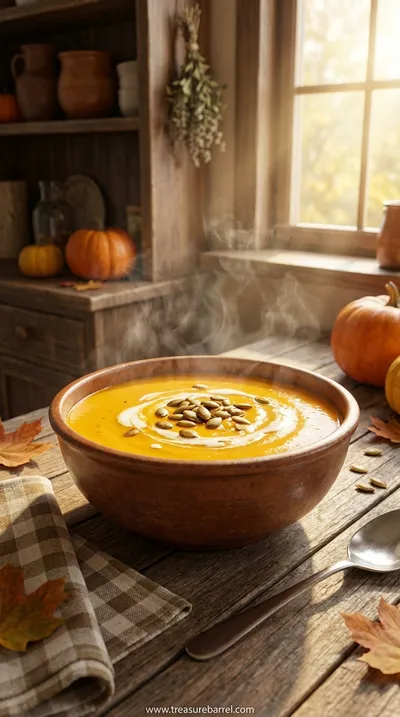
This is the magical part. Turn off the heat. Using an immersion blender, carefully begin to blend the soup directly in the pot until it's completely smooth and velvety. It might take a minute or two, so be patient and keep going until there are no lumps left. Once it's silky, stir in the can of full-fat coconut milk. Look at that gorgeous, creamy color! Taste the soup and adjust the seasoning if needed—it might need another pinch of salt or pepper. Serve it warm in big, comforting bowls, garnished with a sprinkle of toasted pumpkin seeds. It’s a simple meal, but feels so special.
Notes & Tips
-
1
If your squash is a little tough to cut, you can pop the whole thing in the microwave for 2-3 minutes to soften the skin slightly. It makes it so much easier and safer to slice through.
-
2
The consistency of the soup is up to you. If you find it's a bit too thick for your liking after blending, simply stir in a little more vegetable broth or warm water until it reaches the perfect consistency.
-
3
Don't throw away the roasted sage leaves! Some will blend into the soup, but if any are left on the pan, you can crumble them on top as a garnish. They become crispy and add an amazing little pop of flavor.

Tools You'll Need
-
Large Rimmed Baking Sheet: This is essential for roasting the vegetables. A large one gives them enough space to caramelize properly instead of steaming, which is key for developing that deep, sweet flavor.
-
Large Pot or Dutch Oven: You'll need a sturdy, heavy-bottomed pot to simmer the soup. A Dutch oven is wonderful because it holds heat so evenly, but any large soup pot will work perfectly fine.
-
Immersion Blender: Honestly, this tool makes blending soups a dream. You can blend everything right in the pot, which means less cleanup and a much safer process than transferring hot liquid to a regular blender.
-
Sharp Chef's Knife: A good, sharp knife makes prepping the vegetables so much safer and more pleasant. Especially for getting through that sturdy butternut squash skin, a sharp knife is your best friend.
Must-Know Tips
-
Roast the Squash Cut-Side Down: For the first half of roasting, place the squash halves cut-side down on the baking sheet. This helps trap steam and cook the flesh through until it's incredibly tender. Then you can flip it for the last 15 minutes to get some color.
-
Use a Good Quality Broth: Since broth is the liquid base of your soup, its flavor really matters. Whether you use homemade or a good quality store-bought version, a flavorful broth will make a noticeable difference in the final taste.
-
Bloom Your Spices: Before adding the liquid, you can add your nutmeg and cinnamon to the pot with a tiny bit of oil or butter over low heat for about 30 seconds. This toasting process, called blooming, really intensifies their aroma and flavor.
Professional Secrets
-
A Touch of Acidity: A tiny squeeze of fresh lemon juice or a small splash of apple cider vinegar stirred in at the very end can work wonders. It won't make the soup taste sour, but it will brighten all the other flavors and add a subtle lift.
-
The Power of Umami: For an extra layer of savory depth, add a tablespoon of white miso paste or a splash of tamari along with the vegetable broth. It's a secret ingredient that adds a 'little something' people can't quite put their finger on.
-
Infuse the Coconut Milk: Gently warm the coconut milk in a separate small saucepan with a cinnamon stick or a few star anise pods for 10 minutes before adding it to the soup. Strain out the spices, and you'll have an even more aromatic and complex flavor profile.

Recipe by
Amelia RoseAmelia cooks hearty meals 🥘🔥, sharing warmth 💛 and cozy evenings 🕯️🍲. Every dish she makes is full of love ❤️ and family laughter 👩👩👧👦🍛.
Get Delicious Recipes Weekly
Join 25,000+ home cooks getting our best recipes straight to their inbox.
Free forever • No spam • Unsubscribe anytime