
The macaron originated in the Italian Renaissance before finding a home in French patisseries, where it became a symbol of elegance. It traveled across courts, gaining fame for its delicate texture and bright colors. Today, the treat is celebrated worldwide, yet its roots remain tied to humble almond paste and simple egg whites.
Why You'll Love It
-
- Easy‑to‑follow steps that demystify the technique
-
- Minimal ingredients, maximum flavor
-
- Versatile shells for endless filling ideas
-
- Perfect for gifting or a quiet indulgence
"These macarons turned out light and lovely—my family couldn’t believe I made them!"
Essential Ingredient Guide
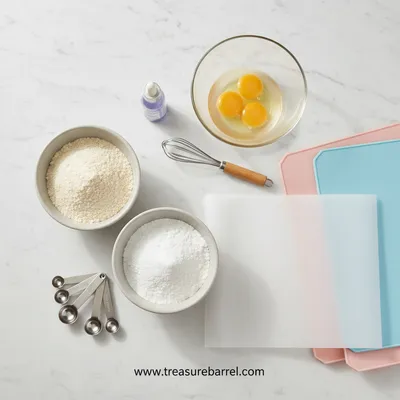
- Almond flour: Choose a finely ground, unblanched almond flour for a smooth shell and subtle nutty scent.
- Egg whites: Use room‑temperature whites; they whip up quicker and hold peaks better.
- Powdered sugar: Sifts with almond flour to prevent gritty texture in the shells.
- Granulated sugar: Helps stabilize the meringue, giving the shells their rise.
- Food coloring (optional): Add a few drops for pastel hues; remember less is more.
- Butter: A key component of the filling, creating a silky, melt‑in‑your‑mouth finish.
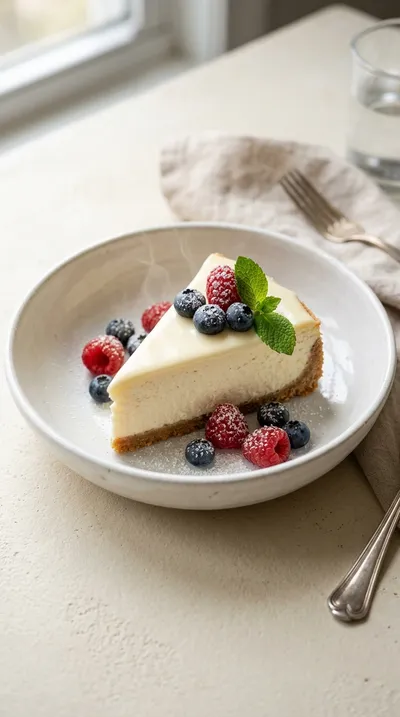
Complete Cooking Process
-
Ingredient Readiness:
Sift almond flour and powdered sugar together, separate egg whites, and pre‑heat the oven to a gentle 300°F.
-
Flavor Development:
Whisk the meringue until glossy peaks form, then fold in the dry mixture just until the batter flows like lava.
-
Texture Control:
Pipe uniform rounds, let them form a skin for about 30‑45 minutes; this prevents cracks.
-
Finishing Touches:
Bake until the shells have a faint shine, then cool completely before sandwiching the buttercream.
-
Serving Timing:
Allow the assembled macarons to rest in the fridge for at least an hour; flavors meld beautifully.
-
Use a kitchen scale for precise measurements.
-
Avoid over‑mixing; the batter should flow slowly.
-
Rotate the baking sheet halfway through for even color.
Pro Tips
When the shells set, you’ll notice a subtle sheen—this is the sign they’re ready. Yeah, it might feel like a gamble, but the gentle wait before piping the filling makes all the difference. The fridge time lets the flavors marry, and a quiet moment to admire the pastel crowns is well‑earned.
The essence of the dish:
Crisp, airy shells that snap delicately, giving way to a smooth, buttery filling that melts on the tongue.
A fun fact or historical angle:
Did you know the croissants were originally inspired by Austrian kipferl, just as the macaron traces its lineage to Italian convent pastries?
Flavor or sensory focus:
The subtle almond aroma, the faint sweet whisper from the buttercream, and the gentle crunch of the outer shell create a balanced symphony.
You Must Know
-
Macarons are sensitive to humidity.
-
Consistent oven temperature is crucial.
-
Resting the shells before filling improves texture.
Frequently Asked Questions
→ Why do my macarons crack on top?
Cracks often stem from over‑mixing or insufficient resting time before baking. Aim for a smooth, thick batter and let the shells form a skin.
→ Can I use food coloring?
Yes, but add it sparingly to the batter; too much can affect the shell’s rise.
→ How long can I store assembled macarons?
Keep them refrigerated in an airtight container for up to three days; the flavors deepen over time.
→ Do I need an oven thermometer?
A thermometer helps maintain the low, steady heat needed for delicate shells, especially in older ovens.
→ What’s the best filling?
Classic vanilla buttercream works beautifully, but you can experiment with chocolate ganache, lemon curd, or raspberry jam.
→ Can I make them gluten‑free?
Absolutely—macarons are naturally gluten‑free as they contain only almond flour and powdered sugar.
Nutrition Facts
per serving
120
Calories
3g
Protein
14g
Carbs
6g
Fat
Taste Profile
Delicate sweetness with buttery richness
Ingredient Substitutions
Don't have an ingredient? Try these alternatives
Will alter flavor slightly; sift well to avoid grit.
Use a high‑quality variety for similar texture.
Recipe Variations
Try these delicious twists on the original
Spicy Version
Add a pinch of cayenne to the shell batter and fill with chocolate ganache.
Mediterranean Style
Incorporate crushed pistachios into the shells and fill with lemon curd.
Common Mistakes to Avoid
Learn from others' mistakes for perfect results
- Over‑mixing the batter, leading to flat shells.
- Under‑resting the shells, causing cracks.
- Opening the oven door mid‑bake, which drops temperature.
Meal Prep & Storage
Make Ahead Tips
You can pipe and dry the shells up to 24 hours ahead; store them in an airtight container before filling.
Leftover Ideas
Store assembled macarons in the fridge and enjoy within three days; re‑bring to room temperature before serving.
Perfect Pairings
Serve this with...
Cooking Timeline
Measure and sift dry ingredients; separate egg whites.
Whisk meringue to stiff peaks; fold in dry mixture.
Pipe shells and let them rest to form a skin.
Bake shells, then cool completely.
Prepare buttercream, pipe fillings, and assemble macarons.
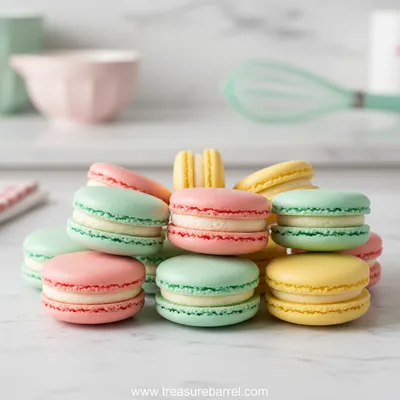
French Macarons – Beginner Friendly Recipe
Delicate, airy shells with a silky, buttery filling—these French macarons are perfect for beginners, offering a gentle introduction to pâtisserie artistry.
Timing
Prep Time
30 Minutes
Cook Time
15 Minutes
Total Time
45 Minutes
Recipe Details
Ingredients
Shells
-
01
100 g almond flour
-
02
100 g powdered sugar
-
03
2 large egg whites (about 60 g), room temperature
-
04
50 g granulated sugar
-
05
Pinch of cream of tartar
-
06
Food coloring (optional)
Buttercream Filling
-
01
100 g unsalted butter, softened
-
02
150 g powdered sugar, sifted
-
03
1 tsp vanilla extract
-
04
1–2 tbsp heavy cream
Instructions
Sift almond flour and powdered sugar together into a bowl; set aside.
In a clean bowl, whisk egg whites with cream of tartar until foamy, then gradually add granulated sugar, continuing to whisk until a glossy, stiff peak meringue forms.
Gently fold the sifted dry mixture into the meringue in three additions, mixing until the batter flows like lava and forms a thick ribbon when lifted.
If using color, add a few drops now and fold briefly. Transfer batter to a piping bag fitted with a round tip.
Pipe uniform 1‑inch rounds onto a parchment‑lined baking sheet, spacing them about 1 inch apart. Tap the tray on the counter to release air bubbles.
Let the shells rest at room temperature for 30–45 minutes until a skin forms (touch feels dry). Meanwhile, preheat the oven to 150°C (300°F).
Bake the shells for 12–15 minutes, rotating halfway. They should lift easily and have a faint shine.
Cool completely, then pipe buttercream onto the flat side of a shell and sandwich with another shell.
Notes & Tips
-
1
A gentle, steady hand while folding prevents over‑mixing.
-
2
If the kitchen is humid, add a tablespoon of cornstarch to the dry mix.
-
3
Experiment with flavored extracts in the buttercream for variety.
 Sweet Treats
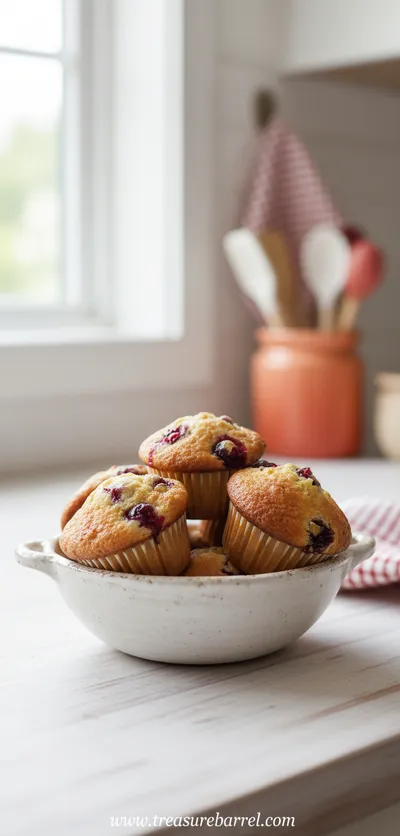
Cranberry Orange Muffins
Tender muffins bursting with orange zest and tart cranberries, ideal for a comforting morning treat.
Tools You'll Need
-
Kitchen scale
-
Food processor or blender
-
Sifter
-
Electric mixer
-
Piping bag and round tip
-
Baking sheet
-
Parchment paper
Must-Know Tips
-
Do not over‑beat the meringue; it should be glossy but not dry.
-
Resting time is crucial for a smooth surface.
-
Cool the shells completely before adding filling.
Professional Secrets
-
Use aged egg whites for more stable meringue.
-
Bake at a low, steady temperature to avoid browning.
-
Let assembled macarons rest overnight for optimal texture.

Recipe by
Lila GraceLila creates magical desserts 🍫🧁, sprinkles joy 🌈✨, and shares sweet moments 🍬💖. Her kitchen is full of smiles 😄 and sugar-dusted memories 🍪🍯.
Get Delicious Recipes Weekly
Join 25,000+ home cooks getting our best recipes straight to their inbox.
Free forever • No spam • Unsubscribe anytime