
I remember my mom making a big pot of chicken noodle soup whenever one of us felt even the slightest bit under the weather. The whole house would fill with the savory aroma of simmering broth, sweet carrots, and fragrant herbs. I'd curl up on the sofa with a blanket, and she'd bring me a steaming bowl, the noodles perfectly soft and the chicken so tender. She never used a recipe, just a little of this and a little of that, guided by taste and memory. This version is my attempt to capture that feeling, that specific taste of being looked after. It’s one of my go-to Cozy Classics, a recipe that feels grounding and honest. It’s a beautiful, slow process that reminds me to breathe and just be present in my kitchen.
Why This Soup Feels So Special
-
Deeply Nourishing Broth: We build the flavor from the ground up, starting with a classic mirepoix and good quality chicken broth. This creates a golden, savory liquid that feels incredibly restorative and is so much more satisfying than anything from a can.
-
Perfectly Tender Chicken: By gently poaching the chicken right in the soup, it becomes wonderfully tender and juicy. It shreds so easily and soaks up all the beautiful flavors from the vegetables and herbs, making every bite perfect.
-
Classic Comfort: This soup is the embodiment of comfort food. The soft egg noodles, the sweet carrots, and the warmth of the broth create a sensory experience that is just so soothing for the soul, especially on a chilly day.
-
Incredibly Simple & Honest: There are no complicated steps or fussy ingredients here. It’s a straightforward recipe that relies on the quality of its simple components to shine, making it one of those reliable Simple Suppers you'll return to again and again.
Honestly, this is the only chicken noodle soup recipe I’ll ever need. It’s like a warm hug in a bowl.
Essential Ingredient Guide
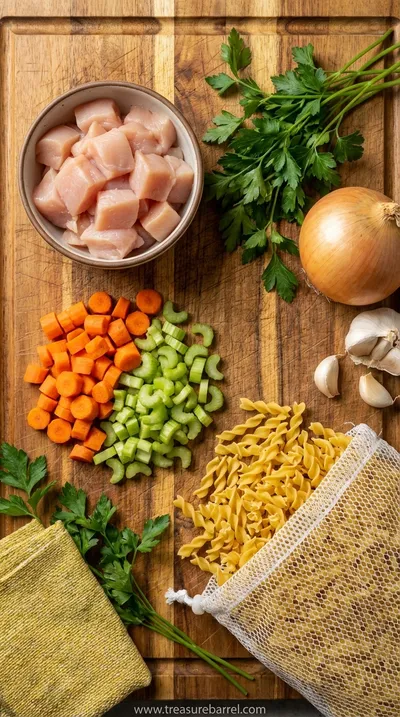
- Bone-in, Skin-on Chicken: Okay, look, you can absolutely use boneless, skinless chicken, but using bone-in, skin-on pieces (I love thighs or a mix of thighs and breasts) makes a world of difference. The bones and skin release collagen and fat as they simmer, creating a broth with so much more body, depth, and a richer, more satisfying flavor. It’s a tiny extra step to remove the bones and skin later, but honestly, it’s what makes the soup taste truly homemade.
- The Mirepoix (Onion, Carrots, Celery): This trio is the humble, hardworking foundation of so many wonderful dishes. Don’t rush this step! Taking the time to gently soften the vegetables in a little butter or olive oil coaxes out their natural sweetness and builds the first essential layer of flavor. I like to cut my carrots and celery into small, delicate half-moons; it feels more intentional and elegant in the final bowl.
- Wide Egg Noodles: For me, classic chicken noodle soup needs those wide, slightly curly egg noodles. They have such a wonderful, tender chew and they hold onto the broth beautifully. You want to be careful not to overcook them, as they’ll continue to soften in the hot soup. Adding them near the end ensures they are perfectly cooked and don't turn to mush. They feel so much more substantial and comforting than other pasta shapes here.

Complete Cooking Process
-
Building the Flavor Base:
Everything starts with creating a fragrant, beautiful base. You'll gently melt some butter or heat olive oil in a large pot or Dutch oven over medium heat. Then, you'll add your finely chopped onion, carrots, and celery. This isn't a step to be rushed. Let them soften slowly, stirring occasionally, until the onions are translucent and the whole kitchen smells sweet and earthy. This is where the soul of the soup begins to form. Once they're soft, you'll add the minced garlic and herbs, stirring for just another minute until they release their gorgeous fragrance. This process is so meditative and sets the stage for a truly flavorful soup.
-
Simmering and Poaching:
Now comes the patient part. You'll pour in the chicken broth, nestle your chicken pieces into the pot, and bring it all to a gentle simmer. It’s important not to let it boil aggressively; a low, slow simmer is the secret to tender chicken and a clear, beautiful broth. You’ll let it bubble away gently until the chicken is cooked through and practically falling off the bone. Then, you carefully remove the chicken to a plate to cool slightly while you move on to the next step. The broth that remains is now infused with all that delicious chicken flavor.
-
Finishing and Serving:
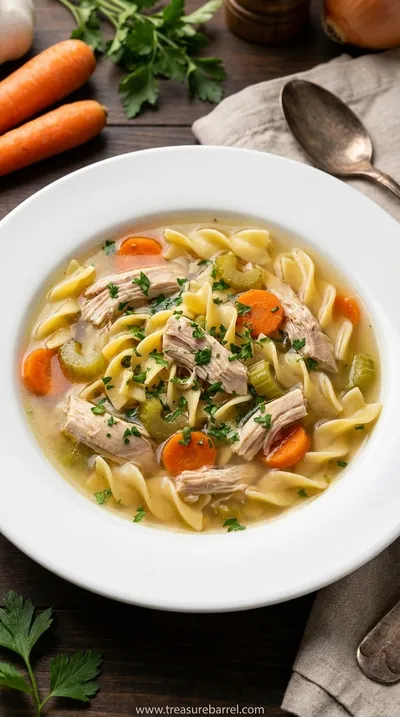
Once the chicken is cool enough to handle, you'll shred the meat from the bones, discarding the skin and bones. While you're doing that, you can add the egg noodles to the simmering broth and cook them until they're just tender. Finally, you’ll return the shredded chicken to the pot, stir in some fresh parsley for a bit of brightness, and taste it for seasoning. This is the moment where you add your final touches of salt and pepper. Ladle the steaming soup into warm bowls and just take a moment to breathe it all in before you take your first bite. It is pure, simple perfection.
-
Skim the top of your broth as it simmers to remove any foam. This helps create a clearer, cleaner-tasting soup.
-
For an even richer broth, use a combination of chicken broth and a good quality vegetable broth.
-
Don't add the noodles until you are almost ready to serve. They will continue to absorb liquid and can become mushy if they sit in the soup for too long.
Pro Tips for the Best Soup
These little details, honestly, they just elevate the whole experience from a simple meal to something truly special and comforting.
 Family Favorites
Meat Lovers Pizza Casserole Recipe
A comforting baked dish that brings pizza night flavors together in one easy casserole.
The Heart of the Soup: The Broth
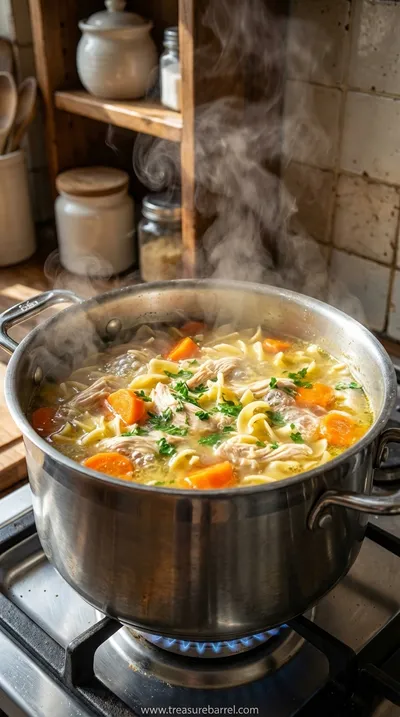
The true star of any homestyle chicken noodle soup is, without a doubt, the broth. It's what carries all the other flavors and delivers that deep, nourishing warmth. Using a high-quality, low-sodium chicken broth is key, as it gives you a beautiful canvas to build upon and allows you to control the saltiness yourself. If you ever have the time to make your own chicken stock from a leftover roast chicken carcass, wow, that is next-level. But a good store-bought version works beautifully here too. The magic happens when the bone-in chicken and vegetables simmer away, releasing their essence and transforming the simple broth into a complex, golden liquid that tastes like it's been cooking for days. It's a simple process that yields such a profound and comforting result.
A Few Things to Remember
-
Taste and season at the end. The broth will reduce a little as it simmers, concentrating the saltiness, so it's best to adjust the final seasoning right before serving.
-
Fresh herbs make a difference. While dried herbs are great for simmering in the broth, a sprinkle of fresh parsley or dill at the end adds a burst of freshness and color.
-
Don't boil the soup. A gentle, steady simmer is all you need. Boiling can make the chicken tough and the broth cloudy.
Frequently Asked Questions
→ Can I use boneless, skinless chicken breasts?
Yes, you absolutely can, and it will still be delicious! The soup will come together a bit faster as well. However, you will miss out on some of the richness that the bones and skin provide to the broth. If you use boneless chicken, I recommend using a really high-quality chicken broth to ensure you still get a deep, savory flavor. Just simmer the breasts until cooked through, then remove and shred as directed.
→ What are the best noodles for chicken noodle soup?
Honestly, this comes down to personal preference. I adore wide egg noodles for their classic, comforting texture and how well they hold the broth. Other great options include Reames frozen egg noodles, which are thicker and chewier, or even small pasta shapes like ditalini or small shells if that's what you have on hand. The key is just to adjust the cooking time based on the package directions.
→ How do I prevent my noodles from getting mushy?
This is a great question! The best way to prevent mushy noodles is to cook them just until they are al dente (still have a slight bite) directly in the broth right before you plan to serve the soup. If you plan on having leftovers, it's even better to cook the noodles separately and add them to each individual bowl as you serve it. This way, they don't sit in the hot liquid overnight, absorbing more and more broth.
→ Can I add other vegetables to this soup?
Of course! This recipe is a wonderful base for customization. You could add chopped mushrooms, peas, corn, green beans, or even some spinach or kale at the end for extra nutrients and color. If adding harder vegetables like potatoes or parsnips, add them along with the mirepoix so they have enough time to become tender. It's a great way to use up whatever you have in the fridge.
→ Can I make this soup in a slow cooker?
Yes, a slow cooker works wonderfully for this. I would recommend sautéing the mirepoix, garlic, and herbs on the stovetop first to develop their flavor, then transfer them to the slow cooker. Add the broth and chicken and cook on low for 6-8 hours or high for 3-4 hours. About 30 minutes before serving, remove the chicken, shred it, and add it back to the pot along with the uncooked noodles. Cook until the noodles are tender.
→ How long will this chicken noodle soup last in the fridge?
Stored in an airtight container, the soup will last for about 3 to 4 days in the refrigerator. As I mentioned, the noodles will continue to absorb the broth, so the soup will thicken over time. You may want to add an extra splash of broth when reheating it to get back to that perfect consistency. It’s one of those meals that tastes even better the next day.
→ Is this soup freezer-friendly?
Yes, with one small adjustment. The soup itself freezes beautifully, but cooked noodles can become very soft and mushy upon reheating. For the best results, I recommend making and freezing the soup base (with the chicken and vegetables) without the noodles. When you're ready to eat, simply thaw and reheat the soup on the stove, then cook a fresh batch of noodles to add in before serving. It will taste just as fresh as the day you made it.
Nutrition Facts
per serving
380
Calories
32g
Protein
30g
Carbs
14g
Fat
Taste Profile
Deeply savory and rich from the chicken broth, with a subtle sweetness from the carrots and onions. It's a perfectly balanced, comforting flavor.
Ingredient Substitutions
Don't have an ingredient? Try these alternatives
This is the perfect recipe for using up leftover holiday turkey. Simply skip the poaching step and add the shredded, cooked turkey to the soup at the end to heat through.
For a fun twist, use potato gnocchi or small cheese tortellini instead of noodles. Add them in the last 5-7 minutes of cooking; they'll puff up beautifully and make the soup even heartier.
Recipe Variations
Try these delicious twists on the original
Lemony Herb Version
Stir in the zest and juice of one lemon along with a generous handful of fresh dill at the end of cooking. It adds an incredible brightness and fresh flavor that completely transforms the soup.
Hearty Chicken and Rice Soup
Instead of noodles, add a 1/2 cup of long-grain white rice to the broth and simmer for 15-20 minutes, or until the rice is tender. It creates a wonderfully hearty and satisfying alternative.
Common Mistakes to Avoid
Learn from others' mistakes for perfect results
- Boiling the soup vigorously. This can make the chicken tough and the broth cloudy. A gentle, lazy simmer is all you need for a beautiful result.
- Forgetting to season generously at the end. Broth, especially low-sodium broth, needs a good amount of salt to bring all the flavors to life. Taste and adjust until it's perfect.
- Overcooking the noodles. They will continue to cook in the hot broth even after you turn off the heat, so it's best to cook them just until al dente.
- Not sweating the vegetables long enough. Rushing the first step means you miss out on building that crucial sweet, aromatic flavor base for your soup.
Meal Prep & Storage
Make Ahead Tips
This is a fantastic recipe to make ahead of time, which is perfect for busy weeknights or for meal prepping. You can prepare the entire soup base—with the broth, vegetables, and shredded chicken—and store it in the refrigerator for up to 3 days. When you're ready to eat, simply bring the soup back to a simmer on the stove and cook a fresh batch of noodles directly in the pot. This ensures the noodles are perfectly cooked and not mushy.
Leftover Ideas
Leftover chicken noodle soup is such a treat. Store it in an airtight container in the fridge. When reheating, you might notice the noodles have absorbed a lot of the broth. I like to add a good splash of extra chicken broth or water to bring it back to a soupy consistency. Sometimes, I'll even use the leftover chicken and veggies to make a pot pie filling or stir them into a tasty pasta dish, which feels like a whole new meal.
Perfect Pairings
Serve this with...
Cooking Timeline
Prep all your ingredients: chop the onion, carrots, and celery; mince the garlic. Gently sweat the mirepoix in butter or oil.
Add broth and chicken. Bring to a low simmer and cook, covered, for about 30 minutes until the chicken is tender.
Remove the chicken to cool. Add the egg noodles to the simmering broth and cook according to package directions.
Shred the chicken and return it to the pot. Stir in fresh parsley, season to taste with salt and pepper, and serve.
 Warm Meals
Beef Ragu Pasta Recipe in Tomato Sauce
A rich and hearty pasta dish with slow-cooked beef ragu in a savory tomato sauce.
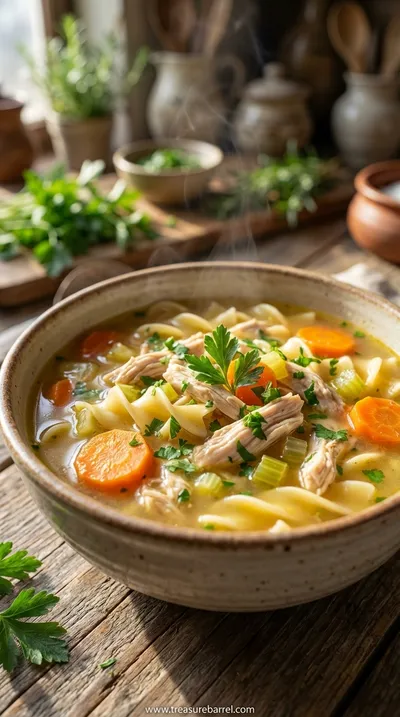
Homestyle Chicken Noodle Soup: A Classic Recipe
Make classic homestyle chicken noodle soup packed with flavor! This comforting recipe brings warmth and nourishment to any meal.
Timing
Prep Time
20 Minutes
Cook Time
50 Minutes
Total Time
1 Hour 10 Minutes
Recipe Details
Ingredients
For the Soup
-
01
2 tbsp unsalted butter or olive oil
-
02
1 large yellow onion, chopped
-
03
3 carrots, peeled and sliced into half-moons
-
04
3 celery stalks, sliced
-
05
3 cloves garlic, minced
-
06
1 tsp dried thyme
-
07
1/2 tsp dried rosemary
-
08
8 cups low-sodium chicken broth
-
09
2 lbs bone-in, skin-on chicken thighs or breasts
-
10
1 bay leaf
-
11
6 oz wide egg noodles
-
12
Salt and freshly ground black pepper to taste
For Garnish (Optional)
-
01
1/4 cup fresh parsley, chopped
-
02
Freshly ground black pepper
Instructions
First, let's create our flavor base. In a large Dutch oven or heavy-bottomed pot, melt the butter over medium heat. Add the chopped onion, carrots, and celery. Let these vegetables soften gently, stirring every so often, for about 8-10 minutes. You want them to become tender and fragrant, but not browned. This slow sauté builds such a lovely sweetness. Once they're soft, add the minced garlic, dried thyme, and rosemary and cook for just one more minute until you can smell their beautiful aroma filling your kitchen.
Now it's time to build the broth. Pour in the 8 cups of chicken broth and add the bay leaf. Gently nestle the chicken pieces into the pot, making sure they are mostly submerged in the liquid. Increase the heat to bring the soup to a gentle simmer, then immediately reduce the heat to low. You want to maintain a very gentle, lazy bubbling. Cover the pot and let it simmer for about 25-30 minutes, or until the chicken is cooked through and tender. This slow poach is what keeps the chicken so juicy.
Once the chicken is cooked, carefully remove the pieces from the pot and set them on a cutting board or plate to cool down for a few minutes. While the chicken cools, bring the broth back up to a steady simmer and add the egg noodles. Cook the noodles according to the package directions, but maybe check them a minute or two early, as you want them to be just al dente. While they cook, use two forks to shred the chicken meat, discarding the bones and skin. This process reminds me of when my family would make hot honey pizza; everyone had a job to do.
By now, your noodles should be perfectly tender. Return all that lovely shredded chicken to the pot. Give everything a good stir and let it heat through for a minute or two. Remove the pot from the heat and stir in the fresh parsley. This is the moment to taste your creation. Add salt and freshly ground black pepper until the flavors really sing. Sometimes it needs more salt than you think! Ladle the hot soup into bowls, add an extra grind of black pepper on top if you like, and serve immediately. I sometimes serve this alongside an easy homemade pizza for a super comforting meal.
Notes & Tips
-
1
To make a creamier version of this soup, you can stir in a half-cup of heavy cream or full-fat coconut milk at the very end, after you've removed it from the heat. It adds a lovely richness that is so decadent and comforting, especially in the winter.
-
2
If you have a Parmesan rind, toss it into the broth while it simmers with the chicken. It will impart a subtle, savory, umami flavor that is just incredible. Just remember to remove it before serving the soup!
-
3
Don't be shy with the black pepper. A generous amount of freshly cracked black pepper at the end really brightens up all the flavors and adds a tiny, pleasant warmth. It’s the perfect finishing touch.

Tools You'll Need
-
A heavy-bottomed pot is essential for this recipe because it distributes heat evenly, which is perfect for gently sautéing the vegetables and simmering the soup without scorching. I love my enamel-coated cast iron Dutch oven; it feels so sturdy and classic.
-
You'll be doing a fair bit of chopping for the vegetables, so a good, sharp knife and a stable cutting board will make the prep work feel much more graceful and easy. It's one of the most basic but important tool sets in my kitchen.
-
A sturdy pair of tongs will be your best friend for carefully removing the hot pieces of chicken from the simmering broth without splashing. They give you a much better grip than a spoon or spatula would.
-
A deep ladle is necessary for serving up this beautiful, brothy soup. It helps you get a perfect ratio of broth, chicken, vegetables, and noodles in every single bowl.
Must-Know Tips
-
Start with Cold Broth for Clarity: While not essential for a rustic soup, adding your chicken to cold broth and bringing it up to a simmer slowly can help create a clearer final product. It allows the impurities to coagulate and rise to the top more gently, making them easier to skim off.
-
Don't CROWD The Pot: Ensure your pot is large enough to comfortably hold all the ingredients with room to spare. A crowded pot won't simmer evenly, and it's much more likely to boil over, which, ugh, is always a mess to clean up.
-
Let The Chicken Cool Slightly: Resist the urge to shred the chicken the second it comes out of the pot. Letting it rest for just five to ten minutes not only saves your fingertips but also allows the juices to redistribute back into the meat, making it even more tender and flavorful.
Professional Secrets
-
A Touch of Acidity at the End: A tiny squeeze of fresh lemon juice stirred in right before serving can work wonders. You won't taste the lemon explicitly, but it will brighten all the other flavors in the soup, making it taste fresher and more vibrant. It's a simple trick that makes a huge difference.
-
Sweat, Don't Sauté: When cooking your mirepoix, the goal is to 'sweat' the vegetables—meaning to cook them gently until they soften and release their moisture and sweetness without browning. A little patience here builds a much deeper, more nuanced flavor base.
-
Use a Mix of Herbs: While dried thyme and rosemary are perfect for the long simmer, adding a handful of fresh, soft herbs like parsley and dill at the end provides a layer of fresh, bright flavor that contrasts beautifully with the deep, savory notes of the broth.

Recipe by
Amelia RoseAmelia cooks hearty meals 🥘🔥, sharing warmth 💛 and cozy evenings 🕯️🍲. Every dish she makes is full of love ❤️ and family laughter 👩👩👧👦🍛.
Get Delicious Recipes Weekly
Join 25,000+ home cooks getting our best recipes straight to their inbox.
Free forever • No spam • Unsubscribe anytime