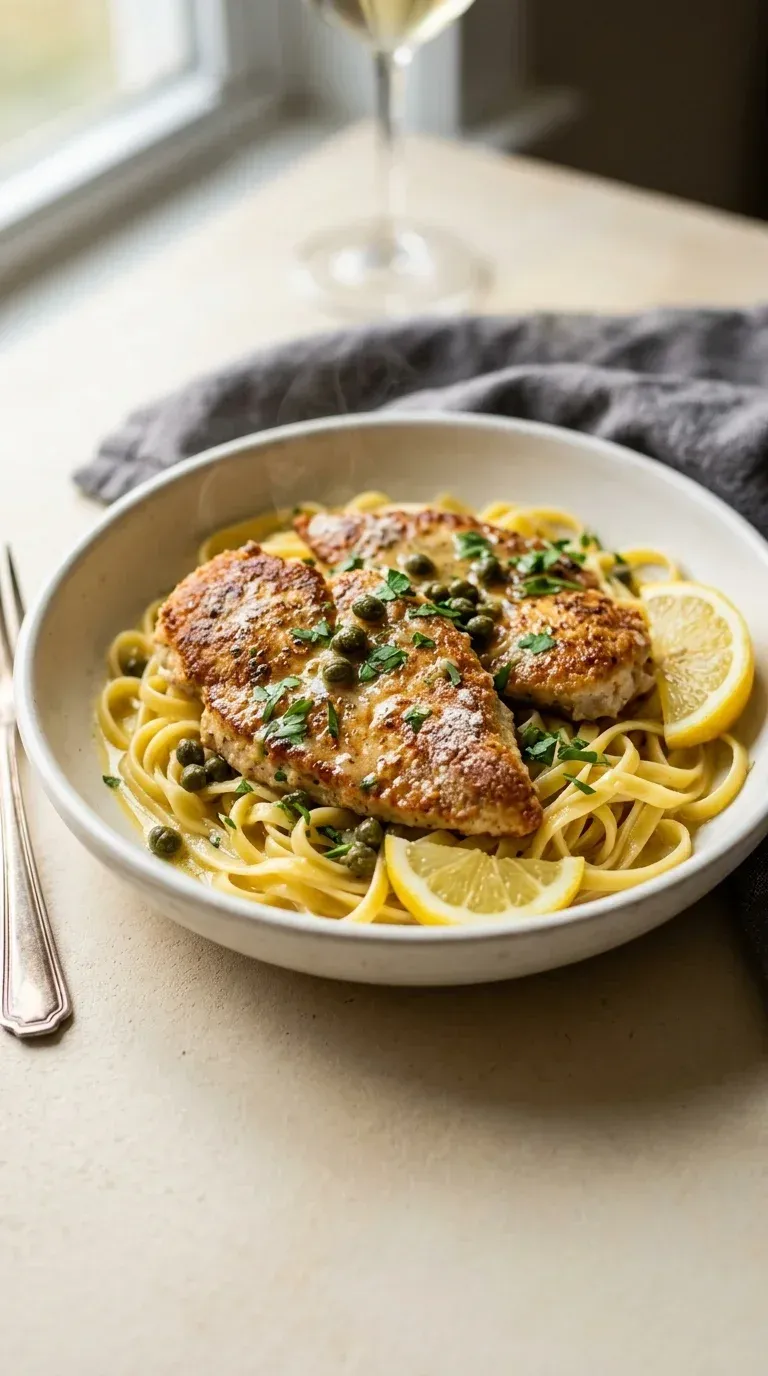
Lemon Butter Chicken Piccata
A fast yet sophisticated dinner that feels like a treat. Bright citrus meets rich butter in under 35 minutes. Perfect for those nights when you need a win in the kitchen.
- Maya Quinn
- Quick Comfort
- September 2, 2026
- 4 min read
- Updated November 5, 2026
- Total time
- 35 min
- Servings
- 4 Servings
- Difficulty:
- Easy
Table of contents
You know, there is something about the smell of melting butter and fresh lemon zest that just settles my soul. I remember when I first started cooking for my family, I used to overcomplicate everything, but then I found this lemon butter chicken piccata. It's just... honest. It doesn't try too hard, but it always feels special.
So, the secret is really in those thin cutlets. When they hit the pan, that sizzle is just music. I mean, honestly, who doesn't love a sauce that's both creamy and bright? It's the kind of meal that makes the house smell like a little Italian getaway, and yeah, it only takes a few minutes to pull together.
Well, look, you don't need a fancy occasion to make this. Sometimes the most ordinary Tuesday deserves a bit of gold on the plate. Just a little bit of parsley on top, and you're suddenly feeling like things are just right.
The story behind it
The art of the piccata originates from the heart of Italy, where "piccata" refers to the technique of slicing meat thinly and sautéing it quickly. This particular lemon butter chicken piccata evolution blends traditional Italian roots with a touch of French-inspired butter sauces, creating a balance of acidity and richness that has become a global favorite.
Historically, the addition of capers—small, pickled flower buds—provided a necessary punch of salt and brine to the dish, acting as a foil to the heavy butter. This culinary marriage of bright lemon and salty capers reflects the Mediterranean influence of using preserved ingredients to enhance fresh proteins.
Over time, the dish transitioned from a rustic home-style meal to a staple of elegant bistros. Its enduring appeal lies in the simplicity of the ingredients; the way a few basic pantry staples can be transformed into a sophisticated sauce that tastes balanced and refined.
Why You'll Love It
- Honestly, it's just so bright and cheery. The way the lemon butter chicken piccata tastes like a little bit of sunshine on a plate, especially on those gray Tuesday nights.
- I love how quickly it comes together; it's a bit of a miracle to have something this elegant ready in 35 minutes when life feels a bit chaotic.
- Well, those capers add this lovely, salty little pop that cuts right through the richness of the unsalted butter. It's just a wonderful balance.
- It has this comforting, homey feel to it. I remember when I first started making this, the smell of searing chicken and lemon just filled the whole kitchen with warmth.
Tips for success
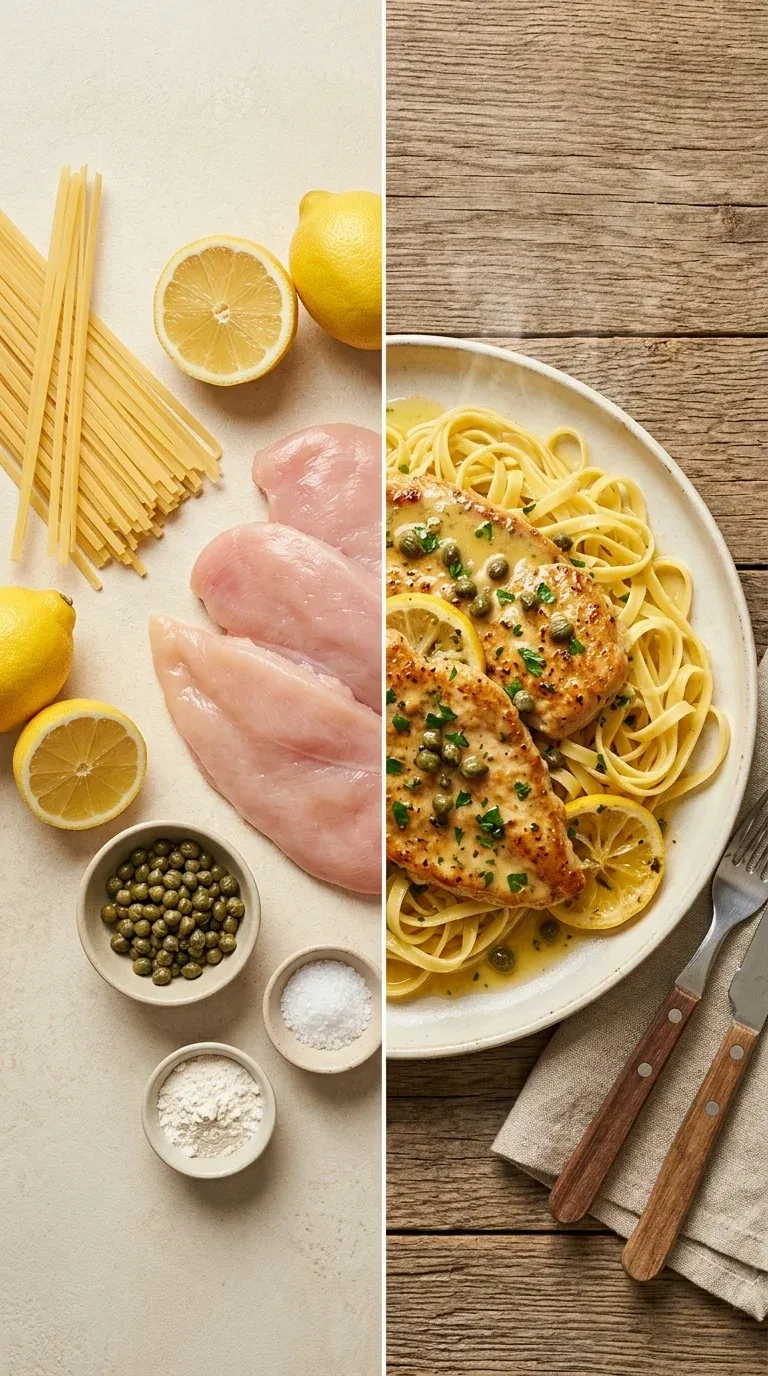
- Room temperature meat, Let the seasoned, floured cutlets sit at room temperature for 10 minutes before cooking to keep them extra juicy.
- Deglaze immediately, Quickly deglaze the pan with a splash of wine or broth right after searing to capture all the savory bits.
- Sauce thickness, If the sauce is too thin, finish it with a tablespoon of flour whisked into a small amount of cold water—do not add more butter.
Professional secrets
- The Fond Factor: Using the browned bits left in the pan after searing creates a deeper, more complex sauce.
- The Final Butter Monté: Stirring in a cold pat of butter at the very end creates a glossy, restaurant-style emulsion.
- Precision Temp: Using a thermometer to hit exactly 165°F prevents the thin cutlets from becoming rubbery.
Common mistakes to avoid
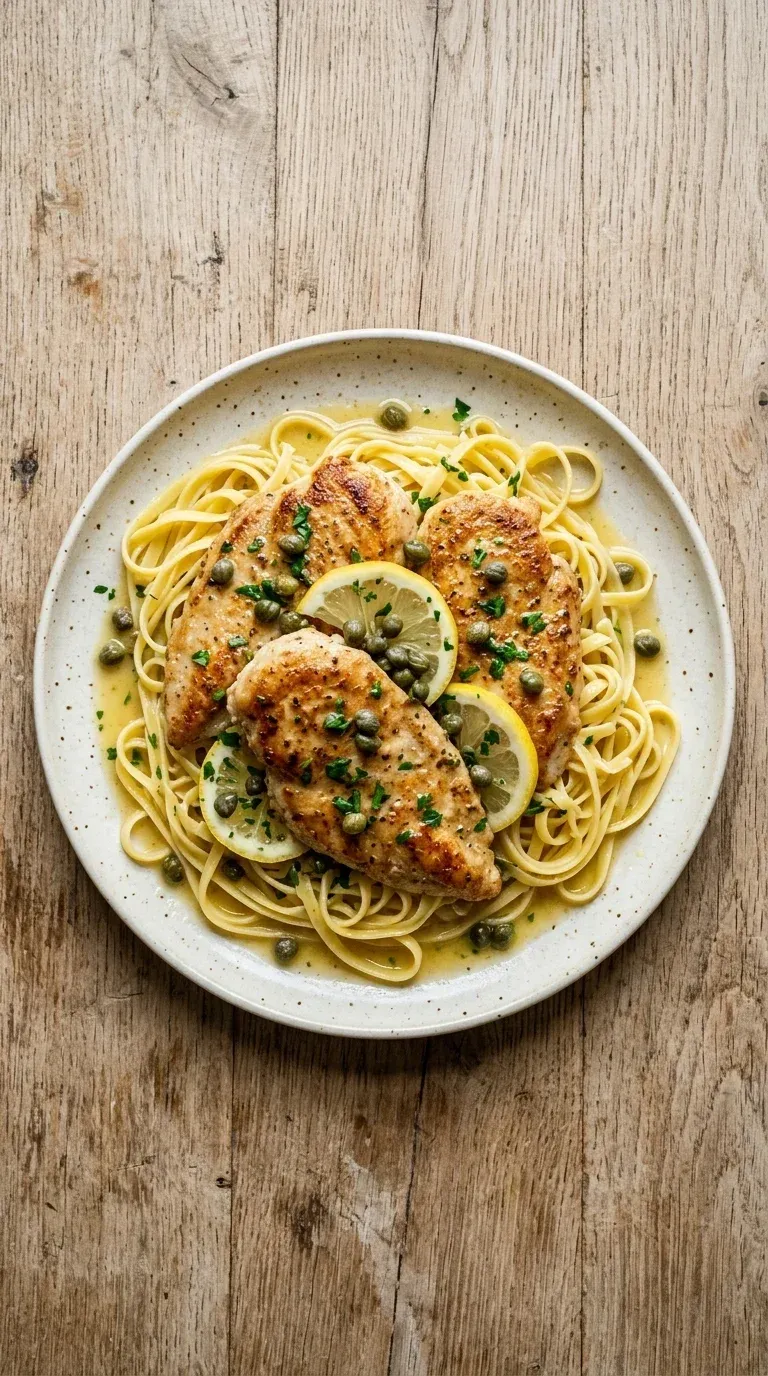
- Overcrowding the pan, which steams the chicken instead of searing it.
- Adding the lemon juice too early, which can sometimes break the sauce.
- Cooking the chicken too long after returning it to the pan, leading to dryness.
Substitutions
- all-purpose flour: cornstarch. Use for a gluten-free option, though the crust will be slightly different.
- white wine: extra chicken broth. Simply increase the broth if you prefer to avoid wine.
- unsalted butter: olive oil or vegan butter. Adjust salt levels if using salted alternatives.
Variations
- Pesto Chicken Piccata: For a more herbal, Mediterranean feel, try swirling in fresh basil pesto instead of capers. It adds a wonderful depth and a splash of green to the sauce.
- Mediterranean‑Style Piccata: Add some diced tomatoes and sliced olives to the sauce for an extra layer of flavor and a bit of that salty, savory brine.
Storage
Refrigerate within 2 hours. Store in an airtight container in the fridge or a freezer bag for up to 2 months.
Make ahead
You can prep the chicken and flour it ahead of time, but for the best results, cook it fresh. If you must, store the cooked chicken and sauce separately and reunite them when reheating.
Leftovers
Store in an airtight container in the fridge. Reheat gently in a pan over low heat with a splash of water or broth to loosen the sauce.
Serving ideas
- Toss cooked pasta right into the skillet sauce before plating.
- Pair with steamed broccoli for a pop of color and nutrition.
- Serve over cauliflower rice for a lighter, low-carb alternative.
- Garnish with extra lemon wedges on the side for those who love it extra zesty.
Allergy information
Contains gluten (all-purpose flour) and dairy (unsalted butter).
Lemon Butter Chicken Piccata
A fast yet sophisticated dinner that feels like a treat. Bright citrus meets rich butter in under 35 minutes. Perfect for those nights when you need a win in the kitchen.
- Prep time
- 20 min
- Cook time
- 15 min
- Total time
- 35 min
- Difficulty
- Easy
- Cuisine
- Italian
Ingredients
The Chicken
The Lemon Butter Sauce
Garnish & Optional
Instructions
- 1
First things first, pat your chicken breasts dry with a paper towel—honestly, this helps them brown much better. Season both sides generously with salt and freshly ground black pepper, then dredge each cutlet in flour, shaking off any excess so it's just a light coating.
- 2
Heat your large skillet over medium‑high heat and add the vegetable oil. Once it's shimmering, sear the chicken until they're a lovely golden brown on both sides, usually about 3–4 minutes per side. Now, transfer them to a plate and cover them loosely with foil to keep them cozy and warm.
- 3
In that same skillet—don't wash it, those brown bits are where the flavor lives!—reduce the heat to medium and melt 3 tablespoons of unsalted butter. Once it's bubbly, stir in the capers.
- 4
Pour in the low‑sodium chicken broth and, if you're using it, the white wine. Use a wooden spoon to scrape up all those savory browned bits from the bottom of the pan. It's so satisfying, really.
- 5
Let the liquid come to a gentle simmer and reduce it slightly for about 3 minutes. Then, whisk in the fresh lemon juice and lemon zest until everything is combined and bright.
- 6
Slide the chicken back into the skillet and spoon that wonderful sauce right over the cutlets. Simmer, uncovered, for another 2–3 minutes until the sauce thickens up and the chicken hits an internal temperature of 165°F (74°C).
- 7
Stir in the remaining tablespoon of unsalted butter for a bit of extra richness, then just take it off the heat.
- 8
Carefully transfer the chicken to your serving plates, making sure to spoon plenty of that sauce over each cutlet.
- 9
Sprinkle over some freshly chopped parsley and, if you're feeling it, an extra squeeze of lemon for a little pop.
- 10
Serve it up immediately with your favorite pasta, rice, or some roasted vegetables. Enjoy!
Nutrition per serving
- 340 kcal
- Calories
- 32 g
- Protein
- 12 g
- Carbs
- 18 g
- Fat
Tips & notes
- Pounding the chicken to an even thickness ensures every piece cooks at the same rate. - Rinsing the capers helps control the saltiness of the final sauce. - Covering the seared chicken with foil prevents them from drying out while the sauce reduces.
Frequently asked questions
Can I use frozen chicken breasts for this?
You sure can, just make sure they are completely thawed and patted very dry first. Otherwise, they'll steam instead of searing, and we want that golden crust!
What if I don't have capers on hand?
Oh, it's alright! You can leave them out, though you might want to add a tiny pinch more salt to keep that savory balance.
My sauce isn't thickening up, what should I do?
Don't worry, it happens to the best of us. Just whisk a tiny bit of flour with cold water and stir it in slowly until it looks just right.