
Vegetable kofta finds its roots in the royal kitchens of the Mughal Empire, where chefs created vegetarian versions of meatballs to accommodate various dietary preferences. The art of balancing spices and textures was perfected over centuries, resulting in a dish that celebrates vegetables in their most elegant form. Traditionally served during festive occasions, these koftas represent the harmony of flavors that Indian cuisine is renowned for, transforming humble ingredients into something truly special.
Why You'll Love It
-
- The koftas are incredibly soft and melt-in-your-mouth tender
-
- The gravy is rich and aromatic without being heavy
-
- Perfect for using up leftover vegetables from your fridge
-
- Makes a satisfying meal that even meat-eaters will adore
-
- The spices create layers of flavor that develop beautifully
"My family requests this every Sunday now. The koftas are so soft and the gravy is absolute perfection."
Essential Ingredient Guide
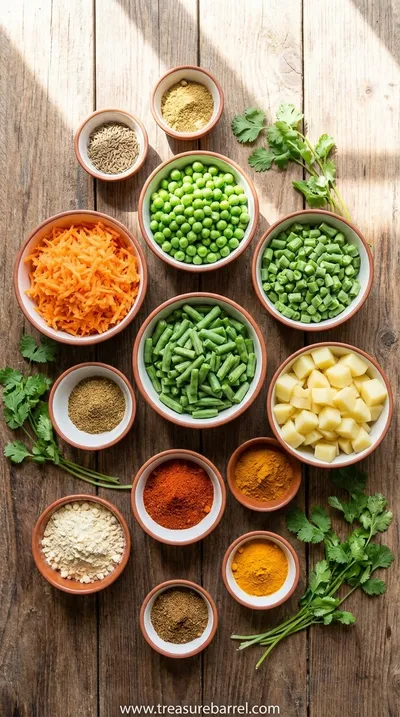
- Mixed vegetables: Potatoes, carrots, peas, and beans work beautifully. They should be boiled until just tender but not mushy, so they hold their shape when mixed.
- Besan (chickpea flour): This binds the koftas together and gives them a lovely nutty flavor. Make sure it's fresh and sifted to avoid lumps in your mixture.
- Fresh cilantro: Adds a bright, fresh note that cuts through the richness of the gravy. Chop it finely right before using to preserve its vibrant color.
- Garam masala: The heart of the spice blend. Add it towards the end of cooking to preserve its aromatic qualities - it's like the final whisper of flavor.
- Tomatoes: They form the base of the gravy. Choose ripe, red tomatoes and cook them until they break down completely into a smooth paste.
- Yogurt: Adds a subtle tang and creaminess to the gravy. Whisk it well before adding to prevent curdling.
 Family Favorites
Meat Lovers Pizza Casserole Recipe
A comforting baked dish that brings pizza night flavors together in one easy casserole.
Complete Cooking Process
-
Ingredient Readiness:
All vegetables should be boiled until just tender but still holding their shape. The besan needs to be sifted, and spices measured out beforehand. Having everything ready makes the process flow smoothly.
-
Flavor Development:
The magic happens when you cook the onion-tomato base until the oil separates. This slow cooking deepens the flavors and creates a rich foundation for the gravy.
-
Texture Control:
The kofta mixture should be moist but not wet. Resting the shaped koftas for 10 minutes helps them hold together better during frying.
-
Finishing Touches:
Adding garam masala at the very end and letting the koftas soak in the gravy for a few minutes before serving allows the flavors to marry beautifully.
-
Serving Timing:
Serve immediately after adding the koftas to the gravy to maintain their perfect texture - warm and soft but not falling apart.
-
Squeeze excess water from boiled vegetables thoroughly
-
Fry koftas on medium heat for even cooking
-
Let the gravy simmer gently rather than boil vigorously
-
Add a pinch of sugar to balance the tomato acidity
Pro Tips
You know, I've learned that patience is the real secret ingredient here. Rushing the onion-tomato base will give you a raw taste, while taking your time creates that deep, rich flavor that makes this dish special. And honestly, don't worry if your first few koftas aren't perfect - mine never are. The imperfect ones taste just as good.
Another thing I've noticed over the years: the gravy tastes even better the next day. The spices really settle in and become more harmonious. So if you're planning ahead, you could make the gravy a day before and just fry the koftas fresh when you're ready to serve.
 Warm Meals
Beef Ragu Pasta Recipe in Tomato Sauce
A rich and hearty pasta dish with slow-cooked beef ragu in a savory tomato sauce.
The essence of the dish:
What makes these mix vegetable koftay special is how ordinary ingredients transform into something extraordinary. The soft vegetable balls, the rich gravy that clings to them just right... it's comfort food that feels both humble and luxurious at the same time.
A fun fact or historical angle:
The word 'kofta' comes from the Persian word 'kuftan' meaning 'to pound' - referring to the technique of mashing ingredients together. While meat koftas are more common, vegetable versions like this one became popular in regions where vegetarian diets were prevalent.
Flavor or sensory focus:
When you take a bite, you'll first notice the soft texture of the kofta giving way to the rich, spiced gravy. The warmth of cumin and coriander comes through, followed by the subtle sweetness of the vegetables and the fresh note of cilantro.
You Must Know
-
Always squeeze vegetables dry after boiling
-
The kofta mixture should be slightly sticky but moldable
-
Fry a test kofta first to check seasoning
-
Gravy consistency should coat the back of a spoon
Frequently Asked Questions
→ Can I bake the koftas instead of frying?
Yes, you can bake them at 375°F (190°C) for about 20-25 minutes, turning halfway. They won't be as crispy but will still be delicious. Lightly brush with oil before baking.
→ What vegetables work best for koftas?
Starchy vegetables like potatoes are essential for binding. Carrots, peas, beans, cauliflower, and spinach all work well. Avoid watery vegetables like zucchini unless you squeeze them very thoroughly.
→ How do I prevent the koftas from breaking?
Make sure vegetables are well-drained and cooled completely. The besan should be enough to bind - about 2-3 tablespoons per cup of mashed vegetables. Rest the shaped koftas before frying.
→ Can I make this dish ahead of time?
You can prepare the gravy a day ahead and refrigerate. Make the kofta mixture up to 4 hours ahead and keep covered. Fry the koftas just before serving for best texture.
→ What can I serve with vegetable koftay?
They're perfect with naan bread or steamed rice. A simple cucumber salad or raita makes a nice fresh contrast to the rich gravy.
→ How long do leftovers keep?
Store in refrigerator for up to 2 days. The koftas will soften more in the gravy overnight. Reheat gently on stove-top, adding a splash of water if needed.
Nutrition Facts
per serving
280
Calories
8g
Protein
30g
Carbs
15g
Fat
Taste Profile
Warmly spiced with rich, savory notes balanced by fresh herbs
Ingredient Substitutions
Don't have an ingredient? Try these alternatives
Adjust quantity as needed for proper binding
For dairy-free version, though flavor profile will change
Recipe Variations
Try these delicious twists on the original
Paneer Kofta
Replace vegetables with crumbled paneer for a richer version
Malai Kofta
Add cream and cashew paste to the gravy for a luxurious restaurant-style dish
Common Mistakes to Avoid
Learn from others' mistakes for perfect results
- Not squeezing vegetables dry enough
- Overmixing the kofta mixture
- Frying at too high temperature
- Adding yogurt to hot pan causing curdling
- Overcooking the koftas in gravy
Meal Prep & Storage
Make Ahead Tips
You can prepare the gravy up to 2 days ahead and refrigerate. The kofta mixture can be made 4-6 hours ahead and kept covered in refrigerator. Fry koftas just before serving.
Leftover Ideas
Leftovers can be refrigerated for up to 2 days. The koftas will soften further in the gravy. Reheat gently on stove-top with a splash of water.
Perfect Pairings
Serve this with...
Cooking Timeline
Prep vegetables - boil, cool, and mash them. Chop onions, cilantro, and prepare spices.
Make kofta mixture, shape into balls, and let rest. Start preparing gravy base.
Fry koftas in batches until golden brown. Meanwhile, continue cooking the gravy.
Complete the gravy, simmer until rich and flavorful. Sometimes while waiting, I'll whip up a quick banana bread for dessert.
Combine koftas with gravy, garnish, and serve immediately.

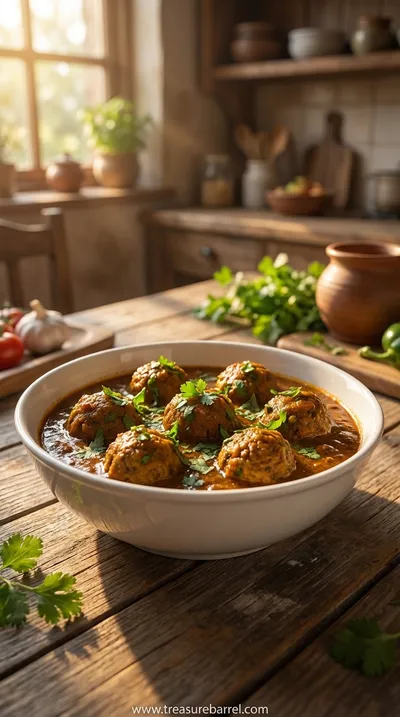
Mix Vegetable Koftay Recipe: Easy Vegetarian Dinner Idea
Try this delicious mix vegetable koftay recipe - flavorful vegetarian koftas in rich gravy. Perfect for family dinners and special meals.
Timing
Prep Time
30 Minutes
Cook Time
40 Minutes
Total Time
70 Minutes
Recipe Details
Ingredients
For the Koftas
-
01
2 cups mixed vegetables (potatoes, carrots, peas, beans), boiled and mashed
-
02
1/2 cup besan (chickpea flour)
-
03
1 small onion, finely chopped
-
04
2 green chilies, finely chopped
-
05
1 tablespoon ginger-garlic paste
-
06
2 tablespoons fresh cilantro, chopped
-
07
1 teaspoon garam masala
-
08
1/2 teaspoon red chili powder
-
09
Salt to taste
-
10
Oil for frying
For the Gravy
-
01
2 tablespoons oil
-
02
1 large onion, finely chopped
-
03
2 tomatoes, pureed
-
04
1 tablespoon ginger-garlic paste
-
05
1/2 cup yogurt, whisked
-
06
1 teaspoon cumin seeds
-
07
1 teaspoon coriander powder
-
08
1/2 teaspoon turmeric powder
-
09
1 teaspoon red chili powder
-
10
1 teaspoon garam masala
-
11
1/2 cup water
-
12
Salt to taste
-
13
Fresh cilantro for garnish
Instructions
Start by preparing the kofta mixture. Take the boiled and mashed vegetables in a large bowl. Make sure they're completely cooled and as dry as possible. I usually spread them on a plate for a few minutes to let any remaining moisture evaporate.
Add besan, chopped onion, green chilies, ginger-garlic paste, cilantro, and all the spices to the mashed vegetables. Mix everything together with your hands until well combined. The mixture should be firm enough to hold its shape when rolled.
Divide the mixture into equal portions and shape them into smooth, round balls. Place them on a plate and let them rest for 10 minutes. This helps them firm up before frying.
Heat oil in a kadai or deep pan on medium heat. Gently slide in the koftas, a few at a time, making sure not to overcrowd the pan. Fry until golden brown on all sides, then remove with a slotted spoon and drain on paper towels.
For the gravy, heat oil in another pan. Add cumin seeds and let them sizzle. Add chopped onion and sauté until golden brown. The scent that rises up at this point is just... heavenly.
Add ginger-garlic paste and cook for a minute until the raw smell disappears. Then add the tomato puree and all the dry spices except garam masala. Cook until the oil starts to separate from the masala.
Lower the heat and add the whisked yogurt gradually, stirring continuously to prevent curdling. Cook for 2-3 minutes until well incorporated. Sometimes I think making gravy is like baking banana bread - it's all about patience and paying attention to the details.
Add water to adjust the consistency of the gravy. Simmer for 5-7 minutes. Finally, add garam masala and adjust salt. Gently place the fried koftas into the gravy, garnish with fresh cilantro, and serve hot.
Notes & Tips
-
1
Squeeze boiled vegetables thoroughly to remove excess water
-
2
Fry koftas on medium heat to cook them evenly inside
-
3
Let the gravy simmer gently for best flavor development
-
4
Serve immediately after adding koftas to maintain texture

Tools You'll Need
-
Mixing bowls
-
Heavy bottomed pan
-
Slotted spoon
-
Paper towels
-
Measuring cups and spoons
-
Blender for tomato puree
Must-Know Tips
-
Vegetables must be completely cool before mixing
-
Test one kofta first to check if mixture holds shape
-
Don't overcrowd the pan while frying
-
Simmer gravy slowly to develop flavors
Professional Secrets
-
Rest kofta mixture for better binding
-
Cook onion-tomato base until oil separates
-
Add yogurt off heat to prevent curdling
-
Use room temperature ingredients for even cooking

Recipe by
Amelia RoseAmelia cooks hearty meals 🥘🔥, sharing warmth 💛 and cozy evenings 🕯️🍲. Every dish she makes is full of love ❤️ and family laughter 👩👩👧👦🍛.
Get Delicious Recipes Weekly
Join 25,000+ home cooks getting our best recipes straight to their inbox.
Free forever • No spam • Unsubscribe anytime