
Sole Meunière holds a special place in the heart of French bistro cuisine, famously known as the dish that captivated Julia Child during her first life-changing meal in France. The term 'meunière' means 'miller's wife,' referring to the simple technique of dusting the fish in flour before cooking, much like a miller's wife would have easy access to. This method creates a faintly crisp exterior that seals in the fish's moisture and provides the perfect base for the brown butter sauce. For generations, it has been a hallmark of elegant, uncomplicated French cooking, proving that the most memorable meals often come from the humblest of ingredients.
Why You'll Love It
-
It’s incredibly elegant with minimal effort—restaurant-quality at home.
-
The brown butter sauce is simple but has a deep, complex, nutty flavor.
-
It’s a quick-cooking dish, ready in under 20 minutes from start to finish.
-
The delicate texture of the sole is a true comfort, light yet satisfying.
"I'd always been intimidated by French cooking, but this recipe made it feel so approachable. The brown butter sauce is absolute perfection."
Essential Ingredient Guide
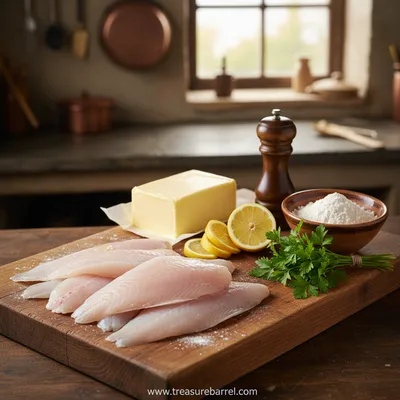
- Dover Sole or Lemon Sole Fillets: The star of the show. Look for firm, translucent fillets with a fresh, ocean-like scent. They should be thin and delicate. Pat them very dry with paper towels; this is the secret to getting that light, golden crust.
- Unsalted Butter: You'll use a good amount, and it's worth it. Unsalted lets you control the seasoning. We'll brown it, which gives it a wonderful toasted, nutty aroma that defines the sauce.
- All-Purpose Flour: A light dusting is all you need. It's not meant to be a thick batter; it just creates a delicate coating that helps the fish brown evenly and thickens the sauce slightly.
- Fresh Lemon: The bright, sharp acidity is essential. It cuts through the richness of the butter and lifts the whole dish. A squeeze at the end makes all the difference.
- Fresh Parsley: Use flat-leaf parsley for its fresh, clean taste. Chopped finely and sprinkled over at the end, it adds a pop of color and a herbal freshness.
Complete Cooking Process
-
Ingredient Readiness:
Everything happens quickly once you start cooking, so have your fish patted dry and seasoned, your lemon juiced, and your parsley chopped. This simple act of getting everything in its place makes the process feel calm and controlled.
-
Flavor Development:
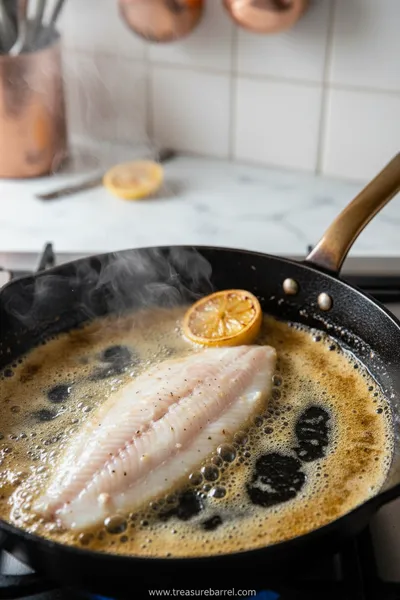
The flavor truly develops when the butter melts in the pan and slowly turns a golden brown. You'll smell it change, becoming rich and nutty. That’s the heart of the sauce.
-
Texture Control:
Cooking the fish over a steady, medium heat is key. You want a gentle sizzle, not a violent splatter. This ensures the delicate flesh cooks through evenly without becoming tough or rubbery.
-
Finishing Touches:
The final flourish—taking the pan off the heat and stirring in the lemon juice and parsley—is what brings it all together. The sauce sizzles and intensifies, ready to be poured over the fish.
-
Serving Timing:
Serve immediately. This dish waits for no one. The fish is at its most tender and the sauce at its most vibrant straight from the pan.
-
Dry the fish thoroughly. Any moisture will steam the fish instead of browning it.
-
Use a light hand with the flour. Tap off the excess for the thinnest, crispest coating.
-
Don't walk away from the butter. It can go from brown to burned in seconds.
-
Have your plates warmed. A cold plate will cool the delicate fish and sauce too quickly.
Pro Tips
You know, I remember the first time I made this. I was so nervous, watching that butter like a hawk, worried I'd ruin it. But honestly, it's more forgiving than you'd think. The smell that fills your kitchen is just... comforting. It smells like a quiet French café, even if you're just in your slippers at home.
And the best part is how it makes you slow down. You can't rush this. You have to be present, to watch and listen. It’s a small ritual that feels good, you know? Like making a simple dough from scratch, there's a quiet satisfaction in doing something by hand, in paying attention to the process.
 Family Favorites
Meat Lovers Pizza Casserole Recipe
A comforting baked dish that brings pizza night flavors together in one easy casserole.
The essence of the dish:
Its beauty lies in its simplicity. There's no long list of ingredients, no complicated techniques. It's about respecting the fish and transforming a few humble components—butter, lemon, parsley—into something that feels truly special and deeply comforting.
A fun fact or historical angle:
The name 'Meunière' is a nod to the miller's wives who would have cooked with the flour readily available to them. It’s a dish rooted in resourcefulness and rustic charm, later elevated to bistro fame.
Flavor or sensory focus:
The first thing you'll notice is the aroma: the nutty, toasty scent of browning butter. Then, the texture: the delicate, flaky fish that melts on your tongue, followed by the bright, sharp finish of the lemon that cleanses the palate.
You Must Know
-
The fish cooks very quickly—usually 2-3 minutes per side. Overcooking is the enemy of tenderness.
-
Brown butter is the soul of the sauce. Wait for those little brown specks and the nutty aroma.
-
Serve it immediately. This is not a 'keep warm' kind of dish; its perfection is fleeting.
Frequently Asked Questions
→ Can I use a different type of fish?
You can, but choose another thin, delicate white fish like flounder, tilapia, or trout. Thicker fillets like cod won't cook as quickly or evenly with this method.
→ My butter burned! What do I do?
Oh, it happens to everyone. Sadly, you'll need to start over with fresh butter. The burnt taste will overpower the dish. Just wipe the pan clean and try again with slightly lower heat.
→ Can I make this gluten-free?
Absolutely. A light dusting of a gluten-free flour blend or even cornstarch will work just fine for coating the fish.
→ What should I serve with Sole Meunière?
Keep it simple. Steamed new potatoes, asparagus, or a light green salad are classic pairings that won't compete with the delicate fish.
→ Is it possible to make this ahead of time?
Not really. This is a 'serve immediately' dish. The fish will continue to cook and can become dry, and the sauce may break if reheated.
→ Can I use salted butter?
You can, but you'll need to be very careful with any additional salt in the recipe, as it's harder to control the seasoning.
Nutrition Facts
per serving
420
Calories
28g
Protein
12g
Carbs
28g
Fat
Taste Profile
Rich, nutty, and bright with a pronounced buttery umami and a clean, acidic finish from the lemon.
Ingredient Substitutions
Don't have an ingredient? Try these alternatives
Ensure the fillets are of a similar thinness for even cooking.
Use for a gluten-free version with the same light-dusting technique.
Recipe Variations
Try these delicious twists on the original
With Capers
Add a tablespoon of rinsed capers to the brown butter sauce for a lovely briny, salty note.
Almondine
Toast a handful of sliced almonds in the butter before browning it, then sprinkle them over the finished dish for a delightful crunch.
Common Mistakes to Avoid
Learn from others' mistakes for perfect results
- Not drying the fish thoroughly, leading to steamed, pale fish instead of seared.
- Overcrowding the pan, which lowers the temperature and prevents browning.
- Burning the butter by using too high heat or walking away.
- Overcooking the fish, making it tough and rubbery.
Meal Prep & Storage
Make Ahead Tips
You can pat the fish dry and season it up to an hour ahead, keeping it covered in the refrigerator. Have your lemon juiced and parsley chopped beforehand to streamline the cooking process.
Leftover Ideas
Not recommended. The fish will become dry and the sauce may separate upon reheating.
Perfect Pairings
Serve this with...
Cooking Timeline
Prep: Pat fish dry, season, dredge in flour. Juice lemon, chop parsley.
Cook fish: Heat oil, cook first side until golden (2-3 min).
Finish fish: Flip and cook second side until done (2-3 min). Transfer to plates.
Make sauce: Brown butter in the same pan (2-3 min).
Finish and serve: Off heat, stir in lemon and parsley. Pour over fish and serve.
 Warm Meals
Beef Ragu Pasta Recipe in Tomato Sauce
A rich and hearty pasta dish with slow-cooked beef ragu in a savory tomato sauce.
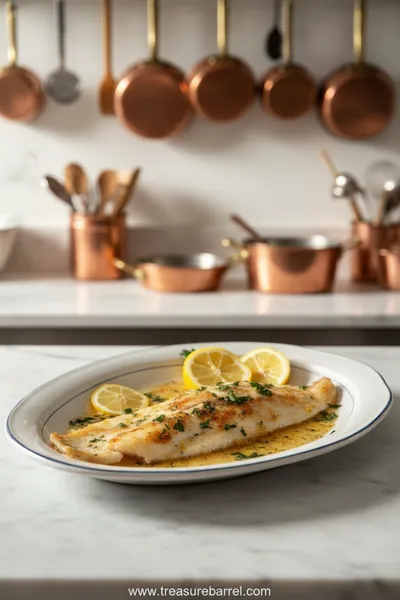
Sole Meunière: A Classic French Seafood Recipe
A gentle guide to making Sole Meunière, the classic French dish of delicate fish in a nutty brown butter sauce, perfect for a quiet, comforting dinner.
Timing
Prep Time
10 Minutes
Cook Time
10 Minutes
Total Time
20 Minutes
Recipe Details
Ingredients
For the Fish
-
01
2 sole fillets (about 6 oz each), skinless
-
02
Salt and freshly ground black pepper
-
03
1/4 cup all-purpose flour
-
04
2 tablespoons neutral oil (like grapeseed or canola)
For the Sauce
-
01
4 tablespoons unsalted butter, cut into pieces
-
02
2 tablespoons fresh lemon juice
-
03
2 tablespoons fresh parsley, finely chopped
-
04
Lemon wedges, for serving
Instructions
Pat the sole fillets completely dry with paper towels. This is the most important step for a good sear. Season both sides generously with salt and pepper. Place the flour on a plate and lightly dredge each fillet, tapping off any excess flour. You just want a whisper-thin coating.
Heat the oil in a large skillet over medium heat. Once the oil shimmers, carefully place the fillets in the pan. Cook for about 2 to 3 minutes, until the bottom is golden brown and the edges start to look opaque.
Gently flip the fillets with a thin spatula. Cook for another 2 to 3 minutes on the second side, until the fish is cooked through and flakes easily with a fork. Transfer the fish to warm serving plates.
Pour out the oil from the skillet. Reduce the heat to medium-low and add the butter. Let it melt and then cook, swirling the pan occasionally, until it foams and turns a golden brown color. You'll see little brown specks at the bottom and smell a lovely nutty aroma. This should take about 2-3 minutes—watch it closely!
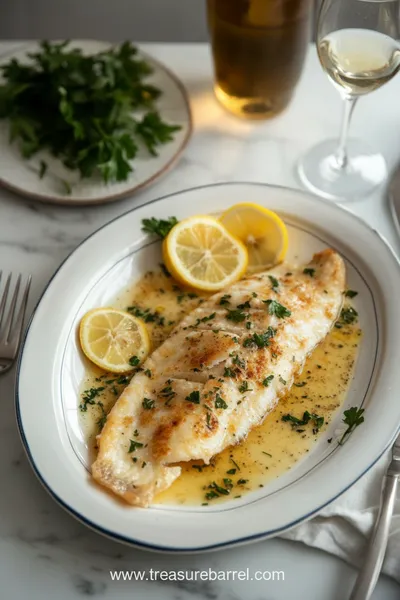
Remove the skillet from the heat immediately. Stir in the lemon juice and parsley—it will sizzle and bubble up. Quickly spoon the hot brown butter sauce over the waiting fish on the plates. Serve right away with lemon wedges on the side.
Notes & Tips
-
1
The key to success is dry fish and not overcrowding the pan. Cook in batches if necessary.
-
2
If your butter isn't browning, the heat is too low. If it's smoking and turning black, it's too high. Aim for a steady, gentle bubble.
-
3
This dish is best enjoyed immediately. It does not reheat well.
Tools You'll Need
-
Large skillet (non-stick or well-seasoned cast iron)
-
Paper towels
-
Spatula (thin and flexible is best)
-
Plate for dredging
-
Measuring spoons
Must-Know Tips
-
Pat the fish dry. This is non-negotiable for a golden crust.
-
Don't walk away from the browning butter. It changes fast.
-
Have your plates warmed and ready. A cold plate makes the sauce congeal.
Professional Secrets
-
Room temperature fish, Cooks more evenly than ice-cold
-
Swirl the pan, Helps the butter brown uniformly
-
Off-heat acid, Adding lemon off the heat preserves its bright flavor

Recipe by
Isabella MartinIsabella loves warm kitchens 🍲✨, cozy memories 🕯️💛, and soul-soothing comfort food 🥘❤️. She’s all about sharing nostalgia, laughter 😂, and tasty ...
Get Delicious Recipes Weekly
Join 25,000+ home cooks getting our best recipes straight to their inbox.
Free forever • No spam • Unsubscribe anytime