Best Homemade Pizza Dough Recipe - Easy & Authentic
The only homemade pizza dough recipe you'll ever need for a soft, chewy, perfectly blistered crust every single time.
- Sofia Belle
- Home Baking
- December 16, 2025
- 5 min read
- Updated November 5, 2026
- Total time
- 32 min
- Servings
- 2 Servings
- Difficulty:
- Easy
Table of contents
There’s a certain kind of quiet magic that fills the kitchen when you make pizza dough from scratch. It’s more than just mixing flour and water; it's the gentle bloom of yeast, the soft, pillowy feel of the dough coming together under your hands, and the warm, earthy scent that promises a delicious meal is on its way. This recipe isn't about complicated steps or fancy equipment. It's about slowing down, connecting with your food, and creating the perfect canvas for your family's favorite toppings. It’s the foundation of so many of our cozy Friday nights in.
The story behind it
I remember the first time I really nailed homemade pizza dough. For years, I’d been trying different recipes, and they were always just… fine. Either too dense, too crackly, or just lacking that soulful chew I craved. Then came a drizzly Saturday afternoon. The kids were little, building a fort in the living room, and I decided to try again, but this time, I ignored the clock and just paid attention to the dough itself. I watched the yeast wake up, felt the dough turn from a shaggy mess to a silky, smooth ball. It was a revelation. That evening, we made the most incredible pizzas, with beautifully puffed, slightly charred crusts. The entire process felt like a lesson in patience and intuition, a core principle in all my home baking adventures.
Since that day, this has become our one and only dough recipe. It’s forgiving, reliable, and honestly, therapeutic to make. It’s the base for our classic Margherita, a wild mushroom and garlic creation, and my husband's absolute favorite, a hot honey pizza. This dough is more than a recipe; it's a tradition, a scent that means 'home' and 'weekend,' a cornerstone of our family favorites. It’s proof that the simplest things, made with a little bit of love, are often the very best.
Why You'll Adore This Dough
- Incredible Texture: This isn't just a crust; it's the star of the show. It bakes up with a wonderfully chewy interior and a crisp, lightly blistered bottom. It has that authentic pizzeria-style bite that’s so hard to find. It’s sturdy enough to hold your toppings but still tender and light.
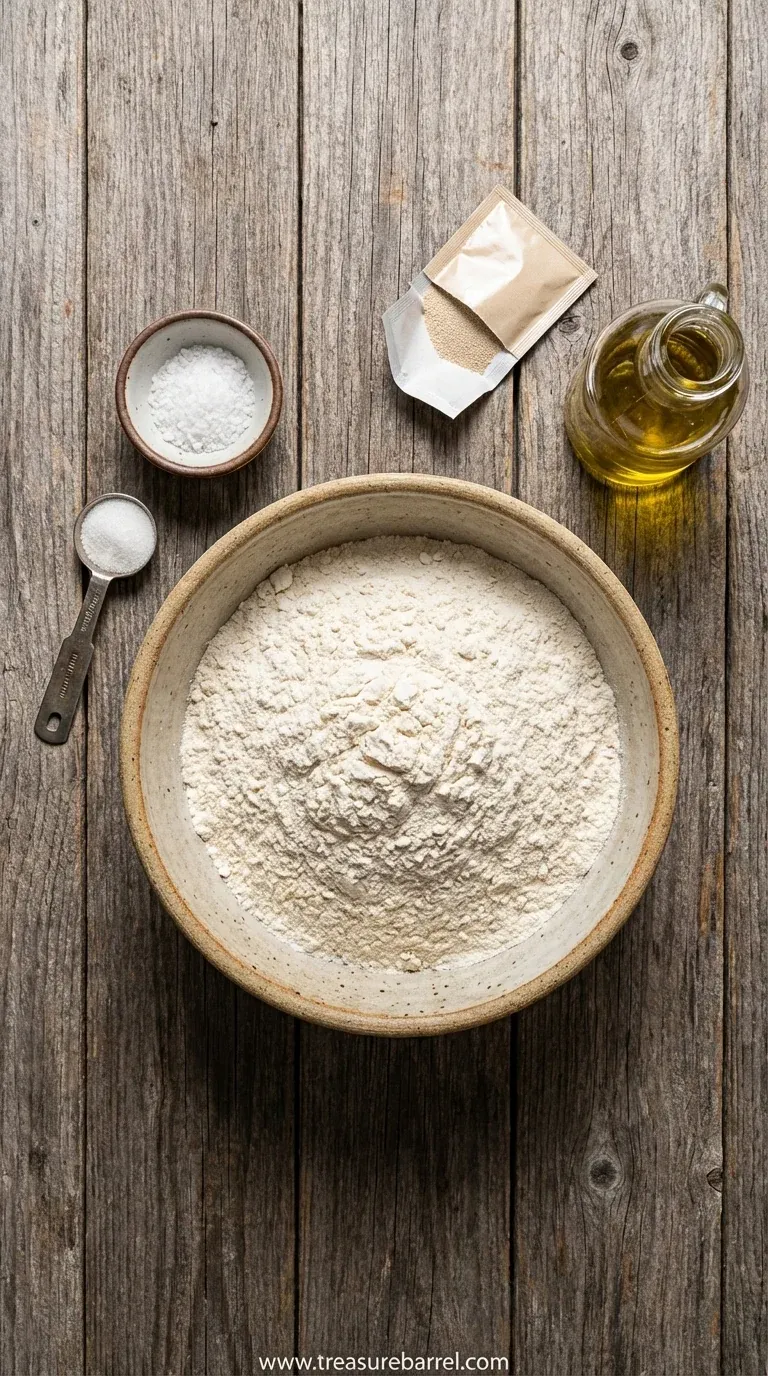
- Amazingly Simple Ingredients: You probably have everything you need right now. We're talking flour, water, yeast, salt, a pinch of sugar, and a little olive oil. There are no strange additives or complicated ingredients, just pure, simple goodness that comes together to create something truly special.
- A Forgiving, Relaxing Process: Don't be intimidated by yeast! This recipe is incredibly forgiving and perfect for beginners. The kneading is so meditative, a wonderful way to unwind. Watching the dough double in size is, honestly, one of the most satisfying kitchen miracles there is. It's a joy to make, from start to finish.
- The Perfect Blank Canvas: This dough is your starting point for endless creativity. It’s not just for pizza! Use it to make cheesy breadsticks, calzones, or savory stromboli. It’s a versatile base that invites you to play and experiment with flavors, turning a simple meal into one of our favorite warm meals.
Tips for success
- Don't kill the yeast! Water temperature is crucial. Too hot, and the yeast will die. Too cold, and it won't activate. The 'warm bath' test on your wrist is a reliable guide.
- Let the dough rest. That 1-hour rise is not optional. It's when the yeast works its magic, creating air pockets and developing the dough's flavor and texture. Be patient.
- Hot, hot, hot oven. For a crispy, chewy crust with beautiful blisters, your oven needs to be as hot as it can get. Don't be afraid to crank it up!
Professional secrets
- Use a kitchen scale. For ultimate precision, weighing your flour and water is the best way to get consistent results every single time. It takes the guesswork out of baking.
- A slow, cold ferment. For the absolute best flavor, let your dough rise slowly in the refrigerator for 24-72 hours. This deepens the flavor in a way a quick rise can't match.
- Stretch, don't roll. When shaping your pizza, gently stretch the dough with your fingertips and knuckles instead of using a rolling pin. This preserves the delicate air bubbles in the dough for a lighter, airier crust.
Common mistakes to avoid
- Using water that is too hot, which kills the yeast before it can work.
- Not kneading the dough enough, resulting in a dense, tough crust.
- Not preheating the oven and baking surface sufficiently, leading to a soggy bottom crust.
- Adding too much flour during kneading, which can make the dough dry and heavy.
Substitutions
- Active Dry Yeast: Instant Yeast. You can use the same amount of instant yeast, but you can skip the blooming step and mix it directly in with the dry ingredients. It might also rise a bit faster.
- Granulated Sugar: Honey or Maple Syrup. A liquid sweetener works just as well to feed the yeast. Use the same amount for a slightly different, subtle background flavor. I personally love the warmth that honey adds.
Variations
- Herbed Pizza Dough: Add 2 teaspoons of dried Italian herbs (like oregano, basil, and thyme) or a tablespoon of fresh chopped rosemary to the flour mixture for a wonderfully aromatic crust.
- Garlic Breadsticks: After the first rise, shape the dough into ropes, brush with melted butter and minced garlic, sprinkle with parmesan, and bake until golden brown. A perfect side for an Italian pasta salad.
Storage
If you have leftover unbaked dough, wrap it tightly in plastic wrap or place it in an airtight container and refrigerate for up to 3 days. You can also freeze it for up to 3 months. For baked pizza, store any leftovers in an airtight container or wrapped in foil in the refrigerator for up to 4 days. I find that reheating pizza on a hot skillet or in an air fryer brings back that wonderful crispness to the crust, much better than a microwave.
Make ahead
This dough is perfect for making ahead. You can prepare it through the kneading step, then place it in a sealed, oiled bag in the refrigerator for up to 3 days. The flavor actually improves with this cold ferment! Alternatively, freeze the dough balls for up to 3 months for pizza anytime.
Leftovers
Leftover baked pizza is a treat! Reheat slices in a dry skillet over medium heat, covered, for a few minutes to re-crisp the crust. You can also use leftover dough to make small calzones or cheesy breadsticks for a snack the next day.
Serving ideas
- Classic Margherita: Tomato sauce, fresh mozzarella, and fresh basil.
- White Pizza: Olive oil base with garlic, ricotta, mozzarella, and a sprinkle of rosemary.
- Pesto Pizza: Spread with a layer of pesto, topped with grilled chicken and sun-dried tomatoes.
- Veggie Supreme: Load it up with bell peppers, onions, mushrooms, and olives.
Allergy information
This recipe contains wheat (gluten). Always ensure you are using ingredients that comply with your specific dietary needs. While this recipe is naturally dairy-free and nut-free, be mindful of cross-contamination in your kitchen and with your choice of toppings if allergies are a concern. Check all labels to be safe.
Best Homemade Pizza Dough Recipe - Easy & Authentic
The only homemade pizza dough recipe you'll ever need for a soft, chewy, perfectly blistered crust every single time.
- Prep time
- 20 min
- Cook time
- 12 min
- Total time
- 32 min
- Difficulty
- Easy
- Cuisine
- Italian-American
Ingredients
For the Dough
Instructions
- 1
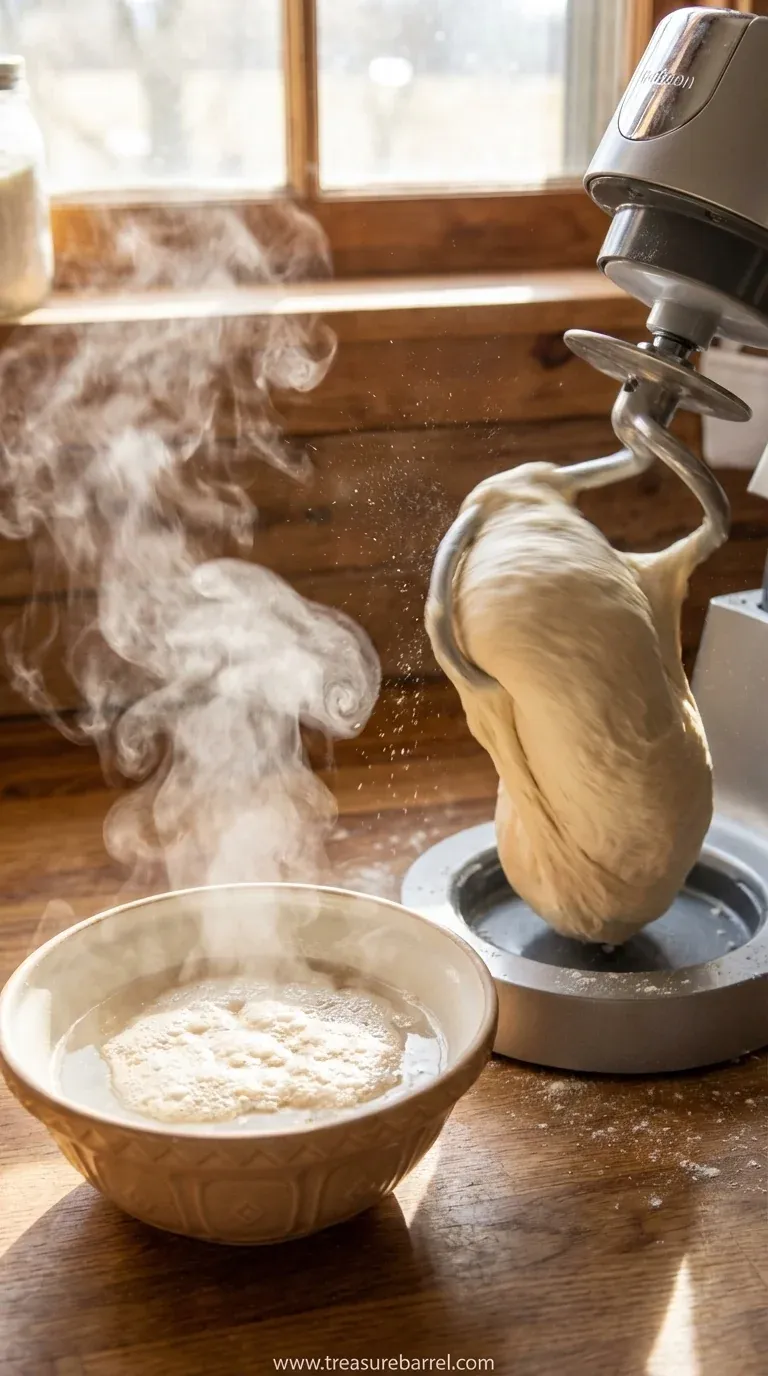
First, let's wake up the yeast. In a small bowl or the bowl of your stand mixer, pour in the warm water. It should feel pleasant, not hot. Sprinkle the yeast and sugar over the water, give it a gentle stir, and then just let it be for about 5-10 minutes. You're looking for the mixture to become foamy and creamy on top. This is how you know your yeast is alive and ready to work its magic. If nothing happens, your yeast might be old, so it's best to start over. It's a quiet, beautiful little science experiment.
- 2
In a large bowl, whisk together 3 1/2 cups of the flour and the salt. Once your yeast is beautifully bloomed, pour the yeast mixture and the olive oil into the flour. If you're using a stand mixer, use the dough hook attachment and mix on low speed until a shaggy dough comes together. If mixing by hand, use a wooden spoon to stir everything until you can't anymore, then use your hands to bring it into a rough ball. Don't worry if it looks messy at this stage; that's completely normal. It's about to transform.
- 3
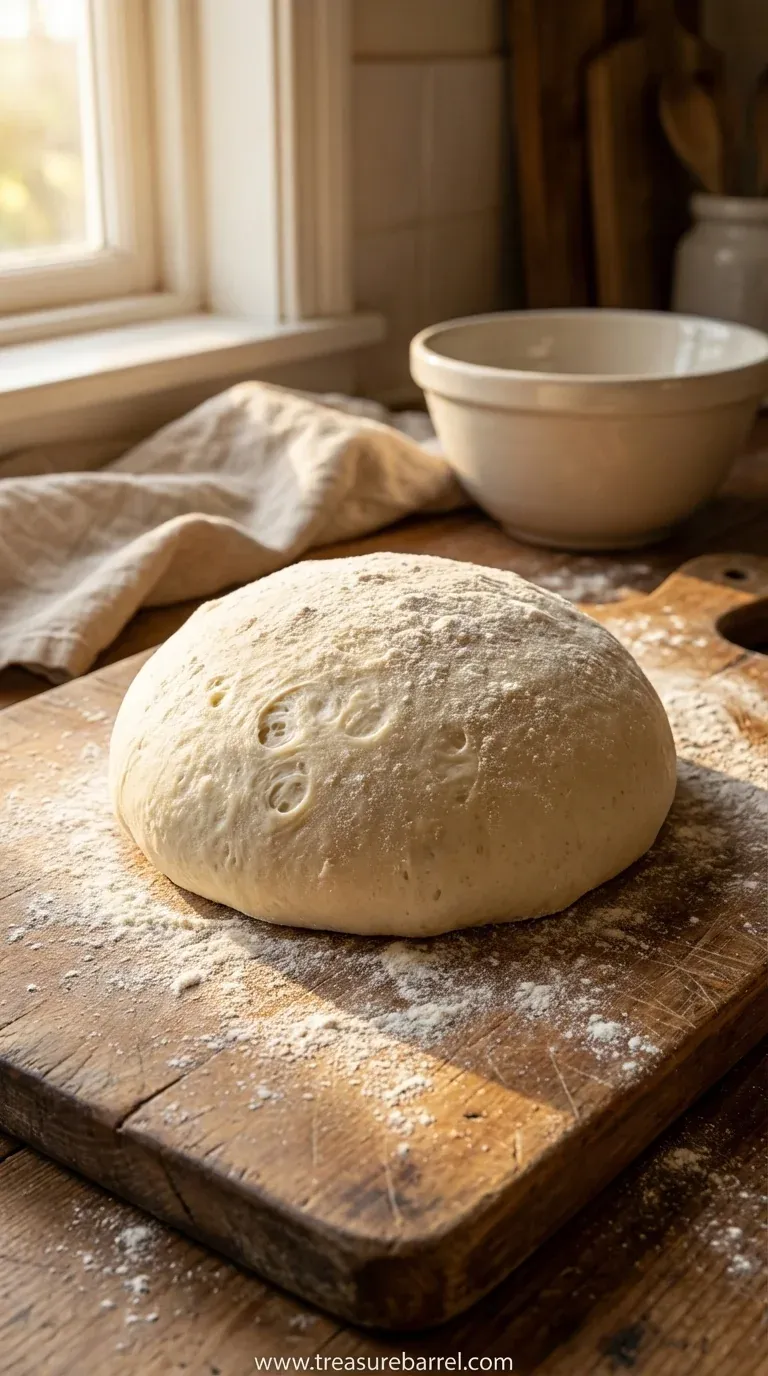
Now for the best part—kneading. Turn the dough out onto a lightly floured surface. Knead for about 8-10 minutes by hand, or 6-8 minutes with the dough hook on medium-low speed. You want to develop the gluten, which gives the crust its signature chew. The dough is ready when it's smooth, elastic, and springs back gently when you poke it. If it's too sticky, add a sprinkle of flour. This process is so meditative; just enjoy the feeling of the dough coming to life under your hands.
- 4
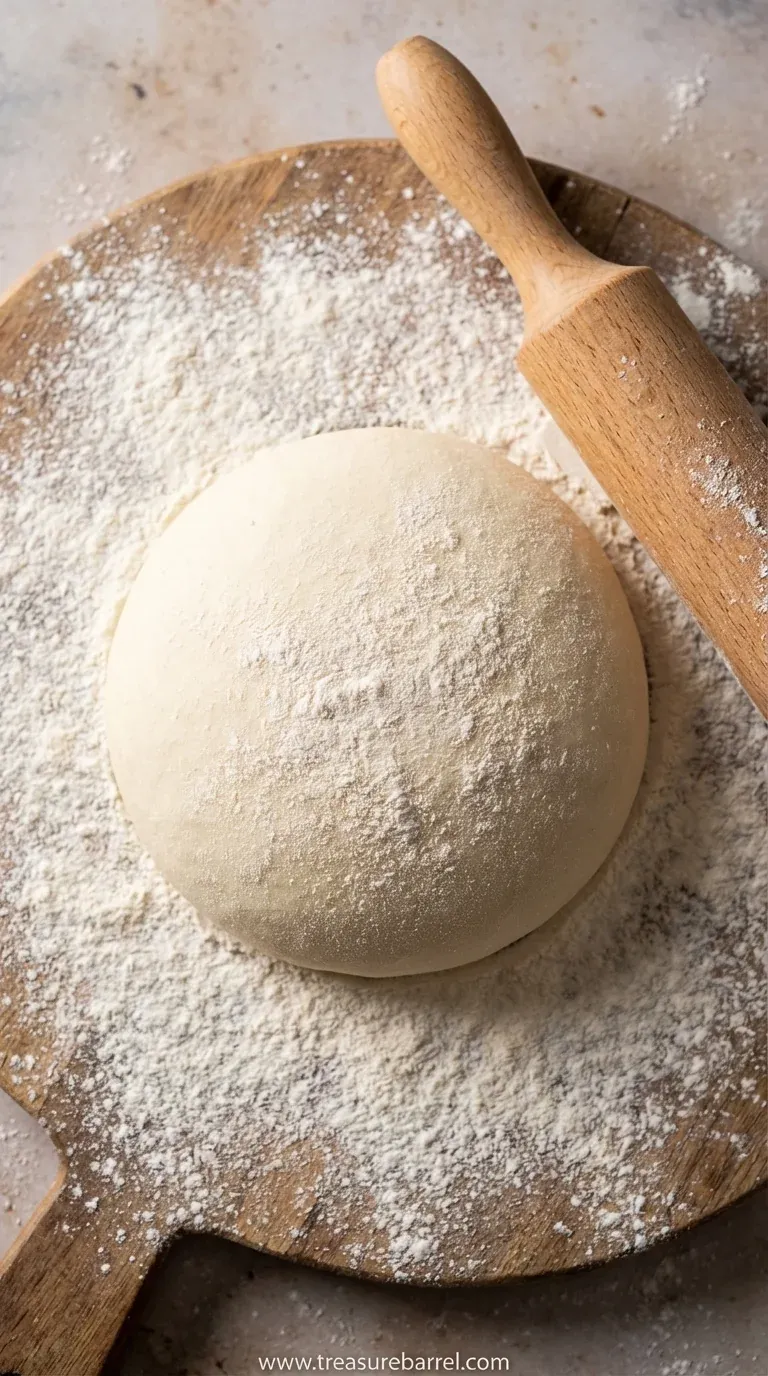
Lightly oil a clean, large bowl and place the dough inside, turning it once to coat it with oil. This prevents a skin from forming. Cover the bowl with plastic wrap or a damp kitchen towel. Let it rise in a warm, draft-free place for about 1 to 1.5 hours, or until it has doubled in size. Once risen, gently punch the dough down to release the air, divide it in half, and it's ready to be shaped into pizzas. Or, you can wrap it and store it for later. Your perfect canvas is now ready for toppings like a vibrant basil pesto.
Nutrition per serving
- 250 kcal
- Calories
- 7 g
- Protein
- 45 g
- Carbs
- 4 g
- Fat
Tips & notes
- The amount of flour can vary slightly depending on humidity. Add the last 1/2 cup gradually until the dough is soft and slightly tacky, but not sticking to your hands. - Be gentle when punching down the dough after the first rise. You want to release the large air bubbles but not completely deflate it. This helps maintain a light, airy texture in your final crust. - For an even more flavorful crust, try a cold ferment. After kneading, place the dough in an oiled bowl, cover, and refrigerate for 1 to 3 days. The flavor development is truly incredible.
Frequently asked questions
Can I use whole wheat flour in this recipe?
Yes, you absolutely can! I sometimes substitute up to half of the all-purpose flour with whole wheat flour for a nuttier flavor and denser texture. It creates some lovely rustic bites. Just be aware that whole wheat flour absorbs more water, so you might need to add an extra tablespoon or two of water to get the right consistency. It will be a bit heartier but just as delicious.
How do I know if my water is the right temperature for the yeast?
This is such a great question because it’s so important! The ideal temperature is between 105-115°F (40-46°C). If you don't have a thermometer, just use your wrist. It should feel comfortably warm, like a baby’s bathwater. If it’s too hot, it will harm the yeast, and if it's too cool, the yeast won't wake up properly. A gentle warmth is the perfect invitation for it to bloom.
Can I make this pizza dough ahead of time?
Definitely! This dough is fantastic for making ahead. After the first rise, you can punch it down, wrap it tightly in plastic wrap, and store it in the refrigerator for up to 3 days. The slow, cold fermentation actually develops a more complex and delicious flavor. Just let it sit at room temperature for about 30-60 minutes before you plan to shape it.
My dough is really sticky. What did I do wrong?
Oh, don't worry, you didn't do anything wrong! Dough stickiness can vary based on the humidity in your kitchen or the brand of flour you're using. If it's too sticky to handle, just add a little more flour, one tablespoon at a time, while kneading. You want it to be soft and slightly tacky, but not clinging to your hands. It's a balance you'll get a feel for over time.
Can I freeze this pizza dough?
Yes, freezing is a fantastic option. After the dough has completed its first rise, punch it down, divide it into portions, and coat each lightly with olive oil. Place them in individual freezer-safe bags, squeezing out as much air as possible. It will keep for up to 3 months. To use, just thaw it in the refrigerator overnight and then let it sit on the counter for an hour to come to room temperature before shaping.
What's the secret to a crispy crust?
A super hot oven is key! Preheat your oven to its highest setting, usually around 500-550°F (260-290°C). If you have a pizza stone or steel, preheat it with the oven for at least an hour. This intense heat hits the dough immediately, creating 'oven spring' that puffs up the edges and gives you that beautiful, crispy-chewy crust. It mimics a real pizza oven and makes all the difference.
Is this a good recipe for a beginner?
This is the perfect crust recipe for a beginner! It uses simple ingredients and straightforward techniques. I truly believe that making dough is more about feel than rigid rules, and this recipe is very forgiving. It’s a wonderful introduction to the world of yeast and a great way to build your confidence in the kitchen. It’s one of my favorite from-scratch recipes.