Chinese Beef and Broccoli: One Pan Take-Out Recipe
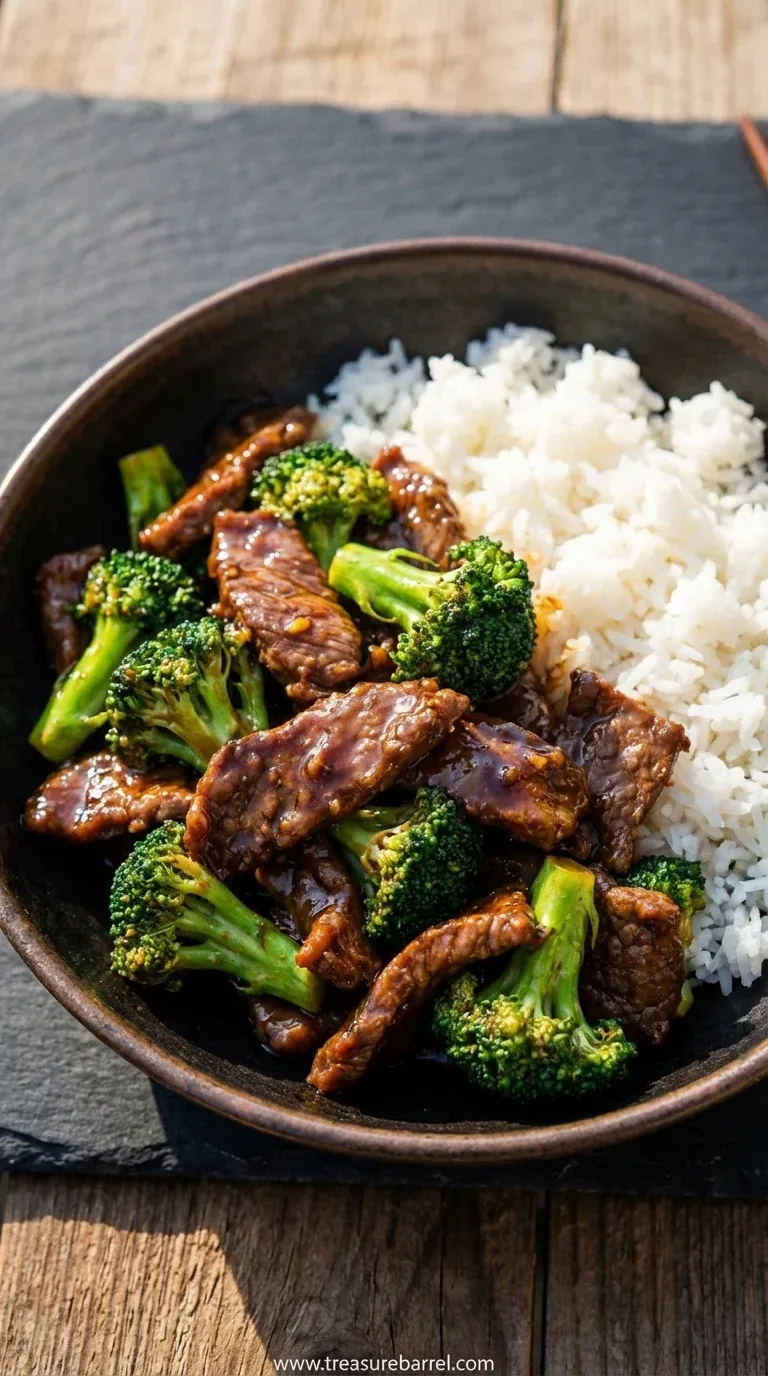
A one-pan take-out classic at home, with tender beef and crisp broccoli in a rich, savory sauce.
- Amelia Rose
- Warm Meals
- December 25, 2025
- 8 min read
- Updated November 5, 2026
- Total time
- 35 min
- Servings
- 4 Servings
- Difficulty:
- Easy
Table of contents
There’s a certain kind of magic in the air on a cozy night in, the kind that calls for something deeply comforting and familiar. For me, that's often the nostalgic scent of Chinese take-out. But over the years, I've found an even greater joy in recreating that magic right here in my own kitchen. This beef and broccoli recipe is my love letter to those cozy evenings.
It’s about capturing that perfect balance—the impossibly tender strips of beef, the broccoli that’s still so bright and crisp, and that rich, savory sauce that clings to every single bite. And honestly, the best part is how simple it is. No fuss, no complicated steps, just one pan and a little bit of time. It feels like a quiet, graceful way to treat yourself and the people you love to something that tastes like a special occasion but feels as easy as a Tuesday night.
Understanding the 'Velveting' Technique
The process of marinating the beef in cornstarch is a classic Chinese cooking technique called 'velveting.' It’s such a graceful term for what it does. The cornstarch mixture creates a very thin, protective coating around each slice of meat. When it hits the hot oil, this coating seals the surface, locking in moisture and resulting in exceptionally tender, juicy beef. It also helps the sauce cling to the meat more effectively later on. It’s a simple step that yields truly professional-tasting results, and it's much easier than it sounds. If you love baking, it's sort of like how a crumb coat works on a cake, but for flavor and texture!
The story behind it
I remember this one evening, years ago, when the rain was just relentlessly tapping against the windowpanes. It was one of those gray, muted days where all you want is warmth. My husband and I were too tired to cook anything complicated, and the thought of going out was, ugh, just not happening. We were craving our favorite beef and broccoli from a tiny place we used to live near. So, I decided to just try making it myself. My kitchen, which usually smells of things from my home baking adventures, like that amazing super easy banana bread, slowly started to fill with the new, incredible aroma of ginger and garlic and soy sauce sizzling in the pan.
That first attempt wasn't perfect, but wow, it was close. We sat on the floor with our bowls, the steam warming our faces, and it felt more special than any take-out ever could. It became our thing, our rainy-day ritual. Now, the scent of this dish is pure comfort, a reminder that the best things are often the simple ones we create ourselves. It’s a meal that says, 'slow down, be here, everything is okay.' It's a nice change of pace from my usual baking projects, like that gluten-free banana bread I've been perfecting.
Why You'll Love This Recipe
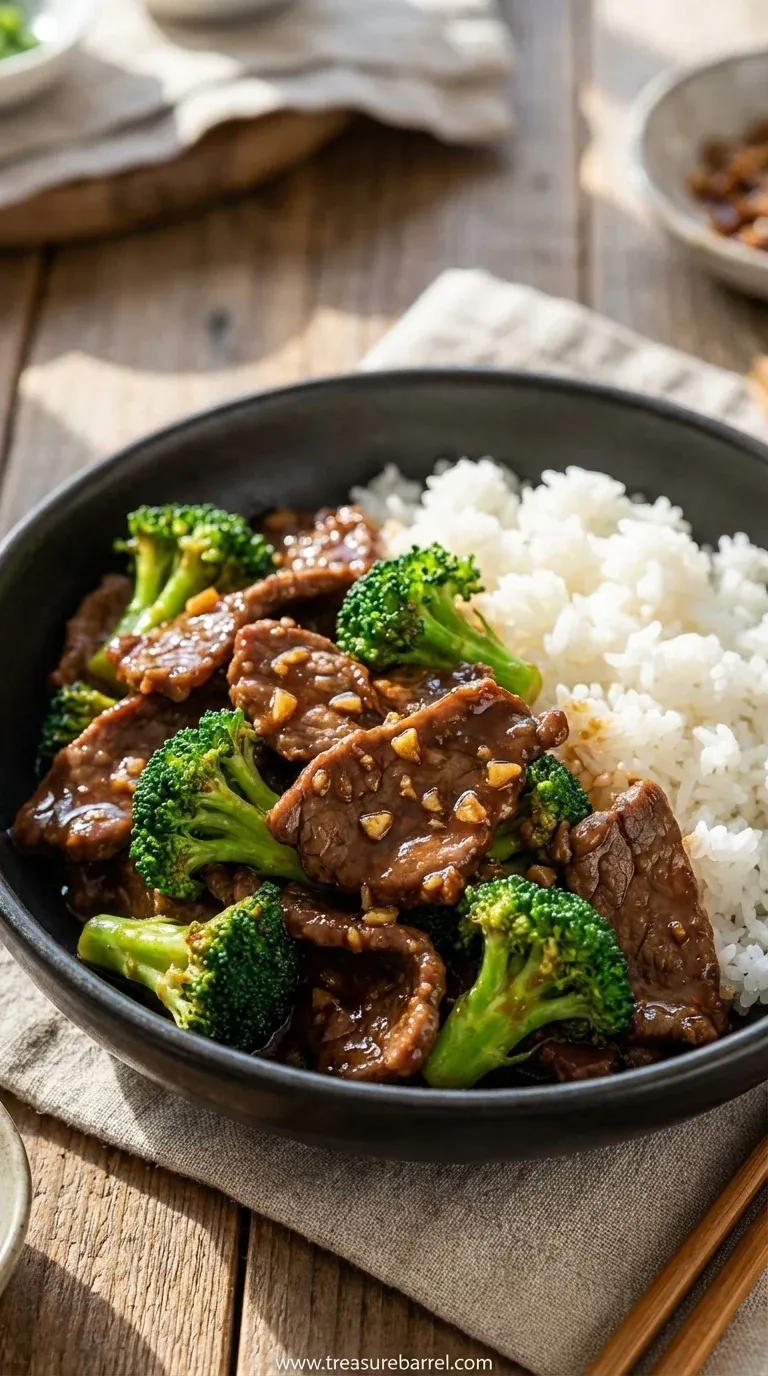
- Incredibly Tender Beef: The secret is a quick marinade with cornstarch. It creates this velvety coating on the beef that keeps it so, so tender and juicy when it hits the hot pan. You’ll be amazed at how it just melts in your mouth, honestly.
- Perfectly Crisp Broccoli: We steam the broccoli just enough so it turns a beautiful, vibrant green and keeps its delightful crunch. It’s the perfect textural contrast to the soft beef and the silky sauce. There’s nothing worse than mushy broccoli, and this method avoids that completely.
- That Irresistible Sauce: Oh, the sauce. It’s this gorgeous, glossy blend of savory, slightly sweet, and umami flavors from soy sauce, a touch of brown sugar, and fragrant sesame oil. It’s thick enough to coat everything beautifully without being heavy or gloopy. It’s just… wow.
- One-Pan Simplicity: This whole beautiful meal comes together in a single skillet or wok. That means less time doing dishes and more time enjoying your dinner. For a busy weeknight, that feels like a little gift, doesn’t it? It’s a graceful, low-stress path to a spectacular meal.
Tips for success
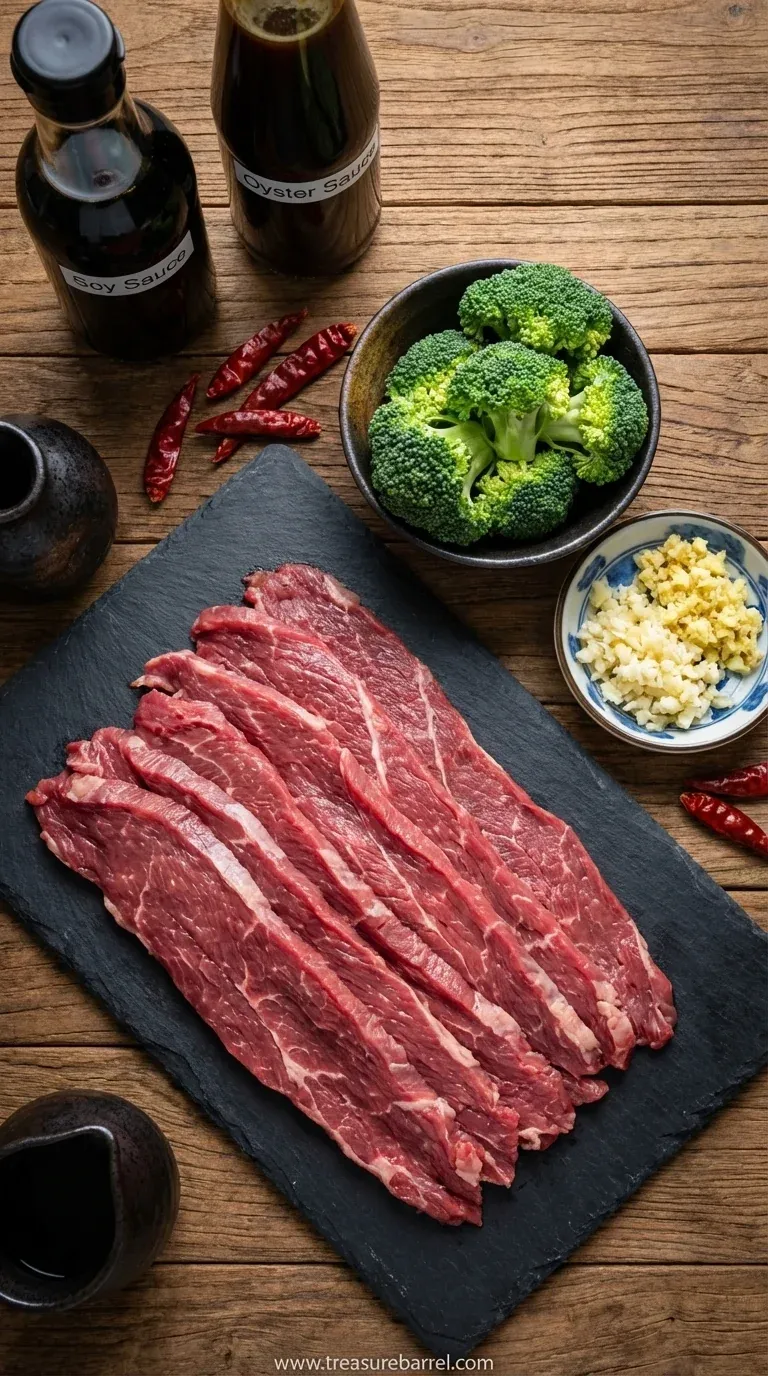
- Slice Against the Grain: I know I've said it before, but it's the most important tip! Look for the direction of the muscle fibers in the steak and slice perpendicular to them. This guarantees tender, easy-to-chew beef every time.
- Don't Crowd the Pan: Searing the beef in batches is non-negotiable for getting that beautiful brown crust. If you add too much meat at once, the pan's temperature will drop, and the beef will steam instead of sear, resulting in a grayish color and tougher texture.
- Prep Everything First (Mise en Place): Stir-frying happens very quickly. Have all your ingredients—the marinated beef, chopped broccoli, and pre-mixed sauce—ready and within arm's reach before you even turn on the stove. This makes the cooking process smooth, calm, and enjoyable.
Professional secrets
- A Little Sugar in the Marinade: While this recipe doesn't call for it, adding a tiny pinch of sugar or a teaspoon of mirin to the beef marinade can help with caramelization, giving you an even better sear and a deeper flavor.
- The Ginger and Garlic Timing: Add your minced garlic and ginger to the sauce mixture rather than frying them in the hot oil first. In a very hot wok, they can burn in seconds, creating a bitter taste. Mixing them into the sauce allows their flavor to infuse everything without the risk of scorching.
- Finish with Toasted Sesame Oil: The recipe calls for sesame oil in the sauce, which is perfect. But for an extra layer of nutty aroma, I love to drizzle just a tiny bit of toasted sesame oil over the finished dish right before serving. It adds a beautiful, fragrant finish.
Common mistakes to avoid
- Adding everything to the pan at once. This recipe relies on cooking elements in stages—searing beef first, then cooking broccoli, then creating the sauce—to build layers of flavor and maintain texture.
- Overcooking the broccoli. The goal is crisp-tender, not mushy. It should still have a pleasant bite and a vibrant green color. It will continue to cook a bit when you add the sauce, so it's better to slightly undercook it during the steaming stage.
- Not dissolving the cornstarch properly. If the cornstarch isn’t fully whisked into the cold liquids of the sauce, it can create lumps when it hits the hot pan. Always give the sauce a final stir right before adding it.
- Using a pan that's too small. This will lead to overcrowding, which causes ingredients to steam instead of sear, and makes it difficult to toss everything together at the end.
Substitutions
- Flank Steak: Chicken Breast or Thighs, or Firm Tofu. If using chicken, slice it thinly and adjust cook time accordingly. For a vegetarian option, press firm tofu to remove excess water, cut it into cubes, and pan-fry until golden before adding it at the end.
- Brown Sugar: Honey or Maple Syrup. You can easily substitute brown sugar with honey or maple syrup for a slightly different kind of sweetness. Start with a little less, as they can be sweeter, and taste before adding the full amount.
Variations
- Spicy Garlic Version: For those who like a little heat, add 1-2 teaspoons of chili garlic sauce or a pinch of red pepper flakes to the sauce mixture. It adds a wonderful warmth that cuts through the richness beautifully.
- Orange Beef and Broccoli: Introduce a citrusy brightness by adding the zest and juice of half an orange to the sauce. This adds a lovely, fragrant tang that pairs wonderfully with the savory beef.
Storage
If you happen to have leftovers, they store quite well. Allow the beef and broccoli to cool down to room temperature before transferring it to an airtight container. It will keep beautifully in the refrigerator for up to three days. The broccoli will soften a bit upon reheating, but the flavors will have melded even more and will still be incredibly delicious. I honestly don't recommend freezing this dish. The texture of the broccoli can become quite mushy after thawing, and the sauce can sometimes separate. It’s really at its best when enjoyed fresh or within a few days.
To reheat, my preferred method is to gently warm it in a skillet over medium-low heat. You might want to add a tablespoon of water or beef broth to help loosen the sauce and bring it back to its original consistency. This prevents the beef from overcooking and becoming tough. While you can certainly use a microwave in a pinch, I find the stovetop method preserves the texture and flavor much better. It's a quick and gentle way to revive your lovely meal for a second round.
Make ahead
You can be wonderfully ahead of the game with this recipe. The beef can be sliced and stored in its marinade in an airtight container in the refrigerator for up to 24 hours. The broccoli can be washed, cut into florets, and stored in a separate container. You can also whisk the sauce together and keep it in a sealed jar in the fridge for 2-3 days. When you’re ready to cook, it’s just a quick stir-fry to bring it all together.
Leftovers
Leftover beef and broccoli is a real treat for lunch the next day. Reheat it gently in a skillet with a splash of water to loosen the sauce. It’s fantastic served over rice again, or you could chop it up and mix it into fried rice or even stuff it into a lettuce wrap for a lighter meal. The flavors deepen overnight, making it just as delicious, if not more so.
Serving ideas
- Serve in a bowl over a generous portion of steamed jasmine rice to soak up the sauce.
- For a heartier meal, serve alongside some crispy vegetable spring rolls or a light wonton soup.
- Spoon the beef and broccoli over a bed of wide rice noodles or lo mein for a delicious noodle bowl.
- Garnish with sliced scallions, toasted sesame seeds, and a few fresh cilantro leaves for extra color and flavor.
Allergy information
Please be aware that this recipe contains several common allergens. The primary allergens are soy, found in the soy sauce, and wheat, as most soy sauces are brewed with it. If you have a gluten intolerance or celiac disease, you must use a gluten-free tamari or coconut aminos as a substitute. Additionally, this recipe contains sesame in the form of sesame oil. While it is naturally dairy-free, it's always a good practice to double-check the labels of all your ingredients, like the beef broth, to ensure they are free from any hidden allergens that you or your family might be sensitive to.
Our kitchen is a home environment where nuts, dairy, gluten, and other allergens are present. While we take care in our cooking, we cannot guarantee against cross-contamination. If you are cooking for someone with a severe allergy, please exercise extreme caution and ensure your cooking space and tools are thoroughly cleaned to prevent any accidental exposure. Always prioritize safety and consult ingredient labels for the most accurate information. For more recipes, you can check our website.
Chinese Beef and Broccoli: One Pan Take-Out Recipe
A one-pan take-out classic at home, with tender beef and crisp broccoli in a rich, savory sauce.
- Prep time
- 20 min
- Cook time
- 15 min
- Total time
- 35 min
- Difficulty
- Easy
- Cuisine
- Chinese
- Course
- Main Course
Ingredients
For the Beef & Marinade
For the Stir-Fry Sauce
For the Stir-Fry
Instructions
- 1
Let's begin by preparing our ingredients with a little care. First, take your thinly sliced beef and place it in a medium bowl. Add the 1 tablespoon of soy sauce, 2 teaspoons of cornstarch, and 1 teaspoon of vegetable oil. Gently toss it all together with your fingertips until every slice is lightly coated. This is our velveting step; it feels so simple, but it's the secret to tender beef. Set the bowl aside to let the beef marinate for at least 15 minutes. In another small bowl, whisk together all the sauce ingredients—the beef broth, soy sauce, brown sugar, sesame oil, cornstarch, garlic, and ginger. Keep whisking until the cornstarch is fully dissolved, creating a smooth, fragrant sauce.
- 2
Now it's time to cook the beef. Place a large skillet or a wok over medium-high heat and add 1 tablespoon of vegetable oil. Once the oil is shimmering hot—you can feel its warmth rising—carefully add half of the beef in a single layer. Let it sear for about 1-2 minutes per side without moving it too much. We're looking for a beautiful brown crust. Once cooked, remove it with a slotted spoon and set it aside on a plate. Add the remaining beef to the pan and repeat the process. Cooking in batches is so important; it ensures the beef sears rather than steams.
- 3
In the same skillet, now empty, add the remaining tablespoon of vegetable oil. Add your broccoli florets and stir-fry them for about a minute, just to coat them in the oil and the flavorful remnants from the beef. Then, carefully pour in the 1/4 cup of water. It will sizzle and steam immediately. Cover the pan with a lid and let the broccoli steam for about 3-4 minutes. We want it to be bright green and crisp-tender—you can test a piece to see if it’s just right. You don't want it to be soft at all; it's a texture that, once mastered, is as satisfying as a perfect foolproof banana bread.
- 4
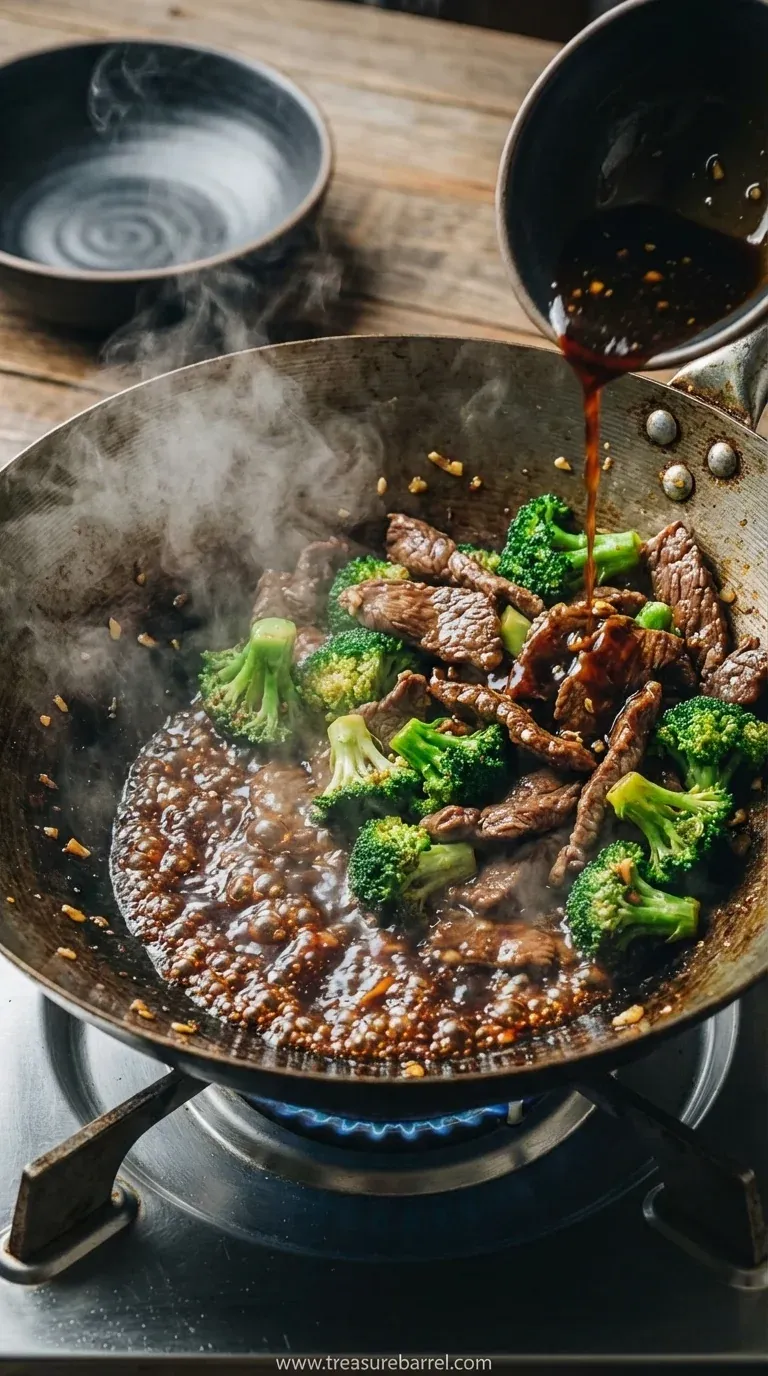
Finally, let's bring it all home. Remove the lid from the skillet and give your prepared sauce a final quick whisk before pouring it all over the broccoli. Stir constantly as the sauce bubbles and thickens, which should only take about a minute. It will turn into this gorgeous, glossy glaze. Now, add the cooked beef back into the pan. Gently toss everything together until the beef is warmed through and every single piece of beef and broccoli is coated in that incredible sauce. Serve it immediately over fluffy steamed rice, garnished with a little sprinkle of sesame seeds and green onions if you feel like it. It's such a beautiful sight.
Nutrition per serving
- 420 kcal
- Calories
- 30 g
- Protein
- 25 g
- Carbs
- 22 g
- Fat
Tips & notes
- A key to tender beef is slicing it against the grain. Look for the lines of the muscle fibers in the meat and slice perpendicular to them. This simple step makes a world of difference in the final texture, preventing it from being chewy. Freezing the beef for 20 minutes beforehand makes it much easier to slice thinly. - Don't be afraid to get your pan really hot before adding the beef. That initial high-heat sear is what creates the delicious caramelized crust and locks in the juices. A wok is traditional, but a heavy-bottomed skillet or cast iron pan works beautifully as well. I'm a big fan of using the right tool for the job, much like when making a one-bowl banana bread to save on dishes. - The sauce can be made ahead of time and stored in a jar in the refrigerator for up to three days. This makes the cooking process even quicker on a busy weeknight. Just give it a good shake or whisk before pouring it into the pan, as the cornstarch will have settled at the bottom.
Frequently asked questions
Can I use a different cut of beef?
Absolutely. While flank steak is my favorite for its texture and flavor, you could also use sirloin steak or skirt steak. The most important thing, regardless of the cut, is to slice it very thinly against the grain. This ensures it stays tender. If you're using a tougher cut, you might want to let it sit in the marinade for a little longer, maybe 30 minutes, to help it soften up.
Is it possible to make this recipe gluten-free?
Yes, it’s very easy to adapt! The main source of gluten here is the soy sauce. Simply substitute it with tamari or coconut aminos, which are both fantastic gluten-free alternatives. Make sure to check that your beef broth is also certified gluten-free. The cornstarch is naturally gluten-free, so the rest of the recipe should be perfectly fine. It’s just as delicious, I promise, just like my favorite chocolate chip banana bread can be adapted.
Can I add other vegetables to this stir-fry?
Of course! This recipe is a wonderful base for customization. Sliced carrots, bell peppers, snap peas, or even mushrooms would be lovely additions. I would recommend adding heartier vegetables like carrots along with the broccoli, and quicker-cooking ones like bell peppers or snap peas towards the end of the steaming time so they don't get overcooked. Just be mindful not to overcrowd the pan.
My sauce didn't thicken properly. What went wrong?
That can happen sometimes, but it's an easy fix! The most common reason is that the sauce didn't come to a full simmer. The cornstarch needs that heat to activate and work its thickening magic. Just turn the heat up slightly and let it gently bubble for a minute or so, and you should see it transform. If it’s still too thin, you can whisk a teaspoon of cornstarch with a tablespoon of cold water to make a slurry and stir that in.
How do I store and reheat leftovers?
Leftovers are wonderful! Just store them in an airtight container in the refrigerator for up to 3 days. When you’re ready to reheat, I find the best way is to gently warm it in a skillet over medium-low heat. You can add a splash of water or beef broth to loosen up the sauce. Microwaving works too, but the skillet method helps the broccoli stay a bit crisper. It is almost as satisfying as having a slice of leftover banana bread for breakfast.
Can I use frozen broccoli instead of fresh?
You can, but I'll be honest, the texture will be quite different. Frozen broccoli has a lot more water content and tends to become much softer when cooked, so you'll lose that signature crisp-tender bite. If you do use frozen, I recommend thawing it completely and patting it very, very dry with paper towels before adding it to the pan. Add it in the last couple of minutes of cooking, just to heat it through.
What does slicing 'against the grain' mean?
Look closely at your piece of flank steak, and you'll see long muscle fibers running in one direction. That's the 'grain.' You want to slice perpendicular to those lines. Slicing against the grain shortens those muscle fibers, making the meat infinitely more tender and easier to chew. If you slice with the grain, you'll end up with long, stringy fibers, which results in chewy beef. It’s a small detail that makes a huge impact.