Slow-Cooked Beef Goulash
Tender beef slowly cooked in a rich, savory sauce for the ultimate comfort meal.
- Amelia Rose
- Warm Meals
- January 26, 2026
- 4 min read
- Updated November 5, 2026
- Total time
- 3 h 50 min
- Servings
- 6 Servings
- Difficulty:
- Medium
Table of contents
You know, some recipes just feel like home. This slow-cooked beef goulash is one of those for me. It's not fancy, honestly, but when that rich, savory scent starts to drift through the house, it just feels like everything's right in the world. It's the kind of meal that makes the kids wander in from whatever they're doing, asking when it'll be ready. And the waiting, well, that's part of the magic.
The essence of the dish
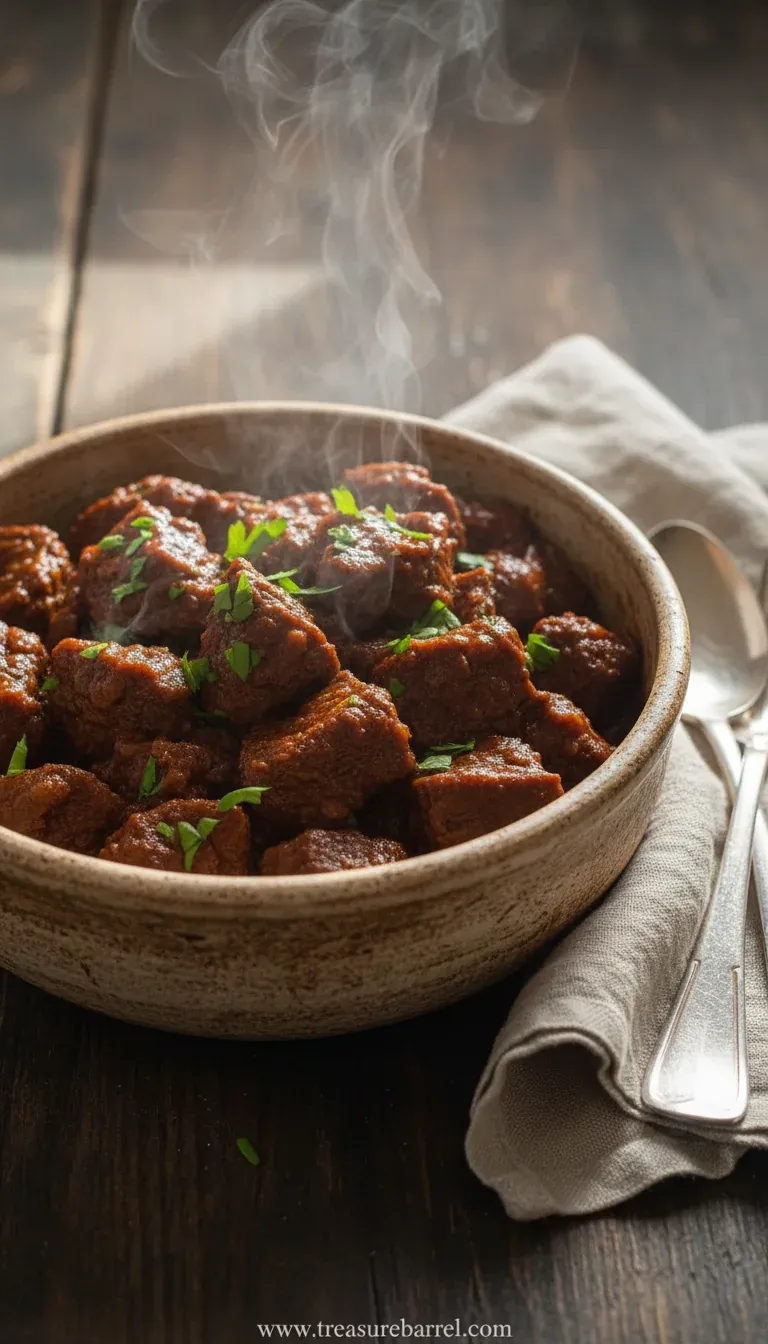
It's all about that transformation. You start with a piece of beef that needs a good chew, and a few hours later, it's so tender you can cut it with a spoon. The sauce becomes this deeply savory, complex blanket for the meat. It’s the ultimate comfort, especially on a chilly evening.
A fun fact or historical angle
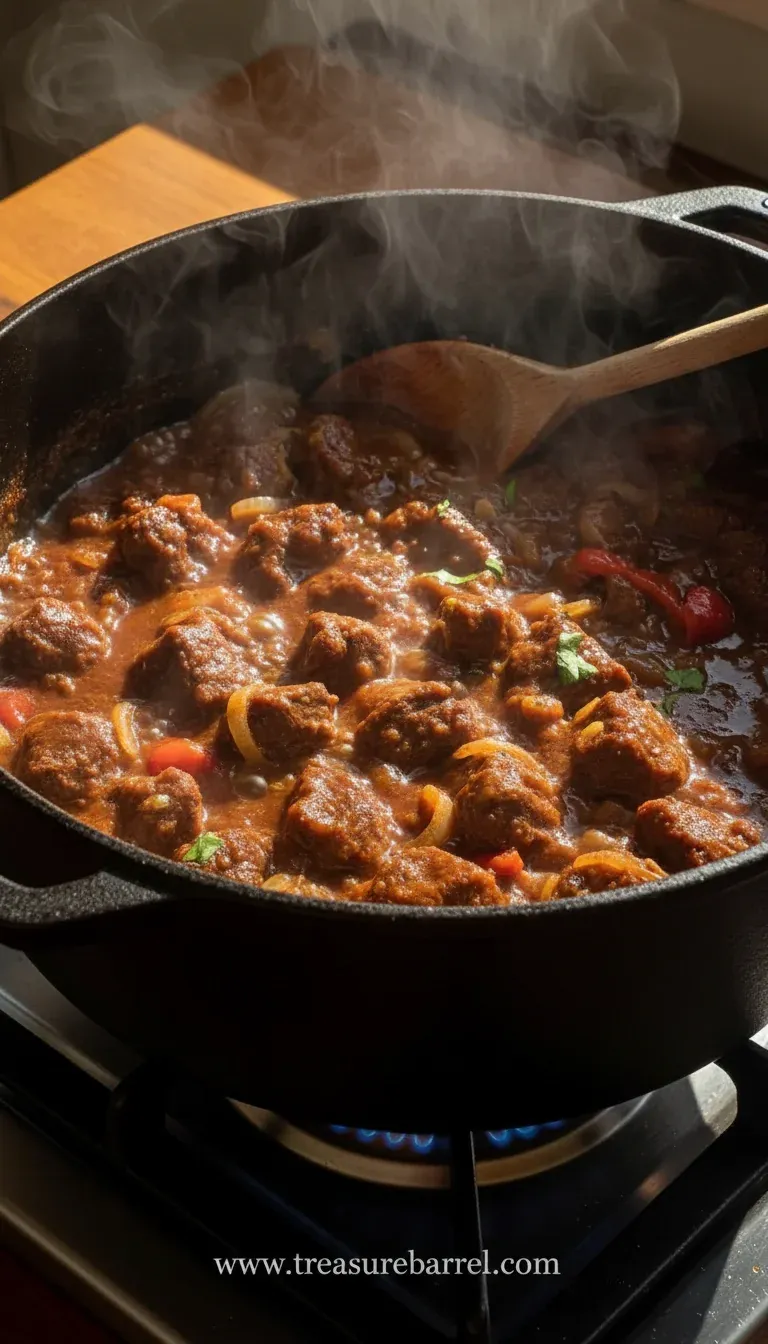
The word 'goulash' comes from the Hungarian 'gulyás,' which originally meant 'herdsman.' These cowboys would slowly cook their meals in a cast-iron kettle over an open fire, making a meal that could last them through the day.
Flavor or sensory focus
The first thing you'll notice is the warmth from the paprika, not spicy heat but a gentle, earthy warmth. Then comes the rich savoriness of the beef and the sweet softness of the onions. It's a hug in a bowl.
You Must Know
- The sear on the beef is non-negotiable for building flavor.
- Low and slow is the only way – a hard boil will make the beef tough.
- The dish will taste even better the next day, so leftovers are a blessing.
I’ve made this for so many family gatherings over the years, and it never fails. There’s something about a meal that cooks all day that just brings people together. Everyone ends up hanging around the kitchen, just waiting.
And honestly, if you're looking for another cozy meal to try, this would be fantastic with some homemade pizza dough on the side for dipping. It’s a different kind of comfort, but just as satisfying. The rich sauce of the goulash is just begging for something to soak it up.
The story behind it
Goulash has its roots in the humble herdsmen's meals of Hungary, a practical dish meant to sustain through long days. Originally simmered in cauldrons over open fires, its transformation over hours allowed tough cuts of meat to become remarkably tender. The key was patience, not just technique. As it traveled through Central Europe, it gathered variations, but the soul remained the same: a rich, deeply savory stew that speaks of comfort and care. It's a history written in paprika and slow heat, a testament to how time can turn simple ingredients into something truly special.
Why You'll Love It
- The beef becomes incredibly tender, almost melting in your mouth after hours of gentle cooking.
- The sauce develops a deep, complex flavor that's savory, slightly sweet, and wonderfully rich.
- It's a truly hands-off meal once it's simmering, giving you time to relax or get other things done.
- The aroma that fills your kitchen is pure comfort, promising a delicious meal is on its way.
Tips for success
- Pat the beef dry, A dry surface is essential for a proper sear and browning.
- Don't crowd the pan, Cook the beef in batches so it sears instead of steams.
- Low simmer is key, A gentle bubble tenderizes the beef; a boil makes it tough.
Professional secrets
- Season meat well before searing, Salt draws out moisture and helps form a better crust.
- Cook tomato paste with aromatics, Briefly cooking it deepens its flavor dramatically.
- Deglaze the pan thoroughly, Those browned bits are concentrated flavor – get them all!
Common mistakes to avoid
- Skipping the sear on the beef, which results in a less flavorful sauce.
- Adding the paprika to cold oil or liquid, which can make it taste bitter.
- Boiling the stew instead of simmering, which will make the beef tough and stringy.
- Overcrowding the pan when searing, which steams the meat instead of browning it.
Substitutions
- Beef chuck roast: Beef stew meat, brisket, or round roast. Adjust cooking time as needed; these cuts may require slightly less or more time to become tender.
- Beef broth: Vegetable broth. This will change the flavor profile but still yield a delicious vegetarian-friendly stew (using mushrooms instead of beef).
Variations
- With Root Vegetables: Add 2 cups of cubed potatoes, carrots, or parsnips during the last hour of cooking for a heartier, one-pot meal.
- Spicy Goulash: Add 1-2 teaspoons of hot paprika or a pinch of cayenne pepper along with the sweet paprika for a gentle heat.
Storage
Store cooled leftovers in an airtight container in the refrigerator for up to 4 days. Reheat gently on the stovetop over low heat, adding a splash of broth or water if needed to loosen the sauce.
Make ahead
This is an excellent make-ahead meal. Prepare it completely, let it cool, and refrigerate for up to 2 days. The flavors will deepen. Reheat gently on the stovetop. It also freezes beautifully for up to 3 months.
Leftovers
Leftovers are a treat. Reheat gently in a saucepan over low heat, adding a tiny splash of water or broth if the sauce has thickened too much. It's wonderful over fresh noodles or even stuffed into a pizza roll for a fun twist.
Serving ideas
- Over a heap of buttery egg noodles or soft, homemade spätzle.
- Spooned generously over creamy mashed potatoes.
- In a deep bowl with a big piece of crusty bread for dipping.
- With a simple side of steamed green beans or buttered peas.
Allergy information
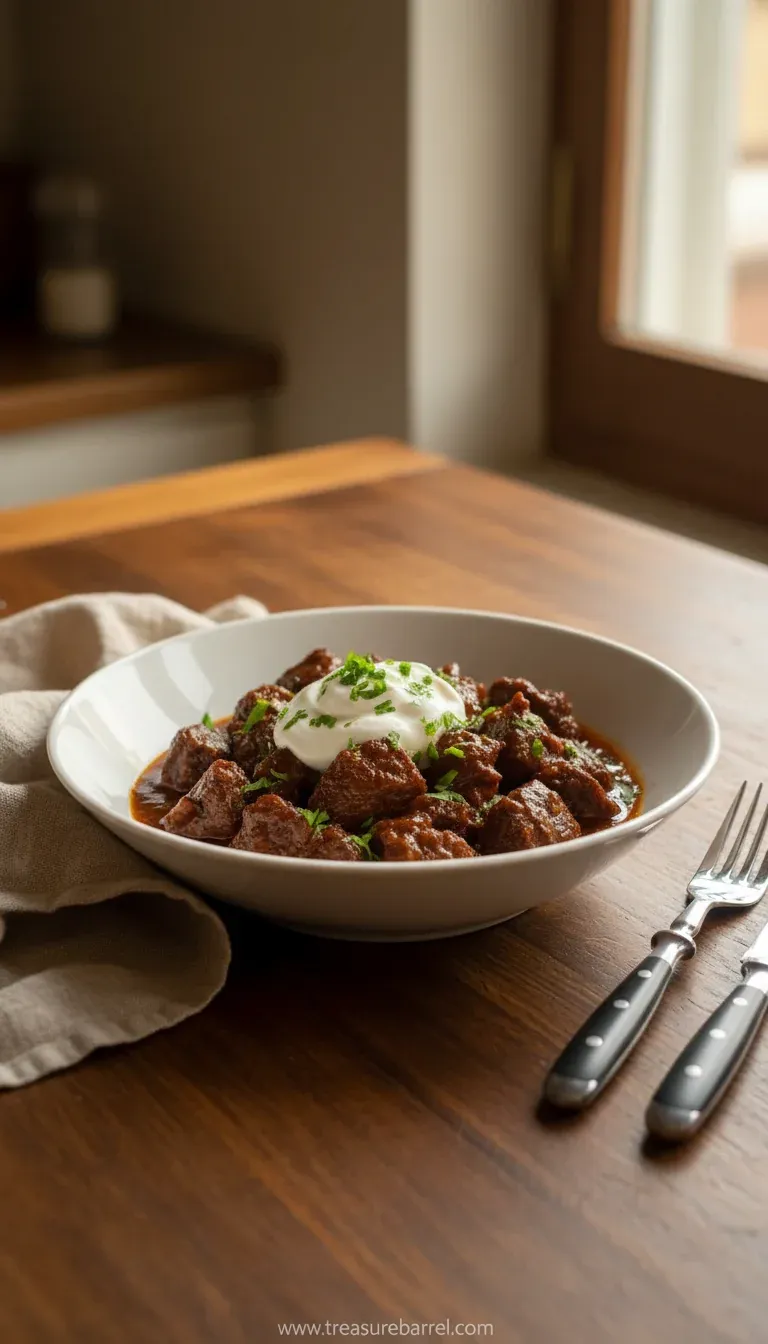
This recipe is naturally gluten-free if served with gluten-free noodles or potatoes. It is dairy-free if you omit the sour cream garnish. Always check your specific beef broth for allergens.
Slow-Cooked Beef Goulash
Tender beef slowly cooked in a rich, savory sauce for the ultimate comfort meal.
- Prep time
- 20 min
- Cook time
- 3 h 30 min
- Total time
- 3 h 50 min
- Difficulty
- Medium
- Cuisine
- Hungarian
- Course
- Main Course
Ingredients
For the Beef and Sear
For the Aromatics and Sauce
For Serving (Optional)
Instructions
- 1
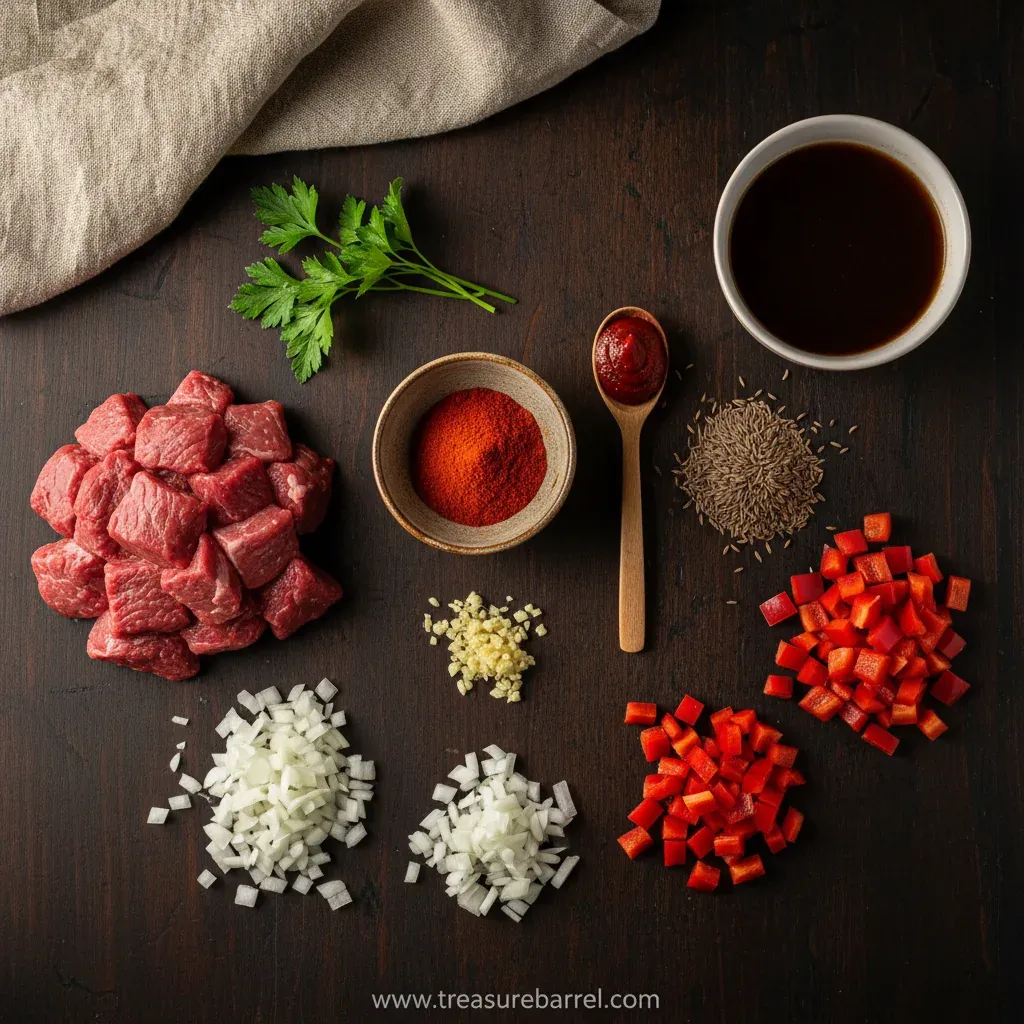
Pat the beef cubes thoroughly dry with paper towels. This is important for getting a good sear. Season them all over with the teaspoon of salt and half teaspoon of pepper.
- 2
Heat the olive oil in a large, heavy-bottomed pot or Dutch oven over medium-high heat. Working in batches to avoid crowding, add the beef cubes and sear them until they develop a deep brown crust on all sides, about 4-5 minutes per batch. Transfer the seared beef to a plate and set aside.
- 3
Reduce the heat to medium. Add the sliced onions to the same pot. Cook, stirring occasionally, until the onions have softened and started to turn a light golden brown, about 8-10 minutes. If the pot seems dry, add a splash more oil.
- 4
Add the minced garlic, tomato paste, and paprika to the onions. Cook, stirring constantly, for about 1 minute until the mixture is fragrant. The paprika will darken slightly.
- 5
Pour in about ½ cup of the beef broth to deglaze the pot, scraping up all the browned bits from the bottom with a wooden spoon. This is pure flavor.
- 6
Return the seared beef and any accumulated juices back to the pot. Add the remaining beef broth, the crushed caraway seeds, and the bay leaf. Stir everything together.
- 7
Bring the liquid to a simmer, then reduce the heat to low. Cover the pot with a tight-fitting lid and let it simmer gently for 2 ½ to 3 hours, or until the beef is incredibly tender and easily pulls apart. Check occasionally to ensure it's at a gentle bubble, not a boil.
- 8
Once the beef is tender, taste the sauce and adjust the seasoning with more salt and pepper as needed. If the sauce is thinner than you'd like, you can simmer it uncovered for the last 15-20 minutes to thicken slightly.
- 9
Remove the bay leaf. Serve the goulash hot over your chosen base, garnished with fresh parsley and a dollop of sour cream if using. It's also delicious with a crusty bread for dipping, almost like you'd have with a meat casserole.
Nutrition per serving
- 420 kcal
- Calories
- 38 g
- Protein
- 12 g
- Carbs
- 24 g
- Fat
Tips & notes
- Searing the beef properly is the most important step for flavor – don't skip it! - Leftovers taste even better the next day as the flavors continue to meld. - For a thicker sauce, mix 1 tbsp cornstarch with 2 tbsp cold water and stir it in during the last 10 minutes of cooking.
Frequently asked questions
Can I make this in a slow cooker?
Absolutely. Just sear the beef and sauté the onions in a skillet first, then transfer everything to the slow cooker. Cook on low for 7-8 hours, or on high for 4-5 hours. The key is still that initial sear for flavor.
My sauce is too thin. What can I do?
You can mix a tablespoon of cornstarch with two tablespoons of cold water to make a slurry. Stir this into the simmering goulash and let it cook for another 5-10 minutes until thickened. Alternatively, just let it simmer uncovered for the last 20-30 minutes to reduce.
What's the best cut of beef to use?
Beef chuck roast is ideal. It's well-marbled and becomes incredibly tender with long cooking. Brisket or round roast can also work, but chuck is my top choice for its balance of flavor and texture.
Can I freeze the leftovers?
Yes, it freezes beautifully. Let it cool completely, then portion it into airtight containers. It will keep well for up to 3 months. Thaw in the refrigerator overnight and reheat gently on the stove.
What should I serve with goulash?
It's classic served over egg noodles, spätzle, or mashed potatoes. A simple side like steamed green beans or a crisp salad with a bright vinaigrette helps balance the richness. A simple easy dough warmed up on the side is wonderful for soaking up the sauce.
Can I add other vegetables?
You can add carrots or bell peppers during the last hour of cooking so they don't get mushy. Root vegetables like potatoes can be added at the beginning, cut into large chunks. For a different take, you could even try a mushroom pizza as a side, but that's a whole different meal!