
I remember the first time I tried to make carbonara. I was in my little apartment kitchen, sunlight streaming through the window, and I was so, so nervous. I’d read all these warnings about scrambling the eggs and I was convinced I’d mess it up. But I took a deep breath, whisked the eggs and cheese together, and held my breath as I tossed it with the hot pasta. And then... magic. A creamy, perfect sauce coated every strand. The smell of the salty Pecorino and rich beef bacon filled my kitchen, and I felt this quiet sense of accomplishment. It’s funny how some recipes become markers in time. Now, whenever I make it, I’m transported back to that little kitchen. It’s a feeling of pure comfort, much like the scent of a freshly baked banana bread recipe cooling on the counter, a simple joy that never gets old.
Why You'll Love This Carbonara
-
Authentically Creamy Without Cream: The real magic here is the emulsion created from egg yolks, starchy pasta water, and rendered bacon fat. It results in a sauce that’s unbelievably silky and rich, coating every single strand of spaghetti without a drop of heavy cream. It feels light yet decadent, a texture that, once you master it, you'll crave again and again.
-
Deep, Savory Flavor: This dish is a lesson in flavor concentration. The salty, sharp Pecorino Romano cheese, the smoky depth of the crispy beef bacon, and the sharp bite of freshly cracked black pepper create a symphony of savory notes. Each ingredient is a powerhouse, and together they create something truly special and deeply satisfying.
-
Surprisingly Quick to Make: Despite its elegant reputation, carbonara is true weeknight warrior. From start to finish, you can have this on the table in under 30 minutes. It feels like an indulgence, but it's honestly faster than ordering takeout, making it perfect for those days you need a little comfort without a lot of fuss. It's not a day-long project like some things in our home baking section; it's pure, immediate gratification.
-
Minimalist Pantry Ingredients: Look, there's beauty in simplicity. This recipe uses ingredients that are easy to keep on hand: pasta, eggs, cheese, and beef bacon. It’s a testament to how incredible food can be when you let a few high-quality ingredients truly shine. It's a reminder that you don't need a complicated shopping list to create a memorable meal.
Honestly, the creamiest, most satisfying pasta I've ever made at home. It felt like a little luxury.
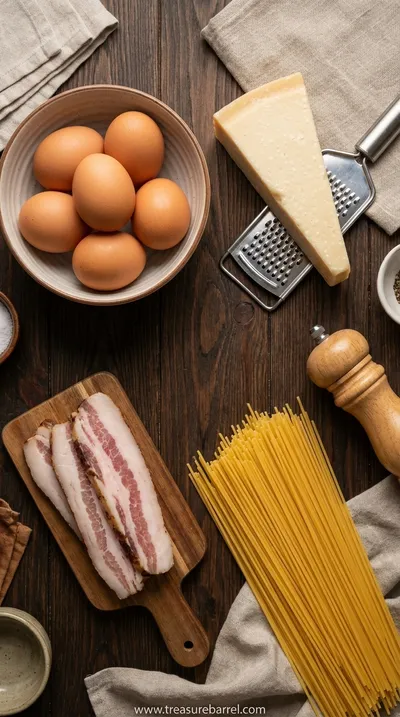
Essential Ingredient Guide
- Fresh Eggs: The eggs are, honestly, the soul of the sauce. I always use the freshest eggs I can find, and bringing them to room temperature first helps them emulsify more smoothly. The yolks provide the richness and color that are so characteristic of a good carbonara. Don't be shy with them; they are what creates that velvety, custard-like coating on the pasta. It’s a delicate process, but so worth the gentle touch.
- Pecorino Romano Cheese: While Parmesan is a lovely cheese, true carbonara gets its signature sharp, salty bite from Pecorino Romano, which is made from sheep's milk. I always, always grate my own cheese from a block. The pre-grated kind has anti-caking agents that can prevent the sauce from becoming truly smooth. The texture of a fresh grate just melts into the sauce in a way that, wow, is just completely different and absolutely essential.
- Beef Bacon: Instead of traditional pork, we use beef bacon, and its smoky, rich flavor is just divine. The key is to render it slowly over medium heat. You want to cook out all that gorgeous fat and get the pieces perfectly crisp. That rendered fat is liquid gold—it becomes a foundational flavor in the final sauce, adding a depth that you just can't replicate. So, don't rush this step; let it get nice and crispy.

Complete Cooking Process
-
Preparation: The Calm Before:
This is the moment to breathe and get centered before the beautiful, fast-paced dance of making carbonara begins. I like to lay everything out on my counter, my little mise en place. Grate the cheese into a fluffy pile, separate the egg yolks into a bowl, chop the beef bacon, and get the pot of water on the stove. This quiet prep work is so important because once the pasta is cooking, everything happens in a matter of minutes. It’s your moment of calm organization.
-
Cooking: The Foundation of Flavor:
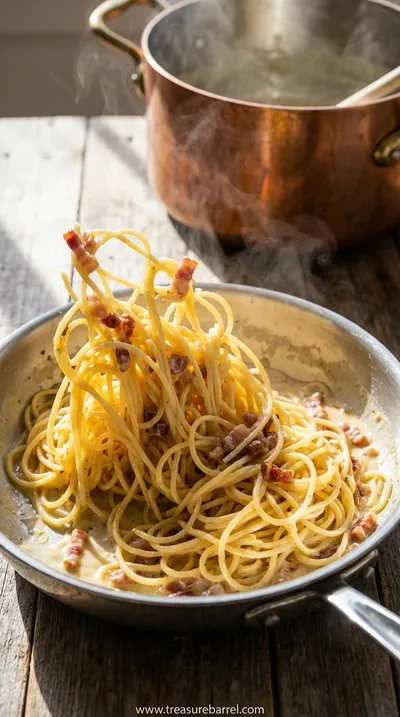
Now, we build the flavors. As the pasta boils, the beef bacon goes into a cold pan, sizzling to life and slowly rendering its fat until crispy. The kitchen starts to fill with that incredible, smoky aroma. This is also when you reserve that starchy, cloudy pasta water—it’s the secret ingredient that binds everything together. Don't forget it! It's the key to the silky sauce and is just as important as the eggs or cheese.
-
Assembly: The Moment of Magic:
Okay, deep breath. This is the crucial part, and it happens entirely off the heat to prevent scrambled eggs. The hot pasta goes into the pan with the rendered bacon fat, and then you pour in the egg and cheese mixture, tossing vigorously. Add a splash of that reserved pasta water and watch as it transforms into a glossy, creamy sauce that clings to the spaghetti. It's a two-minute whirlwind that feels like a magic trick every single time. It's a different kind of culinary satisfaction, but it rivals the moment you flip a perfect crepe.
-
Work quickly and off the heat to prevent the eggs from scrambling.
-
Don't drain all the pasta water! That starchy liquid is essential for the sauce's texture.
-
Use room temperature eggs for a smoother, more stable emulsion.
-
Always grate your own cheese for the best melt and flavor.
Pro Tips for a Perfect Sauce
Following these little tips makes all the difference between a good carbonara and a truly great one. Trust the process!
 Family Favorites
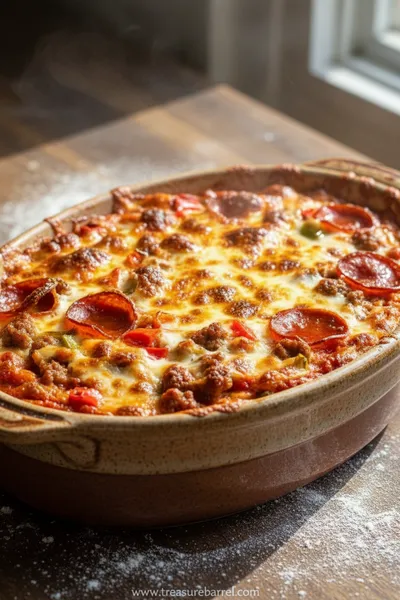
Meat Lovers Pizza Casserole Recipe
A comforting baked dish that brings pizza night flavors together in one easy casserole.
Frequently Asked Questions
→ My sauce isn't creamy, it's a bit dry. What did I do wrong?
Oh, that's a common hurdle! This almost always comes down to the pasta water. You might not have added enough of the starchy water to the egg and cheese mixture to create the emulsion. The hot water helps to gently cook the eggs and melt the cheese into a fluid sauce. Don't be afraid to add it, a tablespoon at a time, while tossing everything vigorously until you get that perfect, glossy consistency. It’s about finding that balance, so just add a little more next time.
→ How do I keep my eggs from scrambling?
The key, honestly, is to take the pan completely off the stove. The residual heat of the pasta and the pan is more than enough to cook the sauce without turning it into breakfast. Once you drain your pasta, add it to the skillet with the rendered bacon fat, give it a toss, and then pour in your egg and cheese mixture. Work quickly! Constant, energetic tossing is your best friend here. It keeps the eggs moving and allows them to emulsify into a creamy sauce.
→ Can I use Parmesan instead of Pecorino Romano?
You absolutely can, and it will still be delicious! Just know that it will have a slightly different flavor profile. Pecorino Romano is made from sheep's milk and is saltier and tangier, which is the classic taste. Parmesan is a bit nuttier and more mellow. If you do use Parmesan, you might just need to adjust your seasoning slightly, maybe adding a pinch more salt to the final dish. Some people even like to use a blend of both!
→ Is it okay to use a different pasta shape besides spaghetti?
Of course! While spaghetti is classic, carbonara is wonderful with other pasta shapes. I personally love it with bucatini, which is a thick, hollow strand that traps the sauce beautifully. Rigatoni or penne are also fantastic choices because their ridges and tubes catch all the creamy goodness and little bits of crispy bacon. The foundation of a great dish is like having a good pizza dough; as long as the base is good, you can be creative.
→ Can I add garlic or onions to my carbonara?
A traditional carbonara is very pure, relying only on the main ingredients for its flavor. However, your kitchen is your own! If you love garlic, you could certainly sauté a thinly sliced clove in the bacon fat for a minute before tossing the pasta in. Just be sure to remove it or make sure it doesn't burn. I'd avoid onion as it releases a lot of water and can change the texture of the sauce, but a little garlic can be a lovely, subtle addition if you like.
→ What's the best way to reheat leftovers?
Ugh, this is a tricky one. Reheating carbonara is notoriously difficult because the egg-based sauce can easily scramble or separate when exposed to direct heat. The best method I've found is to reheat it very, very gently in a pan over low heat with a splash of water or milk to loosen it up. Stir it constantly until it's just warmed through. Honestly, though, carbonara is one of those dishes that is truly best enjoyed fresh, right after it's made.
→ Can I use whole eggs instead of just yolks for the sauce?
Yes, you can. Many recipes call for whole eggs or a combination of whole eggs and yolks. Using just yolks, as I do in this recipe, creates an exceptionally rich and velvety sauce with a beautiful golden color. If you use whole eggs, the sauce will be a little lighter and less rich, but still perfectly creamy and delicious. Feel free to experiment and see what you prefer! For more inspiration on other dishes, you can browse all our recipes here.
Nutrition Facts
per serving
680
Calories
30g
Protein
60g
Carbs
35g
Fat
Taste Profile
Rich, savory, and peppery with a deep, cheesy, and smoky flavor.
Ingredient Substitutions
Don't have an ingredient? Try these alternatives
If using turkey ham or smoked turkey, you may need to add a tablespoon of olive oil or butter to the pan as it won't render as much fat as the beef bacon.
Any long pasta shape works beautifully, as do sturdy tube shapes like rigatoni which are fantastic at catching the sauce. Just cook according to package directions.
Recipe Variations
Try these delicious twists on the original
Add a Touch of Green
For a bit of freshness and color, you can add a cup of fresh or frozen peas to the pasta during the last minute of cooking. It adds a lovely sweetness that pairs beautifully with the salty bacon.
A Hint of Spice
If you enjoy a little bit of heat, add a pinch of red pepper flakes to the pan along with the black pepper. It won't overpower the dish but will add a subtle, warm kick in the background.
Common Mistakes to Avoid
Learn from others' mistakes for perfect results
- Scrambling the Eggs: Adding the egg mixture while the pan is still over the heat is the number one mistake. Always remove the pan from the heat first.
- Forgetting to Reserve Pasta Water: This starchy water is the magic ingredient for a creamy, non-greasy sauce. Don't throw it all down the drain!
- Using Cold Eggs: Room temperature eggs emulsify into a much smoother and more stable sauce.
- Draining the Pasta Too Well: A little water clinging to the noodles is a good thing! It helps start the sauce emulsion process.
Meal Prep & Storage
Make Ahead Tips
Carbonara is truly a dish best made and eaten fresh. However, you can do some prep work to make the process quicker. You can dice the beef bacon and grate the cheese ahead of time, storing them in separate airtight containers in the refrigerator. You can also whisk together the eggs and pepper. This way, when you're ready to cook, all you need to do is boil the pasta and assemble.
Leftover Ideas
Leftover carbonara can be tricky, but I find it makes a wonderful ingredient for a frittata the next day. Roughly chop the leftover pasta, whisk it with a few extra eggs and a splash of milk, and cook it in an oven-safe skillet until set. It’s a delicious way to transform the leftovers into a completely new and delightful meal without worrying about reheating the delicate sauce.
Perfect Pairings
Serve this with...
Cooking Timeline
Bring a large pot of salted water to a boil. Dice bacon. Grate cheese. Whisk eggs, cheese, and pepper.
Add spaghetti to boiling water. Simultaneously, cook the bacon in a skillet over medium heat until crisp.
Reserve 2 cups of pasta water. Drain the pasta.
Turn off the heat under the skillet. Add the hot pasta to the skillet with the bacon. Pour over the egg mixture and toss vigorously, adding pasta water to create a creamy sauce.
Serve immediately in warm bowls with extra cheese and pepper.
 Warm Meals
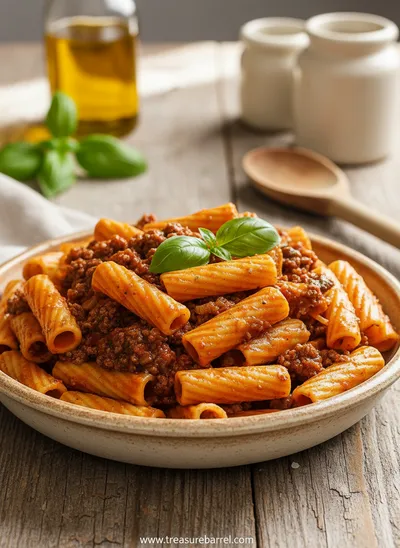
Beef Ragu Pasta Recipe in Tomato Sauce
A rich and hearty pasta dish with slow-cooked beef ragu in a savory tomato sauce.
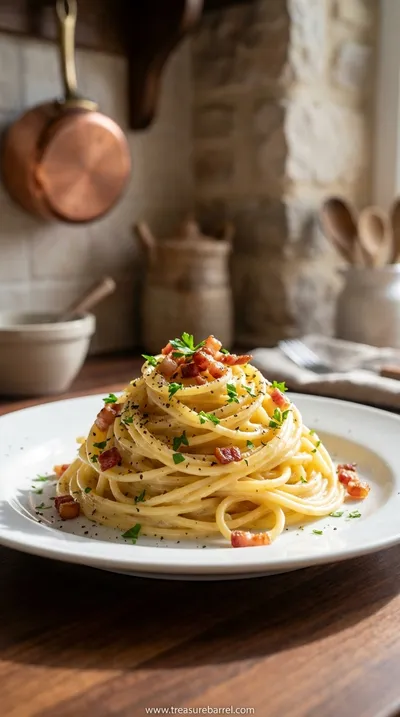
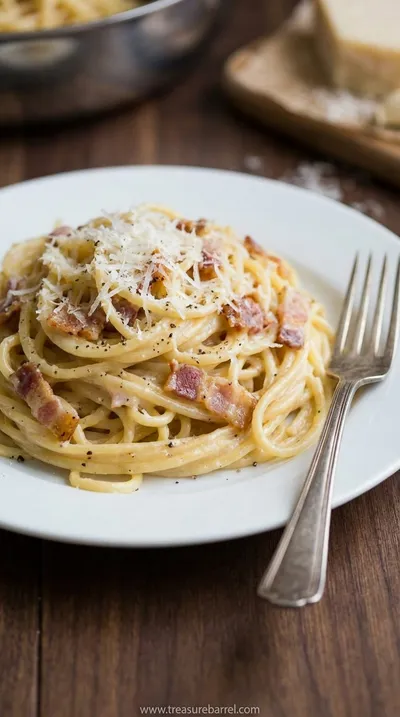
Spaghetti Carbonara: Classic Comfort Pasta Dish
A timeless, creamy spaghetti carbonara with eggs, cheese, and savory beef bacon. An elegant yet simple pasta dish.
Timing
Prep Time
10 Minutes
Cook Time
20 Minutes
Total Time
30 Minutes
Recipe Details
Ingredients
For the Pasta
-
01
1 lb (450g) spaghetti
-
02
Salt for boiling water
-
03
8 oz (225g) beef bacon, diced
-
04
4 large egg yolks, at room temperature
-
05
1 large whole egg, at room temperature
For the Sauce & Garnish
-
01
1 1/2 cups freshly grated Pecorino Romano cheese, plus more for serving
-
02
1 tsp freshly cracked black pepper, plus more for serving
-
03
1/4 cup finely chopped fresh parsley (optional)
Instructions
First, let's get everything ready for our delicious journey. Bring a large pot of water to a rolling boil and salt it generously; it should taste like the sea. In a medium bowl, whisk together the egg yolks, the whole egg, the grated Pecorino Romano, and the black pepper until it forms a thick, paste-like sauce. Setting this aside now is key because things will move very quickly later. I find this prep stage so calming, just focusing on each ingredient before the symphony begins.
While the water is coming to a boil, place the diced beef bacon in a large, cold skillet. Turn the heat to medium and let the bacon cook slowly, stirring occasionally. We're rendering the fat, so be patient. You're looking for deeply browned, crispy little morsels, which should take about 8-10 minutes. Once your water is boiling, add the spaghetti and cook according to package directions until al dente. This step is much quicker than prepping something complex like a Matilda's chocolate cake, which is why I love it for a weeknight.
This is the most important step, so take a deep breath! Just before the pasta is done, scoop out about 2 cups of the starchy cooking water and set it aside. Drain the pasta and immediately add it to the skillet with the crispy beef bacon and its rendered fat. Now, turn off the heat completely. Pour the egg and cheese mixture over the hot pasta and immediately begin tossing everything together vigorously with tongs. This is not the time to be shy! The constant motion is what creates the creamy sauce and prevents the eggs from scrambling.
As you toss, add a splash of the reserved pasta water (start with about 1/4 cup) to the pan. The starchy water will help emulsify the sauce, making it glossy and creamy. Continue to toss and add more water, a tablespoon at a time, until the sauce reaches your desired consistency, beautifully coating every strand of spaghetti. Serve immediately in warm bowls, garnished with another generous sprinkle of Pecorino Romano, a few more cracks of black pepper, and fresh parsley if you're using it. It’s a meal that feels complete on its own, though for dessert, sometimes an easy banana bread is the perfect simple finish.
Notes & Tips
-
1
That starchy pasta water is not just dishwater; it’s a crucial ingredient. The starches that cook out of the pasta help to bind the fat from the bacon and eggs with the cheese, creating a stable, creamy emulsion. It’s the secret to a sauce that clings perfectly to the pasta. It works as a binding agent, not unlike the eggs in the best banana bread. So, never, ever forget to save a cup or two before you drain!
-
2
Please use freshly cracked black pepper for this recipe. The pre-ground stuff just doesn't have the same pungent, floral aroma and bite. Carbonara is said to be named for the 'carbonai,' or charcoal burners, and the black pepper is meant to look like flecks of coal. A coarse grind adds both flavor and a lovely textural contrast to the creamy sauce. Be generous with it!
-
3
This dish waits for no one! Carbonara is at its absolute best the moment it’s made. The sauce is delicate and can become thick or separate as it cools. I always warm my pasta bowls beforehand by filling them with a bit of the hot pasta water while the spaghetti cooks. It keeps the dish warmer for longer, ensuring every bite is as perfect as the first.
Tools You'll Need
-
Large Pot: You'll need a big pot to boil the spaghetti so it has plenty of room to move around and cook evenly without clumping. A sturdy, heavy-bottomed pot that retains heat well is always a good choice for pasta.
-
Large Skillet: A 12-inch skillet is perfect for rendering the beef bacon and, most importantly, for tossing the pasta with the sauce. You want enough surface area to toss everything vigorously without making a huge mess. A cast-iron or stainless steel skillet works beautifully.
-
Whisk: A simple whisk is essential for combining the eggs, cheese, and pepper into a smooth, cohesive mixture. It helps to incorporate air and ensures there are no clumps of cheese or streaks of unincorporated egg yolk.
-
Tongs: Tongs are your best friend when it comes to tossing the pasta with the sauce. They allow you to lift and turn the spaghetti, ensuring every single strand gets coated in that glorious, creamy sauce. It's much more effective than just stirring with a spoon.
Must-Know Tips
-
Temper Your Eggs (Sort Of) - By tossing the hot pasta with the egg mixture off the heat, you're gently cooking the eggs with residual heat, which is the key to a creamy, not scrambled, sauce.
-
Don't Skimp on Salt - Salting your pasta water is non-negotiable. It seasons the pasta from the inside out and is the first layer of flavor in the finished dish.
-
Grate Your Own Cheese - Pre-shredded cheese contains anti-caking agents that will prevent your sauce from becoming silky smooth. A block of Pecorino and a microplane are your best friends here.
Professional Secrets
-
Use a Cold Pan for Bacon - Starting the beef bacon in a cold pan and bringing it up to temperature slowly allows the fat to render out more efficiently, resulting in crispier bacon and more liquid gold for your sauce.
-
Warm Your Serving Bowls - A hot dish in a cold bowl is a recipe for a seized sauce. Swirl a little hot pasta water in your serving bowls and dump it out just before plating to keep the carbonara at its peak creaminess.
-
The 'Pasta Water' Emulsion - The starchy, salty pasta water is the bridge that brings the fats and liquids together into a stable, glossy sauce. It's the most important 'secret' ingredient in the dish.

Recipe by
Amelia RoseAmelia cooks hearty meals 🥘🔥, sharing warmth 💛 and cozy evenings 🕯️🍲. Every dish she makes is full of love ❤️ and family laughter 👩👩👧👦🍛.
Get Delicious Recipes Weekly
Join 25,000+ home cooks getting our best recipes straight to their inbox.
Free forever • No spam • Unsubscribe anytime